There’s something magical about watching seeds transform into thriving plants. When those seeds are heirloom varieties, passed down through generations, the magic becomes even deeper. These aren’t just regular seeds – they carry stories, flavors, and resilience that modern hybrids simply can’t match. The beauty of heirloom gardening lies in its harmony with seasons, and when you combine that with the convenience of planting kits, you’re creating a sustainable relationship with your garden that lasts year after year.
Gardening isn’t just about growing food anymore. It’s about connecting with the earth, preserving biodiversity, and nurturing traditions that have sustained families for centuries. Heirloom seeds represent this connection – they’re living archives of agricultural history, each carrying unique characteristics that make them special. But gardening seasonally? That’s where things really get interesting. When you plan your garden around the natural rhythms of the earth, you’re not just growing plants – you’re working with them. Using planting kits makes this process approachable, especially for those new to gardening or wanting to simplify their approach while still maintaining quality and sustainability.
Understanding Heirloom Seeds and Their Unique Qualities
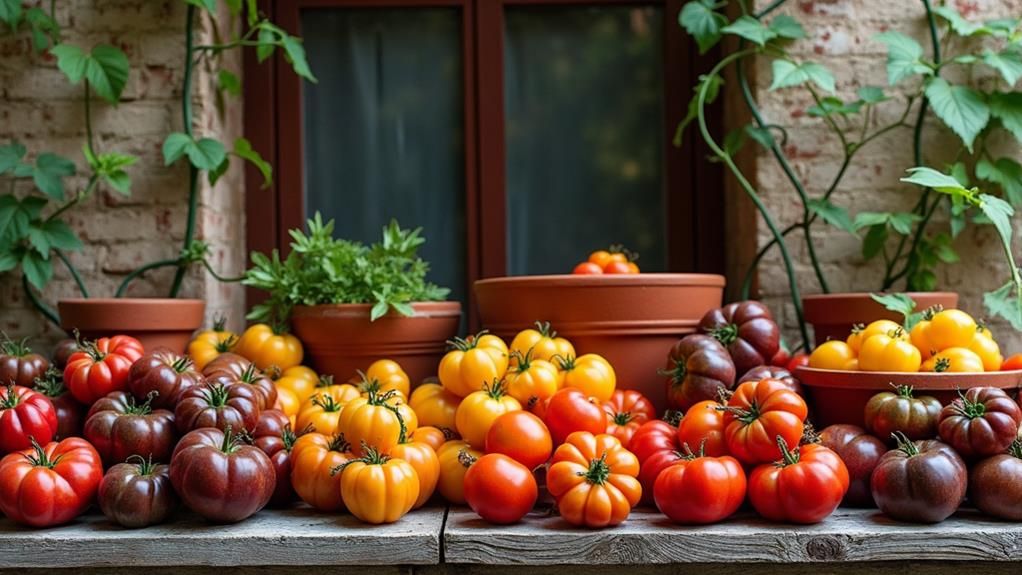
Heirloom seeds are more than just old-fashioned varieties. They’re genetic treasures that have been carefully selected and saved by gardeners and farmers over decades or even centuries. Unlike commercial hybrids, heirlooms don’t lose their traits through generations. If you plant an heirloom tomato seed today, you’ll get a plant that produces fruit exactly like its parent. This consistency makes them perfect for seed saving and preserving family recipes.
These seeds often offer better flavor than their modern counterparts. Think about that sweet, complex taste of a Brandywine tomato versus a supermarket variety. The difference isn’t just in the taste – it’s in the history that went into developing that flavor. Many heirloom varieties were developed in response to local conditions, which means they’re adapted to specific climates and soil types. This adaptability makes them excellent candidates for sustainable gardening practices.
When you look at heirloom seeds, you’re looking at varieties that have survived and thrived through various challenges. Some were preserved through droughts, others through pest pressures, and many through harsh winters. These traits make them incredibly resilient in the face of changing conditions – a crucial advantage in our uncertain climate future.
The Power of Seasonal Planning in Sustainable Gardening
Planting according to seasonal cycles isn’t just about timing – it’s about respecting the natural rhythm of growth. When you align your garden activities with the seasons, you’re essentially following a calendar that nature created for us. This approach reduces the need for artificial inputs like fertilizers and pesticides because plants are growing under optimal conditions.
Consider how different seasons affect plant development. Spring brings the opportunity for cool-season crops like lettuce, peas, and radishes. These plants actually thrive in cooler temperatures and can handle light frosts. Summer is perfect for heat-loving vegetables such as tomatoes, peppers, and squash. You might notice that these plants seem to grow faster and stronger during their preferred season.
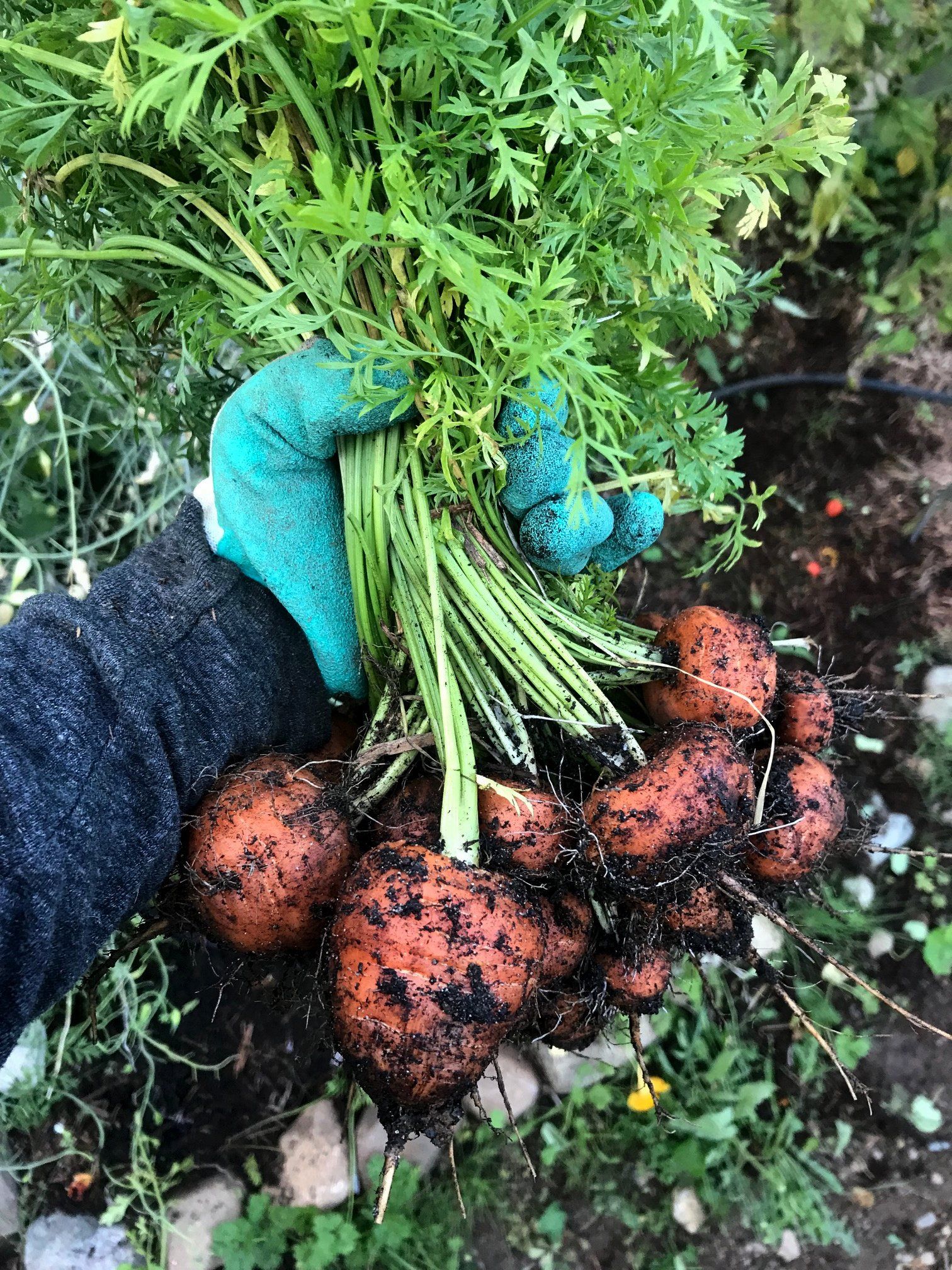
Autumn offers a second chance for many crops. Many gardeners plant fall crops like kale, carrots, and Brussels sprouts in late summer, knowing they can handle the cooler weather. Winter may seem like a dead season, but for those with cold frames or greenhouses, it’s actually a time for planning and starting seeds indoors for the next growing season.
This seasonal thinking also helps with crop rotation, which is essential for soil health. By understanding when to plant what, you can prevent soil depletion and reduce pest problems naturally. It’s not about following rigid rules – it’s about learning to read the signs that tell you when to plant, harvest, and rest your garden.
Choosing the Right Heirloom Seed Kits for Your Climate Zone
Not all seed kits are created equal, especially when it comes to climate zones. What works perfectly in zone 8 might struggle in zone 6. The key is selecting kits that are specifically designed for your area. Many reputable seed companies now offer region-specific kits that take into account average frost dates, growing seasons, and local pests.
Look for kits that include both fast-growing and longer-term crops. A good kit should give you variety in terms of vegetables, herbs, and flowers that support beneficial insects. For example, a spring kit might include lettuce, peas, radishes, and herbs like basil and dill. These combinations make sense because they complement each other – the herbs attract helpful bugs, while the vegetables provide diverse nutrients.
Consider your space limitations too. Urban gardeners might prefer compact kits with dwarf varieties, while suburban gardeners can handle larger spaces with full-size heirloom plants. Some kits even include information about succession planting – when to plant multiple crops of the same vegetable to extend your harvest season.
One thing to remember is that heirloom varieties often have more specific requirements than standard garden seeds. Some need longer growing seasons, others are more sensitive to temperature fluctuations. A quality kit will explain these needs clearly so you know what to expect and how to prepare.
Setting Up Your Seasonal Planting Schedule
Creating a planting schedule requires some research, but it’s one of the most rewarding aspects of gardening. Start by identifying your last frost date and first frost date. This information is crucial for determining when to start seeds indoors and when to plant outdoors. Many gardeners use a simple table to track these dates along with their favorite heirloom varieties.
Spring planting typically begins in March or April depending on your location. Cool-season crops like lettuce, spinach, and peas can be planted directly in the ground once soil is workable. Warm-season crops like tomatoes and peppers need to wait until after the danger of frost passes. Some gardeners start these indoors 6-8 weeks before the last frost date.
Summer planting focuses on succession crops. Plant lettuce every two weeks for continuous harvests. Plant bush beans every 10 days for a steady supply. This method ensures you never run out of fresh produce and helps manage pest pressure naturally.
Fall planting involves getting ahead of the season. In August, plant winter crops like kale, carrots, and onions. These hardy vegetables can actually improve in flavor after light frosts. Consider using cold frames or row covers to extend the growing season even further.
Winter planning means preparing your garden for the next cycle. Clean up spent plants, add compost to the soil, and order your seeds for the coming season. This preparation phase is often overlooked but is essential for maintaining a healthy, productive garden year-round.
Mastering the Art of Succession Planting with Heirloom Varieties
Succession planting is perhaps one of the most practical techniques for maximizing your garden’s productivity. Instead of planting everything at once, you spread out your plantings to ensure a continuous harvest. This method is particularly effective with heirloom varieties because they often have distinct characteristics that make them ideal for staggered harvesting.
For instance, if you’re growing heirloom tomatoes, consider planting different varieties that mature at different times. Early varieties can give you your first harvest in July, mid-season types in August, and late varieties can extend your tomato season well into fall. This approach prevents having all your tomatoes ripen at once, which can be overwhelming.
Leafy greens are another excellent candidate for succession planting. Plant a small batch of lettuce every week for a continuous supply. You can even try different heirloom lettuce varieties like ‘Black Seeded Simpson’ or ‘Romaine’ to see which ones perform best in your conditions. These varieties often have more complex flavors than standard lettuce types.
Herbs also benefit from succession planting. Plant a few basil plants now, then add more in 3-4 weeks. This way, you always have fresh basil available, and you avoid the problem of having too much basil at once. Many heirloom herb varieties have unique scents and flavors that develop differently based on when they’re harvested.
The key to successful succession planting is understanding the growth cycle of each plant. Some plants, like radishes, grow quickly and can be replanted every 2-3 weeks. Others, like tomatoes, need more time and patience. Knowing these differences helps you plan your garden more effectively and ensures you never miss a harvest window.
Maintaining Healthy Soil and Supporting Ecosystem Balance
Sustainable gardening starts with healthy soil, and heirloom seeds are particularly sensitive to soil conditions. The soil should be rich in organic matter, well-draining, and have the right pH balance for the plants you’re growing. Many heirloom varieties are less forgiving than modern hybrids when it comes to poor soil conditions.
Composting is essential for maintaining soil health. You can compost kitchen scraps, yard waste, and garden debris to create nutrient-rich soil amendment. This practice reduces waste while providing your garden with natural fertilizer. Many gardeners find that their heirloom plants respond positively to composted materials, showing better growth and disease resistance.
Beneficial insects play a crucial role in sustainable gardening. Planting flowers like marigolds, nasturtiums, and cosmos alongside your vegetables creates habitat for pollinators and predatory insects that control pests naturally. Heirloom varieties often attract more beneficial insects because they’re closer to their wild ancestors and often have more complex flower structures.
Crop rotation helps maintain soil fertility and prevents pest buildup. Don’t plant the same family of vegetables in the same spot year after year. Rotate between legumes, leafy greens, root vegetables, and fruiting plants. This practice mimics natural ecosystems and keeps your soil balanced.
Water management is also critical. Heirloom varieties often have different water requirements than modern hybrids. Some prefer consistent moisture, while others are more drought-tolerant. Understanding these needs helps you design irrigation systems that support your plants rather than stress them. Drip irrigation or soaker hoses are excellent choices for delivering water directly to roots while keeping foliage dry and reducing disease risk.
Growing heirloom vegetables seasonally with planting kits isn’t just about producing food – it’s about participating in a tradition that connects us to our past while building a sustainable future. These kits make the complexity of seasonal gardening manageable, allowing both beginners and experienced gardeners to focus on what matters most: nurturing plants that carry history, flavor, and resilience. The key is to embrace the natural rhythms of the seasons, respect the unique needs of heirloom varieties, and create a garden ecosystem that supports both your plants and the broader environment. When you plant thoughtfully, harvest deliberately, and preserve seeds responsibly, you’re not just growing vegetables – you’re growing connections to the land, to your community, and to generations of gardeners who came before you. Whether you’re starting with a single kit or expanding your garden annually, remember that each season brings its own lessons and rewards. The magic happens when you learn to work with nature rather than against it, and heirloom seed kits make that partnership possible for gardeners of all levels.