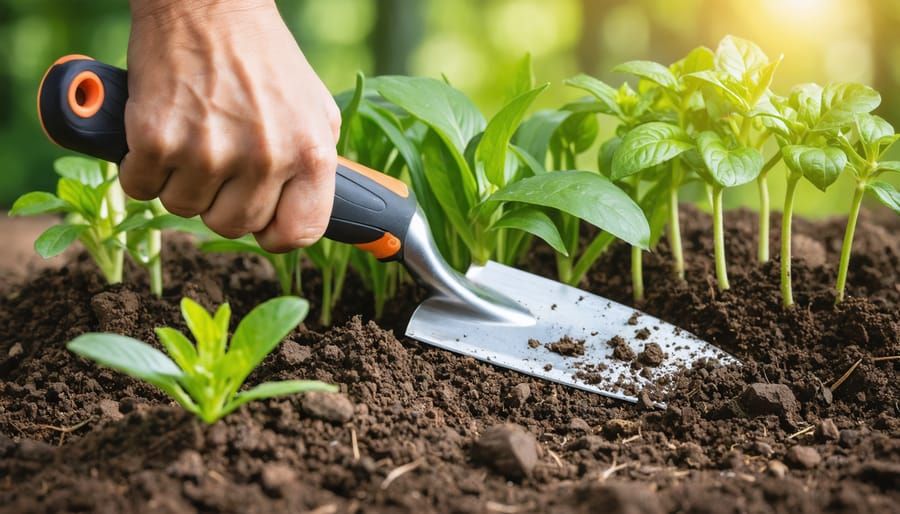
Every gardener knows that a good hand trowel is essential for healthy soil and thriving plants. But beyond just using it well, proper maintenance ensures your trowel will serve you for years. This guide explores the best practices for keeping your sustainable garden hand trowel in top condition.
Gardening isn’t just about planting seeds and watering plants—it’s about building a relationship with your tools too. Your hand trowel is one of the most important implements in your garden arsenal, and when you choose a sustainable option, you’re investing in both environmental responsibility and long-term utility. The good news? With simple care routines, your trowel can remain sharp, sturdy, and ready for whatever your garden throws at it. Whether you’ve got a traditional wooden handle or a modern eco-friendly composite design, these tips will help extend its lifespan.
Understanding Your Sustainable Trowel Materials
Before diving into care routines, it helps to know what your trowel is made of. Many sustainable options feature recycled metals, reclaimed wood, or bio-based plastics. Some have bamboo handles, while others use recycled aluminum or steel. Understanding these materials helps you tailor your maintenance approach. For instance, wood handles may require periodic oiling, while metal blades need protection from rust. Knowing your trowel’s construction lets you avoid damaging it during cleaning or storage.
Cleaning and Sanitizing Your Trowel
Regular cleaning prevents dirt buildup and keeps your trowel performing well. After each use, scrape off excess soil with a brush or cloth. Then, wash it gently with mild soap and water. For stubborn residue, a soft brush works wonders. Always dry thoroughly afterward to prevent rust. Some gardeners swear by a quick dip in a vinegar solution for sanitization, especially if they’re growing food crops. Just remember to rinse well and dry completely before storing.
Preventing Rust and Corrosion
Rust is the enemy of any metal tool, and trowels are no exception. To keep yours in prime condition, apply a thin layer of oil after cleaning. This creates a protective barrier against moisture. If rust does appear, don’t panic. Light surface rust can often be removed with fine sandpaper or a wire brush. For deeper corrosion, consider professional sharpening or replacement of the blade. Regular inspection helps catch issues early, saving you time and money.
Proper Storage Techniques
Where you store your trowel matters just as much as how you clean it. Keep it in a dry location away from moisture and extreme temperatures. A tool rack, wall mount, or drawer with a towel inside can work well. Some gardeners prefer hanging their trowels to prevent damage to the blade. Never leave it sitting in wet soil or puddles. If you’re storing it for extended periods, consider wrapping it in a breathable cloth or placing it in a tool box with silica gel packets to absorb moisture.
Sharpening and Maintenance Tips
A sharp trowel makes all the difference in the world. Dull blades mean more effort and less precise work. Use a whetstone or sharpening steel regularly to maintain the edge. Some gardeners prefer to take their trowels to a local blacksmith for professional sharpening. Check the blade for cracks or chips periodically. If you notice any damage, replace the blade or the entire tool rather than risking injury or poor performance. Keeping a small sharpening kit handy makes maintenance easier.
Extending Lifespan Through Usage Habits
How you use your trowel affects how long it lasts. Avoid using it as a pry tool or for heavy-duty tasks it wasn’t designed for. Let the soil tell you where it’s hard to dig. Sometimes, a gentle approach works better than brute force. Consider using a larger implement like a digging fork for tough spots. Rotate between different tools to distribute wear evenly. Also, don’t forget to inspect your trowel before each use. Quick checks help you spot problems before they become major issues.
Taking care of your sustainable garden hand trowel isn’t just about preserving a tool—it’s about honoring the commitment you make to environmentally responsible gardening. When you invest time in maintaining your trowel, you’re investing in years of reliable service. From choosing the right materials to following simple cleaning routines, every step contributes to longevity. Your garden will thank you, and so will future gardeners who might inherit your well-loved tool. Remember, a little attention now prevents big headaches later. So give your trowel the care it deserves, and watch it continue to serve you through many seasons of growth and harvest.