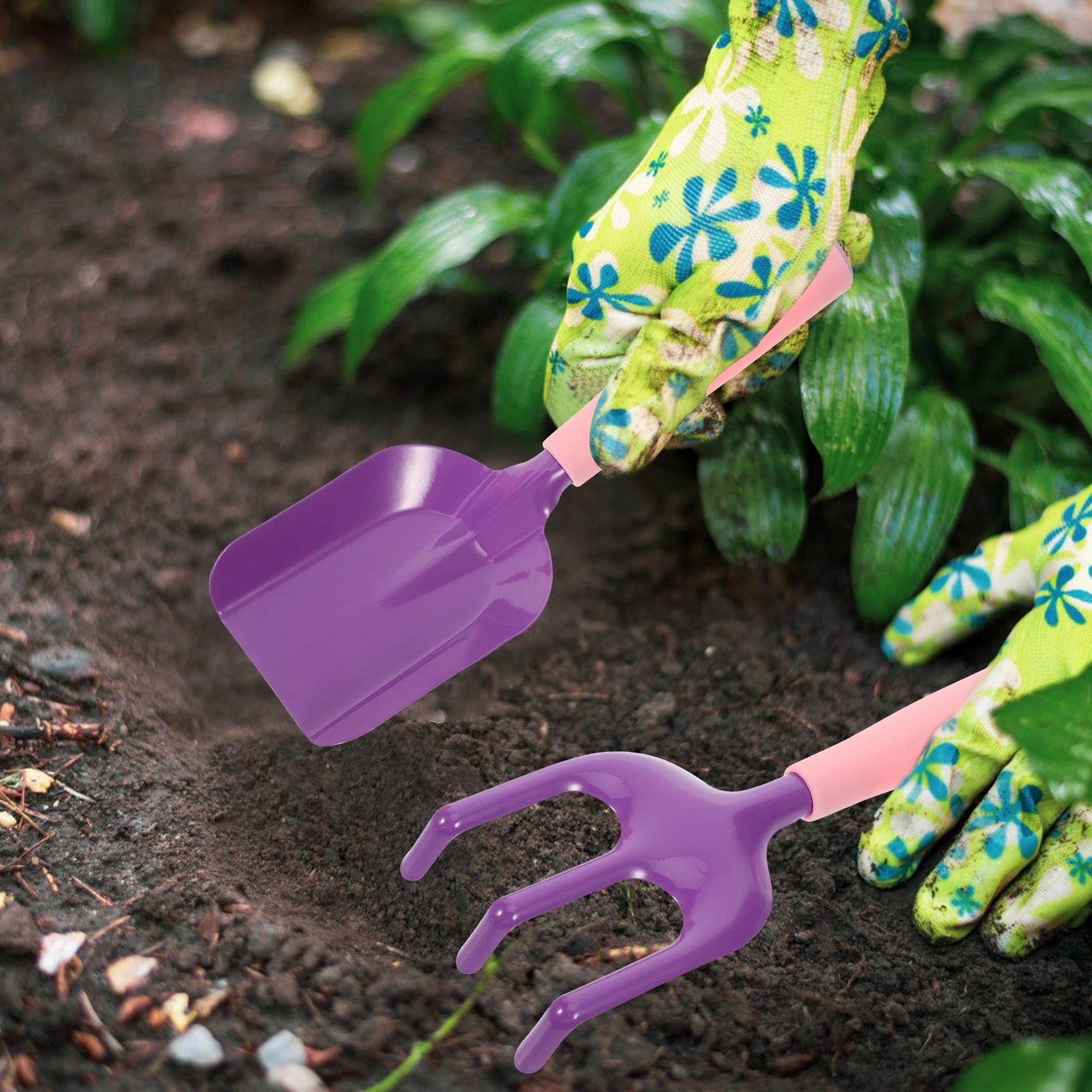
There’s something magical about watching a child’s face light up when they discover a seed sprouting in their very own garden. But what happens when that same child learns that the tools they used to plant those seeds were made with care for the planet? That’s when we see the beginning of true environmental stewardship.
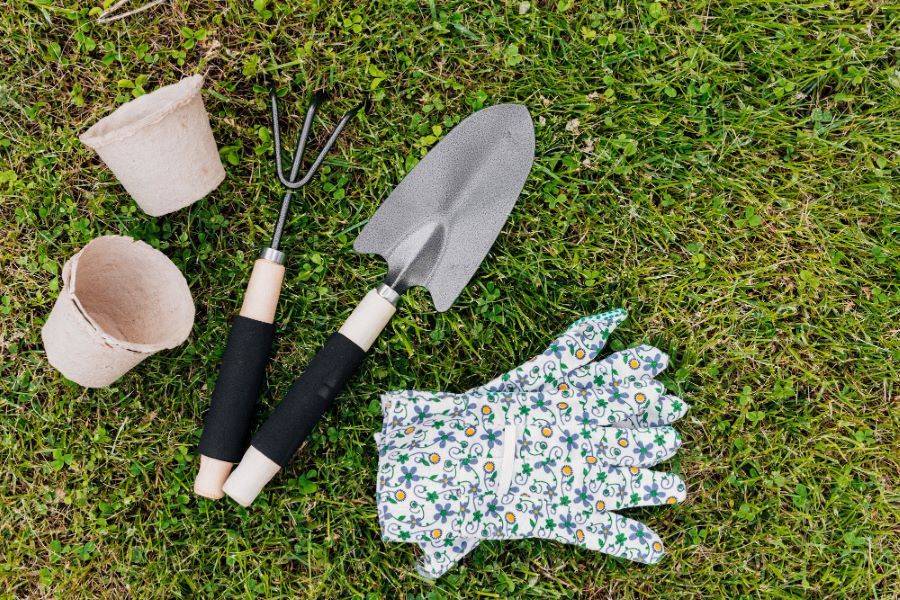
Teaching kids about caring for our planet shouldn’t feel like a chore or a lecture. Sometimes, the most powerful lessons come from hands-on experiences that connect children directly with nature. When little hands hold a wooden trowel or push a bamboo hoe through soil, they’re not just learning to grow plants – they’re learning to respect the earth itself. The tools we choose for children’s gardens say a lot about our values and what we want to pass on to the next generation. Sustainable garden tools offer more than just functionality; they become teaching moments that spark curiosity and responsibility in young minds.
The Foundation of Green Learning
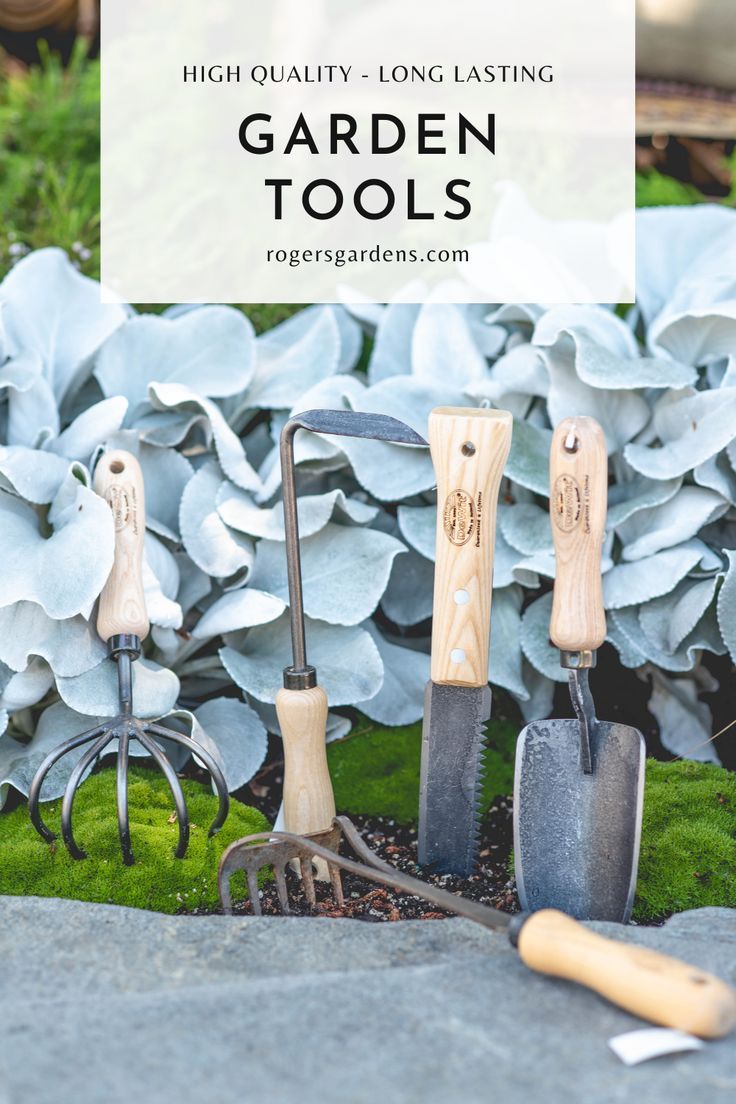
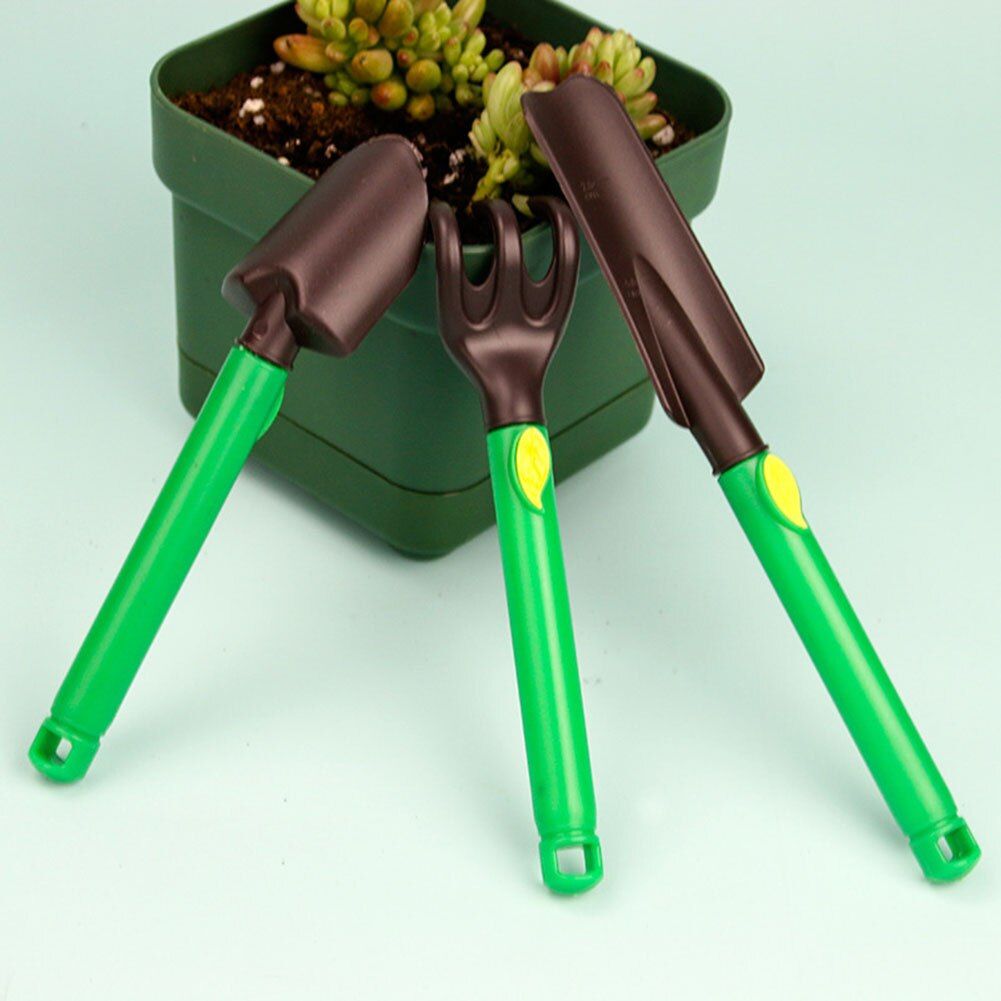
When children engage with garden tools made from sustainable materials, they begin to understand that everything has a purpose and a lifecycle. A wooden hand rake isn’t just a tool – it’s a reminder that trees can be used thoughtfully rather than discarded. Consider how different materials impact the environment. Plastic tools may seem convenient, but they’re often made from petroleum products that contribute to pollution. On the other hand, bamboo tools are naturally renewable and biodegradable. This simple comparison opens up conversations about choices we make every day. What do our daily decisions say about our relationship with the earth?
Hands-On Lessons in Sustainability
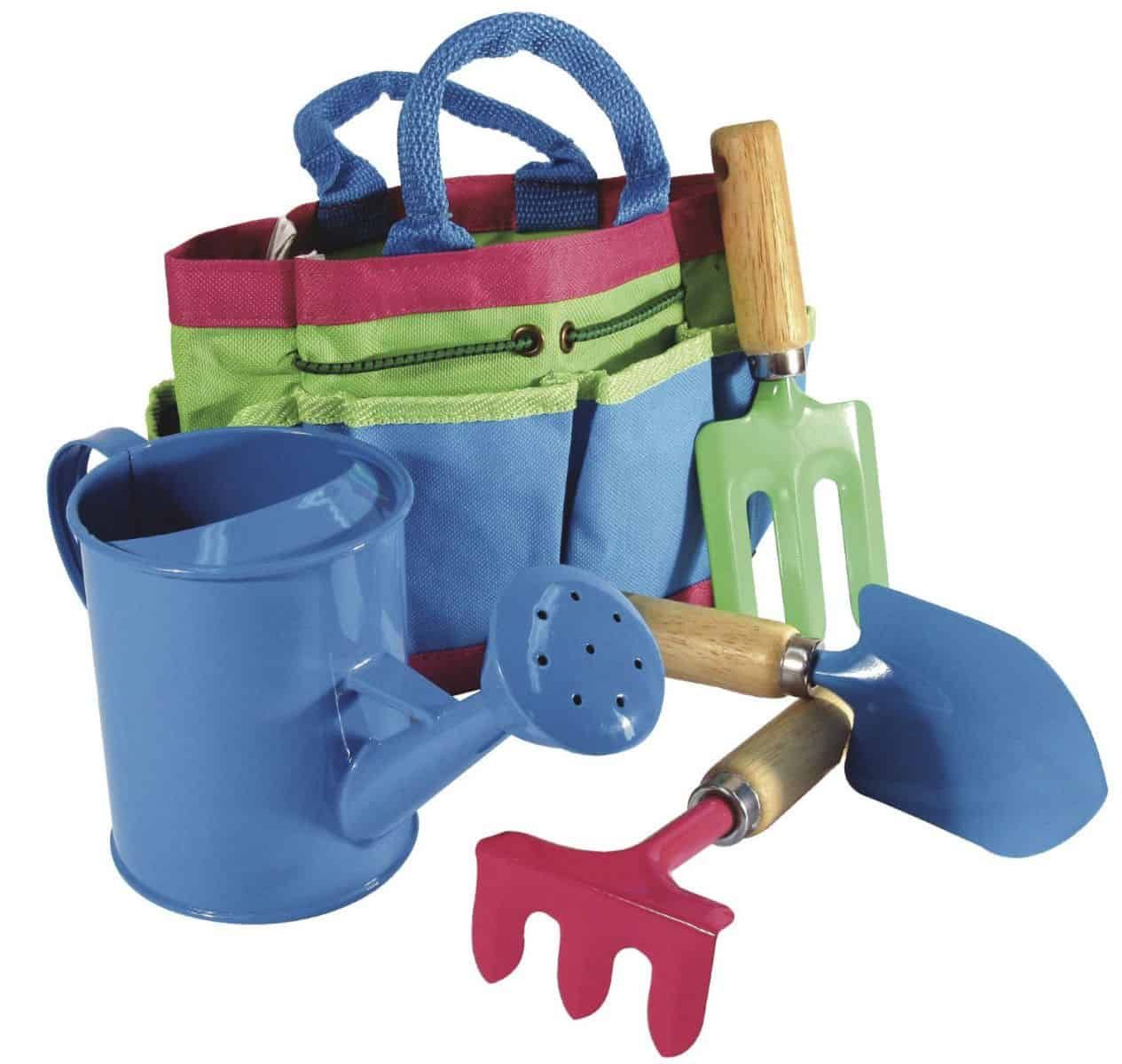
Children learn best when they can touch, feel, and interact with their environment. Sustainable garden tools provide exactly that opportunity. When a child holds a metal tool that’s been recycled from old farm equipment, they start to think about what happens to things after they’ve served their original purpose. These tools become tangible representations of the concept of reuse and repurpose. Think about the difference between a plastic watering can that might break and need replacing, versus a metal one that can last for decades with proper care. The durability of sustainable tools teaches kids about longevity and reducing waste. It’s not just about growing vegetables – it’s about growing wisdom.
Building Connection Through Craftsmanship
Sustainable garden tools often tell stories of craftsmanship and tradition. Many are handmade by artisans who take pride in their work and care for their materials. When children see a handcrafted wooden hoe or a tool made from reclaimed materials, they understand that quality matters. This connection to craftsmanship helps them appreciate the effort that goes into creating things properly. The process of using these tools becomes a ritual – something that requires attention and respect. It’s like learning to cook with ingredients that have been carefully selected and prepared. Every time a child uses a sustainable tool, they’re participating in a tradition of mindful creation.
Practical Examples in Action
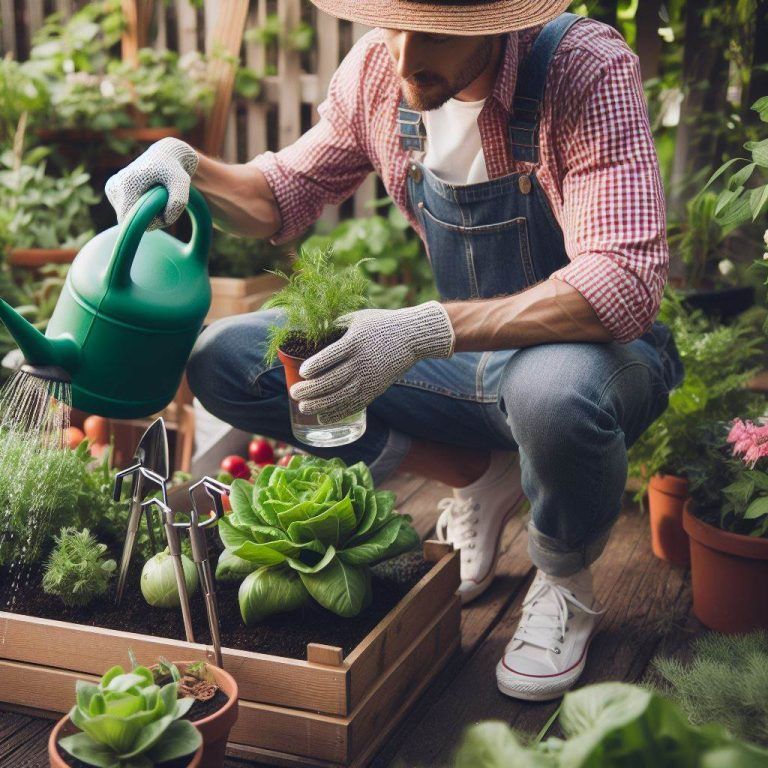
Let’s look at some real-world examples of how sustainable tools create learning opportunities. A child using a compostable bamboo seed starter tray learns about decomposition and nutrient cycling. When they water their plants with a rainwater collection system and sustainable hose, they understand water conservation. Even the act of choosing organic fertilizer instead of chemical alternatives teaches about soil health and ecosystem balance. These aren’t just gardening activities – they’re life skills. Consider a school garden program where students use recycled containers for seedlings and build their own raised beds from reclaimed wood. The lessons learned extend far beyond the garden gates.
Long-Term Impact on Environmental Values
The influence of sustainable garden tools extends well beyond childhood. Children who grow up with these experiences develop lasting attitudes toward consumption and environmental care. They begin to notice when something is made poorly or when materials are wasted. They ask questions about where things come from and what happens to them afterward. These early experiences shape their future choices – whether they’re buying products, choosing transportation methods, or simply deciding what to do with old items. Research shows that children who participate in environmental education programs show higher levels of pro-environmental behavior as adults. The garden becomes a laboratory for life’s most important lessons.
Making the Transition Easier
Changing to sustainable garden tools doesn’t have to be overwhelming or expensive. Start small with one or two key items – perhaps a wooden hand trowel or a bamboo hoe. Look for local artisans or community programs that sell sustainable tools. Many organizations offer tool libraries where families can borrow equipment for gardening projects. Consider making your own tools from natural materials or repurposing items you already have. The goal isn’t perfection but progress. Every sustainable choice makes a difference, even if it’s just one small step toward bigger changes. Remember, the most important thing is starting the conversation and showing children that caring for the environment is something they can actively do.
Teaching children environmental stewardship through sustainable garden tools isn’t just about growing better plants – it’s about growing better citizens of the world. Every time a child uses a tool made from renewable materials, they’re learning about responsibility and respect. They’re understanding that their actions have consequences and that small choices can lead to big impacts. As we watch our children tend to their gardens, we’re witnessing the planting of values that will grow stronger with time. The garden becomes a classroom, and every tool in it carries a lesson about how to care for our shared home. Whether it’s a simple wooden rake or a complex composting system, each sustainable tool contributes to a larger story of environmental consciousness that begins in the soil and grows in the hearts of young learners.