When you think about misting systems for plants, you might picture simple water sprayers. But there’s actually a whole scientific world happening behind those fine droplets. These systems aren’t just about giving plants a quick drink – they’re about creating the perfect microclimate that plants crave. Think of it like giving your plants a spa treatment, but one that’s backed by solid science.
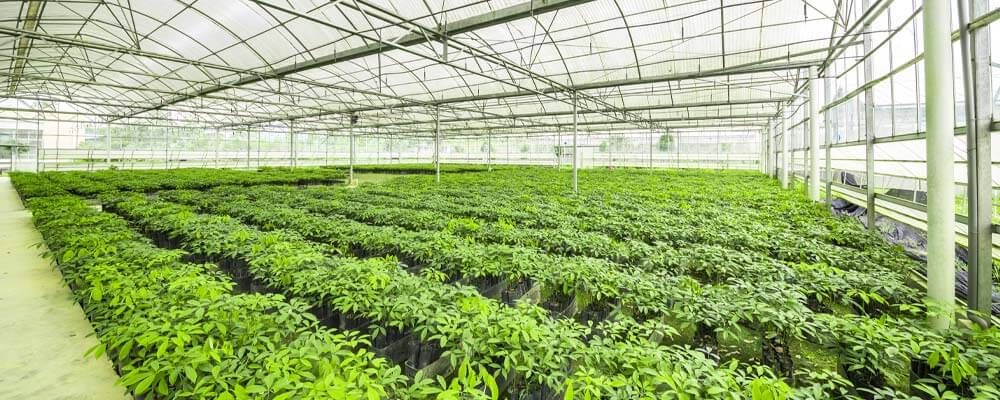
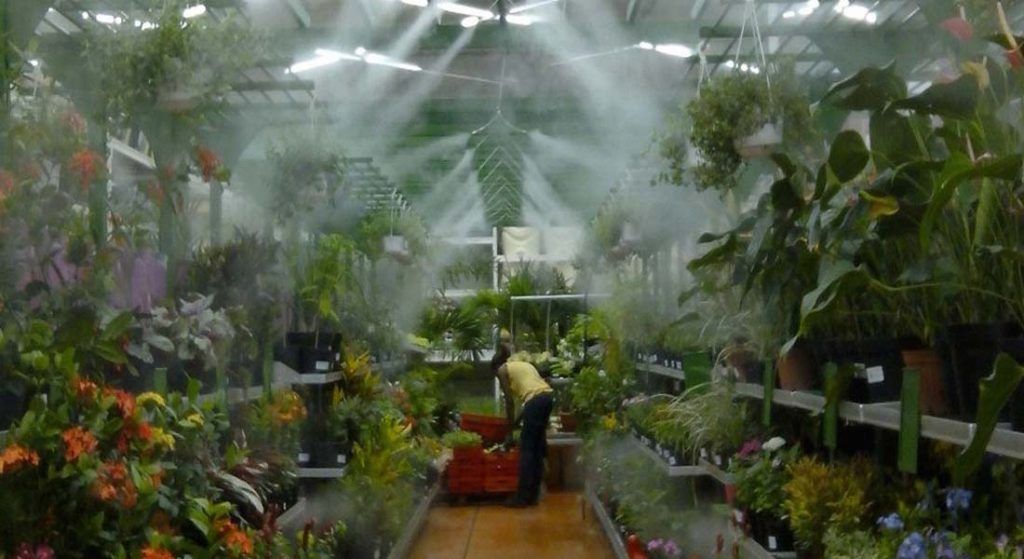
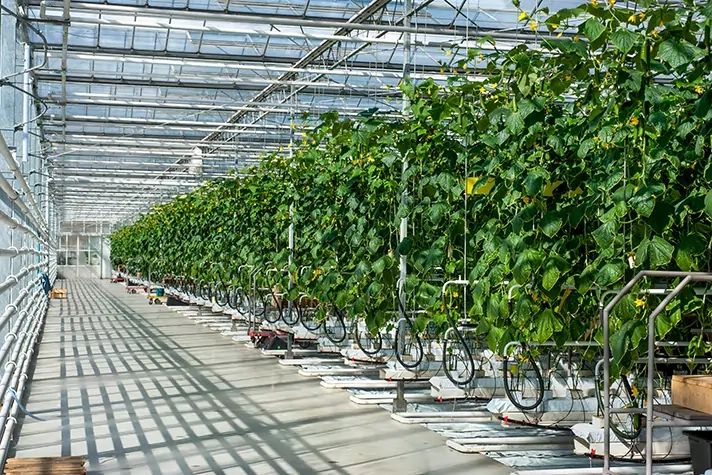
Picture this: You’re standing in a greenhouse, surrounded by lush vegetation. The air feels different here – more humid, more alive. That’s because someone has carefully crafted the environment to support plant growth. One often-overlooked player in this carefully orchestrated ecosystem is the humble misting system. These little marvels work behind the scenes to create conditions that make plants flourish. But what exactly happens when those tiny droplets hit plant leaves? What makes them so special compared to regular watering methods? Let’s dive into the fascinating science of how misting systems really impact plant health in controlled environments.
Understanding the Basics of Plant Hydration
Plants are essentially water machines, but they don’t drink like we do. They absorb water through their roots and leaves. When you mist plants, you’re providing water directly to the leaf surfaces, which can be particularly effective during hot weather. The process works differently than root watering. Instead of waiting for water to travel through the plant’s vascular system, misting provides immediate hydration at the leaf level. This is especially important in controlled environments where humidity levels can fluctuate dramatically. The leaf surface acts as a sort of sponge, absorbing moisture that helps plants regulate their internal temperature and continue photosynthesis efficiently. Think of it like giving your plant a refreshing mist instead of just pouring water at its feet.
The Role of Humidity in Plant Health
Humidity is one of those factors that most gardeners don’t fully appreciate until they see the results. In controlled environments, maintaining proper humidity levels becomes crucial for plant health. Misting systems help create that ideal atmosphere. When you mist, you’re not just adding water – you’re adding vapor that raises the relative humidity around the plants. This matters more than you might think. Many houseplants and greenhouse crops thrive in 60-80% humidity. Without adequate humidity, plants can experience stress, leading to brown leaf edges, wilting, and poor growth. The science shows that higher humidity levels help plants maintain better turgor pressure, which keeps them upright and healthy. It’s like giving your plants a comfortable room temperature rather than letting them deal with extreme dryness or dampness.
Temperature Regulation Through Misting
Here’s where things get really interesting. Misting isn’t just about water – it’s about cooling. When water evaporates from leaf surfaces, it creates a cooling effect. This is the same principle that makes you feel cooler when you step out of a shower. In controlled environments, especially during heat waves or when lights are running continuously, plants can overheat quickly. The misting system acts as a natural air conditioner, dropping temperatures by several degrees. This cooling effect is particularly beneficial for young seedlings or delicate plants that can’t handle high heat. Research has shown that plants under misting systems can maintain healthier internal temperatures even when external conditions become challenging. It’s like having a built-in air conditioning system for your plants, right at their leaf level.
Nutrient Absorption Enhancement
One of the surprising benefits of misting systems is how they can improve nutrient uptake. When you spray nutrients directly onto leaves, you’re bypassing the root system temporarily. This method, called foliar feeding, allows plants to absorb nutrients more quickly than through roots alone. The fine mist creates an ideal surface area for nutrient absorption. Plants have tiny pores on their leaves called stomata, and these can absorb liquid nutrients effectively when they’re properly applied. This is why many professional growers use misting systems not just for watering, but for delivering fertilizers and supplements. It’s faster, more efficient, and can provide nutrients exactly where they’re needed. The science shows that foliar feeding can increase nutrient uptake rates by up to 40% compared to root application alone.
Disease Prevention Through Proper Misting
Believe it or not, the way you mist plants can actually prevent diseases. Overwatering is a common problem that leads to fungal issues and root rot. But when you mist correctly, you’re not drowning plants – you’re giving them just enough moisture. The key is timing and technique. Misting during cooler parts of the day allows water to evaporate before nightfall, reducing the risk of fungal spores taking hold. Good misting systems distribute water evenly without creating puddles or wet spots that encourage disease. Many growers notice fewer pest problems when using proper misting techniques. It’s not just about watering – it’s about creating an environment that naturally resists harmful organisms. Plants that receive consistent, gentle misting tend to develop stronger immune systems and better resistance to common pathogens.
Optimizing Misting Systems for Maximum Benefits
Not all misting systems are created equal. The size of the droplets, frequency of misting, and timing all matter. Fine mist systems work best for most indoor plants, while coarser mist might be better for outdoor applications. The frequency depends on the plant type and environmental conditions. Some plants need daily misting, while others prefer less frequent attention. Timing is critical too – misting during early morning hours is generally best. The system should be designed to avoid water pooling, which can lead to mold and bacteria growth. Consider using filtered water to avoid mineral buildup on leaves. Regular cleaning of misting nozzles prevents clogging and ensures even distribution. A well-designed system can save you time while maximizing plant health benefits. It’s all about finding that sweet spot between providing enough moisture and avoiding the problems that come with excess water.
Misting systems represent more than just a watering method – they’re sophisticated tools that can dramatically improve plant health in controlled environments. From temperature regulation to enhanced nutrient absorption, these systems tap into fundamental plant biology principles. Understanding how they work helps us appreciate why some plants thrive in certain conditions while others struggle. Whether you’re a seasoned grower or someone just starting out, the science behind misting offers practical benefits that translate directly into healthier, more vibrant plants. The next time you see a greenhouse filled with lush greenery, remember that behind those thriving plants, there’s likely a carefully calibrated misting system working quietly to create the perfect conditions for growth. It’s a reminder that sometimes the smallest interventions can make the biggest differences in plant health and success.