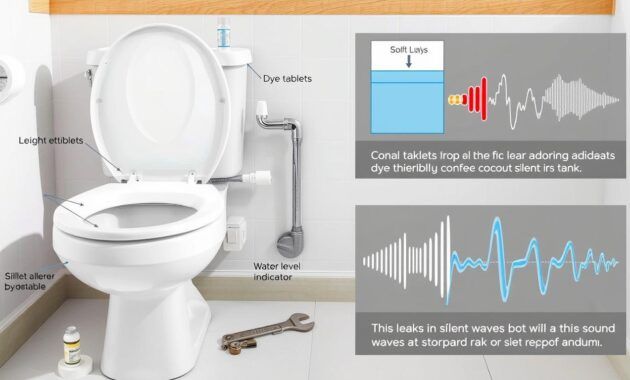
Have you noticed your water bill going up even though you haven’t changed your usage? It might be time to take a closer look at your toilet. A small leak can waste hundreds of gallons of water each month, adding up to significant costs over time. The good news is that most toilet problems can be fixed with simple tools and a bit of know-how. Let’s explore how you can tackle these issues yourself and save money while helping the environment.
Toilets are one of the largest water consumers in our homes, typically using between 1.6 to 7 gallons per flush depending on the model. When they start leaking, it’s not just about inconvenience – it’s about wasting precious resources and money. Many homeowners avoid fixing these issues because they think it requires professional help. But truthfully, most toilet problems are straightforward fixes that anyone can handle with basic tools and some patience. We’re going to walk through the most common types of toilet leaks, why they happen, and how to fix them without calling a plumber. Whether you’re dealing with a constant drip, a running toilet, or water seeping from the base, there are simple solutions waiting for you.
Understanding Common Toilet Leak Types
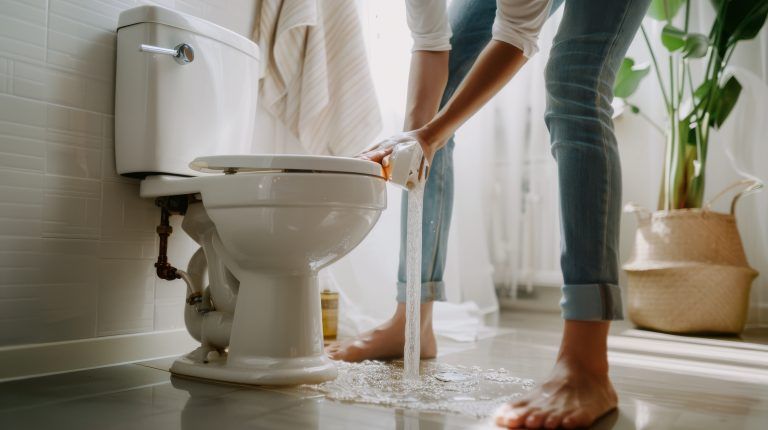
Toilet leaks come in many forms, but they usually fall into three main categories. The first type is a continuous leak from the tank into the bowl. This happens when the flapper valve doesn’t seal properly, allowing water to constantly drain. Another common issue is a slow leak around the base of the toilet where it meets the floor. These often occur due to worn-out wax rings or loose connections. The third type involves water running continuously from the overflow tube, which can be caused by a misadjusted float mechanism. Understanding what’s happening inside your toilet helps determine the right solution. For instance, if you hear constant dripping sounds, it’s probably the flapper. If water pools around the base, it’s likely a seal problem. Recognizing these signs early prevents bigger problems down the road.
The Flapper Valve Fix That Saves Big
The flapper valve is one of the most important components in your toilet tank. It sits at the bottom of the tank and controls water flow when you flush. Over time, this rubber piece gets worn out or develops mineral buildup that prevents it from sealing correctly. You’ll notice this when your toilet makes a constant hissing sound or runs non-stop after flushing. The fix is surprisingly simple. First, turn off the water supply and flush the toilet to drain most of the water. Then remove the old flapper and replace it with a new one that matches your toilet model. Make sure it hangs straight and seals properly when closed. A new flapper costs less than $10 and can save you hundreds of dollars in water bills annually. Some toilets have different types of flappers, so check your toilet manual or take a photo to the hardware store for matching parts.
Fixing the Base Leak with Wax Ring Magic
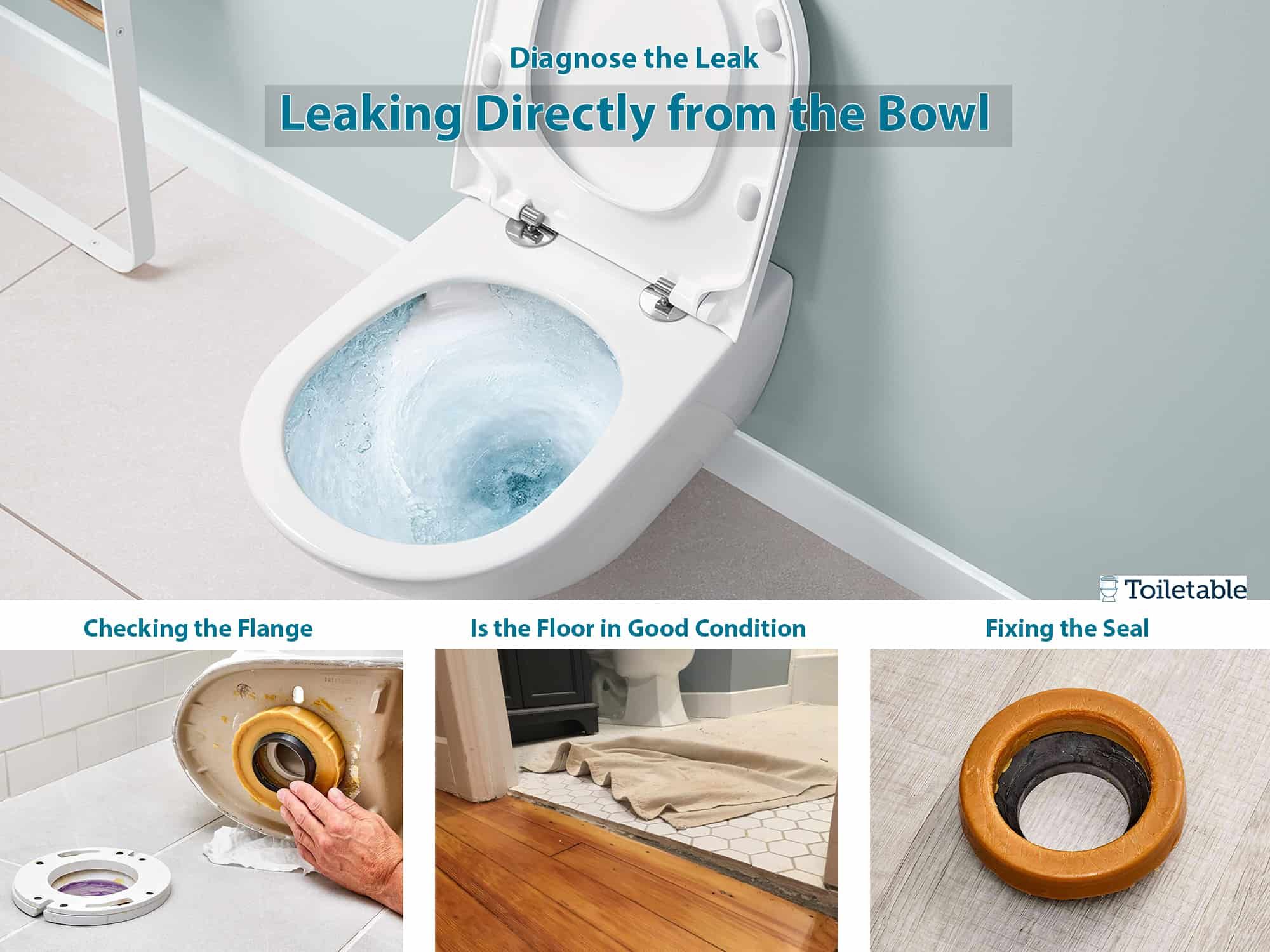
When water appears around the base of your toilet, it’s usually because the wax ring has failed. This ring sits between the toilet and the floor flange and creates a watertight seal. If it’s cracked, dried out, or improperly installed, water will seep out. Before starting, shut off the water supply and disconnect the toilet carefully. Remove the old wax ring and clean the area thoroughly. Install a new wax ring, making sure it’s centered properly. Reattach the toilet and tighten the bolts evenly to prevent cracking. This process requires a bit more work than other fixes, but it’s manageable for most DIYers. You might need a helper to lift the heavy toilet, especially if it’s an older model. Take your time and ensure everything is aligned correctly before tightening everything down.
Adjusting Float Mechanisms for Better Control
Float mechanisms control how much water fills your tank. When they’re set incorrectly or damaged, they can cause water to overflow into the overflow tube. This creates a constant running sound and wastes water. There are two main types of floats: ball floats and cup floats. Ball floats are usually found in older toilets and are shaped like a large sphere. Cup floats are more modern and sit inside a cylinder. Adjusting either requires turning a screw or moving the float arm slightly. If the water keeps running after filling, move the float up slightly. If the water level is too low, move it down. Test the adjustment by flushing and checking the water level. Sometimes a simple tweak can solve a persistent problem. Regular maintenance of these mechanisms prevents unnecessary water waste.
Replacing Washers and Seals for Long-Term Solutions
Sometimes the problem lies in small parts like washers or seals that get old and brittle. These tiny components might be located behind the toilet tank or near the water inlet. When a washer wears out, it can cause a slow drip or intermittent leak. Replacing washers is a bit more technical but very rewarding. Start by shutting off the water and removing the tank lid. Locate the valve stem and unscrew the nut holding the washer. Replace it with an exact match from a hardware store. Be careful not to overtighten during reassembly. These parts are inexpensive and last several years. However, don’t forget to check other seals like those around the fill valve and the toilet seat. A comprehensive approach ensures lasting results rather than temporary fixes.
Cost-Saving Tips and Prevention Strategies
Beyond fixing immediate problems, there are smart ways to prevent future leaks. Regular checks every few months can catch issues early before they become expensive repairs. Keep a small toolkit handy including pliers, a screwdriver set, and replacement parts. Also, consider upgrading to low-flow toilets which use significantly less water per flush. Modern models can reduce water consumption by up to 60% compared to older versions. Installing a water meter can help track your usage and spot unusual spikes that might indicate hidden leaks. Finally, don’t ignore minor drips – they often escalate into major problems if left alone. Small investments in prevention pay dividends in lower bills and fewer emergency calls to plumbers.
Dealing with toilet leaks doesn’t have to break the bank or stress you out. Most issues stem from simple mechanical problems that can be resolved with a little knowledge and effort. From replacing a worn flapper to adjusting a float mechanism, these fixes offer real savings on your monthly water bills. Remember, prevention works better than cure, so regular maintenance and quick responses to small problems keep your toilet running efficiently. You don’t need to be a plumbing expert to save money and conserve water. By taking charge of these simple repairs yourself, you’re not only protecting your wallet but also contributing to environmental conservation. Every drop saved matters, and with these steps, you’re well on your way to becoming a toilet leak detective.