Gardening isn’t just about planting seeds and watching them grow. It’s about understanding the invisible world beneath our feet. The soil that feeds our plants holds secrets that can make or break a garden’s success. But here’s the thing – we’ve been using soil testing methods that aren’t always kind to our planet. What if we could test our soil while keeping our earth healthy too? That’s exactly what eco-friendly soil testing equipment promises to deliver.
Every gardener knows that healthy soil equals healthy plants. But how do you know if your soil has what it needs to support thriving vegetation? Traditional soil testing methods have often meant sending samples to labs or using chemical-based tests that might harm the very ecosystem you’re trying to nurture. The good news? We now have options that work hand-in-hand with nature rather than against it. These eco-friendly soil testing tools let you understand your garden’s health without compromising its future. Whether you’re a beginner with a small windowsill herb garden or a seasoned pro managing acres of crops, finding the right sustainable soil testing equipment can transform how you approach gardening.
Why Eco-Friendly Soil Testing Matters
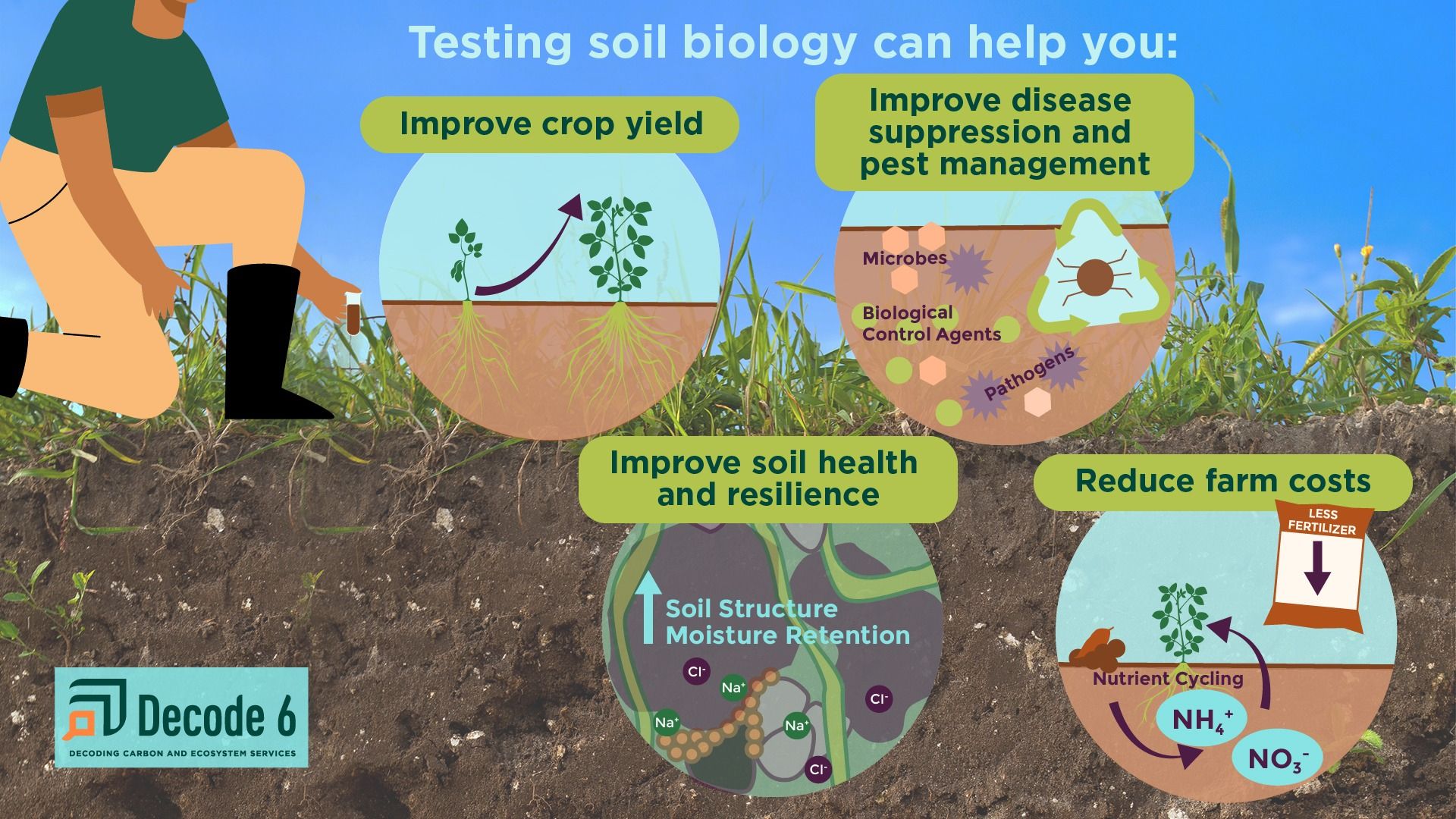
Think about it – when you’re growing food or flowers, you want to know what’s really happening in the dirt beneath your plants. But many traditional testing methods involve chemicals that can seep into groundwater or harm beneficial microbes. These microscopic helpers are crucial for nutrient cycling and plant health. When we choose eco-friendly alternatives, we’re not just testing our soil – we’re protecting the entire ecosystem that supports plant life. The soil microbiome is like a bustling city underground, filled with bacteria, fungi, and tiny creatures that help plants absorb nutrients. Using sustainable testing tools means we can monitor our soil’s health without disrupting this delicate balance. Imagine being able to tell if your soil has enough nitrogen, phosphorus, or potassium without adding synthetic compounds that might upset the natural harmony. That’s the power of green soil testing.
Understanding Soil Health Basics
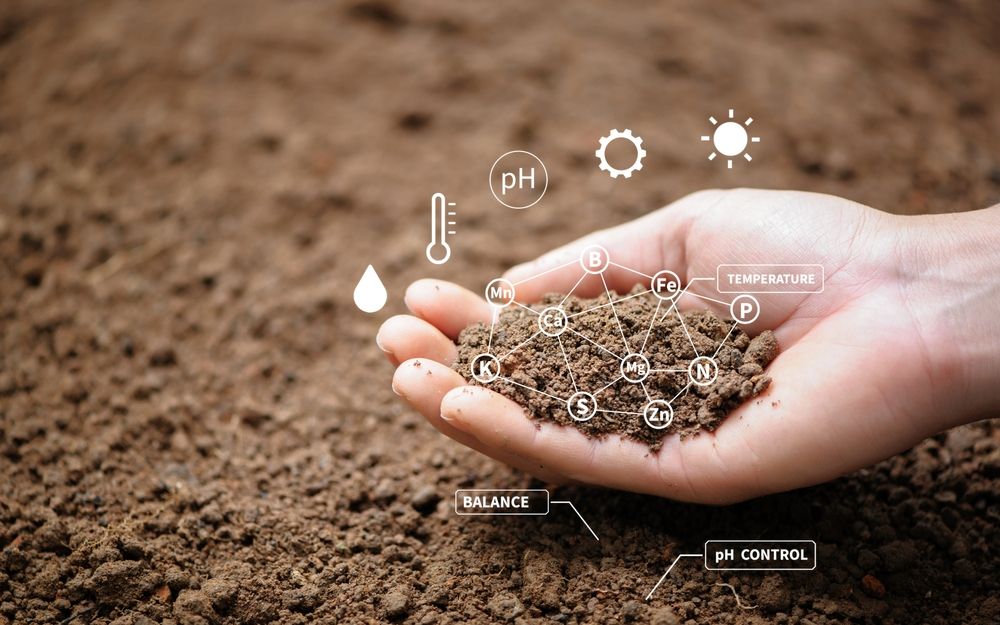
Before diving into specific equipment, it helps to know what we’re actually testing for. Soil health involves several key factors: pH levels, nutrient content, organic matter, and water retention capacity. A balanced soil pH typically ranges between 6.0 and 7.5 for most plants, though some prefer more acidic or alkaline conditions. Nutrient deficiencies can stunt growth or cause leaves to turn yellow. Organic matter improves soil structure and water-holding capacity. Water retention is crucial because plants need consistent moisture without sitting in soggy conditions. You might wonder why all these elements matter so much. Well, think of soil as the foundation of your garden. If that foundation isn’t solid, your plants will struggle regardless of how much sunlight they get. Testing regularly helps catch problems before they become visible issues.
Types of Eco-Friendly Soil Test Kits Available
The market for sustainable soil testing has expanded dramatically. Digital soil meters are becoming increasingly popular because they provide quick, accurate readings without requiring lab analysis. These handheld devices measure pH, electrical conductivity, and sometimes even moisture levels. They’re powered by rechargeable batteries and made from recycled materials. Another option is simple pH testing strips that change color based on soil acidity. These are biodegradable and leave no chemical residue. Some newer kits include soil texture testers that help determine if your soil is clay-heavy, sandy, or somewhere in between. The key advantage of these tools is their minimal environmental impact. Many companies now offer refillable containers instead of single-use plastic packaging. You’ll find these products in various price ranges, from budget-friendly options to premium models with advanced features.
Key Features to Look For in Sustainable Soil Testers
When shopping for eco-friendly soil testing equipment, focus on a few essential characteristics. First, look for devices with minimal packaging and recyclable components. Second, consider battery life and whether rechargeable options are available. Third, check if the manufacturer uses sustainable production methods. Fourth, verify that the device comes with clear instructions and educational resources about soil health. Many modern testers offer app connectivity, allowing you to track your soil’s changes over time. This digital aspect can help you spot trends and make informed decisions about fertilizing or amending your soil. Some units even suggest specific organic amendments based on your readings. These features help you make better gardening choices while reducing waste. Think about what matters most to your gardening style and goals.
Budget Considerations and Value for Money
Eco-friendly soil testing equipment varies widely in price, but the investment often pays off in the long run. Basic pH testers start around $20, while more advanced digital meters can cost $100 or more. However, consider what you’re getting for your money. A high-quality tester will give you reliable results for years, potentially saving you from over-fertilizing or under-watering your plants. You might find that investing in a better device reduces the need for expensive soil amendments later. Some people prefer to start with a basic kit and upgrade as they learn more about their soil’s specific needs. Others find that one good investment covers multiple gardens or family members. The most important thing is choosing something that fits your lifestyle and gardening ambitions. Quality tools tend to last longer and provide more accurate readings than cheaper alternatives.
Maintenance and Longevity of Green Testing Tools
Like any garden tool, soil testing equipment needs proper care to function well over time. Most digital meters require periodic calibration to ensure accuracy. Keep them clean and dry when not in use, and store them properly to avoid damage. Check manufacturer recommendations for maintenance schedules. Many eco-friendly testers come with warranties or customer support programs. Regular maintenance extends the life of your equipment and ensures consistent results. Consider joining online gardening communities where users share tips about caring for their soil testers. Some people keep spare batteries or replacement parts on hand. The sustainability benefits of these tools increase when they remain functional for many seasons. Investing in quality maintenance practices makes your purchase even more worthwhile.
Choosing the right eco-friendly soil testing equipment is more than just a gardening choice – it’s a commitment to environmental stewardship. By understanding what to look for and how to use these tools effectively, you’re making decisions that benefit both your garden and the planet. Whether you’re testing soil for a small container garden or a large landscape project, there are sustainable options that can help you succeed. The key is finding equipment that matches your needs, budget, and values. Remember that good soil health starts with knowing your soil’s story. With the right eco-conscious tools, you can listen to what your garden is telling you without adding harmful substances to the earth. The future of gardening is sustainable, and starting with smart soil testing is one of the best steps you can take toward that future. So grab your eco-friendly tester, dig in, and discover what makes your garden tick – naturally.