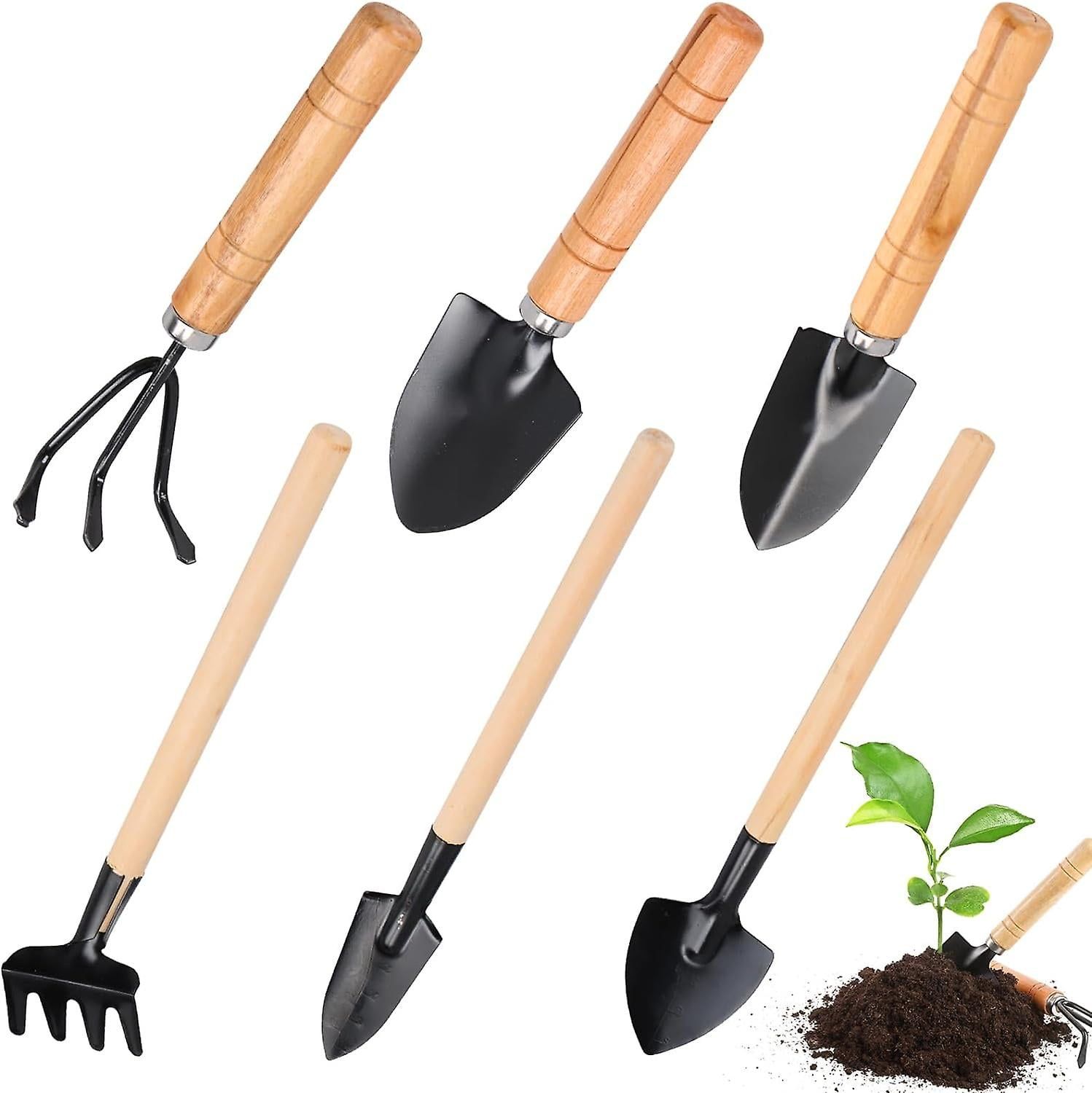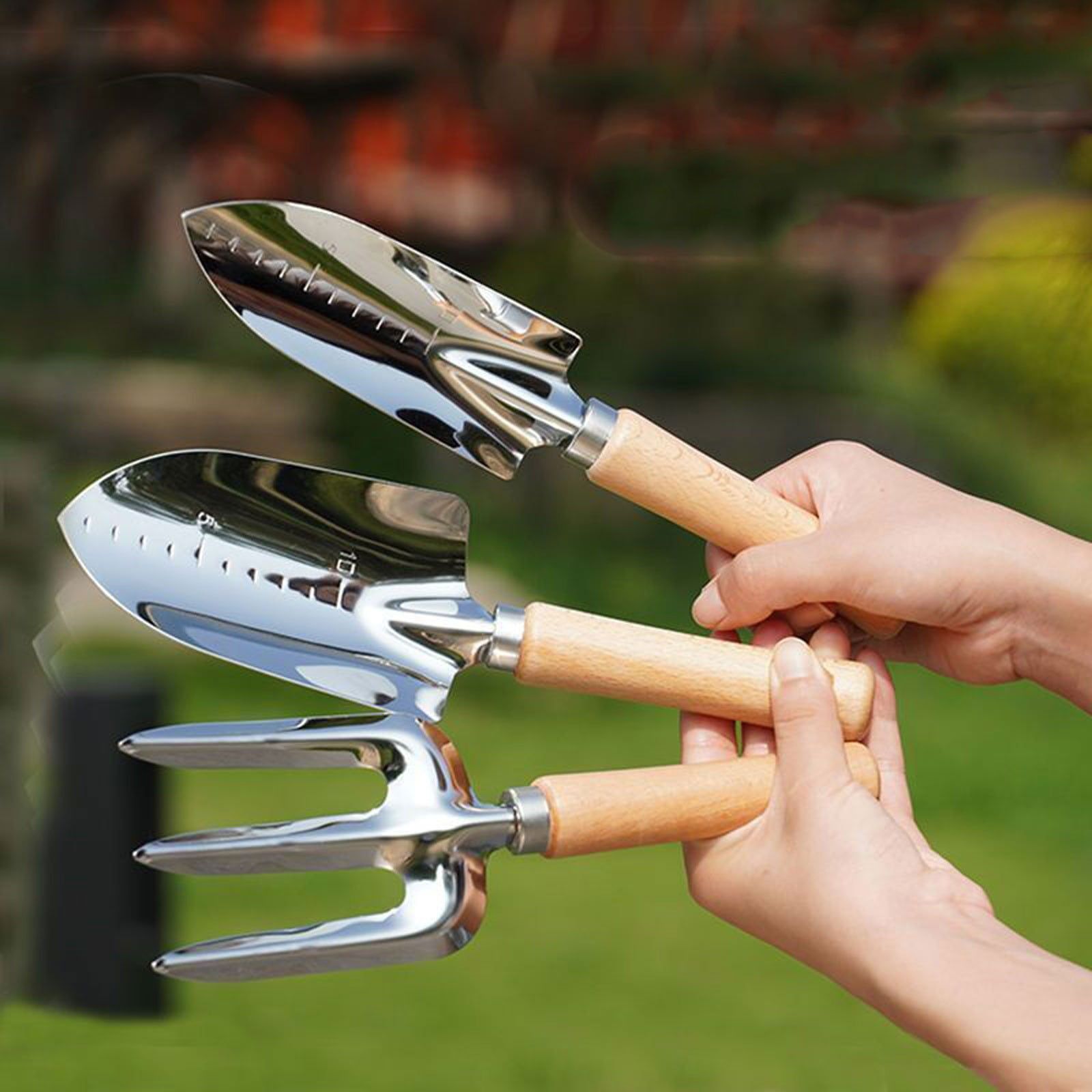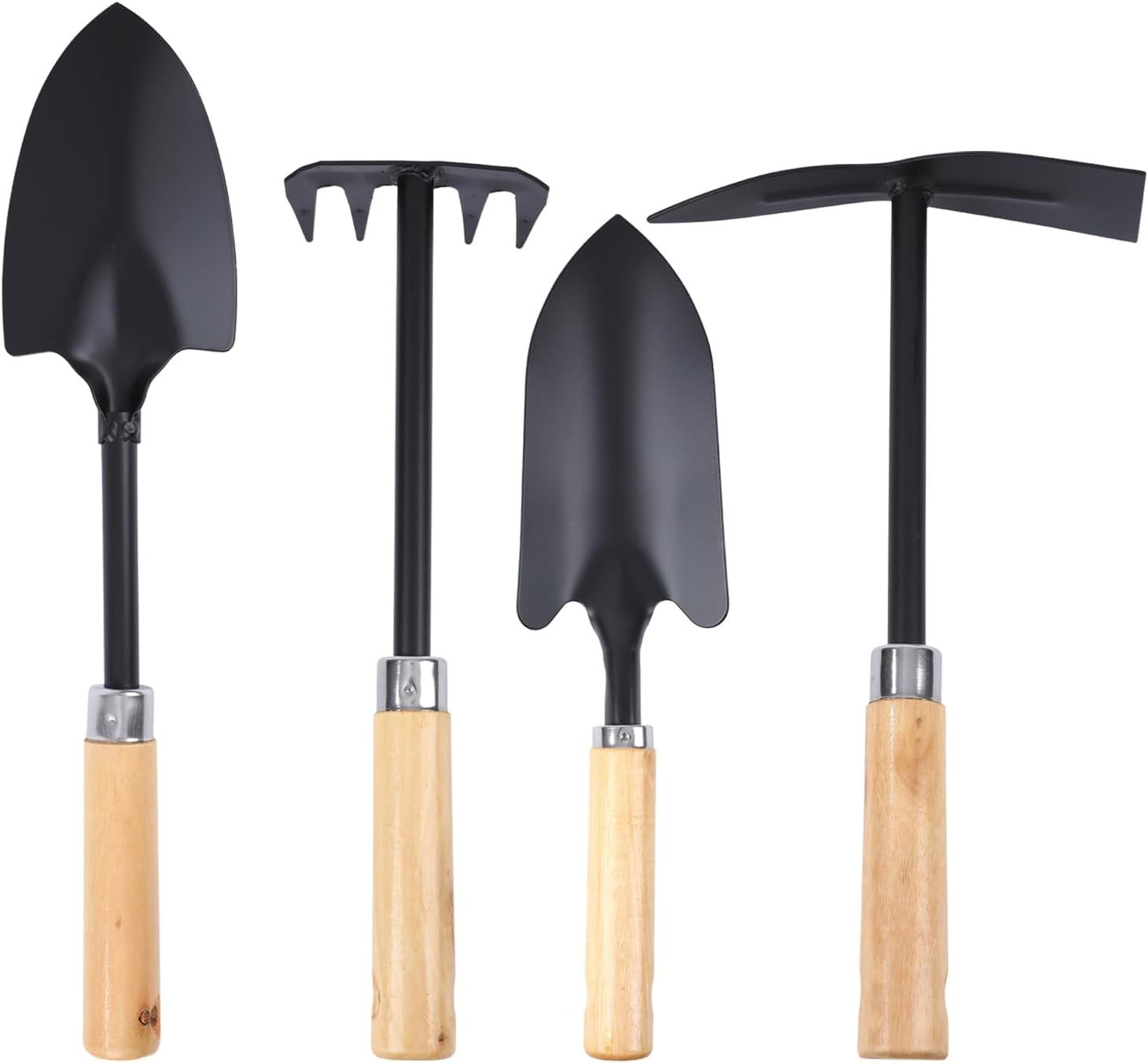
There’s something deeply satisfying about holding a tool that feels like it belongs in nature itself. The smooth grain of wood beneath your fingers, the weight that seems to match your grip perfectly, and the way it absorbs vibrations rather than transmitting them back to your hands. These aren’t just nice-to-haves – they’re fundamental reasons why wooden handled gardening tools remain so popular today.
When you think about the tools that help us tend to our gardens, you might picture steel blades and plastic handles. But there’s a quieter revolution happening in the garden tool world – one that’s been going on for centuries. Wooden handles on gardening tools continue to draw gardeners in, even as modern materials promise convenience and durability. What is it about wood that makes it such a beloved choice? Is it nostalgia, or is there something more practical at work? The answer lies in a beautiful combination of history, craftsmanship, and human connection to the earth.
The Historical Roots of Wood in Garden Tools
Wood has been used in garden tools since the very beginning of agriculture. Ancient civilizations discovered early on that wood wasn’t just abundant – it was also incredibly practical. The Egyptians used wooden handles on their tools, as did the Greeks and Romans. This isn’t just tradition; it’s a testament to wood’s proven performance. When you hold a wooden-handled hoe or spade, you’re holding onto thousands of years of accumulated wisdom about what works best for working with soil.
Consider the practical advantages that wood offered in ancient times. It was readily available in most regions, easy to work with using basic tools, and could be shaped to fit the human hand naturally. Unlike metal, wood doesn’t conduct cold or heat, making it comfortable to handle even in extreme weather conditions. Many gardeners today find themselves drawn to this historical connection, feeling a sense of continuity with those who came before them.
The Comfort Factor That Metal Simply Can’t Match
Let’s talk about comfort, because this is where wooden handles really shine. When you’re digging, planting, or weeding for hours on end, the difference between a wooden and metal handle becomes immediately apparent. Wood acts as a natural shock absorber. Instead of feeling every jolt and vibration from your tools transmitted directly to your hands and wrists, wood gently absorbs these forces.
This is particularly important when dealing with heavy-duty tasks. A well-made wooden handle can reduce fatigue significantly compared to its plastic or metal counterparts. The grain pattern in wood creates a unique texture that many gardeners find more comfortable than smooth surfaces. It’s not just about aesthetics – it’s about how the tool feels in your hands during long gardening sessions. Many experienced gardeners swear by this comfort factor, especially when working with older tools that have been passed down through generations.
The Unique Properties of Different Woods
Not all woods are created equal when it comes to garden tools. Each type brings its own characteristics to the table. Oak stands out for its incredible strength and resistance to wear. It’s often used for handles that see heavy use, like those on heavy hoes or axes. Ash is prized for its flexibility, which makes it ideal for handles that need to bend slightly under stress without breaking. Maple offers a good balance of strength and workability, making it a popular choice for many garden implements.
Teak, though more expensive, is often considered the gold standard for outdoor tools due to its natural oils that resist moisture and decay. Cedar provides natural insect-repelling properties, while pine offers a lighter option that’s still quite durable. The choice of wood often depends on the intended use of the tool and the gardener’s personal preferences. Some gardeners even prefer to match the wood type to their regional climate, choosing woods that are native to their area.
Maintenance and Longevity: A Practical Advantage
One of the biggest misconceptions about wooden handles is that they require constant upkeep. In fact, they often prove more durable than their synthetic alternatives when properly maintained. A wooden handle that’s been properly seasoned and treated can last decades, sometimes even longer than tools with plastic or metal handles.
Regular maintenance involves simple things like keeping the wood dry, applying a light coat of oil periodically, and checking for signs of wear or damage. This care actually helps extend the life of the tool far beyond what you might expect. Unlike plastic handles that can crack or metal that can rust, wood ages gracefully. You’ll notice the patina that develops over time, adding character to both the tool and the user. This process of aging creates a unique bond between gardener and tool that’s hard to replicate with mass-produced alternatives.
The Connection Between Tool and Gardener
There’s something almost spiritual about the relationship between a gardener and their tools. When you use a wooden-handled tool, you’re not just wielding an implement – you’re engaging with a piece of natural history. The wood carries the memory of trees that grew for years, perhaps decades, before becoming part of your gardening routine. This connection goes beyond mere functionality.
Many gardeners describe a sense of harmony when using wooden tools. It’s as if the tool responds to your movements in a way that feels intuitive. The slight give in wood, the way it fits in your hand, the subtle changes in weight distribution – these all contribute to a more natural gardening experience. It’s not surprising that gardeners who’ve made the switch often speak of feeling more connected to their work and their environment. This emotional attachment is one of the strongest arguments for maintaining wooden handles in garden tools.
Modern Innovations Meets Traditional Wisdom
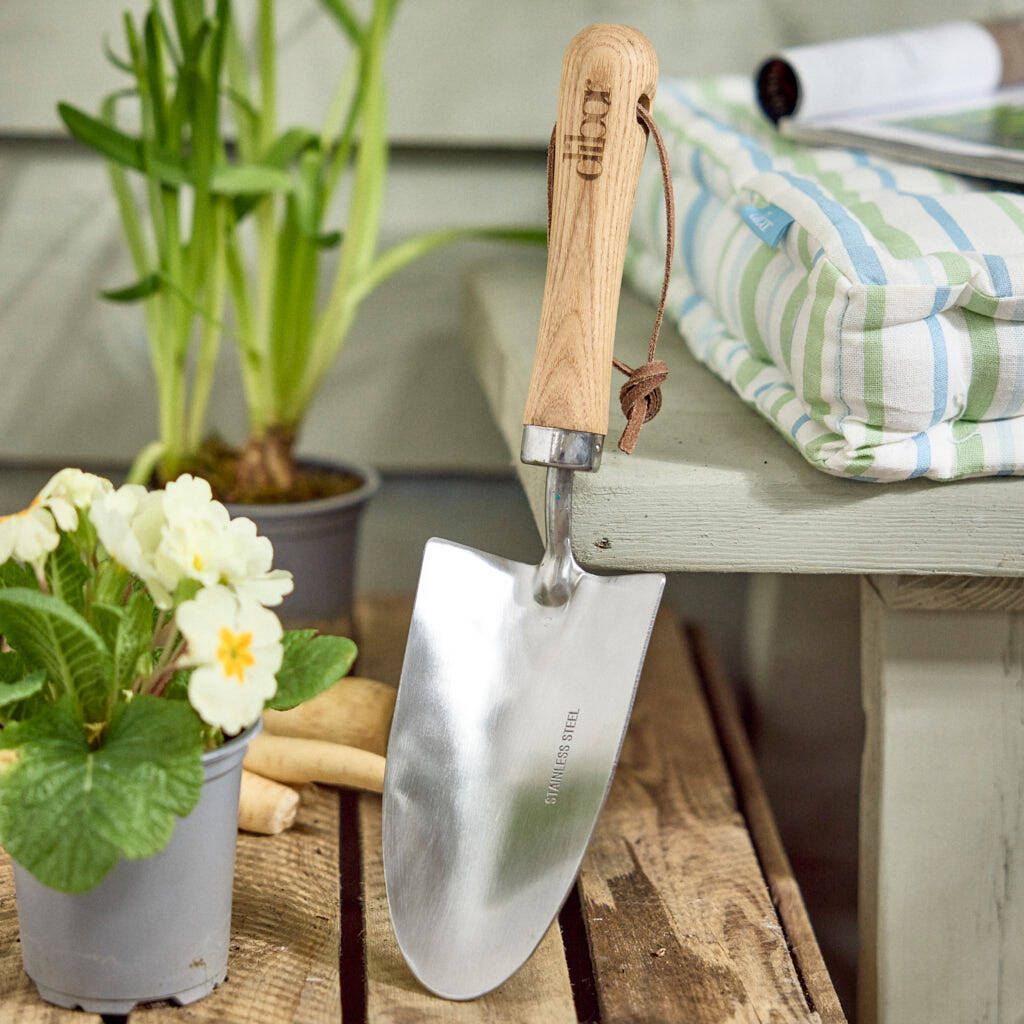
Today’s manufacturers are finding creative ways to combine traditional wooden handling with modern manufacturing techniques. Some companies now offer hybrid tools that feature wooden handles with stainless steel blades, creating the best of both worlds. Others are experimenting with new wood treatments that enhance durability while preserving the natural feel.
These innovations don’t diminish the appeal of traditional wooden handles – they actually enhance it. Modern gardeners appreciate that they can enjoy the benefits of wood without compromising on performance. The growing interest in sustainable practices has also helped boost the popularity of wooden tools, as consumers become more conscious about the environmental impact of their purchases. Whether it’s choosing locally-sourced wood or supporting small craftsmen, there’s a movement toward sustainable gardening tools that honor both tradition and modern needs.
The enduring popularity of wooden handled gardening tools speaks to something fundamental about human nature and our relationship with the natural world. These tools remind us that sometimes the simplest solutions are the most effective. They connect us to centuries of gardening wisdom while providing practical benefits that modern alternatives struggle to match. Whether you’re a seasoned gardener or someone just starting out, there’s something special about the feel of wood in your hands. It’s not just about the tool itself – it’s about the experience of working with something that respects both your physical needs and your connection to the earth. The next time you pick up a wooden-handled tool, take a moment to appreciate the centuries of knowledge and craftsmanship that went into creating it. You might just find yourself drawn to the timeless appeal of wood in ways you never expected.