In a world full of quick fixes and modern conveniences, there’s something deeply satisfying about using time-tested methods to keep our tools in tip-top shape. Traditional sharpening isn’t just about getting a blade to cut better – it’s about maintaining a connection to craftsmanship that’s been passed down through generations. When we choose these age-old methods, we’re not just caring for our tools; we’re also making choices that support the planet.
Think about the last time you held a well-sharpened knife or axe. There’s something special about that crisp edge that makes work feel effortless. Today’s fast-paced world often pushes us toward quick solutions, but traditional sharpening methods offer a different path. These approaches aren’t just nostalgic – they’re practical, eco-conscious choices that deserve attention. Whether you’re a seasoned craftsman or someone who simply wants to make their tools last longer, understanding these methods opens up a whole new way of thinking about tool care.
The Heart of Traditional Sharpening
Traditional sharpening methods rely on basic principles that have remained unchanged for centuries. The core idea is simple: remove tiny amounts of material from the blade to create a sharp edge. But the execution involves careful attention to angle, pressure, and technique. Unlike modern electric grinders that can overheat and damage metal, traditional methods work with the tool’s natural properties. This gentle approach means less waste and more longevity for your tools.
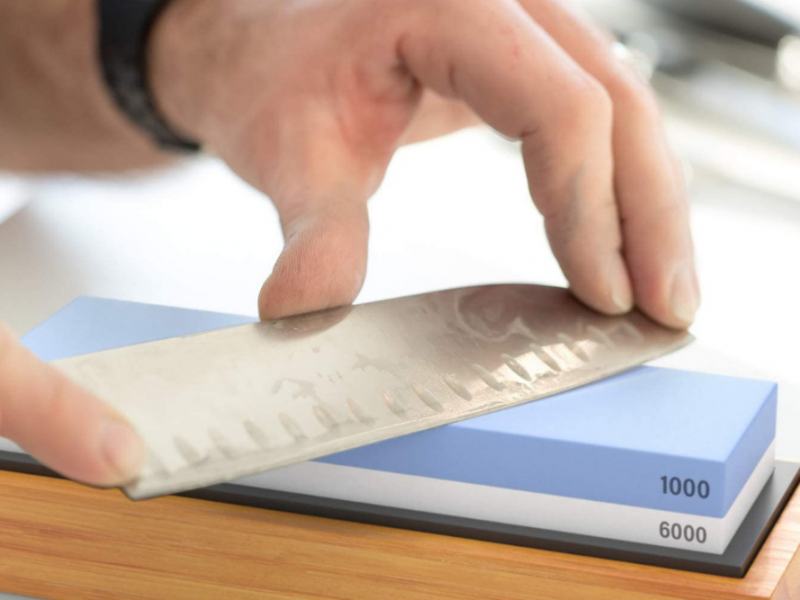
The process often starts with a coarse stone to establish the basic edge, followed by progressively finer stones to refine it. This method ensures that every stroke removes material efficiently without overheating the blade. It’s a slow, deliberate process that requires patience, but the results speak for themselves.
Stone-Based Sharpening: The Foundation
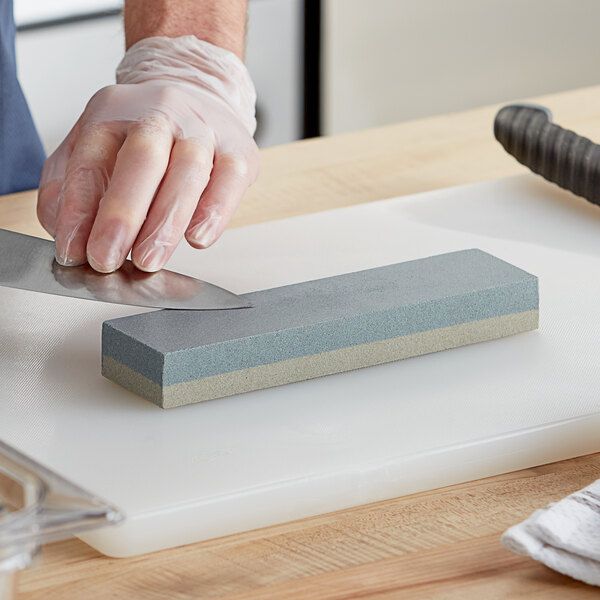
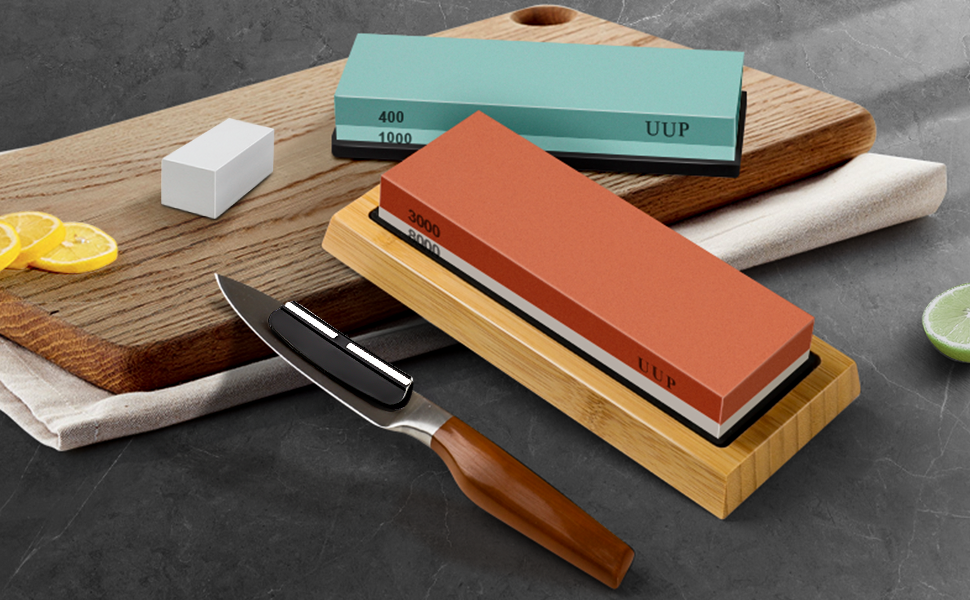
Natural stones form the backbone of traditional sharpening systems. These aren’t just random rocks – they’re carefully selected materials with specific grits designed for different stages of sharpening. The most common types include:
• Whetstones – Made from natural minerals like sandstone or Arkansas stone
• Oil stones – Soaked in oil to create a smooth cutting surface
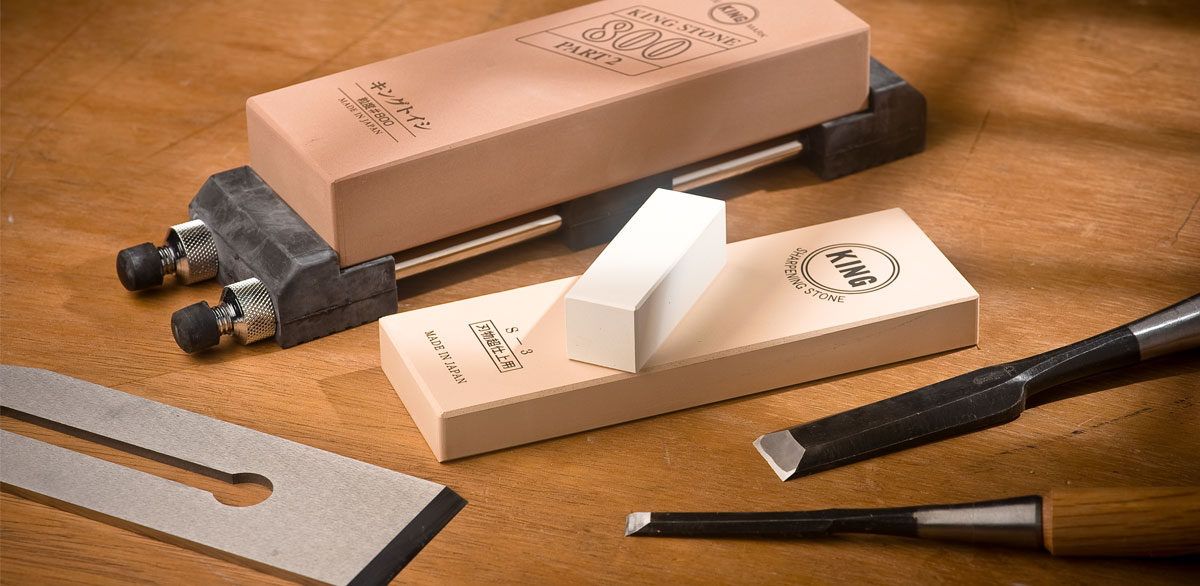
• Water stones – Used with water as a lubricant
Each type offers unique advantages depending on what you’re sharpening and how fine an edge you need. The key is understanding that these stones aren’t disposable – they’re meant to last decades with proper care. Many craftsmen still use stones that were made decades ago, showing remarkable durability.
When you invest in quality stones, you’re investing in a system that will serve you for generations. This longevity directly supports sustainability because you’re not constantly buying new sharpening equipment.
The Art of Angle Control
One of the most important skills in traditional sharpening is maintaining consistent angles. Most blades require between 15-25 degrees for optimal performance, depending on the tool and its intended use. Getting this right takes practice, but it’s crucial for both effectiveness and tool longevity.
Imagine trying to sharpen a kitchen knife with too steep an angle. You’d end up with a blade that’s difficult to use and wears out quickly. Conversely, too shallow an angle creates a weak edge that dulls rapidly. Traditional methods teach us to observe the blade’s behavior during sharpening and adjust accordingly.
This precision comes from experience and repetition. Some craftspeople have developed intuitive senses for the correct angle based on years of practice. They can tell when the angle is right by listening to the sound of the stone against the blade and feeling the resistance.
Water vs Oil: Choosing Your Lubricant
A fundamental decision in traditional sharpening is whether to use water or oil as a lubricant. Both have distinct advantages and work with different stone types. Water stones are typically used with water as a lubricant, creating a slurry that helps remove metal particles from the blade. Oil stones work better with mineral oils or specialized sharpening oils that provide a smoother cutting surface.
The choice often depends on the stone type and personal preference. Water stones tend to be more accessible and easier to clean, while oil stones may provide a finer finish. Some traditionalists swear by oil-based systems because they’ve been used for hundreds of years in many cultures.
Environmental considerations play a role too. Water stones are generally more eco-friendly since water is a renewable resource. Oil stones require periodic replacement of the lubricant, though many oils are biodegradable and safe for the environment.
Maintenance Over Replacement
Traditional sharpening emphasizes keeping tools functional rather than replacing them. This approach aligns perfectly with sustainable practices because it extends the life of equipment significantly. Instead of throwing away a dull knife or worn axe, you learn to restore it to working condition.
Consider a woodworker who maintains their chisels properly using traditional methods. They might spend hours sharpening tools once a month, but they never need to buy new ones. This practice saves money and reduces waste. The same principle applies to garden tools, kitchen knives, and even industrial equipment.
This mindset shift from disposal to restoration is powerful. It changes how we view tool ownership and responsibility. When you take care of your tools, they take care of you for years to come.
Cultural Wisdom and Modern Applications
Traditional sharpening methods aren’t relics of the past – they’re living practices that continue to evolve. Different cultures have developed unique approaches over millennia, each suited to their local materials and needs. Japanese smiths perfected the art of creating razor-sharp edges with minimal effort. European blacksmiths developed techniques for heavy-duty tools that could withstand daily abuse.
These methods are finding new relevance today. Modern sustainability movements embrace these time-tested practices because they work with nature rather than against it. The slow pace of traditional sharpening encourages mindfulness and connection to the work being done.
Many contemporary artisans combine traditional techniques with modern understanding of materials science. They use ancient wisdom alongside scientific knowledge to create tools that are both effective and environmentally responsible. This hybrid approach represents the best of both worlds.
Traditional sharpening methods offer more than just functional benefits – they represent a philosophy of care and respect for tools. When we choose these time-honored approaches, we’re making decisions that benefit both ourselves and the environment. The investment in learning these skills pays dividends in tool longevity, cost savings, and a deeper appreciation for craftsmanship.
There’s something profoundly satisfying about using a tool that’s been carefully maintained through traditional methods. The connection to history, the skill development required, and the environmental benefits all make this approach worthwhile. Whether you’re a professional craftsman or someone who simply wants to make their tools last longer, embracing traditional sharpening opens up a world of sustainable possibilities. The question isn’t whether these methods work – they’ve proven themselves across centuries. The question is whether we’ll choose to use them.