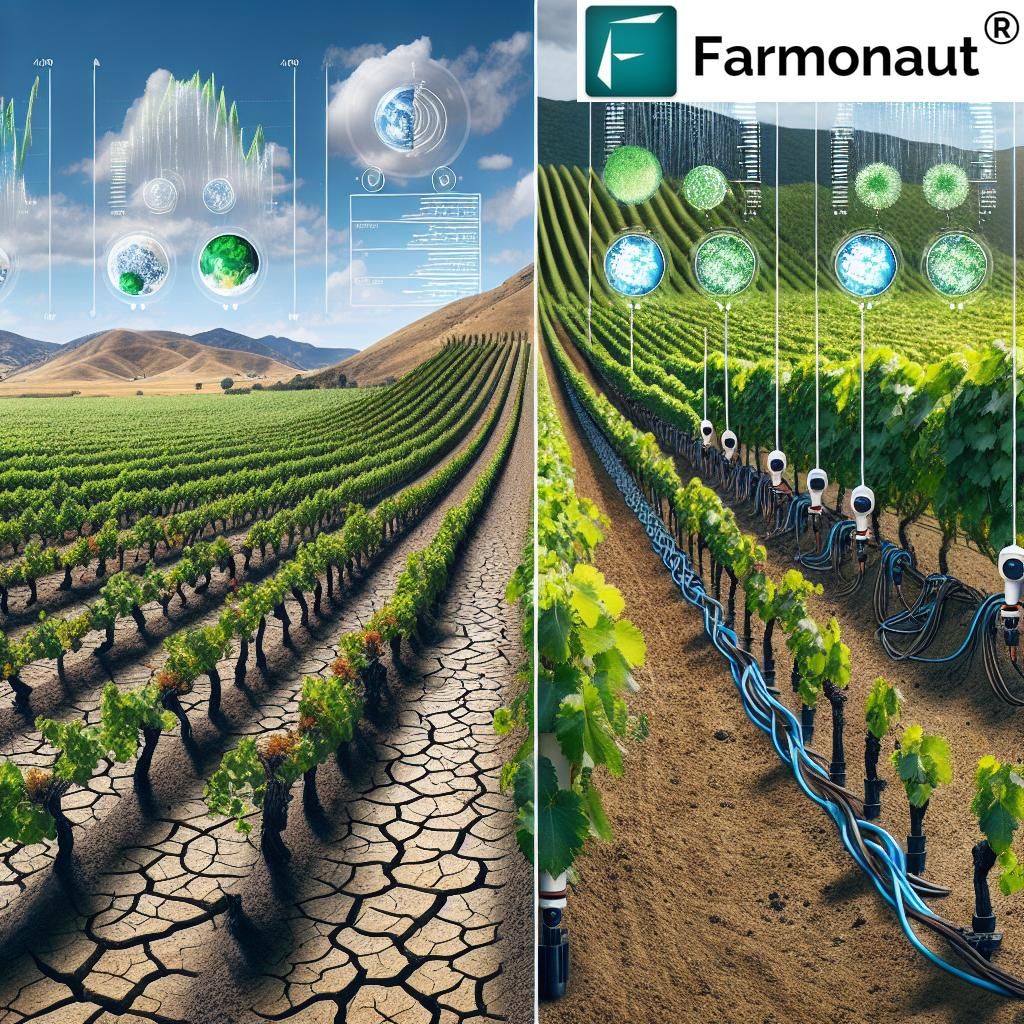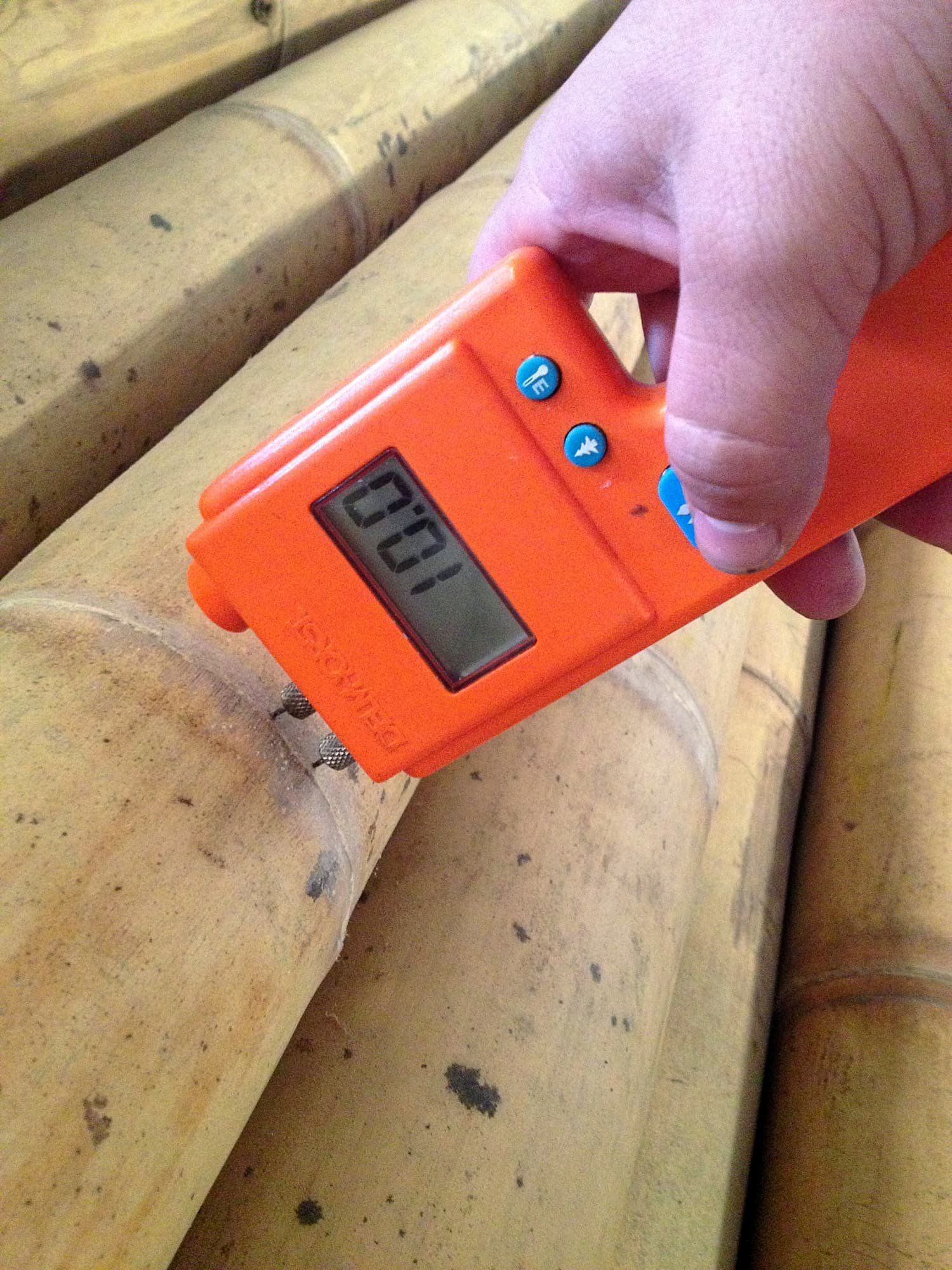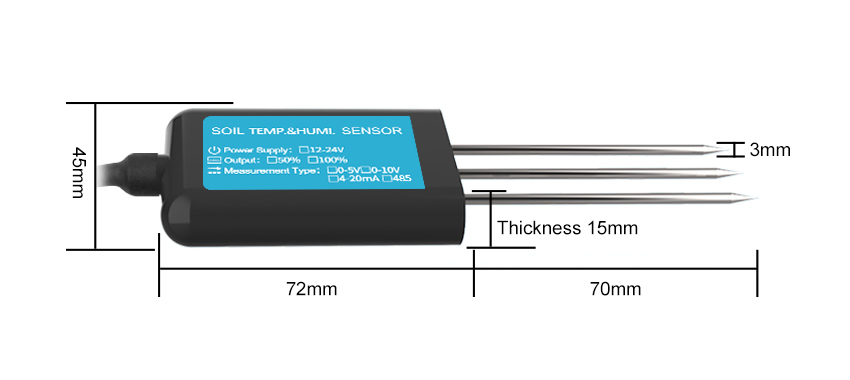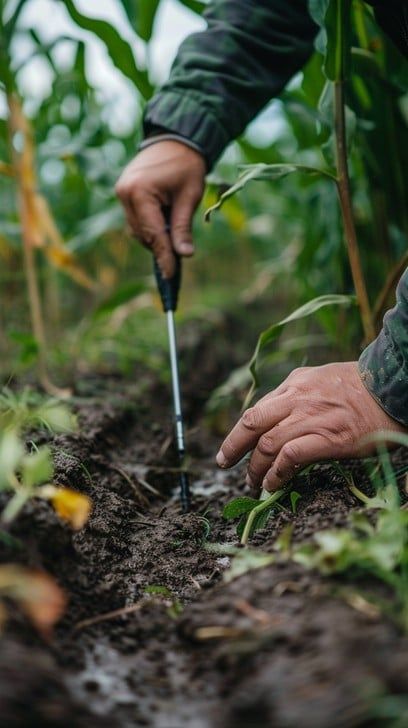
Imagine a farming tool that combines centuries-old wisdom with cutting-edge science. That’s exactly what bamboo soil testing probes represent in modern agriculture. These innovative devices are changing how farmers monitor their fields, providing real-time data that was once impossible to obtain. It’s not just about technology anymore – it’s about reconnecting with nature while embracing progress.
In the heart of agricultural innovation, something remarkable is happening. Traditional farming methods are being enhanced by a surprising twist – bamboo. Yes, that humble grass that has been part of human civilization for millennia is now playing a starring role in soil science. What started as curiosity among researchers has blossomed into a revolutionary approach to crop management. These bamboo soil testing probes aren’t just another gadget; they’re bringing ancient knowledge into the digital age of farming. Picture this: instead of guessing at soil conditions, farmers can now get precise readings about nutrient levels, moisture content, and pH balance directly from their fields. The implications are enormous for both small-scale growers and large agricultural operations.
The Birth of a Green Innovation
The journey began when scientists noticed that bamboo’s natural properties made it ideal for soil monitoring. Unlike traditional metal probes that can corrode or alter soil chemistry, bamboo offers a biodegradable alternative that actually works with nature rather than against it. Researchers found that bamboo’s porous structure allows for better water absorption and gas exchange, making it perfect for measuring soil conditions accurately. The process started with simple field tests in rural communities where farmers had been using bamboo for everything from construction to cooking. They discovered that bamboo could serve as a reliable medium for transmitting soil data without interfering with plant growth. This realization sparked interest across the agricultural research community, leading to refined prototypes that could withstand the rigors of commercial farming while maintaining their eco-friendly benefits.
What Makes Bamboo Different
Bamboo isn’t just green – it’s fundamentally different from conventional materials used in soil sensors. Here’s why it matters:
• Biodegradable: Unlike plastic or metal probes that can pollute soil over time, bamboo naturally decomposes without leaving harmful residues
• Chemically neutral: Bamboo doesn’t alter soil pH or introduce foreign elements that might affect plant health
• Durable yet flexible: Bamboo can bend under pressure but returns to its original shape, making it ideal for soil penetration
• Cost-effective: Bamboo is abundant and inexpensive compared to synthetic alternatives
• Sustainable: Fast-growing bamboo regenerates quickly after harvesting, making it an environmentally friendly choice
This combination of properties makes bamboo probes particularly valuable in organic farming where chemical contamination is a major concern. Farmers report that their soil quality remains stable even after months of continuous use, unlike traditional probes that sometimes leave behind traces of metals or plastics.
Real-World Applications in Action
Let’s look at how farmers are using these bamboo probes in practice. In Thailand, rice farmers have adopted the technology with impressive results. They’ve seen a 25% increase in yield since implementing regular soil monitoring using bamboo probes. The system alerts them when soil nutrients are low, allowing them to apply fertilizers precisely where needed. In India, smallholder farmers have found that bamboo probes help them avoid over-fertilization, which saves money and reduces environmental impact. One farmer noted that his corn yield increased by 30% after he started using bamboo soil sensors. The technology works particularly well in areas where traditional soil testing labs are far away or expensive to access. Instead of waiting weeks for lab results, farmers can check soil conditions daily. This immediate feedback loop has proven invaluable for managing crops during critical growth phases.
Benefits Beyond the Field
The advantages extend far beyond just crop yields. These bamboo probes offer several additional benefits:
• Reduced labor costs: Automated monitoring means less manual soil sampling
• Improved water management: Real-time moisture readings help optimize irrigation schedules
• Enhanced sustainability: No plastic waste generation from sensor disposal
• Better decision-making: Data-driven insights lead to more informed farming choices
• Accessibility: Lower cost makes advanced soil monitoring available to smaller farms
One interesting development is how bamboo probes have helped reduce pesticide use. When farmers know exactly what nutrients their soil needs, they can avoid over-applying chemicals that might harm beneficial insects or contaminate groundwater. The technology also helps farmers comply with environmental regulations by providing documented evidence of sustainable practices. Many agricultural cooperatives have embraced bamboo probes because they make it easier to demonstrate good stewardship to certification bodies.
Challenges and Solutions
Despite their promise, bamboo soil testing probes face some hurdles. The biggest challenge is ensuring consistent quality across different bamboo species and processing methods. Some farmers have reported varying accuracy depending on where they purchase their probes. To address this, manufacturers are developing standardized production processes that maintain reliability. Another issue involves maintenance – bamboo requires proper care to prevent mold or bacterial growth, especially in humid climates. Solutions include treating bamboo with natural preservatives that don’t harm soil microorganisms. There’s also a learning curve for farmers unfamiliar with digital monitoring systems. Training programs have been established to help users interpret data correctly. Some regions have implemented mobile apps that translate probe readings into actionable advice, making the technology more user-friendly for all experience levels.
The Future of Sustainable Agriculture
Looking ahead, bamboo soil testing probes represent just one piece of a larger sustainable agriculture movement. Scientists are exploring ways to integrate these probes with other technologies like drone surveillance and satellite imagery for comprehensive farm management. The ultimate goal is creating fully automated systems that provide real-time insights into soil health, weather patterns, and crop performance. Research is underway to develop smart bamboo probes that can communicate wirelessly with farm management systems. Imagine a future where your farm’s soil literally talks back to you, providing continuous updates on everything from nutrient levels to pest activity. This evolution toward precision agriculture could revolutionize food production while minimizing environmental impact. As climate change affects growing conditions worldwide, having accurate, real-time soil data becomes increasingly crucial for maintaining food security.
The story of bamboo soil testing probes shows us that innovation doesn’t always require abandoning tradition. Sometimes, the most forward-thinking solutions come from reimagining what we already know. These probes remind us that nature often provides the best blueprints for solving our most pressing challenges. As more farmers discover the benefits of bamboo-based soil monitoring, we’re likely to see this technology spread globally. Whether you’re a small family farm or a large agricultural operation, the ability to understand your soil’s needs in real-time represents a fundamental shift in how we approach farming. The marriage of ancient wisdom and modern science through bamboo probes is creating opportunities for more sustainable, profitable, and environmentally conscious agriculture. The future of farming may well be rooted in the simplest of materials – bamboo. It’s not just about technology anymore; it’s about harmony between human needs and natural systems. As this technology continues to evolve, it promises to bring us closer to truly sustainable food production.