Picture this: a charming garden pathway lined with climbing roses, a pergola draped in ivy, or a cozy seating area framed by graceful vines. These aren’t just pretty pictures – they’re achievable realities when you incorporate the right wooden trellis design. What makes these garden elements so magical isn’t just their beauty, but the way they transform spaces from ordinary to extraordinary.
Gardens have always been sanctuaries of peace and beauty, but sometimes they need that extra touch to make them truly special. Enter the humble wooden trellis – a simple yet powerful element that can completely change how your garden looks and feels. Whether you’re working with a small balcony, a sprawling backyard, or a modest patio, these natural structures offer endless possibilities for creating visual interest, adding height to your space, and guiding plants to grow in beautiful, organized patterns. They’re like garden architects, helping nature find its perfect form while maintaining that essential charm that makes outdoor spaces feel like retreats.
The Timeless Appeal of Natural Wood
There’s something deeply satisfying about wooden trellises that speaks to our connection with nature. Unlike metal or plastic alternatives, wood brings warmth and organic texture to any garden setting. It ages gracefully, developing a weathered patina that tells stories of seasons past and future. This natural character means each trellis becomes unique, with grain patterns and color variations that no manufactured product can replicate. The wood’s ability to blend with existing garden elements – whether stone pathways, brick walls, or lush greenery – makes it incredibly versatile. Plus, wood’s natural properties provide excellent support for climbing plants while offering a comfortable surface for them to grip and grow along.
Essential Design Principles
Creating a stunning wooden trellis starts with understanding some fundamental principles. First, consider the scale of your garden space. A small balcony might call for a compact, vertical design, while a large garden could accommodate a grand arbor or wall-mounted structure. The style should complement your home’s architecture and overall garden theme. Traditional homes often pair well with classic lattice patterns, while modern spaces might benefit from clean lines and geometric shapes. Think about how light will interact with your trellis throughout the day, and consider the plants you plan to grow. Some trellises work better for heavy climbers like clematis or wisteria, while others suit lighter vines such as jasmine or honeysuckle. The key is matching form with function.
Popular Wood Types and Their Characteristics
Choosing the right wood is crucial for both aesthetics and durability. Cedar stands out for its natural resistance to insects and decay, making it ideal for outdoor use. Its rich reddish-brown color and aromatic properties add character while providing long-lasting performance. Redwood offers similar benefits with a beautiful golden hue that deepens over time. Pine works well for budget-conscious projects but requires regular treatment to prevent weathering. Teak is the premium choice, naturally resistant to moisture and insects, though it comes at a higher cost. Each wood type brings its own personality to your garden, so consider not just the practical aspects but also how the wood’s appearance will integrate with your existing landscape features.
Classic Trellis Patterns and Styles
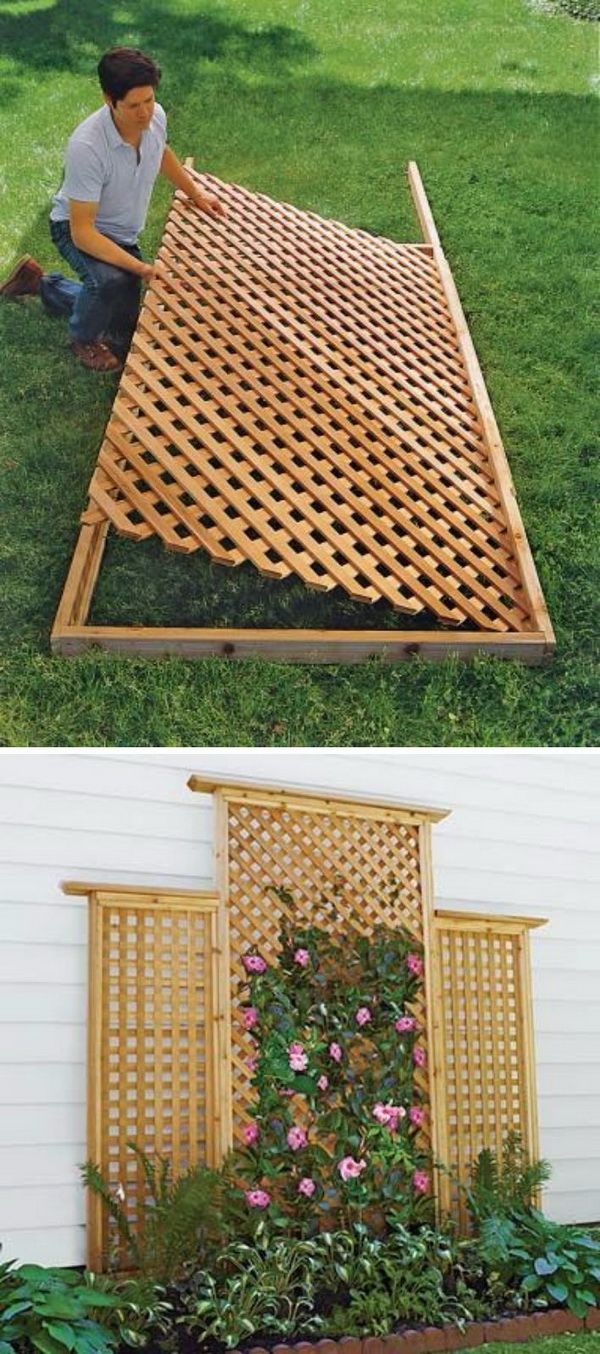
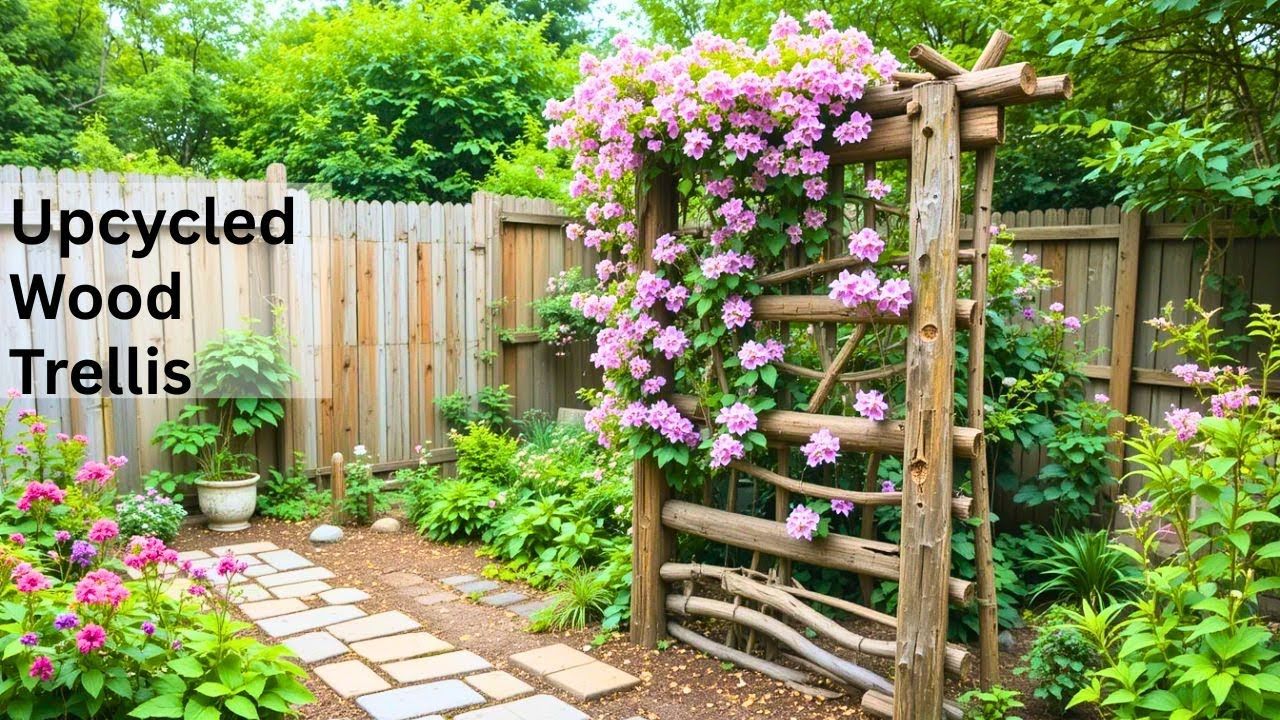
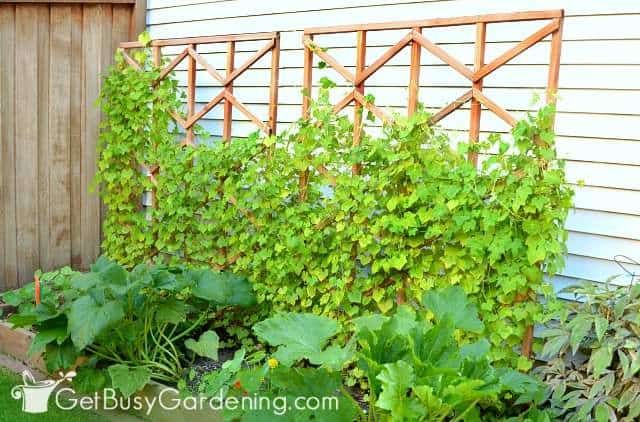
From simple lattice designs to elaborate architectural elements, there are countless trellis styles to explore. The traditional diamond pattern remains popular because of its balanced proportions and classic appeal. It works beautifully with most climbing plants and provides excellent coverage for smaller spaces. Lattice panels can be arranged vertically or horizontally, depending on your desired effect. More elaborate designs include curved arches that create natural entryways, or geometric patterns that add contemporary flair to traditional gardens. Some gardeners love the rustic charm of handcrafted wooden frames, while others prefer the clean lines of pre-fabricated options. The important thing is choosing a pattern that reflects your personal taste and fits your garden’s character.
Plant Selection for Maximum Impact
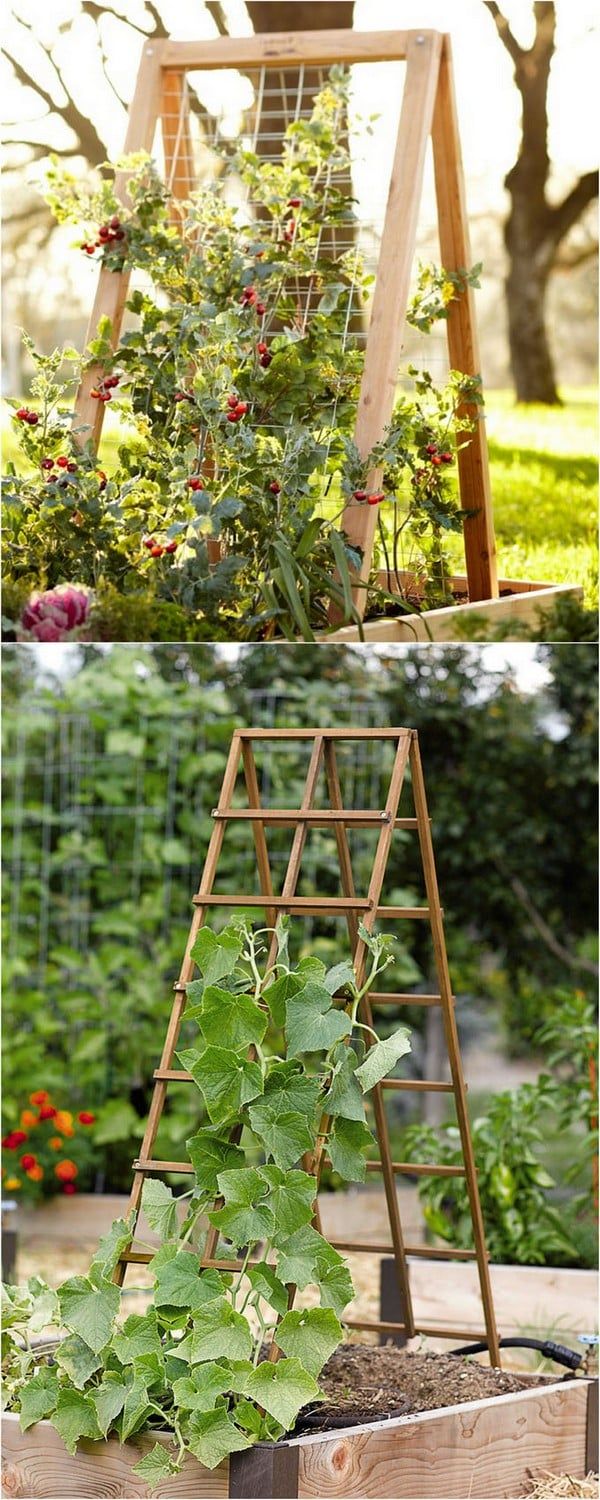
The real magic happens when you combine your trellis design with the right plants. Consider your climate zone and the amount of sunlight your trellis receives. Climbing roses add romantic beauty and fragrance, while clematis provides spectacular blooms in various colors and forms. Honeysuckle brings sweet scent and attracts beneficial pollinators, and morning glories offer dramatic, trumpet-shaped flowers. For year-round interest, mix fast-growing vines with slower climbers. Evergreen climbers like ivy provide structure during winter months, while deciduous varieties offer seasonal color changes. Don’t forget about edibles – passion fruit, grapes, or even beans can create beautiful, functional displays that reward your efforts with harvests.
Installation Tips for Long-Term Success
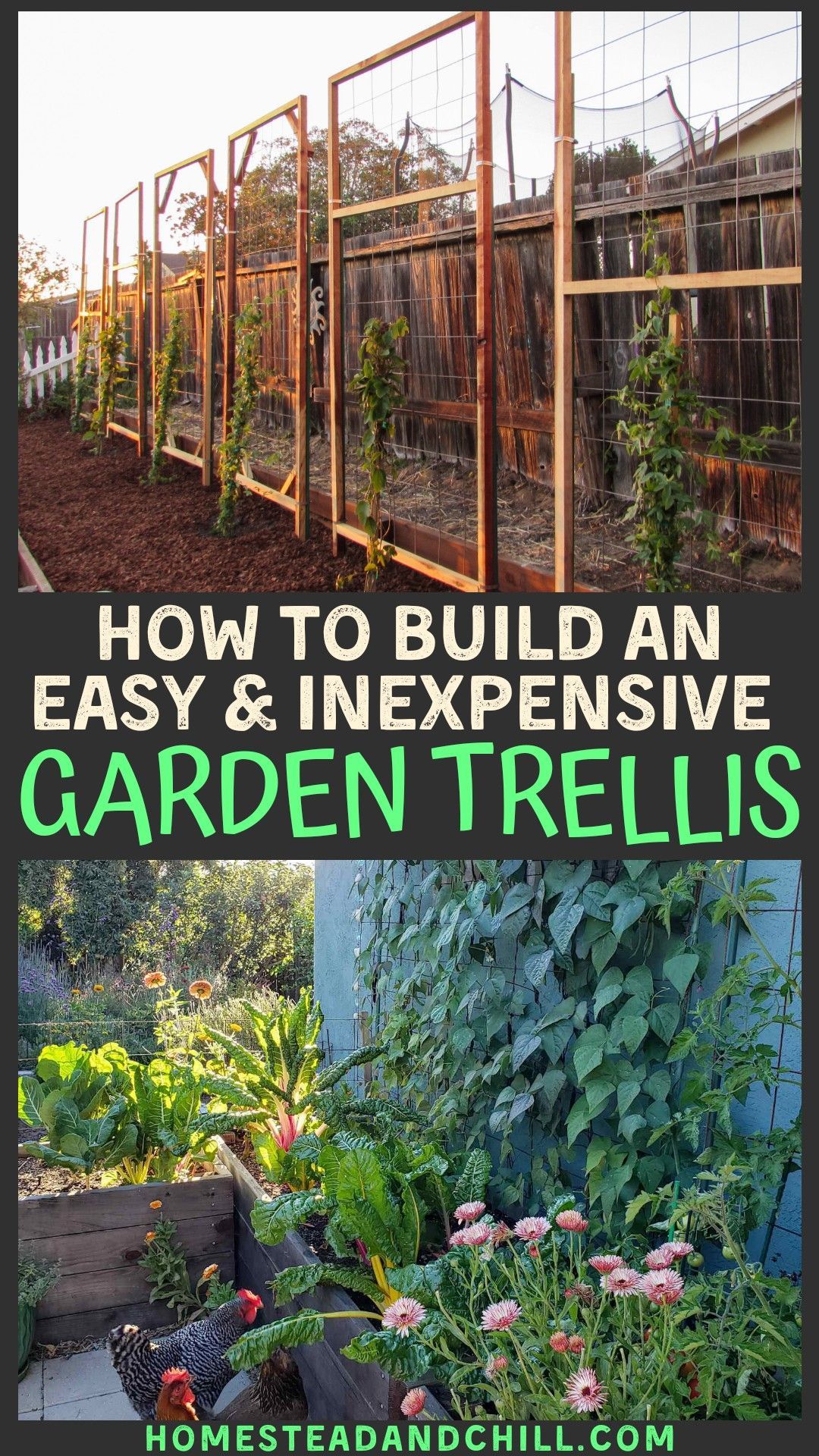
Proper installation sets the foundation for a trellis that will last for years. Start by choosing sturdy mounting points – concrete blocks, wooden posts, or reinforced brackets work well. Ensure your trellis is securely anchored, especially if it will support heavy plants or face strong winds. Consider the planting process early, leaving enough space around the base for root development and maintenance access. For ground-mounted trellises, proper drainage is essential to prevent rot. Regular maintenance includes cleaning debris, checking for loose connections, and applying protective treatments as needed. Remember that some woods may require periodic re-treatment, while others are naturally long-lasting with minimal upkeep.
Natural wood trellises represent more than just garden accessories – they’re investments in creating spaces that bring joy and tranquility. When thoughtfully designed and properly installed, these structures become focal points that draw the eye upward, encourage plant growth, and provide both visual and practical benefits. Whether you’re aiming for a romantic garden retreat or a functional growing space, the right trellis design can transform your outdoor environment in ways you never imagined possible. The key lies in understanding your space, selecting appropriate materials, and choosing designs that reflect both your personal style and the natural beauty you want to showcase. With the right approach, your garden will not only look stunning but also feel like a true sanctuary.