We all love a good gardening session, right? Getting our hands dirty, breathing in that fresh air, and watching our plants thrive. But have you ever paused to consider what’s under your knees during all this hard work? Those trusty knee pads might be saving your joints, but what are they doing to the environment? It’s a question many of us don’t even think about, but it turns out, the material of your garden knee pads can have a surprising impact on our planet. Let’s dig into it.
Gardening should be a restorative activity, a way to connect with nature. And for many of us, that means protecting our knees from the hard ground. Traditional garden knee pads have been around for ages, offering a buffer between us and the soil. But in our ever-growing awareness of sustainability, we’re starting to look at every aspect of our lives, including our gardening gear. This brings us to a crucial comparison: the environmental impact of the old-school, conventional knee pads versus the newer, compostable alternatives. It’s not just about comfort anymore; it’s about conscious choices.
What Are Traditional Garden Knee Pads Made Of?
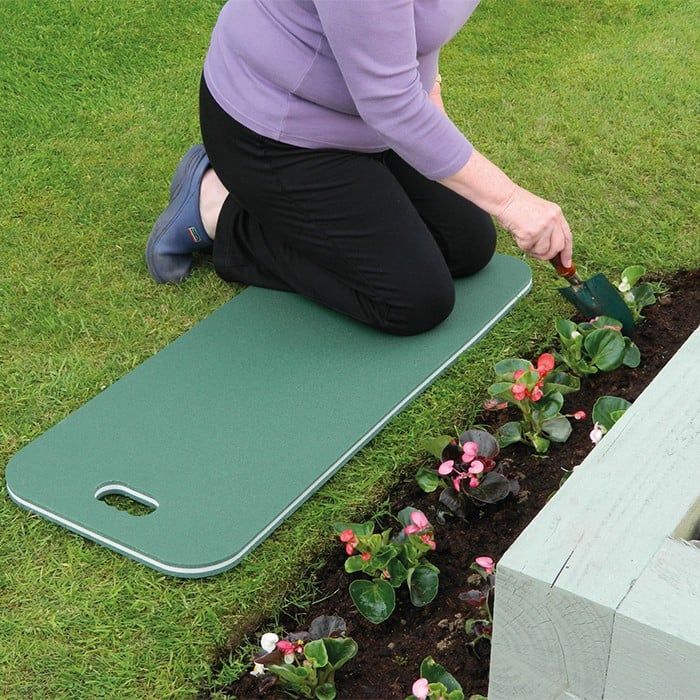
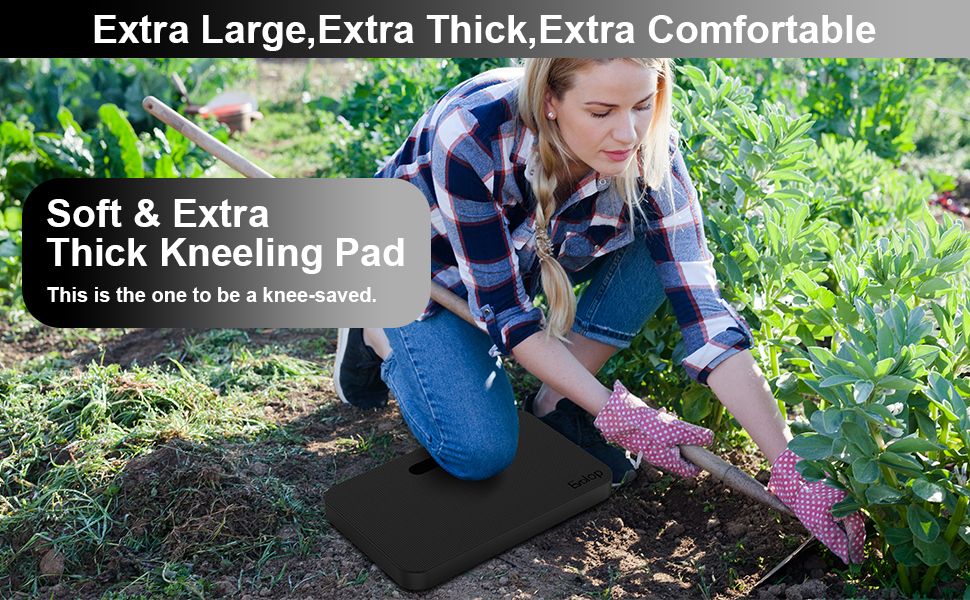
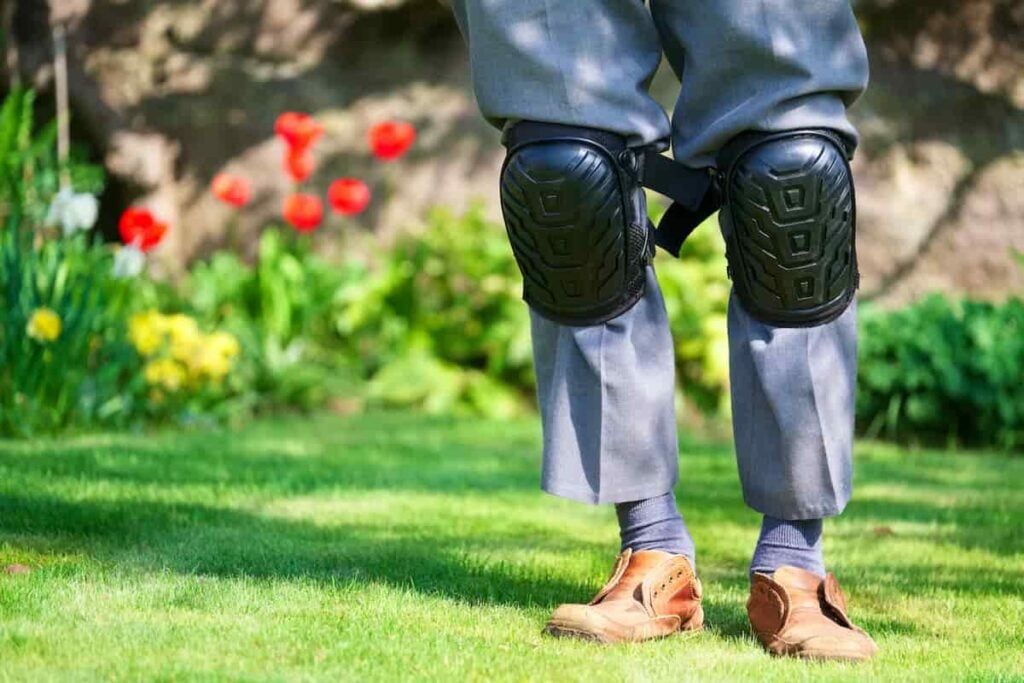
Most of the knee pads you’ll find in garden centers and hardware stores are made from petroleum-based plastics and synthetic foams. Think EVA (ethylene-vinyl acetate) or PVC (polyvinyl chloride). These materials are chosen for their durability, water resistance, and of course, their cushioning properties. They’re fantastic at their job – keeping your knees protected season after season. However, when their lifespan is over, these synthetic materials present a significant environmental challenge. They don’t break down easily in landfills, meaning they can stick around for hundreds, if not thousands, of years. And the production of these plastics itself often involves processes that can release harmful pollutants into the air and water. It’s a bit of a trade-off: long-lasting comfort now, but a lingering presence in the environment later.
The Rise of Compostable Knee Pads
In response to the environmental concerns surrounding plastics, a new wave of garden gear has emerged, including compostable knee pads. These are typically crafted from plant-based materials. You might find them made from things like recycled rubber, cork, or even bioplastics derived from corn starch or sugarcane. The big selling point here is their end-of-life potential. When you’re done with them, instead of heading to a landfill, they can be broken down by microorganisms in a compost environment, returning to the earth as nutrient-rich soil. This circular approach is incredibly appealing for eco-conscious gardeners. It means less waste and a more harmonious relationship with the natural cycles we so appreciate in our gardens.
Breaking Down the Environmental Impact: Landfill vs. Compost
Let’s get down to the nitty-gritty. The primary difference in environmental impact lies in what happens after we’re finished using them. Traditional knee pads, made from non-biodegradable plastics, contribute to landfill waste. Landfills take up valuable space and can sometimes leach harmful chemicals into the soil and groundwater. Plus, the energy and resources used to create these plastics are significant. On the flip side, compostable knee pads, when properly composted, decompose. This process reduces waste and can even enrich the soil. However, it’s important to note that ‘compostable’ doesn’t always mean ‘home compostable.’ Some may require industrial composting facilities, which aren’t available everywhere. So, while the intention is fantastic, the practical application can sometimes be a little more complex.
Resource Consumption and Production Footprints
Beyond their disposal, the production of both types of knee pads has its own environmental story. Manufacturing petroleum-based plastics is an energy-intensive process that relies on fossil fuels, a finite resource with a considerable carbon footprint. The extraction and processing of these raw materials can also lead to habitat destruction and pollution. Compostable options, while often plant-based, still require resources for cultivation, harvesting, and manufacturing. For instance, growing crops for bioplastics can compete with food production and might require water and fertilizers. However, many manufacturers are focusing on using sustainable farming practices and recycled materials where possible, aiming to minimize this impact. It’s a nuanced picture, and the ‘greener’ choice often depends on the specific materials and manufacturing processes employed.
Durability and Longevity: A Factor in Sustainability
Here’s an interesting point: the durability of your knee pads plays a role in their overall environmental impact. A pair of traditional EVA knee pads might last for several years of regular gardening. If they’re truly robust and well-made, they might outlast several pairs of less durable compostable options. In this scenario, the ‘less eco-friendly’ material, because it endures longer, could potentially have a smaller cumulative environmental footprint over time. Think about it: if you have to replace compostable pads every year, but your old plastic ones last five, the five-year-old pads might be the more sustainable choice in that specific instance. The ideal scenario, of course, is a compostable pad that is also highly durable, offering the best of both worlds.
Making the Conscious Choice for Your Garden
So, how do you choose? It really comes down to your priorities and local resources. If landfill reduction is your main goal and you have access to composting facilities (or a robust home compost system), compostable knee pads are a fantastic option. Look for certifications like BPI or CMA to ensure they meet composting standards. If durability and a long product life are paramount, and you plan to use your pads for many years, a well-made traditional pair might serve you better, provided you dispose of them responsibly when their time eventually comes (though this is tricky for plastics). It’s also worth considering brands that are transparent about their materials and manufacturing processes. Supporting companies committed to sustainability, regardless of the specific material, can make a real difference. Ultimately, being aware of the options and their implications is the first step towards a more eco-friendly gardening practice.
The journey to a more sustainable garden touches every tool and accessory we use, even something as simple as knee pads. While traditional knee pads offer reliable comfort and longevity, their end-of-life poses a challenge for our planet. Compostable alternatives present a promising solution, aiming to return to the earth rather than piling up in landfills. However, the ‘best’ choice isn’t always straightforward and depends on factors like durability and accessibility of composting facilities. By understanding the environmental trade-offs and supporting brands that prioritize sustainability, we can make more informed decisions. Every little bit helps, and choosing consciously, even for our kneers, contributes to a healthier planet and a more rewarding gardening experience.