When we think about gardening, we often focus on the plants themselves. But what about the tools we use to care for them? The right pruner isn’t just about sharp blades and comfortable grips – it’s about making choices that benefit both our gardens and the planet.
Gardening is more than just planting seeds and watering them. It’s a relationship between us and nature, built through careful attention and thoughtful decisions. One such decision that often gets overlooked is choosing the right hand pruner. These small tools play a huge role in plant health, and they can either support or harm our environment. Think about it – every time you snip a branch or trim a leaf, you’re making a choice. What kind of impact do you want that choice to have?
Understanding Sustainable Gardening Tools
Sustainable gardening tools go beyond just being made from recycled materials. They represent a philosophy of mindful consumption and environmental stewardship. When selecting a sustainable pruner, consider the entire lifecycle of the product. From raw material extraction to manufacturing processes, transportation, and eventual disposal. A truly sustainable tool minimizes its ecological footprint at every stage. For instance, look for manufacturers who use renewable energy sources in production or source materials locally to reduce transportation emissions. Some companies even offer repair services instead of replacement, extending the life of their products. This approach helps reduce waste and supports circular economy principles. What matters most is finding tools that align with your values and gardening practices. The sustainability factor should never compromise the tool’s performance or safety.
Material Matters: Metal vs. Plastic Options
The foundation of any good pruner lies in its materials. Steel remains the gold standard for pruner blades due to its strength and ability to hold an edge. High-carbon steel offers excellent durability, though it requires regular maintenance to prevent rust. Stainless steel provides corrosion resistance but may not hold an edge as well as carbon steel. Aluminum handles offer lightweight comfort, but they can bend under heavy use. Some manufacturers now combine materials strategically, using stainless steel blades with aluminum or composite handles. Plastic components, while lighter, tend to break easily and aren’t eco-friendly when discarded. Consider the lifespan of materials too. A pruner made from high-quality steel might cost more upfront but could last decades compared to a cheaper plastic alternative that needs replacing every few seasons. That’s a significant difference in terms of environmental impact and long-term costs. Ask yourself: will this tool serve me for years, or will I be buying replacements frequently?
Ergonomics and Comfort for Long-Term Use
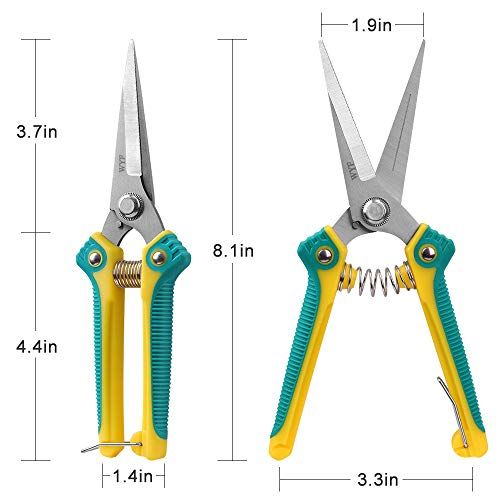
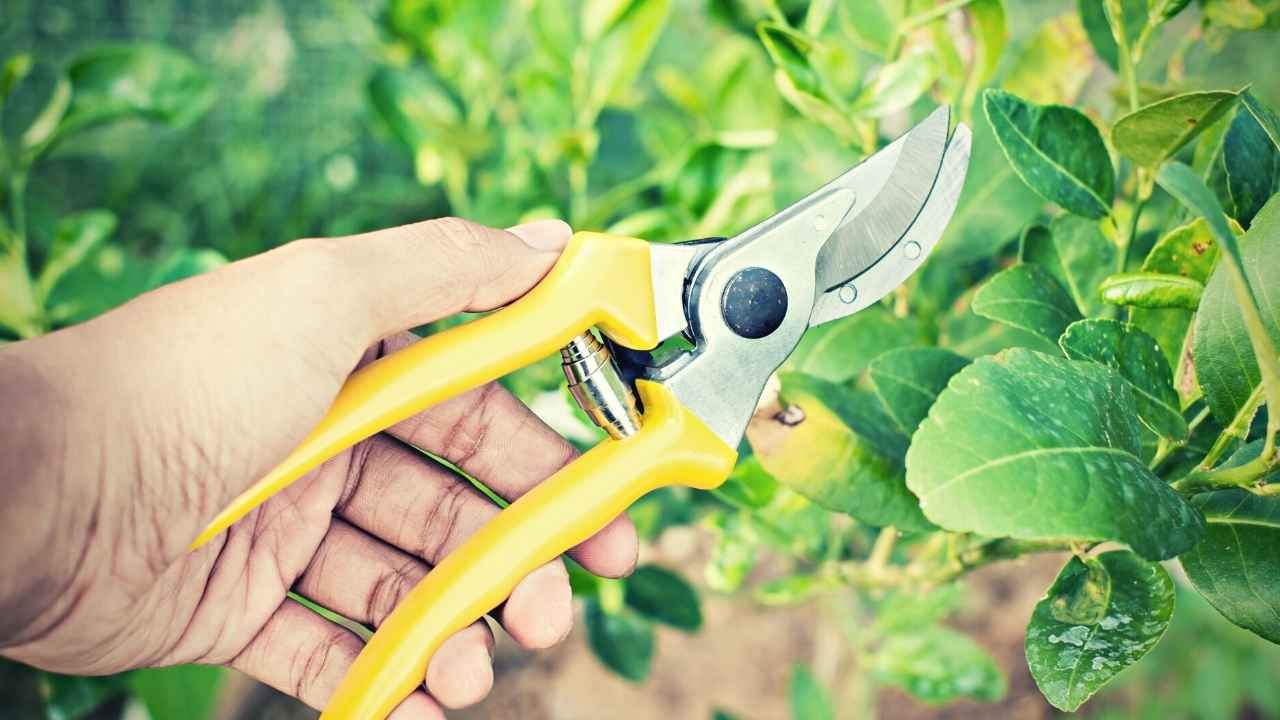
A pruner that hurts your hands won’t inspire consistent use. Good ergonomics mean comfortable grip, balanced weight distribution, and reduced strain during extended pruning sessions. Look for tools with soft rubber or thermoplastic grips that provide cushioning and prevent slipping. The handle length should match your hand size for optimal leverage. Some pruners feature pivot points designed to reduce hand fatigue. Think about how often you’ll use the tool and whether you have arthritis or other conditions affecting your grip. A comfortable pruner encourages regular maintenance, which is better for plant health. You’ll find yourself spending more time in your garden, enjoying the process rather than dreading it. Plus, proper form reduces injury risk and makes pruning more effective overall. What feels right in your hands today might feel different tomorrow – choose a design that adapts to your needs.
Durability and Maintenance Requirements
Quality tools last longer, reducing the need for frequent replacements. A well-made pruner should maintain its sharpness for years with proper care. Regular maintenance includes cleaning after each use, oiling moving parts, and sharpening blades when needed. Some pruners require more upkeep than others. Consider your lifestyle and how much time you want to invest in tool care. Stainless steel blades need less maintenance than carbon steel ones, but they may not stay sharp as long. Check if the manufacturer offers warranty coverage or replacement parts. This ensures you can address issues without discarding the entire tool. Durable construction means fewer repairs, less waste, and better value over time. Remember, a tool that breaks easily defeats the purpose of sustainability. A robust pruner becomes part of your garden routine, not a temporary solution.
Brand Reputation and Ethical Manufacturing
Reputable brands often reflect their commitment to quality and ethics through transparency in their manufacturing processes. Research companies that prioritize fair labor practices and safe working conditions for their employees. Some brands showcase their supply chain origins and environmental impact metrics. Others participate in reforestation projects or donate portions of profits to environmental causes. Look for certifications like Fair Trade or B-Corp status as indicators of ethical business practices. Reading customer reviews can reveal real-world experiences with product reliability and company service. Ask about return policies and repair options. Companies that stand behind their products often have better customer satisfaction rates. Choosing ethically-made tools means supporting businesses that align with your values. It’s a small purchase that can have meaningful ripple effects throughout the industry. Who you support matters as much as what you buy.
Making Your Final Selection
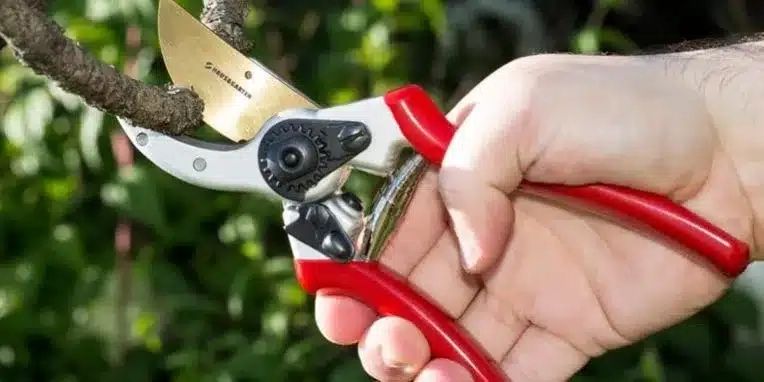
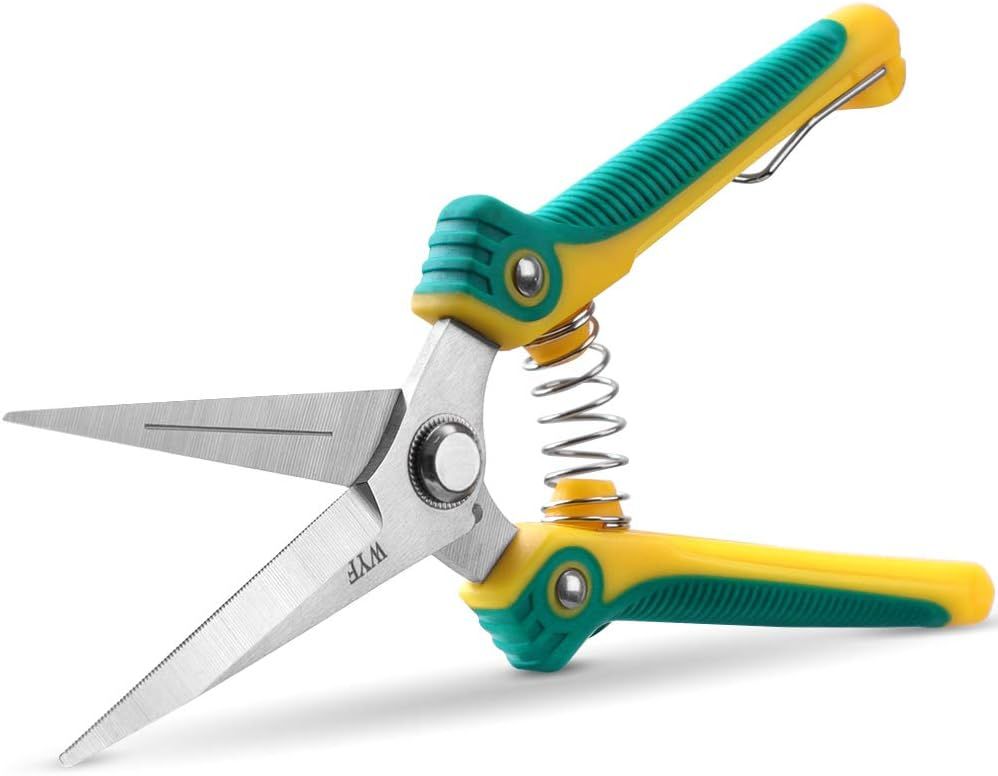
Choosing the right pruner comes down to matching your specific needs with sustainable options available. Consider what types of plants you’ll be pruning regularly. Heavy branches might require bypass pruners with sharper blades, while delicate stems call for precision scissors. Think about frequency of use and the size of your garden. If you’re a casual gardener, a basic model might suffice. For serious gardeners, investing in quality tools pays dividends in efficiency and plant health. Set a budget range and research within that limit. Compare features across different models, paying attention to blade type, handle design, and material composition. Don’t forget to factor in long-term costs versus initial prices. Sometimes the most expensive option proves cheapest over time. Visit local nurseries or garden centers to test tools before purchasing. Handle the pruner, check balance and weight, and see if it feels comfortable in your grip. Trust your instincts – the right tool should feel natural and responsive.
Selecting a sustainable garden hand pruner isn’t just about making a purchase – it’s about making a statement. Every tool we choose reflects our values and priorities. By considering materials, durability, comfort, and ethical production, we can make decisions that benefit both our gardens and the environment. The investment in a quality, sustainable pruner pays off in countless hours of healthy gardening and reduced waste. Remember, the best tool isn’t necessarily the most expensive one – it’s the one that works well for you and supports your gardening goals sustainably. Whether you’re trimming rose bushes or harvesting herbs, let your pruner be a reliable partner in your garden journey. After all, the health of our plants and the health of our planet depend on the choices we make, one cut at a time.