Gardening doesn’t require acres of land or sprawling backyards. In fact, some of the most rewarding gardening experiences happen right in our smallest corners – on windowsills, balconies, and even indoors. The magic happens when we combine creativity with limited space and repurpose everyday items into beautiful growing containers.
Picture this: You live in a studio apartment, have a tiny balcony, or maybe just a sunny windowsill. You dream of fresh herbs, colorful flowers, or even vegetables, but feel like there’s no room. What if I told you that the solution might already be sitting in your garage or kitchen cabinet? That’s exactly what makes small space gardening so exciting. It’s not about having more space – it’s about seeing potential where others see limitations. Recycled planters open up a whole new world of possibilities for gardeners who want to grow without taking up precious square footage.
Why Recycled Planters Are Perfect for Small Gardens
Recycled planters offer more than just cost savings. They bring a sense of purpose to gardening that’s hard to find elsewhere. When you transform an old coffee mug, plastic bottle, or tin can into a planter, you’re not just saving money – you’re giving new life to items that might otherwise end up in a landfill. This approach makes gardening more sustainable and deeply personal. Every container tells a story, and every garden becomes a reflection of your unique style and values.
Consider the emotional satisfaction of nurturing a plant in something that once held your morning coffee. There’s something deeply satisfying about creating beauty from the ordinary. These planters often have unique textures, colors, and shapes that store-bought containers simply can’t match. Plus, they’re usually lighter than traditional pots, which matters when you’re working with balconies or rooftops that have weight restrictions.
Creative Container Ideas That Work Wonders
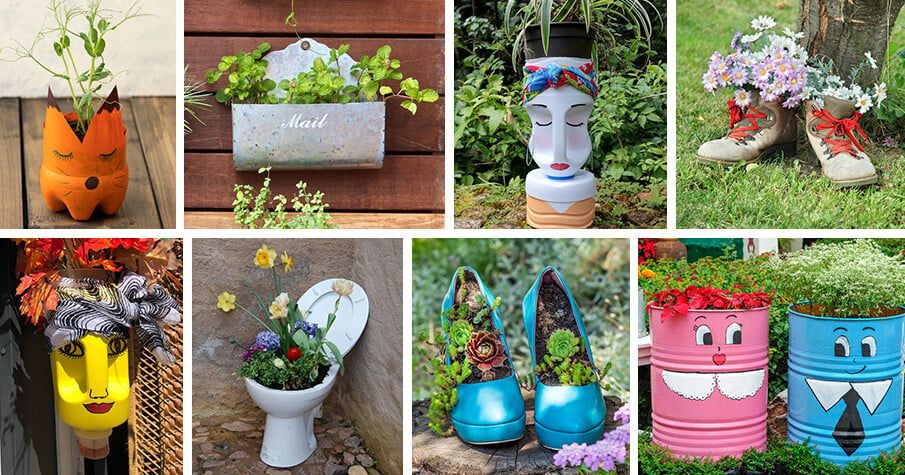
The beauty of recycled planters lies in their endless variety. Here are some tried-and-true options that will transform your small space:
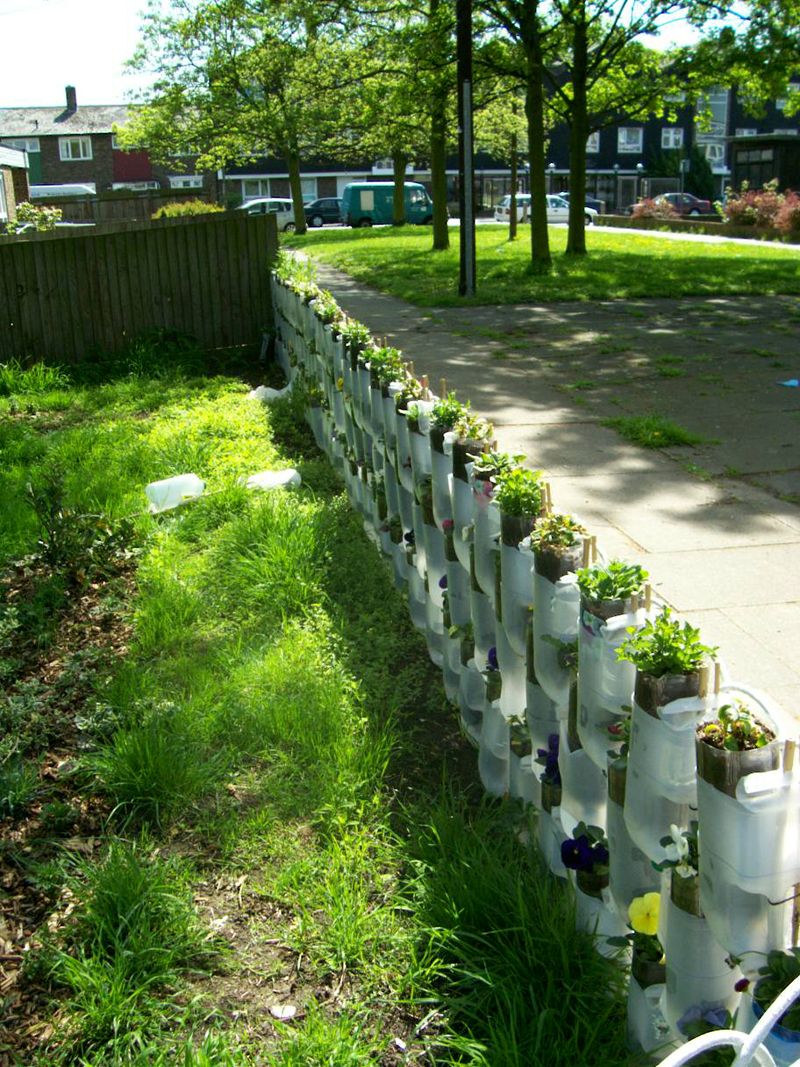
• Plastic bottles – Cut the top off a clean plastic bottle and you’ve got a ready-made planter. They’re lightweight, come in various sizes, and are easy to drill drainage holes in.
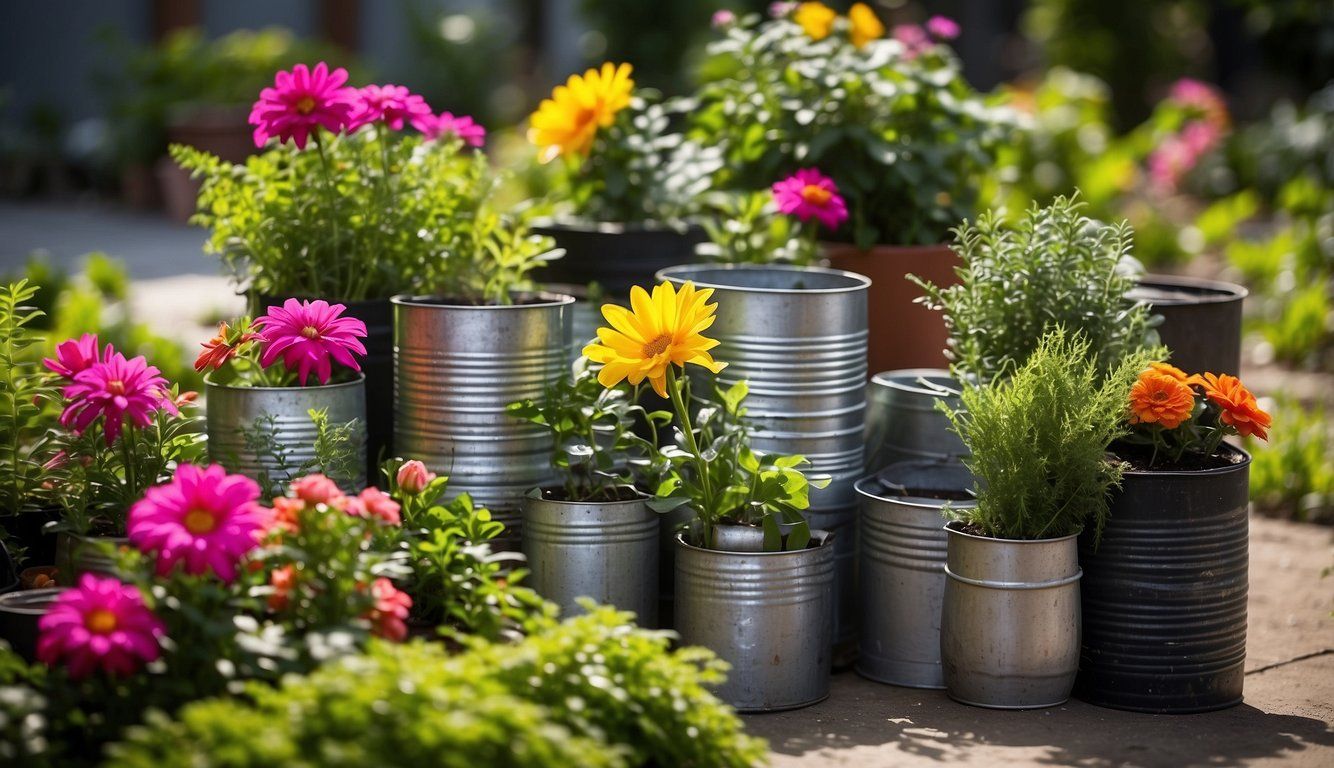
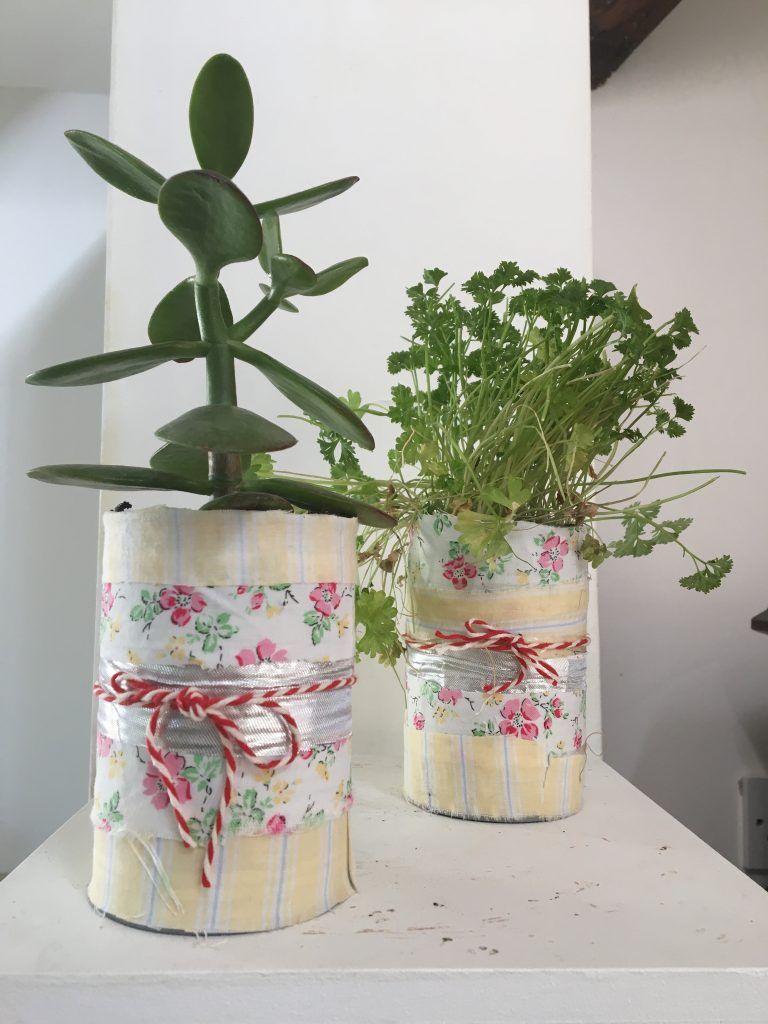
• Tin cans – Clean out old food cans and paint them with waterproof paint. They work great for herbs or small flowers.
• Old boots – These make fantastic planters when cleaned and filled with soil. Just make sure they’re thoroughly cleaned and have drainage holes.
• Coffee mugs – Perfect for small herbs or succulents. You can even paint them for extra flair.
• Wooden crates – Stackable and versatile, these are excellent for growing lettuce, herbs, or small vegetables.
Each of these containers offers different benefits. Plastic bottles are budget-friendly and readily available. Tin cans add a rustic charm to any garden. Coffee mugs provide a cozy touch to indoor spaces. Wooden crates offer the advantage of being stackable, maximizing vertical growing space.
Essential Tips for Success with Small Containers
Success in small space gardening requires a few key considerations. First, focus on plants that thrive in confined spaces. Herbs like basil, thyme, and parsley do wonderfully in small containers. Leafy greens such as spinach and lettuce also adapt well. Root vegetables like radishes and carrots are surprisingly good in narrow pots.
Watering becomes critical with small containers because they dry out faster. Consider self-watering systems or water crystals to help maintain moisture levels. Drainage is absolutely crucial – every planter needs holes at the bottom to prevent waterlogging. Without proper drainage, even the healthiest plants can quickly succumb to root rot.
Also remember that smaller containers mean smaller root systems. This means you’ll need to fertilize more frequently than with larger gardens. A balanced liquid fertilizer applied every two weeks works well for most container plants. Finally, consider the weight of your containers, especially if you’re gardening on a balcony or rooftop. Lighter materials like plastic bottles or fabric pots are often better choices than heavy ceramic or stone.
Vertical Gardening: Making the Most of Height
When horizontal space is limited, think vertically! Vertical gardening transforms small spaces into productive growing areas. You can hang planters from walls, build tiered shelving units, or use hanging baskets to create layers of greenery. This approach is particularly effective for herbs, strawberries, or trailing plants like ivy.
One popular method is the use of pallets as vertical garden frames. Simply attach fabric or landscape fabric to a wooden pallet and fill with soil. You can create multiple levels of planting space with minimal effort. Another idea is to use hanging baskets or window boxes that can be mounted on the outside of windows or railings.
Vertical gardening also opens up opportunities for creative recycling. Old ladders can become plant stands, while vintage suitcases can serve as attractive planters when filled with soil and plants. The key is thinking beyond flat surfaces and embracing three-dimensional growing opportunities.
Designing Your Small Space Garden
A well-thought-out design makes all the difference in small space gardening. Start by assessing your light conditions. Full sun spots might be perfect for tomatoes or peppers, while partial shade areas work better for leafy greens or ferns. Consider how much time you want to invest in maintenance – some plants need daily attention while others are more forgiving.
Think about color coordination and visual appeal. Mixing different textures, heights, and plant types creates interest. For example, pair tall ornamental grasses with low-growing succulents or trailing ivy. This layering effect makes even the smallest garden look rich and full.
Don’t forget about functionality. If you’re growing edibles, place them where you’ll use them most often. Herbs near your cooking area, vegetables closer to the kitchen door. This thoughtful placement reduces the distance between your garden and your dinner table.
Maintenance and Care for Recycled Planters
Caring for plants in recycled containers requires some special attention. Regularly check for signs of pests or disease, as small containers can sometimes harbor issues more easily. The exposed nature of these planters means you’ll notice problems sooner than in larger gardens.
Seasonal changes affect container gardening differently than ground planting. In winter, protect your planters from freezing temperatures. Move delicate plants indoors or wrap containers with burlap to insulate roots. During hot summer months, check watering schedules more frequently.
Cleanliness is important too. After each growing season, clean containers thoroughly before storing them. Remove any remaining soil and allow them to dry completely. This prevents pest infestations and keeps your garden healthy year-round.
Keep a simple log of what worked well in your recycled containers. Note which plants thrived, which struggled, and why. This information becomes invaluable for future gardening seasons.
Small space gardening with recycled planters isn’t just about making the best of limited space – it’s about embracing creativity, sustainability, and the joy of growing things. These methods prove that you don’t need vast acreage to enjoy the rewards of gardening. Whether you’re using an old shoe, a repurposed bucket, or a vintage teapot, each container becomes part of your garden’s unique personality.
The key is starting small and building confidence gradually. Begin with easy-to-grow plants and simple containers. As you gain experience, you’ll discover new possibilities and develop your own style. Remember, the most important ingredient in any successful garden is your passion for growing things. With recycled planters, that passion can bloom in spaces that never seemed suitable for gardening before. Your journey toward a thriving small-space garden starts now, one creative container at a time.