Picture this: you’re standing in your garden, surrounded by stubborn soil, weeds, and the constant battle against compaction. What if there was a way to work with nature instead of against it? Enter no dig tool systems – simple, smart solutions that can transform even the most challenging garden spaces into thriving ecosystems. These techniques aren’t just fancy gardening fads; they’re practical approaches that have helped countless gardeners achieve better results with less effort.
Gardening isn’t always straightforward, especially when you’re dealing with clay soils, rocky terrain, or areas that seem to resist all your efforts. Traditional digging methods often lead to soil compaction, disruption of beneficial organisms, and more work than necessary. But what if you could grow beautiful plants while actually working with the natural structure of your garden? That’s exactly what no dig tool systems offer – a smarter way to garden that respects soil health and maximizes productivity. Whether you’re tackling a small urban balcony or managing a large backyard, these simple techniques can make all the difference.
Understanding No Dig Principles
At its heart, no dig gardening is about respecting the soil ecosystem. Instead of turning over the earth, you work with what’s already there. Think of it like building a house – you wouldn’t tear down the foundation to add a room. The soil has its own network of fungi, bacteria, earthworms, and other organisms that create a living system. When you dig, you disrupt this system, often causing more problems than you solve. No dig systems focus on building upon existing conditions rather than destroying them. This approach leads to healthier soil, better water retention, and more robust plant growth. It’s about making small, strategic interventions rather than major upheavals.
Essential No Dig Tools for Success
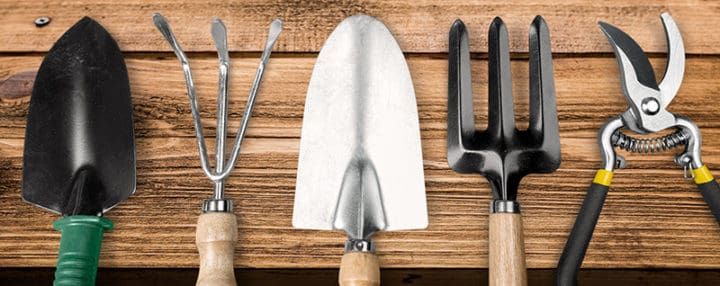
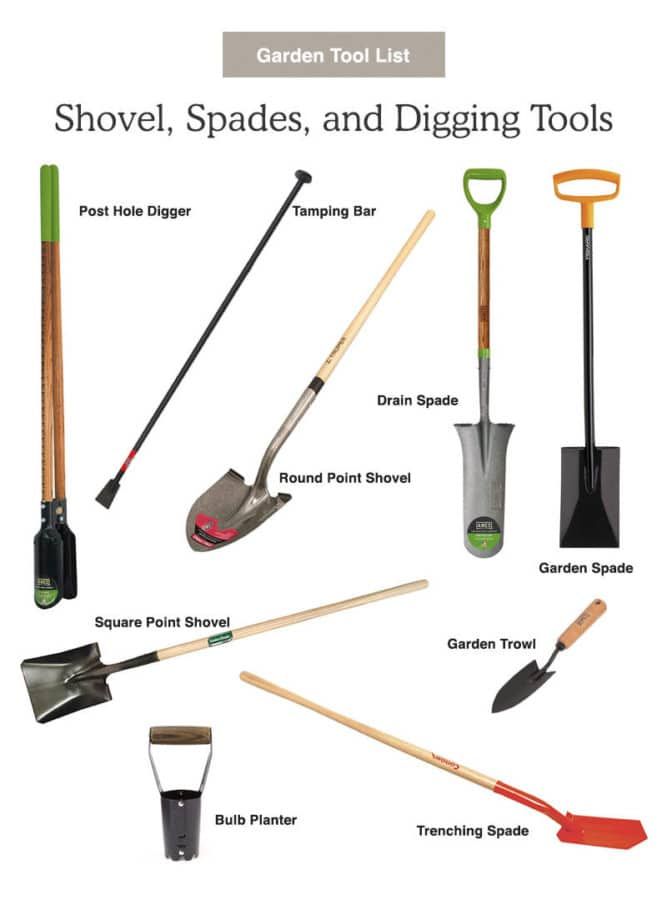
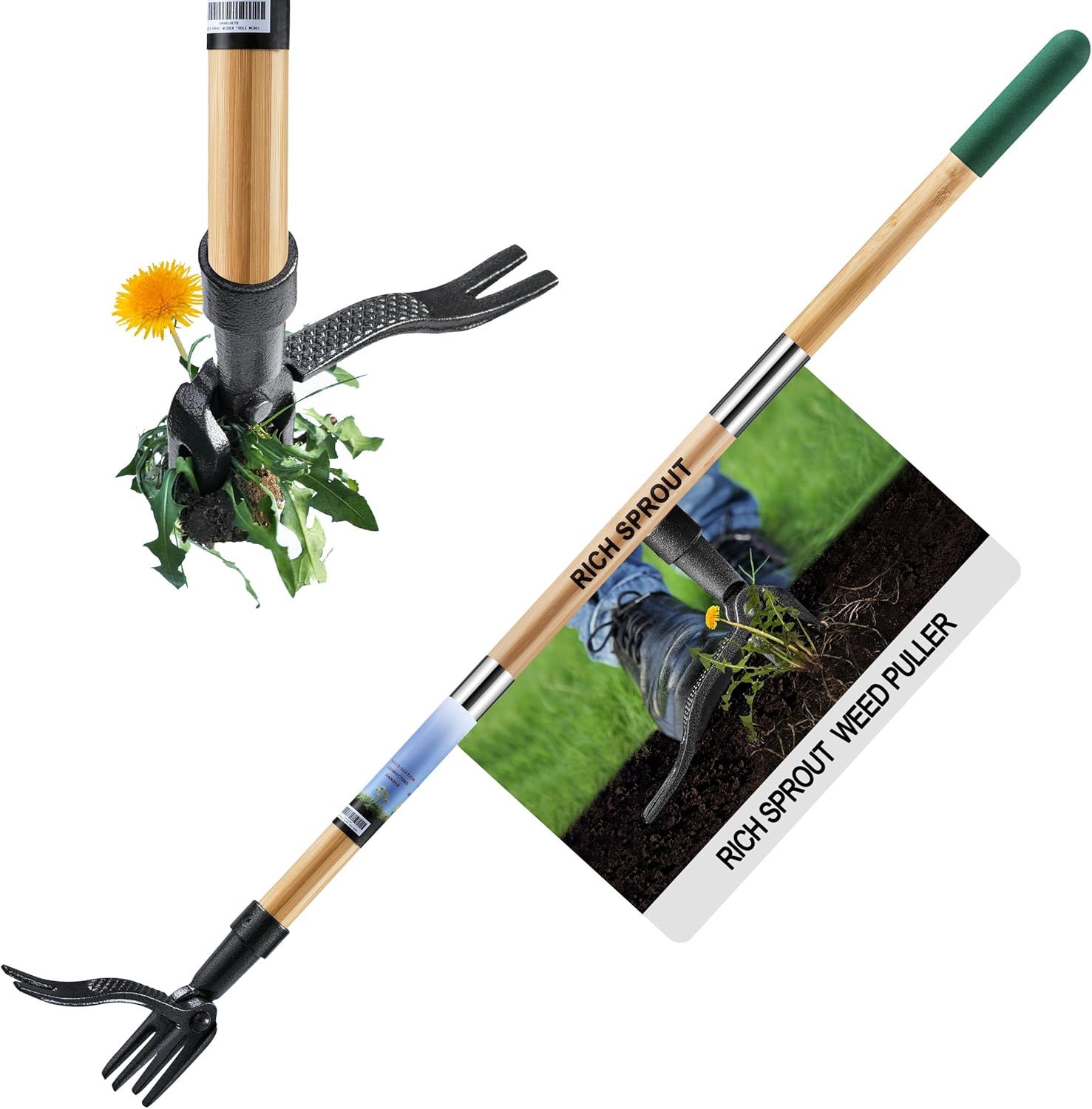
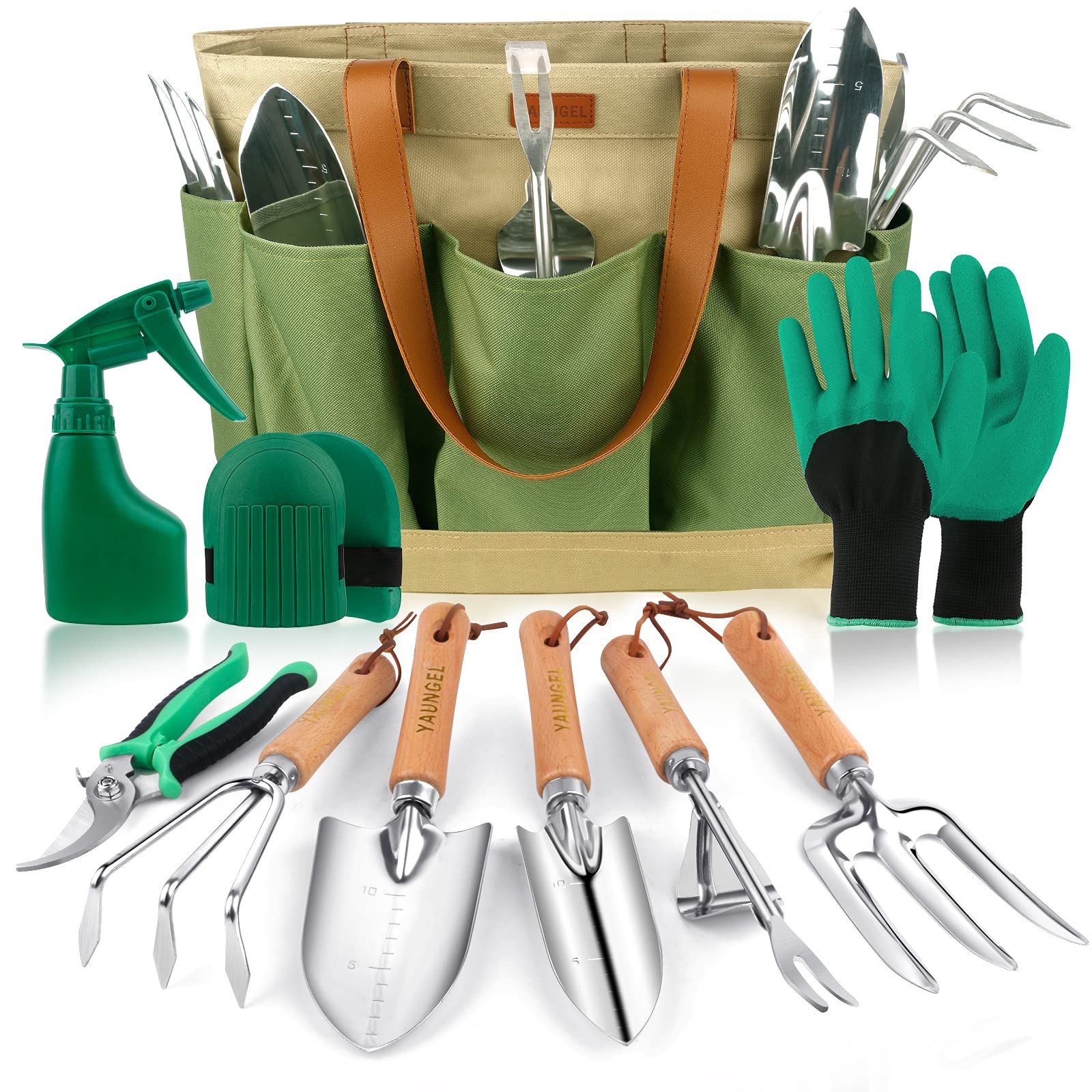
You don’t need expensive equipment to start no dig gardening. Basic tools work wonders when used correctly. A good hand fork helps break up compacted areas without disturbing deeper layers. A broadfork is excellent for loosening soil without turning it over. For those who want to go further, a broadfork with a handle extension can reach deeper into the soil profile. A sharp spade works well for precise cuts and dividing areas. Even simple hand tools like a trowel and pruners become powerful when used with the right technique. The key isn’t having the fanciest tools, but understanding how each one fits into your no dig strategy. Consider starting with just a few essential tools and expanding as you learn what works best for your specific situation.
Creating Layers with Compost and Mulch
One of the most powerful aspects of no dig systems is layering. You build up the garden bed using compost, organic matter, and mulch. Start with coarse materials like wood chips or straw, then add finer compost, and finish with a top layer of mulch. This creates a habitat for beneficial organisms while providing nutrients directly where plants need them. The layering method mimics natural processes – decomposing leaves and organic matter gradually feed the soil. You’ll notice better moisture retention, fewer weeds, and more vibrant plant growth. Think of it like creating a natural food chain within your garden. Each layer supports the next, building a healthy environment that feeds itself.
Managing Weeds Without Digging
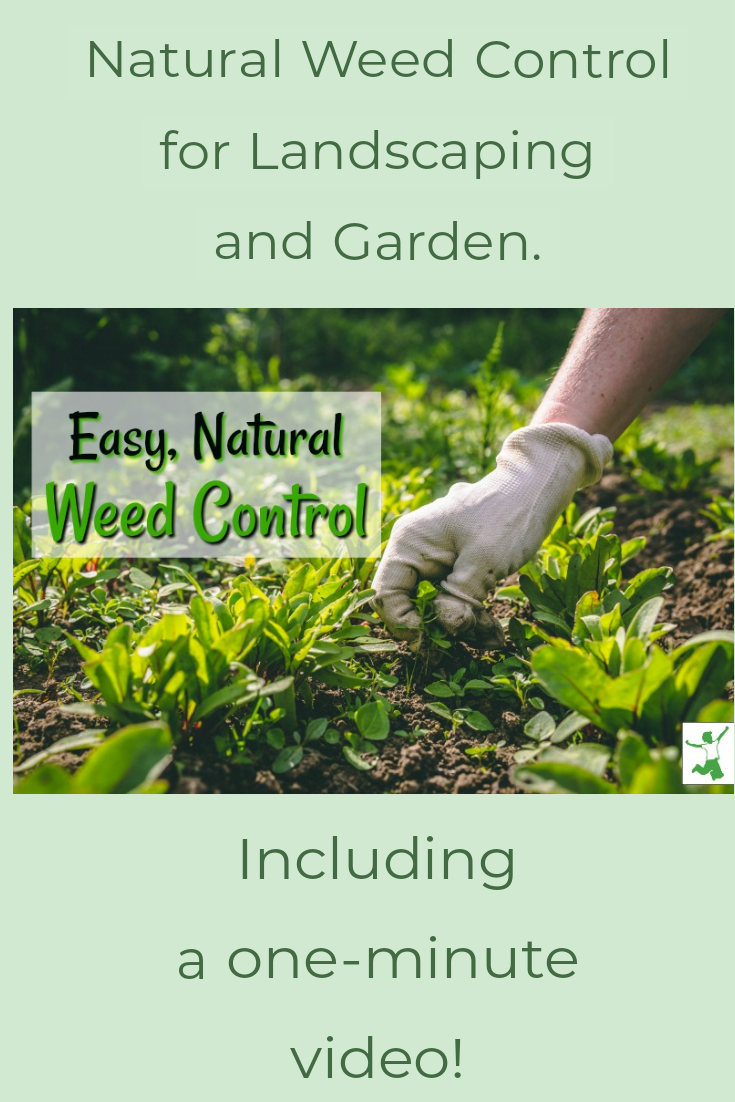
Weeds are perhaps the biggest challenge for gardeners, but no dig systems handle them differently than traditional methods. Instead of pulling or digging, you smother weeds with thick layers of mulch or cardboard. This blocks light and eventually kills the weed roots. You can also use a hoe to cut weeds at ground level without disturbing the soil structure. Some gardeners find success with a technique called ‘weed sheeting’ – laying down newspaper or landscape fabric before adding mulch. The key is consistent maintenance rather than dramatic removal. You’ll find that over time, the weed problem becomes much more manageable. It takes patience, but the results are worth it.
Water Conservation Through No Dig Methods
One of the most significant benefits of no dig gardening is water efficiency. When you preserve the soil structure and add organic matter, you create a sponge-like environment that holds moisture longer. The mulch layer acts as a protective blanket, reducing evaporation and keeping the soil cooler. This means you can water less frequently and still get better results. Many gardeners report using 50% less water after switching to no dig practices. The improved soil biology also helps with water infiltration, preventing runoff and ensuring that rainfall goes where it’s needed most. It’s a win-win for both the environment and your water bill.
Building Soil Health Over Time
No dig gardening is really about soil health, not just immediate results. By avoiding soil disturbance, you preserve the beneficial microorganisms that make soil fertile. Earthworms, fungi, and bacteria form networks that transport nutrients and improve soil structure. As organic matter breaks down, it creates humus – the dark, rich material that makes soil productive. This process happens naturally over time, and you’re essentially helping it along rather than fighting it. You’ll see improvements in soil texture, drainage, and fertility within a few seasons. The soil becomes more resilient, better able to support plant life during droughts or heavy rains. It’s a long-term investment in your garden’s future.
No dig tool systems represent a fundamental shift in how we think about gardening. They’re not just about avoiding the backbreaking work of digging – they’re about working smarter with the natural systems around us. These techniques offer practical solutions for gardeners of all levels, from beginners to experienced practitioners. Whether you’re trying to improve a difficult soil condition, conserve water, or simply reduce your workload, no dig methods provide a pathway forward. The beauty lies in their simplicity and effectiveness. You don’t need to be a soil scientist to benefit from these approaches. Start small, experiment with different tools and techniques, and watch how your garden transforms over time. The results speak for themselves – healthier plants, happier soil, and less work for you.