Imagine transforming your kitchen scraps and yard waste into nutrient-rich soil amendment. That’s exactly what sustainable composting does – it’s nature’s way of recycling our organic waste into something incredibly valuable. Whether you have a sprawling backyard or just a small windowsill, composting offers a rewarding path to reducing waste while nurturing plants. This guide will walk you through everything you need to know to start your composting journey with confidence.
Composting might seem like a simple idea – but it’s actually a powerful practice that connects us to the earth in meaningful ways. At its core, composting is the natural process of breaking down organic materials into a rich, dark substance called humus. Think of it as giving your garden a gourmet meal instead of fast food. This process not only reduces the amount of waste sent to landfills but also creates a fantastic fertilizer for your plants. It’s a win-win situation that makes sense both environmentally and practically. Ready to dive in? Let’s explore how sustainable composting works and why it matters so much.
What Exactly Is Sustainable Composting?
Sustainable composting is more than just piling up organic matter. It’s about creating a balanced ecosystem that naturally breaks down materials while minimizing environmental impact. The key lies in maintaining proper ratios of ‘greens’ and ‘browns’ – think of greens as nitrogen-rich items like fruit peels and coffee grounds, and browns as carbon-rich materials such as dried leaves and cardboard. When done right, composting produces a nutrient-dense soil amendment that helps plants thrive. The beauty of sustainable composting is that it mimics nature’s own recycling process, using microorganisms, insects, and the right conditions to transform waste into gold. This approach reduces methane emissions from landfills, decreases the need for chemical fertilizers, and builds healthier soil. Plus, it’s a satisfying way to see your household waste become something useful.
Getting Started: Essential Equipment and Setup
You don’t need fancy equipment to begin composting. A basic setup includes a container or pile space, good drainage, and proper ventilation. For beginners, a simple bin or pile works perfectly well. Here’s what you’ll want to consider:
• Container options: Plastic bins with lids, wooden pallets, or even a designated area in your yard.
• Location: Choose a spot that’s convenient, well-drained, and partially shaded.
• Size matters: Start small – a 3×3 foot area is manageable for most people.
• Drainage is key: Ensure water can escape easily to prevent soggy conditions.
A basic compost bin can cost anywhere from $20 to $100, but many people start with a simple pile or even a large plastic container they already have. The important thing is to get started rather than waiting for the perfect setup. Remember, the best composting system is one you’ll actually use consistently.
The Green and Brown Balance: What to Compost
Understanding what goes into your compost pile is crucial for success. The green and brown ratio determines how quickly your materials break down. Greens provide nitrogen for microbial activity, while browns supply carbon for structure and air circulation.
Greens (nitrogen-rich):
• Fruit and vegetable scraps
• Coffee grounds and filters
• Fresh grass clippings
• Plant trimmings
• Eggshells
Browns (carbon-rich):
• Dry leaves
• Cardboard and paper
• Straw and hay
• Wood chips
• Newspaper
Avoid meat, dairy, oils, and pet waste, as these can attract pests and cause odors. The ideal balance is roughly 2:1 browns to greens, though this can vary based on your materials. Some people find success with more browns if their greens are particularly wet or if they’re composting in hot climates.
Maintaining Your Compost Pile: Tips for Success
Keeping your compost healthy requires some attention and regular care. Here are the most important things to remember:
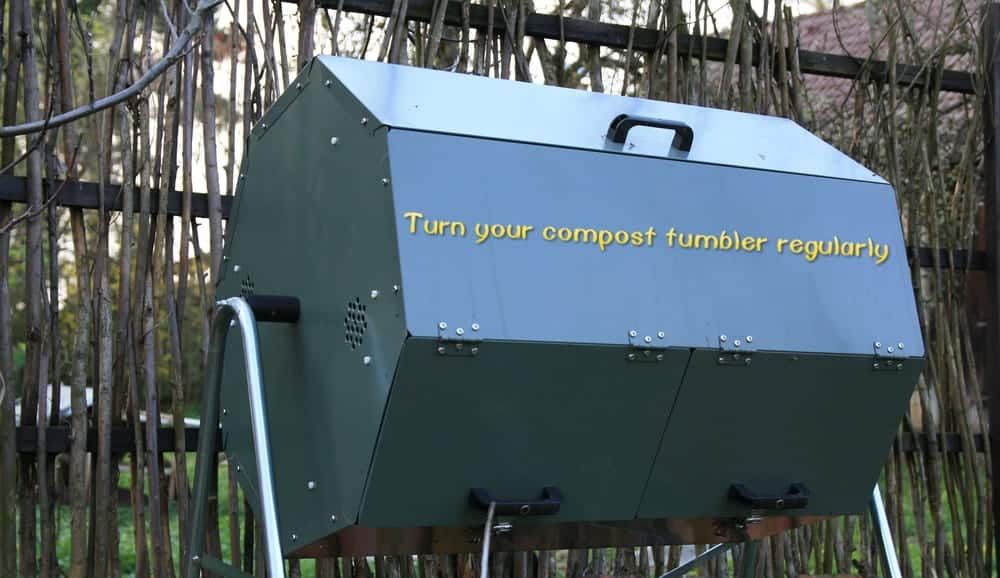
• Turn regularly: Every 1-2 weeks, mix your pile to aerate it and speed up decomposition.
• Monitor moisture: The pile should feel like a damp sponge – not soggy or dry.
• Chop materials: Smaller pieces decompose faster and create better texture.
• Cover with browns: When adding new greens, cover them with a layer of browns to control odors.
• Watch temperature: A healthy pile will heat up as microbes work, reaching temperatures of 130-160°F.
If your pile smells bad, it might be too wet or lacking oxygen. If it’s not heating up, you may need more greens or better aeration. Patience pays off – composting is a natural process that takes time, typically 3-6 months for finished material.
Troubleshooting Common Problems
Even experienced composters face issues sometimes. Here are common problems and solutions:
• Smelly pile: Usually caused by too many greens or lack of airflow. Add more browns and turn the pile.
• Too dry: Water it down and add more greens.
• Too wet: Add more browns and turn frequently.
• Pests attracted: Avoid meat, dairy, and oily foods. Cover food scraps properly.
• Slow decomposition: Check if you’re turning it enough or if the pile is too small.
These challenges are normal and usually easy to fix. The key is understanding what each symptom means and taking corrective action. Remember, composting is more of an art than a science – it’s all about learning from experience and adjusting your methods accordingly.
Benefits Beyond the Garden
Sustainable composting offers benefits that extend far beyond your garden. It’s a form of waste reduction that significantly impacts your environmental footprint. By composting, you divert approximately 30% of household waste from landfills, where it would otherwise produce methane, a potent greenhouse gas. This simple practice can reduce your household’s carbon footprint substantially. Additionally, composting teaches valuable lessons about cycles and sustainability that are increasingly important in our world. It provides a hands-on way to connect with nature and understand how ecosystems work. Many people find that composting becomes a meditative practice, offering a sense of accomplishment and connection to the earth. Plus, homemade compost often produces better results than store-bought alternatives, saving money while delivering superior plant health.
Sustainable composting isn’t just a trend – it’s a practical solution that brings together environmental responsibility and gardening satisfaction. Starting is easier than you might think, requiring only basic supplies and willingness to learn. The rewards come in many forms: healthier soil, reduced waste, lower grocery bills, and a deeper connection to the natural world. Whether you’re growing vegetables, flowers, or simply trying to live more sustainably, composting gives you something valuable in return for minimal effort. The journey from kitchen scraps to garden gold is both satisfying and impactful. So grab a container, gather some materials, and start your composting adventure today. You’ll be amazed at what you can accomplish with a little patience and care.