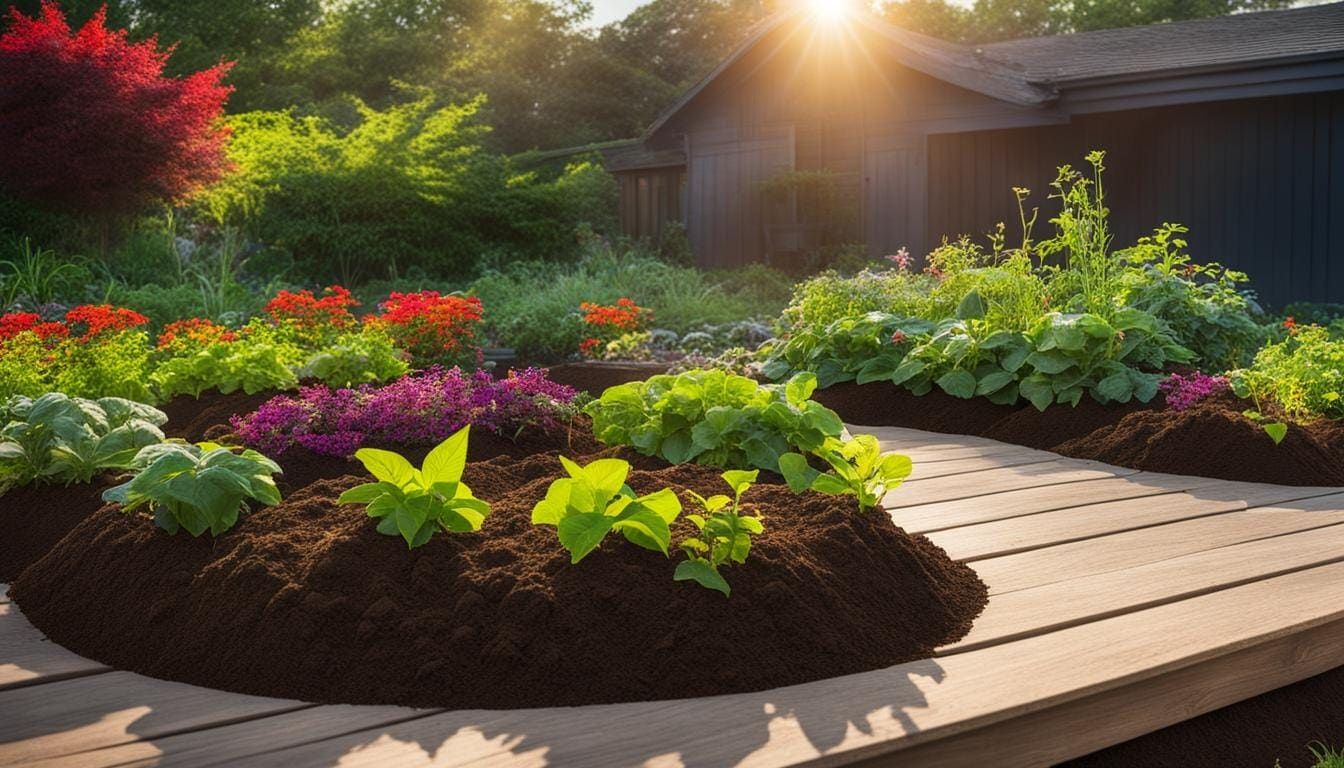
Every flower, every vegetable, every leaf planted in your backyard could be part of a larger movement toward a healthier planet. It’s easy to feel overwhelmed by the scale of environmental challenges we face today, but sometimes the most powerful changes start right in our own backyards. The simple act of creating a garden isn’t just about growing food or pretty flowers – it’s about building a foundation for ecological restoration and sustainable living.
Imagine walking through a neighborhood where every house has a small plot of land filled with vegetables, herbs, and native plants. Picture the air being cleaner, the soil richer, and communities more connected. This isn’t some utopian dream – it’s a vision that’s already taking root in backyards across the country. What if I told you that your garden could be a catalyst for bigger environmental change? That’s exactly what’s happening in communities nationwide, where individuals are choosing to invest in their outdoor spaces as acts of environmental stewardship.
The Power of Local Food Systems
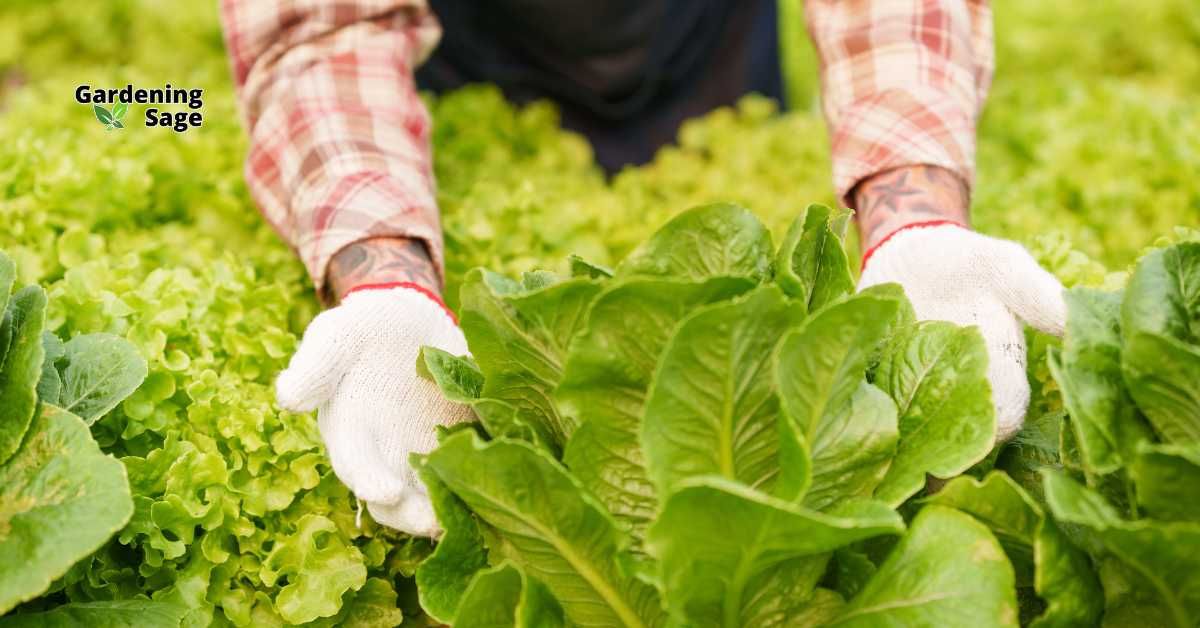
When you grow your own food, you’re not just getting fresher produce – you’re participating in a revolution that’s reshaping how we think about agriculture. Think about the journey your typical grocery store tomato takes: from farm to truck to warehouse to store shelf, often traveling hundreds of miles. By contrast, a homegrown tomato might travel just a few feet from your garden to your table. This shift reduces carbon emissions significantly. According to research, local food systems can cut transportation-related emissions by up to 70%. But there’s more to it than just the environment. Growing your own food gives you control over what goes into your produce. No pesticides, no chemical fertilizers, just pure, clean nutrition.
Consider the impact of starting with just a few containers on your windowsill. You might grow basil, tomatoes, or lettuce. These aren’t just plants – they’re the beginning of something much bigger. As more people adopt this practice, the demand for locally-grown produce increases, encouraging farmers to shift toward sustainable practices. This creates a ripple effect that extends far beyond individual gardens.
Creating Habitat for Wildlife
A garden isn’t just a place for growing things – it’s a sanctuary for countless creatures that help maintain the balance of nature. When you plant native species, you’re essentially offering shelter and sustenance to birds, butterflies, bees, and other beneficial insects. Native plants have evolved alongside local wildlife over thousands of years, so they provide exactly what these creatures need. For example, milkweed plants are essential for monarch butterfly larvae, while native wildflowers support diverse pollinator populations.
Butterfly gardens, pollinator gardens, and even bird-friendly spaces all contribute to biodiversity. In fact, studies show that urban gardens can support up to 40% more bird species than traditional lawns. The beauty of this approach is that it works whether you have a sprawling backyard or a tiny balcony. Even a small container garden can provide crucial habitat. The key is understanding what native plants thrive in your area. You might find that a few strategically placed perennials can transform your space from a barren patch into a bustling ecosystem.
Soil Health and Carbon Sequestration
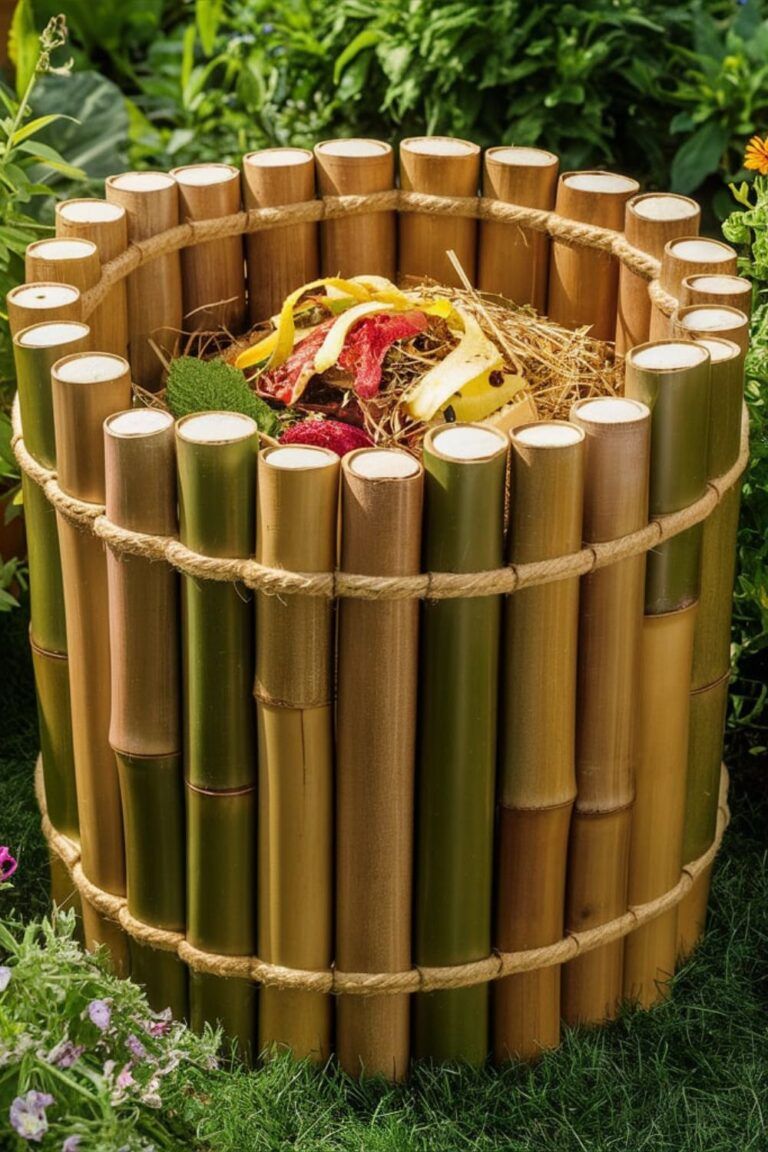
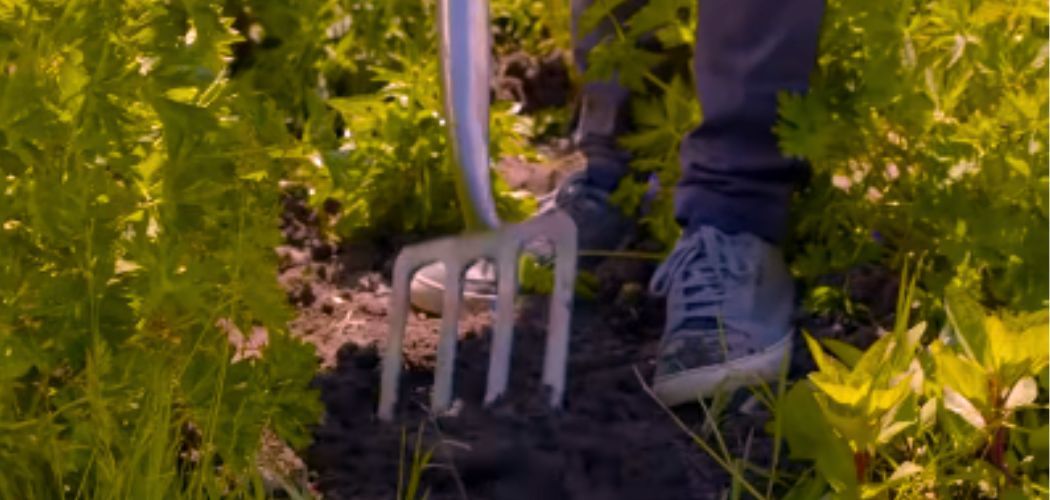
Beneath your garden lies one of the most important resources on Earth: soil. Healthy soil isn’t just dirt – it’s a living ecosystem teeming with microorganisms, earthworms, and organic matter. When you practice composting and avoid harmful chemicals, you’re nurturing this incredible system. Composting kitchen scraps and yard waste creates nutrient-rich humus that feeds your plants while improving soil structure. This process also helps reduce methane emissions from landfills, since organic waste decomposing in landfills produces potent greenhouse gases.
The real magic happens when you consider soil’s role in carbon storage. Plants pull carbon dioxide from the atmosphere through photosynthesis, storing it in their roots and leaves. When this organic matter decomposes in healthy soil, that carbon gets locked away for years or decades. A well-maintained garden can sequester significant amounts of carbon. Research indicates that urban gardens alone could potentially remove millions of tons of CO2 from the atmosphere annually. It’s not just about what you grow – it’s about how you care for the ground beneath your feet.
Water Conservation Through Smart Gardening
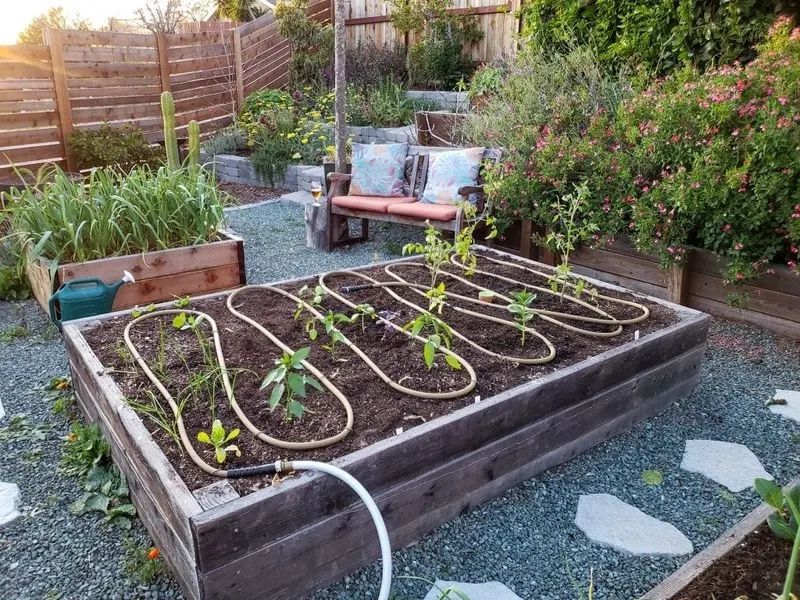
Water scarcity affects billions of people worldwide, and gardening offers a practical way to address this challenge. Smart gardening techniques can dramatically reduce water usage while maintaining productive gardens. Rainwater harvesting systems, for instance, collect precipitation for later use. You might install a simple barrel under a downspout to capture runoff from your roof. This collected water can sustain your plants during dry spells without relying on municipal supplies.
Drought-tolerant plants are another game-changer. These species have adapted to survive with minimal water, making them perfect for regions facing water shortages. Think lavender, sedum, and ornamental grasses. These plants require less maintenance and still provide visual appeal. Mulching is also crucial – it retains moisture in the soil and prevents evaporation. A layer of organic mulch can reduce water needs by up to 50% while suppressing weeds. This means fewer resources used and more efficient water management.
Community Building and Education
Gardens have always been places where people come together, but today they serve as centers for learning and connection. Community gardens bring neighbors together, fostering relationships that might otherwise never form. When families work side by side in shared spaces, they build trust and mutual support. These connections often extend beyond the garden walls, creating networks of people committed to environmental stewardship.
Educational opportunities abound in garden settings. Children learn about biology, ecology, and nutrition firsthand. They see how plants grow, how insects pollinate flowers, and how food comes from the earth. This hands-on experience creates lasting memories and understanding. Many schools now incorporate garden-based learning programs because students engage more deeply with subjects when they can touch, smell, and taste what they’re studying. The knowledge gained in these spaces often inspires lifelong commitment to sustainable practices.
Reducing Plastic Waste and Chemical Dependency
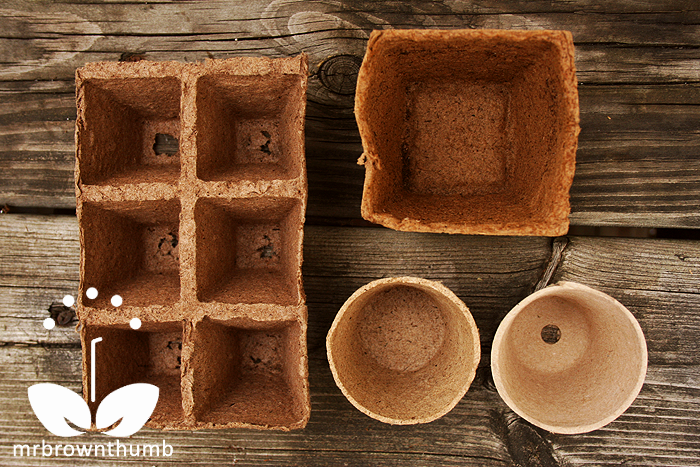
Every garden offers an opportunity to reduce plastic waste and dependence on synthetic chemicals. Instead of buying pre-packaged seeds and fertilizers, you can save seeds from your harvests and make your own compost. This creates a closed-loop system where everything finds new purpose rather than ending up in landfills. Plastic pots and containers can be reused year after year, or transformed into creative planters using old buckets, bottles, or even discarded furniture.
Chemical-free gardening methods are not only better for the environment but also for your health. Organic pest control methods like companion planting, beneficial insects, and natural sprays offer effective alternatives to harmful pesticides. For instance, planting marigolds alongside tomatoes can deter nematodes naturally. These approaches reduce exposure to toxins that might otherwise enter your food chain. Plus, they’re often more cost-effective in the long run, saving money on expensive synthetic inputs while building resilience in your garden ecosystem.
Building a greener future through garden beds isn’t about perfection – it’s about progress. Every small action contributes to a larger transformation. Whether you’re growing herbs on a windowsill or tending a large vegetable plot, you’re participating in a movement that’s changing how we think about our relationship with the environment. The impact of individual gardens compounds across neighborhoods, cities, and regions, creating a network of ecological restoration. Your garden becomes a microcosm of sustainable living, demonstrating that environmental responsibility can be both practical and deeply satisfying. So grab your gloves, get your hands dirty, and remember – the biggest changes often begin with the smallest actions. The earth is waiting for your green thumb, and it’s ready to benefit from your care.