Every gardener knows the frustration of planting something beautiful only to forget what it actually is. You’ve probably stared at your garden bed wondering if those mysterious green shoots are actually your prized tomatoes or just some random weed. What if there was a simple, natural solution that not only helps you identify your plants but also supports your garden’s ecosystem? Enter compostable plant labels – the sustainable alternative to plastic tags that will revolutionize how you organize your garden space.
Gardening is both an art and a science, requiring patience, care, and organization. But let’s face it – even the most experienced gardeners sometimes struggle to remember which plants are where. Traditional plastic plant tags might seem convenient, but they contribute to environmental waste and don’t decompose naturally. What if we could solve this problem while being kinder to our planet? That’s exactly what compostable plant labels offer. These simple, earth-friendly alternatives are easy to make, completely biodegradable, and just as functional as their plastic counterparts. Whether you’re a seasoned green thumb or just starting out, creating your own compostable labels can transform your gardening experience.
Why Choose Compostable Plant Labels?
Traditional plastic tags have their drawbacks. They break down slowly, often taking decades to decompose fully. They also end up in landfills, contributing to the growing problem of plastic pollution. Compostable labels offer a better solution. Made from natural materials like cardboard, wood, or even newspaper, these tags break down within months when properly composted. They’re also cost-effective and can be made from materials you already have at home. Plus, they add organic matter to your compost pile rather than removing it. Think about it – instead of throwing away your old plant markers, you’re adding them to your garden’s nutrient cycle. That’s pretty cool when you think about it. The main benefits include: • Eco-friendly decomposition • Cost savings • Versatility in materials • Natural integration with composting systems • No harmful chemicals or plastics
Materials You’ll Need
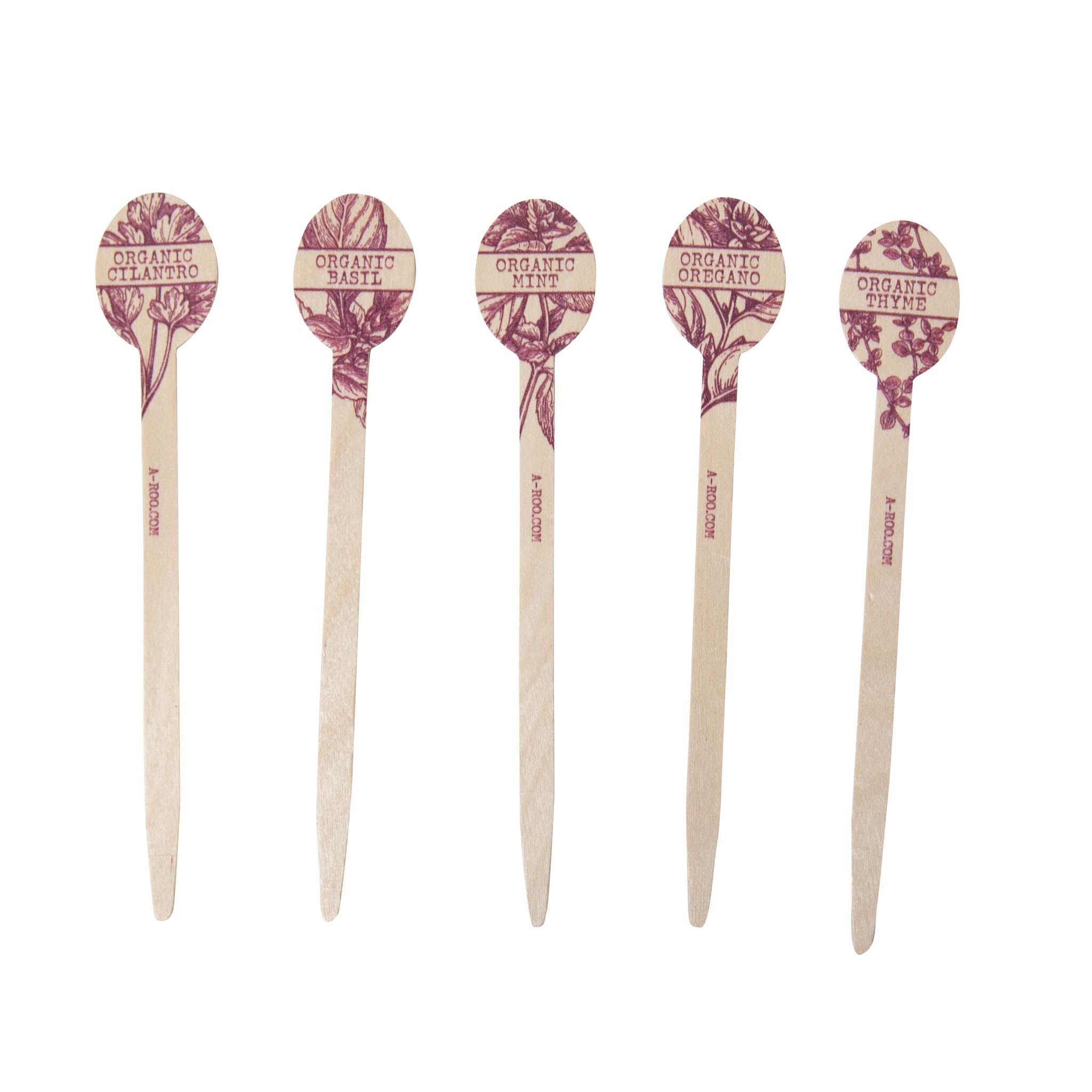
Creating your own compostable plant labels requires minimal supplies, many of which you might already have around your house. Here’s what works best: • Cardboard or thick paper (from cereal boxes, packaging) • Natural dyes or food coloring • Pencils or fine-tip markers • Scissors or craft knife • Small wooden sticks or toothpicks • Natural glue or paste • Optional: Biodegradable sealant for weather protection The beauty of these materials is that they’re all readily available and completely safe for your garden. Cardboard is particularly good because it’s sturdy enough to hold up in the garden while still breaking down naturally. You can even use old newspapers or magazines for writing, though be careful not to use glossy pages that might contain harmful chemicals. Remember, the goal is to use materials that won’t harm your plants or soil.
Basic DIY Techniques
The simplest approach involves cutting small rectangles from cardboard or thick paper. Cut each tag about 2 inches by 4 inches, then write your plant names using pencils or natural ink. You can also use a craft knife to carve letters into thin wood pieces for a rustic look. For added durability, consider coating the edges with natural glue or paste. This prevents water damage and makes the labels last longer. Another fun technique is to create small holes at the top of each tag so you can string them together with twine or yarn. This makes organizing your garden beds much easier. The key is keeping things simple – overly complex designs might look nice but could actually reduce the lifespan of your labels in the garden.
Creative Design Ideas
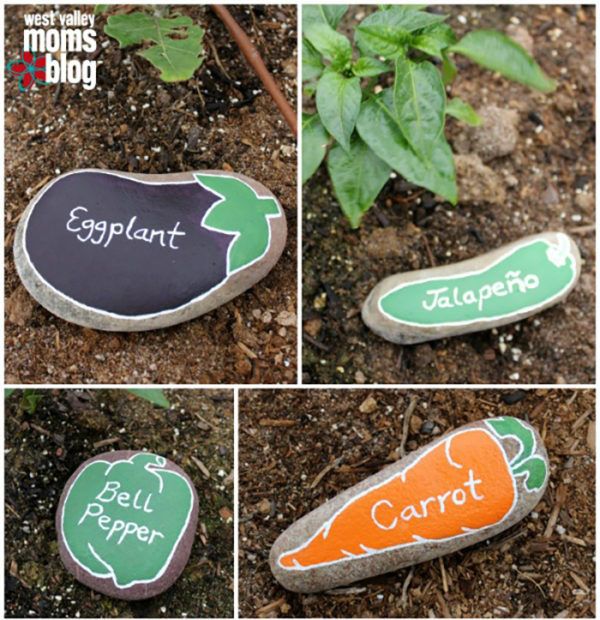
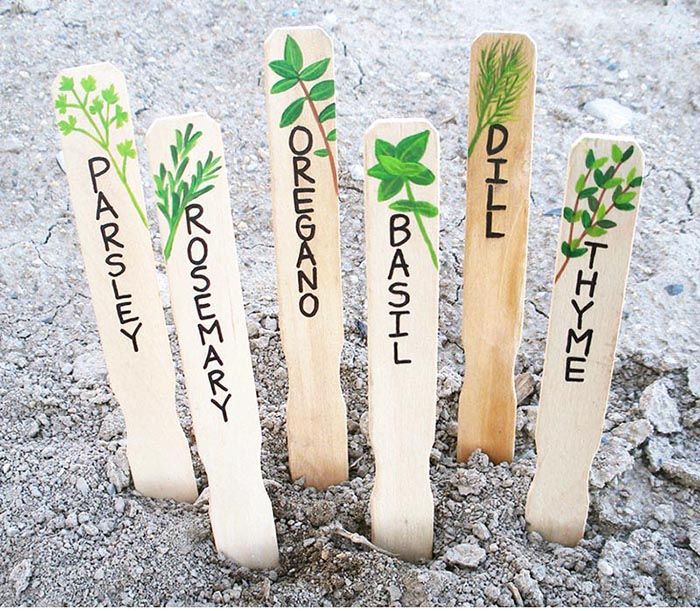
Don’t let your labels be boring! There are plenty of ways to make them visually appealing while staying true to their compostable nature. Try using different colored papers to represent different plant families. Green for herbs, blue for flowers, red for vegetables. You can also draw simple illustrations like tiny leaves, flowers, or vegetable shapes. Some gardeners even create custom symbols for their favorite plants. The important thing is to keep it simple and readable. Consider making a set of labels for common plants you grow, so you always know what’s what. Adding small details like little drawings of tomatoes or peppers can make identification quick and fun. Remember, your labels are part of the garden’s aesthetic, so make them reflect your personal style.
Making Labels for Specific Plants
Different plants might need different approaches for labeling. For example, tomatoes benefit from labels that clearly show "Tomato" or "Cherry Tomato" since they’re often planted close together. Herbs like basil and rosemary can be labeled with their scientific names or common names. Vegetables like carrots and beans might need extra-large labels since they’re often planted in rows. You might want to create special labels for plants that are hard to identify at first growth stage. For instance, lettuce seedlings look very similar to weeds until they develop their characteristic leaves. Having clear labels from the beginning saves confusion later. Consider making labels that include planting dates or harvest times for extra garden planning help. These extra details can make a big difference in successful gardening.
Maintenance and Longevity Tips
Even compostable labels need some care to last as long as possible in your garden. First, avoid placing them directly in areas with heavy water exposure. Instead, position them near the base of plants where they’ll get some protection. If you’re concerned about weather damage, you can lightly coat the labels with natural oils like coconut oil or beeswax. This creates a protective barrier without harming the environment. Check your labels regularly during rainy seasons and replace any that become too soggy or damaged. The key is finding the right balance between durability and biodegradability. A label that lasts two weeks is better than one that disappears after a day. Also, consider using multiple smaller labels rather than one large one – they’re less likely to get lost or torn.
Compostable plant labels aren’t just a trendy gardening accessory – they’re a practical solution that aligns with sustainable living principles. By making your own labels, you’re not only saving money but also reducing waste and creating a more environmentally friendly garden space. These simple DIY projects require minimal investment and can be customized to fit any gardening style or preference. Whether you’re growing a small herb garden or managing a large vegetable plot, having reliable, natural plant identification makes all the difference. The next time you’re planning your garden layout, consider starting with a batch of homemade compostable labels. You’ll find that they’re not just useful for identification – they’re a satisfying way to connect with your garden’s natural rhythm. Plus, when it’s time to clean up your garden at the end of the season, these labels can simply go into your compost pile, completing their journey back to the earth. It’s a beautiful cycle that every gardener can appreciate.