When you think about protecting your hands, what comes to mind? Maybe a simple pair of latex gloves or perhaps something more robust for heavy-duty work. But what if I told you that the choice between different glove materials could have a significant impact on our environment? It’s true, and it’s one of those small decisions that can add up to big changes.
We all wear gloves sometimes. Whether we’re washing dishes, gardening, cleaning, or handling hazardous materials, our hands need protection. But have you ever stopped to consider what happens to those gloves after they’ve served their purpose? Traditional gloves often end up in landfills, where they can take decades to decompose. Enter sustainable gloves – a growing category of hand protection that’s changing how we think about environmental responsibility. These aren’t just about keeping your hands safe; they’re about keeping our planet healthy too. Let’s explore what makes nitrile-coated sustainable gloves different and why they matter.
Understanding Traditional Glove Materials
Traditional gloves have long been made from materials like latex and vinyl. Latex gloves, while effective, come with their own set of environmental concerns. They’re derived from natural rubber trees, but the process of harvesting and manufacturing them isn’t always eco-friendly. The latex itself is biodegradable, but when combined with chemicals and additives, it becomes much more problematic. Vinyl gloves, another common choice, are made from petroleum-based plastics that can release harmful substances during production and disposal. Both of these materials contribute to pollution and waste issues. What’s particularly concerning is that many of these gloves are designed for single-use, meaning they’re thrown away after just one or two uses. This creates a massive amount of waste that ends up in landfills or even polluting our oceans. The manufacturing processes for these traditional materials also tend to be energy-intensive and may involve toxic chemicals that can harm workers and communities near production facilities. Consider the lifecycle of a typical disposable latex glove – from tree tapping to processing to packaging to disposal. Each step has environmental implications that often go unnoticed by consumers.
What Makes Nitrile Coated Gloves Sustainable?
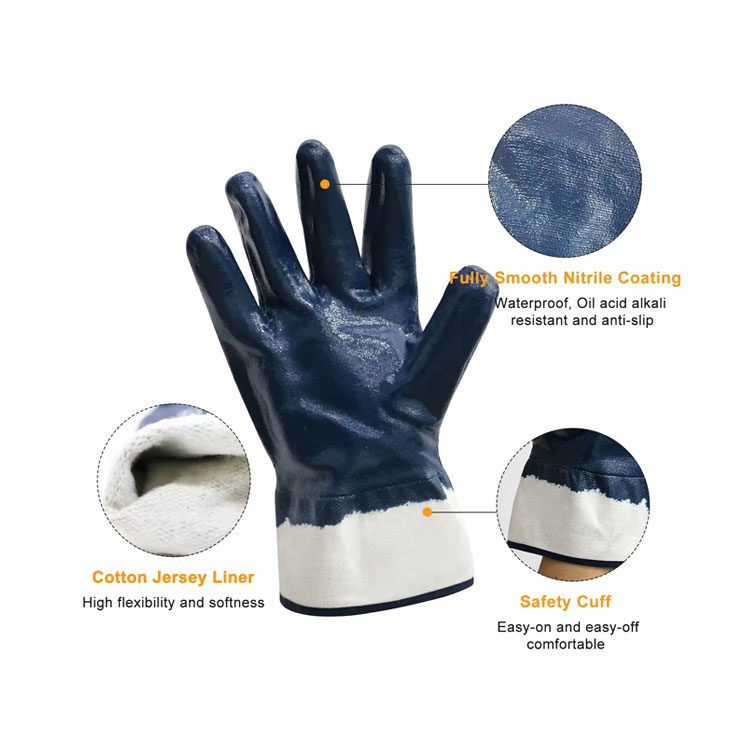
Nitrile-coated gloves represent a different approach entirely. Nitrile is a synthetic rubber that offers excellent chemical resistance and durability. Unlike latex, it’s made from petroleum, but the manufacturing process is generally considered less environmentally damaging than latex production. When used in sustainable glove construction, nitrile coatings can provide several advantages. First, they’re often made from recycled materials or produced using more efficient methods. Many manufacturers now use bio-based nitrile, which is derived from renewable resources rather than purely fossil fuels. The coating itself is typically applied in thin layers, reducing overall material usage compared to traditional methods. Some sustainable nitrile gloves incorporate recycled content from post-consumer waste streams. This means that old nitrile products can be repurposed into new gloves, creating a circular economy approach. The durability factor is crucial too – nitrile gloves often last much longer than traditional options, meaning fewer replacements and less waste overall. When you look at the complete picture, sustainable nitrile gloves offer a more responsible alternative to conventional alternatives.
Life Cycle Assessment Comparison
To really understand the environmental benefits, we need to look at life cycle assessments. These studies track materials from creation through disposal, measuring everything from resource consumption to emissions. A life cycle analysis comparing traditional gloves to sustainable nitrile options shows some striking differences. Traditional latex gloves require extensive water usage in production, along with significant amounts of energy for processing. The rubber extraction process also involves pesticides and fertilizers that can contaminate local ecosystems. In contrast, sustainable nitrile production often uses less water and generates fewer pollutants. The energy required to produce nitrile-coated gloves is typically lower than for latex, especially when bio-based versions are used. During use, nitrile gloves show superior durability, which means they’re less likely to tear or break. This translates to fewer replacements and reduced overall material consumption. When these gloves eventually reach the end of their useful life, sustainable options are often designed with recycling in mind. Some manufacturers offer take-back programs where used gloves can be returned for proper recycling. The decomposition rate for nitrile is actually faster than many plastics, though still not instant. However, the overall environmental footprint remains significantly lower due to reduced material needs and better durability.
Production Process Differences
The way gloves are manufactured makes a huge difference in their environmental impact. Traditional glove makers often use processes that involve harsh chemicals and generate substantial waste. The latex industry, for example, requires large quantities of water for processing and can create wastewater containing harmful substances. Many of these facilities lack proper treatment systems, leading to contamination of local water sources. The vulcanization process – essential for creating durable gloves – often requires high temperatures and can produce air pollutants. Sustainable nitrile glove production takes a different path. Modern manufacturing techniques focus on reducing waste and emissions. Many companies now implement closed-loop systems that recycle water and chemicals back into the production process. Energy efficiency improvements mean less reliance on fossil fuels. Some manufacturers have switched to renewable energy sources like solar or wind power. The actual coating process for nitrile is also more precise, allowing for thinner, more uniform layers that reduce material waste. Additionally, sustainable glove producers often source materials responsibly, ensuring that raw materials are obtained ethically and with minimal environmental damage. This includes tracking supply chains to avoid deforestation or other harmful practices. The result is a cleaner production process that’s better for both workers and the planet.
End-of-Life Considerations
What happens to gloves after we’re done with them matters enormously. Traditional gloves often end up in landfills where they can persist for decades. Latex gloves, despite being naturally derived, become problematic when mixed with synthetic components and treated with chemicals. They break down very slowly and can release methane gas as they decompose. Vinyl gloves are particularly concerning because they’re made from PVC, a plastic that can leach harmful chemicals into soil and groundwater. Even when they do decompose, it’s a slow process that can take hundreds of years. Sustainable nitrile gloves offer better end-of-life options. Many are designed to be recyclable, either through specialized programs or at home if properly sorted. Some manufacturers partner with recycling companies to ensure proper disposal. The nitrile material itself breaks down more readily than many plastics, though not instantly. The coating layer is usually removable, making recycling easier. Some brands even offer refill programs where you return used gloves and receive new ones at a discount. This creates a circular system that reduces overall waste. Even if recycling isn’t available locally, sustainable nitrile gloves still produce less waste per use than traditional options. They last longer, so fewer individual gloves are needed over time. This reduction in consumption directly translates to less environmental impact.
Real-World Examples and Case Studies
Let’s look at some concrete examples of how sustainable nitrile gloves are making a difference. A major automotive manufacturer switched from traditional latex gloves to nitrile-coated sustainable options across their assembly lines. The results were impressive – they reduced glove-related waste by 60% in just one year. The durability improvement meant workers didn’t need to change gloves as frequently, cutting down on replacement costs and waste. Another example comes from a hospital system that implemented sustainable gloves in their cleaning protocols. Not only did they see improved worker safety, but they also cut their glove waste by nearly half. The hospital saved thousands of dollars annually while reducing their environmental footprint. In the food service industry, restaurants have reported similar success stories. One chain of fast-food restaurants found that switching to sustainable nitrile gloves helped them meet their sustainability goals while maintaining the protection their staff needed. The gloves performed just as well, if not better, than their traditional counterparts. A study conducted by a major university showed that when 1000 households switched from standard gloves to sustainable nitrile options, they collectively reduced their waste by over 200 pounds per month. These aren’t just theoretical benefits – they’re real-world impacts that demonstrate the tangible difference these choices can make.
Cost-Benefit Analysis Over Time
When considering sustainable gloves, cost is often the first concern. Yes, they might seem more expensive upfront, but looking at the full picture tells a different story. Traditional gloves may cost less initially, but they often need replacing more frequently. If you’re using gloves for cleaning or food preparation multiple times daily, the cost of constant replacement can add up quickly. Sustainable nitrile gloves, while having a higher initial price, typically last much longer. This means fewer purchases over time, which can save money in the long run. Think about it – if you buy a $3 glove that lasts three months versus a $7 glove that lasts a year, the sustainable option wins out financially. Beyond the monetary savings, there are additional benefits that pay dividends. Reduced waste means fewer trips to the trash, which saves time and effort. For businesses, this can translate into lower waste management costs and better sustainability ratings. Many organizations report improved employee satisfaction when they switch to more environmentally friendly products. There’s also the potential for tax incentives or grants for businesses that demonstrate commitment to sustainability. Some industries require compliance with environmental standards, and sustainable gloves can help meet those requirements. The investment in sustainable gloves often pays off not just economically, but socially and environmentally as well.
Making the Switch: Practical Tips
Ready to make the switch? Here are some practical steps to help you transition to sustainable nitrile gloves. Start by assessing your current glove usage patterns. Identify how often you use gloves and what activities they’re for. This helps determine the right type of sustainable glove for your needs. Look for certifications like Cradle to Cradle or Forest Stewardship Council labels, which indicate genuine environmental commitment. Consider the thickness and dexterity requirements for your specific tasks. Some sustainable gloves offer excellent tactile sensitivity, making them ideal for precision work. Check if your local area has recycling programs for gloves or if manufacturers offer take-back services. Many companies now provide information about proper disposal methods. Read the product specifications carefully – sustainable gloves vary in terms of chemical resistance, durability, and other features. Don’t assume that all sustainable gloves are identical. Try samples first to ensure they meet your performance needs. Remember that sustainable gloves aren’t just about the material – they’re also about responsible manufacturing and disposal. Look for brands that demonstrate transparency in their processes and environmental impact reporting. Consider bulk purchasing options for larger organizations to maximize savings and environmental benefits. Finally, educate yourself and others about the importance of making sustainable choices. Every purchase is a vote for the kind of world you want to live in.
Future Trends and Innovations
The sustainable glove market is rapidly evolving, with exciting innovations on the horizon. Researchers are developing new bio-based materials that could make gloves even more environmentally friendly. Some companies are experimenting with mushroom-based materials that could replace traditional plastics entirely. Advanced recycling technologies are making it easier to process used gloves, turning waste into valuable resources. Smart glove technology is emerging, where sensors can monitor glove condition and alert users when replacement is needed. This prevents unnecessary waste from overused gloves. Biodegradable coatings are being developed that break down completely within months rather than years. Some manufacturers are exploring plant-based nitrile formulations that combine renewable resources with the performance characteristics of traditional nitrile. Circular economy models are becoming more common, where companies design products specifically to be reused or recycled. These innovations suggest that the future of gloves will be even more sustainable than today. As awareness grows and regulations tighten, we can expect to see continued improvements in environmental performance. The key is staying informed about new developments and being willing to try new solutions.
Consumer Awareness and Education
One of the biggest challenges facing sustainable glove adoption is consumer awareness. Many people simply don’t know the environmental impact of their glove choices. They see gloves as disposable items with no deeper consequences. Education plays a crucial role in changing this mindset. When people understand that every glove purchase contributes to waste generation, they’re more likely to choose sustainable options. Schools, workplaces, and community organizations can play important roles in spreading awareness. Workshops showing the lifecycle of gloves can be eye-opening for many people. Social media campaigns featuring before-and-after scenarios help illustrate the impact of choices. Many retailers are starting to label products with environmental impact information, helping customers make informed decisions. Consumer reviews and testimonials about sustainable glove performance can influence others to try these options. The more people know about the benefits of sustainable gloves, the more demand there will be for them. This increased demand will drive innovation and make sustainable options more affordable. Creating a culture of conscious consumption starts with education and continues with action. Every person who chooses sustainable gloves is contributing to positive environmental change.
The choice between traditional gloves and sustainable nitrile-coated options isn’t just about personal protection – it’s about environmental stewardship. As we’ve seen, sustainable gloves offer numerous advantages over traditional alternatives. They’re more durable, often perform better, and have a significantly smaller environmental footprint. From production to disposal, every stage of the sustainable glove lifecycle is designed with the planet in mind. Real-world examples show that businesses and individuals can make meaningful contributions to environmental protection through this simple change. While there may be a slightly higher upfront cost, the long-term benefits in terms of reduced waste, improved performance, and environmental protection make sustainable gloves a smart investment. The future looks bright for sustainable glove technology, with ongoing innovations promising even greater environmental benefits. Making the switch to sustainable nitrile gloves is one of those small changes that can have a big impact. It’s a choice that protects not just our hands, but our planet too. Every pair of sustainable gloves represents a step toward a more responsible and sustainable future. So next time you’re buying gloves, consider the environmental impact and make a choice that supports both your needs and the health of our world.