When we think about taking care of our tools, we often focus on keeping them working well. But there’s another important angle that many of us overlook – how we maintain our tools can either hurt or help our environment. What if we could keep our hammers sharp, our wrenches functional, and our garden equipment running smoothly while also protecting the earth around us? This approach isn’t just good for the planet; it’s good for your wallet too.
Think about it – how many times have you reached for a cleaning product or lubricant that came in a plastic bottle, filled with chemicals that might harm your garden soil or water supply? The truth is, most of us don’t give much thought to the environmental impact of our tool maintenance routines. But here’s something worth considering: when we choose eco-friendly methods for keeping our tools in top shape, we’re actually making a choice that benefits not just our personal projects, but the entire ecosystem around us. Whether you’re a homeowner, gardener, or professional tradesperson, the small decisions we make about tool care can add up to big positive changes for our planet.
Natural Cleaning Solutions for Tool Maintenance
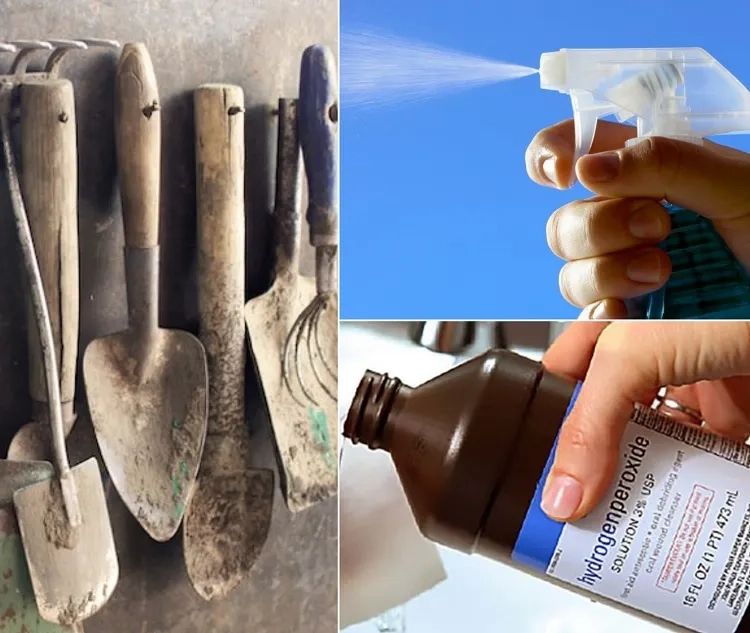
The first step toward green tool care is learning to clean your tools using simple, natural ingredients. Instead of reaching for harsh chemical cleaners that can contaminate soil and groundwater, try making your own cleaning solutions. A mixture of white vinegar and water works wonders for removing rust and grime from metal surfaces. You can also use baking soda to scrub away stubborn dirt. For tougher jobs, lemon juice provides natural acidity that breaks down grease and oil.
Consider this example: imagine you’ve been working in the garden all morning. Your shovel is covered in mud and dirt. Rather than using a commercial degreaser, you could simply sprinkle some baking soda on the blade, let it sit for a few minutes, then scrub with a brush. Rinse thoroughly with water and dry immediately. Not only does this method protect the environment, but it’s also much gentler on both your tools and your skin.
Some key advantages of natural cleaning include:
• No toxic fumes that can affect indoor air quality
• Cost-effective solutions made from common household items
• Safe for use around children and pets
• Biodegradable ingredients that won’t harm local ecosystems
Biodegradable Lubricants and Protective Coatings
When it comes to keeping your tools moving smoothly, many of us rely on petroleum-based lubricants that can persist in the environment for years. But there are excellent alternatives that work just as well. Plant-based oils like sunflower oil or coconut oil make great substitutes for traditional lubricants. These natural oils provide the same protection against rust and friction while being completely biodegradable.
One particularly effective option is using beeswax mixed with mineral oil to create a protective coating for metal tools. This combination creates a barrier that prevents moisture from contacting steel surfaces, effectively stopping rust formation. You can easily make this at home by melting together equal parts beeswax and mineral oil, then applying the mixture with a soft cloth.
For those who prefer ready-made products, look for lubricants labeled as "biodegradable" or "plant-based." These are becoming increasingly available and offer performance comparable to conventional options. Some popular choices include:
• Olive oil-based lubricants
• Soybean oil formulations
• Castor oil blends
• Mineral oil mixed with natural additives
These alternatives may cost slightly more upfront, but they’re much better for the environment and often last longer than their synthetic counterparts.
Proper Storage Techniques to Extend Tool Life
How you store your tools plays a huge role in how long they’ll last. Proper storage not only prevents damage but also reduces the need for replacements, which means less manufacturing waste and fewer resources consumed. Think about it – every time you buy a new tool, you’re contributing to the environmental impact of production, shipping, and disposal.
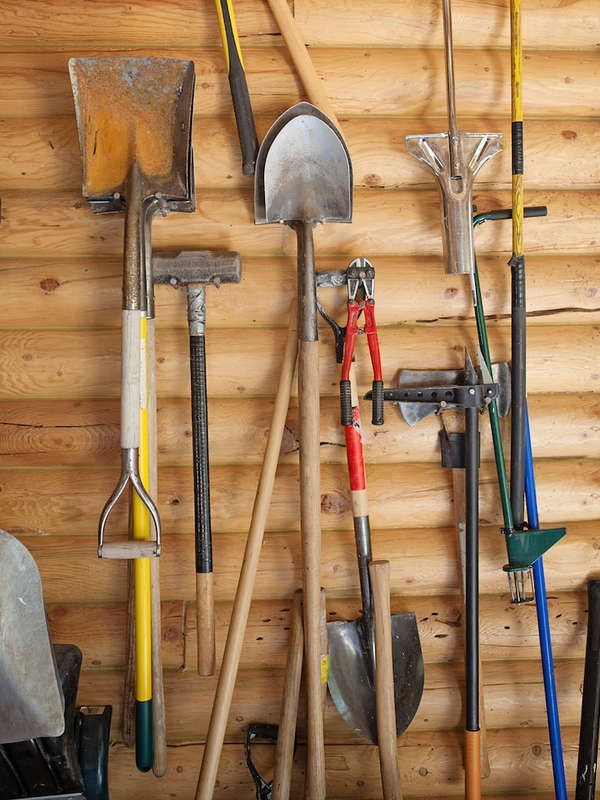
The simplest storage tip is keeping tools clean and dry before putting them away. Moisture is one of the biggest enemies of metal tools, causing rust and corrosion. Store tools in a dry location, preferably indoors or under cover. Consider investing in a tool rack or toolbox with good ventilation to prevent moisture buildup.
Another smart practice is organizing your tools properly. When everything has its designated place, you’re less likely to damage them during storage or retrieval. Using toolboxes with dividers or custom storage solutions helps prevent tools from bumping into each other.
Some additional storage strategies:
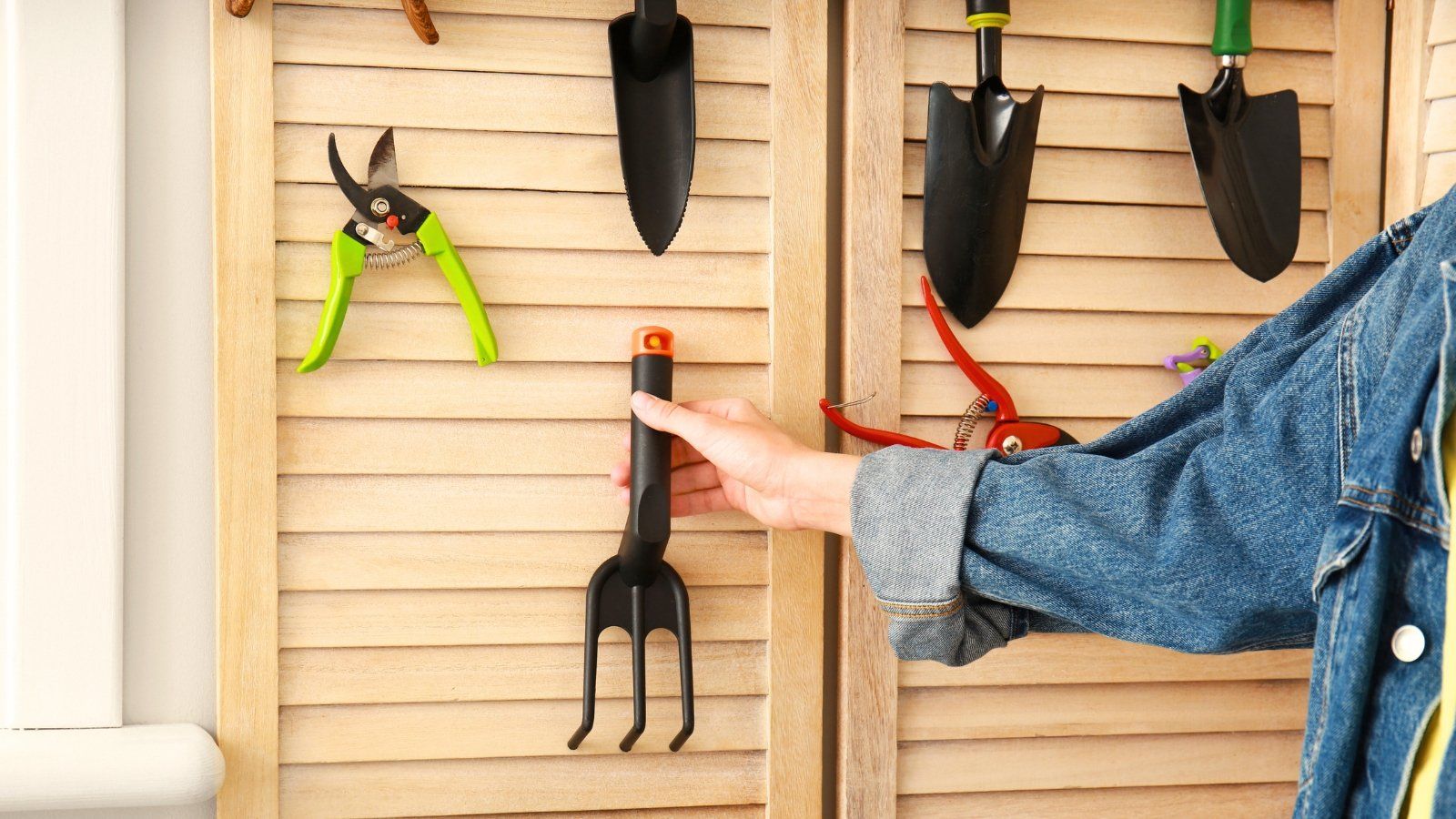
• Hang frequently used tools on pegboards or wall-mounted racks
• Use breathable storage containers instead of plastic bags
• Keep tools elevated off the floor to avoid moisture absorption
• Apply a light coat of natural oil periodically to prevent rust
Recycling and Repurposing Old Tools
Sometimes, despite our best efforts, tools do eventually reach the end of their useful life. Instead of tossing them into the trash, consider what can be done with old tools. Many metal tools can be recycled at appropriate facilities, helping reduce the demand for new raw materials. Steel and aluminum tools are especially valuable for recycling programs.
But even beyond recycling, there are creative ways to repurpose older tools. An old hammer might become a garden stake holder, or a worn-out screwdriver could transform into a tool for crafting small projects. Some gardeners turn rusty old trowels into decorative plant markers, while others use broken wrenches as garden art.
The beauty of repurposing lies in its ability to extend the lifecycle of materials that might otherwise end up in landfills. Here are some creative reuse ideas:
• Old drill bits can become garden markers or craft tools
• Worn-out saw blades can be transformed into decorative garden art
• Broken pliers can be cut into smaller tools for crafts
• Old measuring tapes can be turned into wall decorations
• Rusty metal tools can be painted and used as garden ornaments
This approach not only reduces waste but also sparks creativity and gives old tools a second chance at usefulness.
Water Conservation During Tool Cleaning
While cleaning tools, we often overlook one of our most precious resources – water. Simple habits can make a significant difference in reducing water usage during tool maintenance. For instance, instead of letting the tap run while scrubbing, fill a bucket with water and soap, then dip your tools in for cleaning.
Many gardeners and DIY enthusiasts have adopted the practice of using minimal water and reusing it when possible. For example, after cleaning tools with soapy water, save the solution and use it again for watering plants. This way, you’re getting two uses out of the same water source.
Water conservation techniques include:
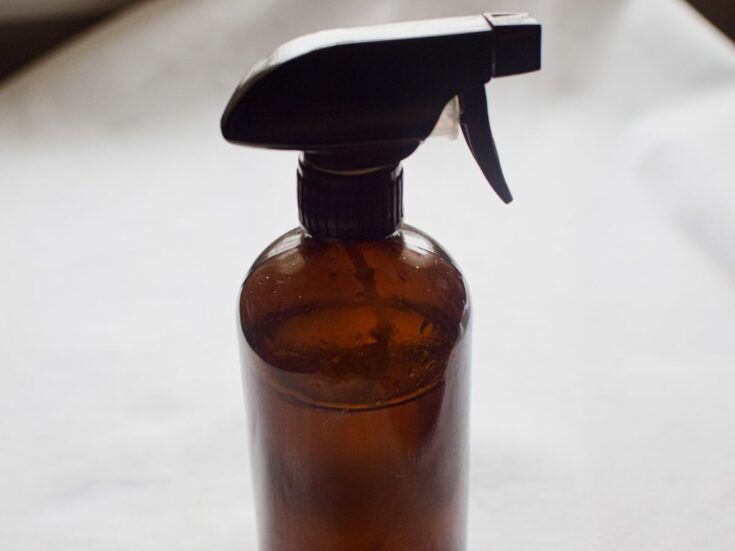
• Using a spray bottle filled with cleaning solution for targeted cleaning
• Collecting rinse water in buckets for reuse
• Cleaning tools in batches rather than individually
• Using microfiber cloths that require less water for cleaning
• Choosing dry cleaning methods when possible
In areas where water is scarce or expensive, these practices become even more important. Even in regions with abundant water supplies, reducing consumption shows respect for natural resources and can lead to lower utility bills.
DIY Maintenance Kits for Sustainable Tool Care
Creating your own maintenance kit using eco-friendly materials is both economical and environmentally responsible. Start with basic supplies like natural oils, cleaning powders, and brushes made from sustainable materials. You can build a kit that includes:
• Natural cleaning powders (baking soda, salt, cornstarch)
• Plant-based oils (sunflower, coconut, olive)
• Beeswax for protective coatings
• Microfiber cloths made from organic cotton
• Wooden brushes with natural bristles
• Biodegradable wipes for quick cleanups
• Natural sponges from sea kelp or other sustainable sources
Building a kit allows you to have everything you need for tool care right at hand. Plus, you control exactly what goes into your maintenance routine, ensuring nothing harmful gets introduced to your tools or environment. You can even customize your kit based on the types of tools you use most often.
Here’s how to start building your sustainable maintenance kit:
• Begin with essential items that cover 80% of your needs
• Purchase supplies in bulk to reduce packaging waste
• Look for refillable containers for oils and cleaning solutions
• Choose tools made from sustainable materials whenever possible
• Plan ahead for seasonal tool maintenance needs
A well-stocked eco-friendly kit can last years and save money compared to constantly buying commercial products.
Taking care of our tools in environmentally friendly ways isn’t just about being green – it’s about being smart. When we choose natural cleaning agents, biodegradable lubricants, proper storage techniques, and thoughtful recycling practices, we’re making choices that benefit everyone. The environment, our health, and our wallets all win when we adopt these sustainable approaches to tool maintenance. It’s easy to forget that every small action adds up over time. Whether you’re maintaining a single tool or managing an entire workshop, the principles remain the same. By incorporating these eco-conscious methods into your regular routine, you’re not just extending the life of your tools – you’re contributing to a healthier planet for future generations. So next time you reach for that cleaning product or lubricant, pause and consider whether there’s a greener alternative waiting in your kitchen cabinet or garage. Sometimes the most powerful change starts with the simplest decision.