When you think about gardening tools, you probably picture sturdy metal implements or traditional wooden handles. But what if I told you there’s a smarter, more sustainable way to approach your garden? It’s time to reconsider what goes into your garden toolkit—and why recycled plastic might just be the secret ingredient you’ve been missing.
In a world where sustainability is becoming increasingly important, gardeners are discovering that their choices extend far beyond plant care. The materials we use for our garden tools have a significant impact—not just on our gardens, but on the planet itself. While many people still default to traditional materials like steel or wood, recycled plastic garden tools offer a surprisingly compelling alternative. These aren’t just another trend—they represent a shift toward conscious consumption that benefits both gardeners and the environment. What makes these tools special isn’t just their functionality, but the hidden advantages they bring to the table.
Environmental Impact: A Cleaner Choice for Your Garden
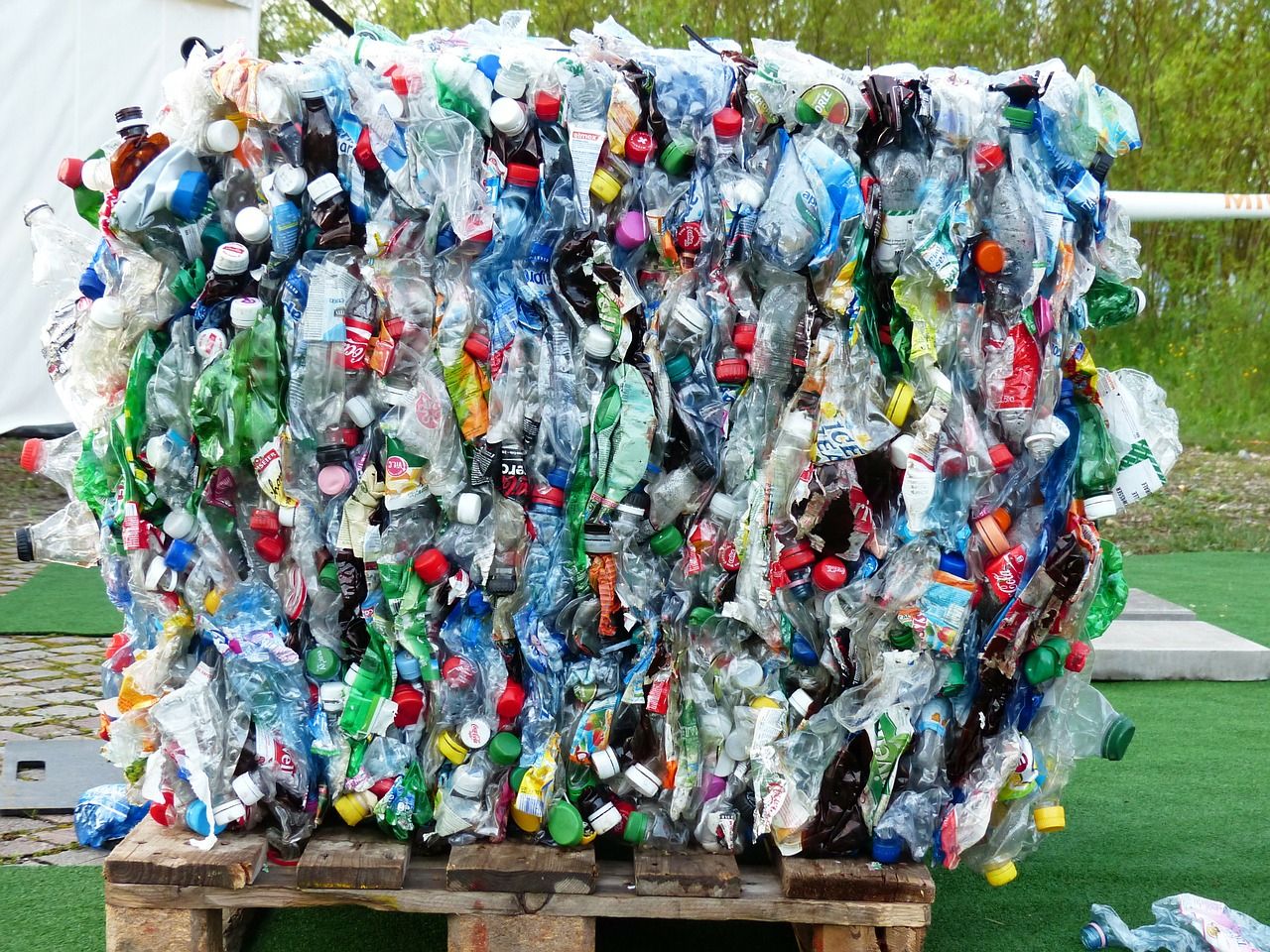
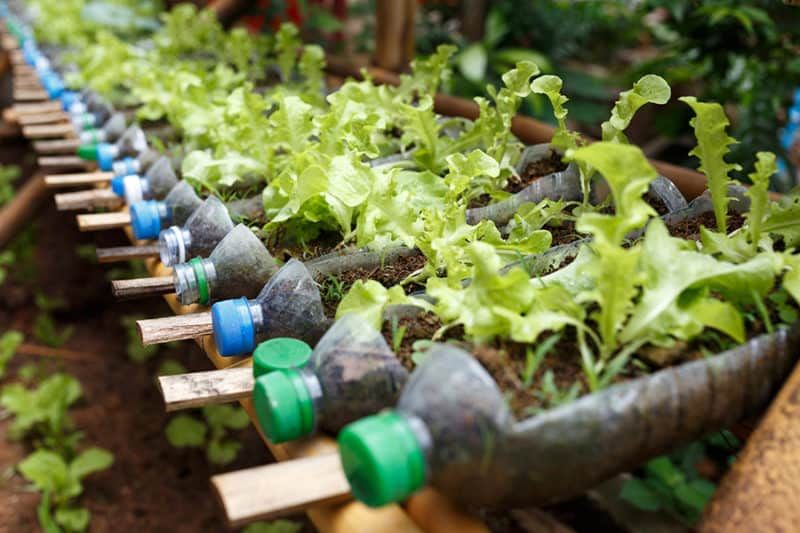
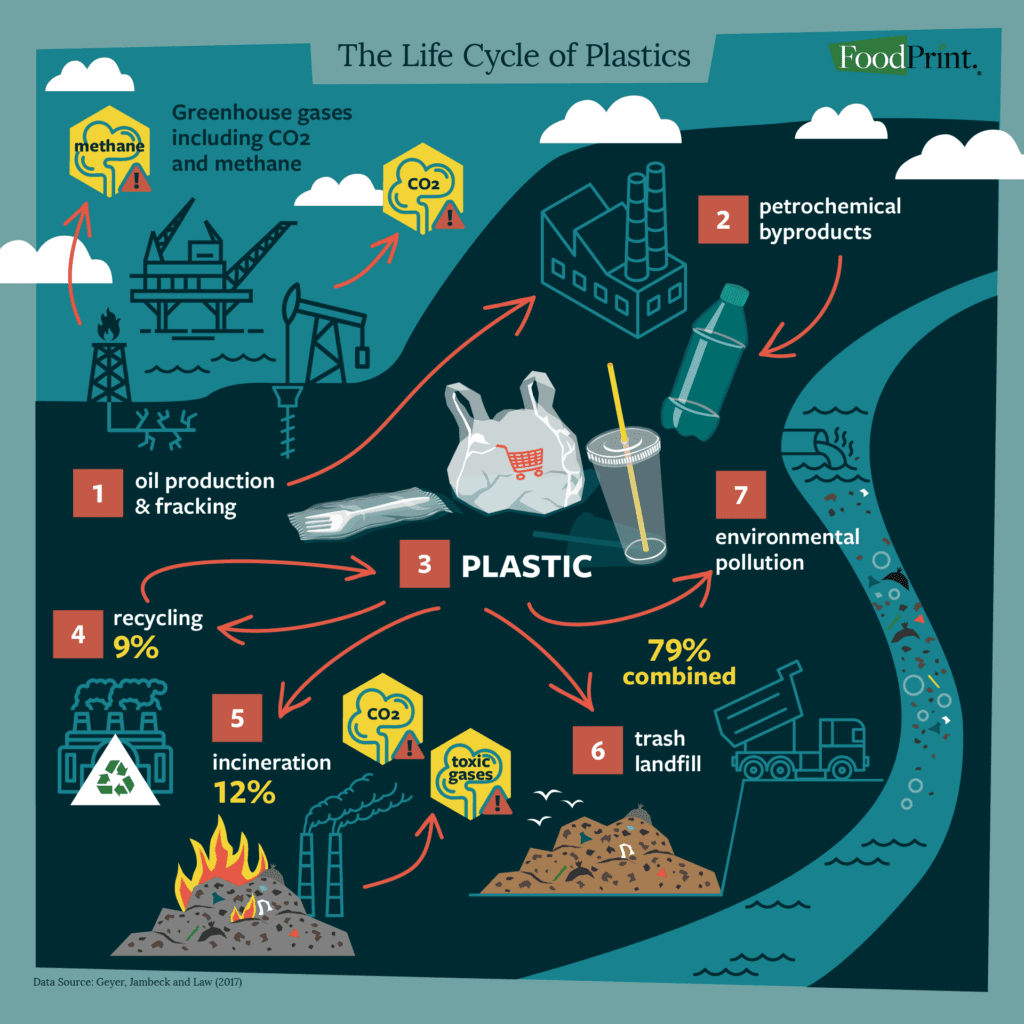
Let’s start with the obvious benefit—reducing environmental harm. Every recycled plastic tool represents a product that would otherwise end up in a landfill or ocean. Consider this: the average American uses 100 pounds of plastic per year, and much of it ends up as waste. When you choose recycled plastic garden tools, you’re helping divert materials from landfills and reducing the demand for new plastic production. This means less energy consumption, fewer greenhouse gas emissions, and reduced pollution from manufacturing processes. The environmental footprint of your gardening tools becomes a small but meaningful contribution to planetary health. Plus, many recycled plastic tools are made from post-consumer waste like milk jugs, detergent bottles, and even old garden furniture. It’s incredible to think that items you might have thrown away could now be helping you grow your favorite vegetables or flowers.
Durability That Surprises: Why Recycled Plastic Holds Up
One common misconception about recycled plastic tools is that they’re fragile or less durable than their virgin plastic counterparts. This couldn’t be further from the truth. Modern recycling techniques have significantly improved the strength and longevity of recycled plastic products. Many recycled plastic garden tools are engineered to withstand harsh weather conditions, UV exposure, and regular use. They resist cracking, fading, and warping better than some traditional materials. For example, recycled plastic rakes maintain their shape even after months of heavy use in various climates. The key is choosing high-quality tools made from properly processed recycled materials. Look for brands that specify the percentage of recycled content and the source material. Some manufacturers even add reinforcing agents to enhance durability. The result? Tools that last longer and perform just as well as standard plastic alternatives.
Cost-Effective Gardening Solutions
Another unexpected advantage of recycled plastic garden tools is their price point. Because they’re made from existing materials rather than new raw resources, they often cost less than traditional garden tools. This makes quality gardening equipment more accessible to people on different budgets. You get the same functionality and performance at a fraction of the cost. Plus, since these tools tend to last longer due to their enhanced durability, you’re investing in a product that will serve you for years rather than replacing it frequently. For budget-conscious gardeners, this represents excellent value. Think about it: a single high-quality recycled plastic trowel might cost $8 instead of $15, but it could last twice as long. Over time, that difference adds up. Many garden centers and online retailers now carry these tools at competitive prices, making them an attractive option for anyone looking to save money without compromising on quality.
Reduced Chemical Exposure and Health Benefits
Recycled plastic garden tools often mean fewer chemicals in your garden. Traditional plastic manufacturing involves numerous chemical processes that can leave trace residues in finished products. By choosing recycled options, you’re avoiding these potential contaminants. Additionally, many recycled plastic tools are produced using safer manufacturing methods. This matters because gardeners spend hours working in close contact with their tools. The less chemical exposure you have during gardening, the better. Some recycled plastic products are also certified as non-toxic, which provides peace of mind for those with children or pets around the garden. You’re not just protecting the environment—you’re also protecting yourself and your family. The absence of harmful chemicals in the tools means you can focus entirely on growing healthy plants without worrying about unwanted substances in your soil or on your hands.
Innovation in Design and Functionality
Don’t let the recycled nature of these tools fool you—many are actually more innovative than traditional options. Manufacturers are constantly improving recycled plastic designs to meet modern gardening needs. Features like ergonomic handles, lightweight construction, and improved grip textures are now standard in many recycled plastic tools. Some even incorporate features that make them easier to clean and maintain. The ability to mold recycled plastic into complex shapes allows for better design integration. For instance, some recycled plastic garden forks have unique tine configurations that make digging easier. Others feature built-in storage compartments for seeds or small tools. These innovations show that recycled plastic isn’t just about sustainability—it’s also about creating better, more thoughtful products. The technology behind recycled plastic gardening tools continues to advance, bringing new possibilities to gardeners everywhere.
Supporting Circular Economy Principles
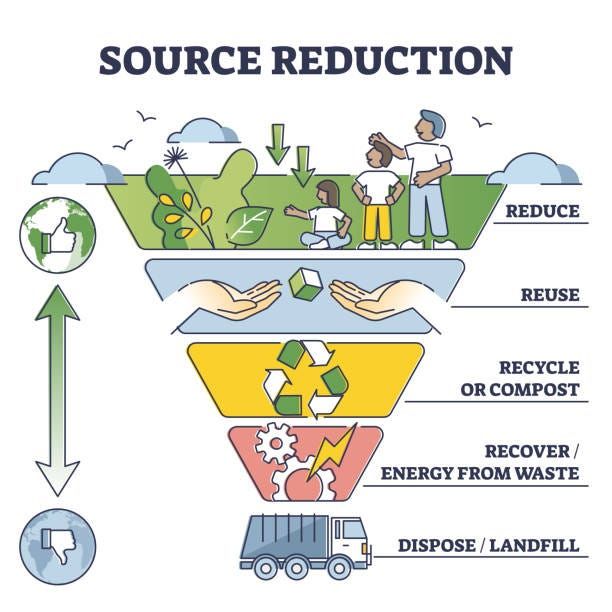
Choosing recycled plastic garden tools supports broader economic and environmental systems. When you purchase these products, you’re contributing to the circular economy—a model that keeps materials in use for as long as possible. This system reduces waste, creates jobs in recycling industries, and helps build more resilient local economies. It’s a positive feedback loop where consumer choices drive improvements in recycling technologies and practices. The ripple effects extend beyond your garden. When more people choose recycled products, it increases market demand, which encourages more investment in recycling infrastructure. You’re essentially voting with your wallet for a more sustainable future. Many companies that produce recycled garden tools are also committed to other eco-friendly practices, such as using renewable energy in their manufacturing processes or supporting environmental organizations. These tools represent a small but meaningful part of a larger movement toward responsible consumption.
The hidden benefits of choosing recycled plastic garden tools go far beyond simple sustainability. From environmental protection to cost savings and improved functionality, these tools offer compelling advantages that make them worth considering for any gardener. They prove that doing good for the planet doesn’t mean sacrificing quality or performance. Whether you’re a seasoned gardener or someone just starting out, recycled plastic tools represent a smart choice that aligns with modern values and practical needs. The next time you’re shopping for garden supplies, consider giving these innovative products a try. You might find they not only serve you well but also contribute to a healthier planet for future generations. The garden you tend today could be one of the many that benefit from the positive impact of sustainable choices.