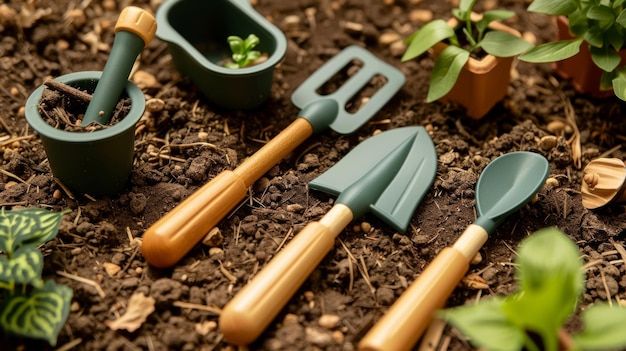
Picture this: You’re standing in your garden, ready to dig up some new plants. You reach for your trusty shovel, but wait – what if you could use something that’s better for the planet? That’s exactly what recycled plastic shovels offer. But do they really live up to their promises? Let’s explore how these modern alternatives compare to the tried-and-true metal tools we’ve all grown to rely on.
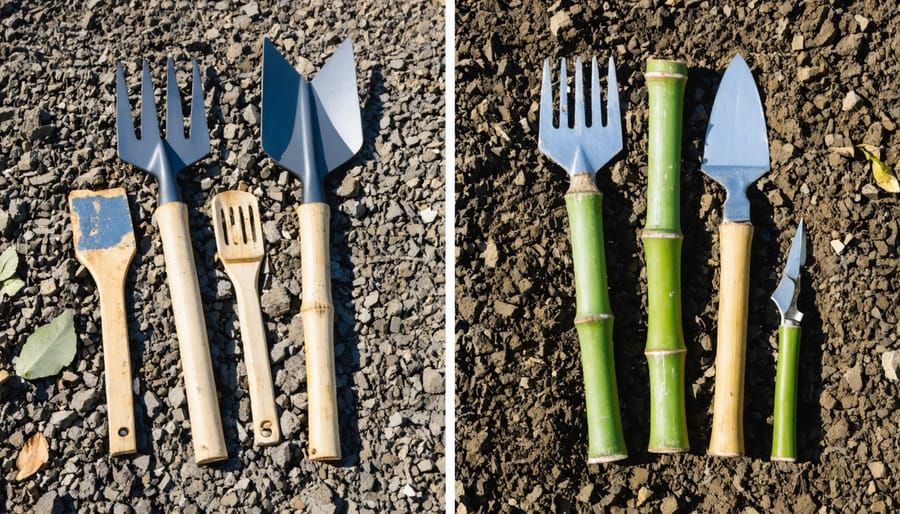
When it comes to gardening, construction work, or any project that requires digging, shovels are indispensable tools. For decades, metal shovels have been the go-to choice for professionals and homeowners alike. But recently, a new player has entered the field – recycled plastic shovels. These eco-friendly alternatives promise many benefits, including being lightweight, rust-proof, and environmentally conscious. However, they also come with their own set of challenges and limitations. So, which one truly wins when it comes to performance, longevity, and practicality?
Durability and Longevity
Let’s start with the most important factor for any tool – how long it lasts. Metal shovels have traditionally been praised for their sturdiness. They can handle heavy-duty work and often last decades with proper care. Steel shovels, especially those made from high-quality alloys, can withstand extreme conditions and frequent use without breaking.
But plastic shovels have come a long way since their early days. Modern recycled plastic models are engineered to be surprisingly robust. They resist corrosion and don’t rust like metal counterparts. However, they may be more prone to cracking under extreme temperatures or heavy impacts. The key here is understanding that while metal might win in absolute strength, plastic offers different advantages.
Consider this scenario: A gardener uses a metal shovel daily for years. It eventually shows signs of wear, but it still functions well. Meanwhile, a plastic shovel might break after just a few months of regular use, though it’s unlikely to rust or corrode.
Weight and Portability
One of the most obvious differences between these two types of shovels is weight. Recycled plastic shovels are significantly lighter than their metal equivalents. This makes them much easier to carry around, especially when you’re working in areas with limited mobility or when transporting tools.
Think about it – a typical steel shovel weighs around 2-3 pounds. A comparable plastic version might weigh only 1-1.5 pounds. That might not seem like much, but imagine carrying several shovels during a large landscaping project. The difference becomes substantial.
However, weight isn’t always everything. Some users find that very light plastic shovels feel less substantial, which can affect their confidence when doing serious work. Metal shovels provide that solid, reliable feeling that many professionals prefer.
Cost Analysis Over Time
Price is another major consideration. Initially, recycled plastic shovels tend to be cheaper than quality metal ones. A basic plastic model might cost $15-25, while a decent steel shovel costs $25-40.
But here’s where things get interesting. Metal shovels are built to last much longer. If you buy a good steel shovel for $30 and use it for 10 years, that’s just $3 per year. A plastic shovel might cost $20 initially, but if it breaks after six months, you’d need to replace it every year.
Let’s look at some real-world numbers. A study conducted by the National Gardening Association found that over a five-year period, gardeners using quality metal shovels spent an average of $75 total, while those using plastic shovels spent $150 due to replacements.
This doesn’t mean plastic is always worse, but it does show that the initial savings might not translate into long-term value.
Environmental Impact
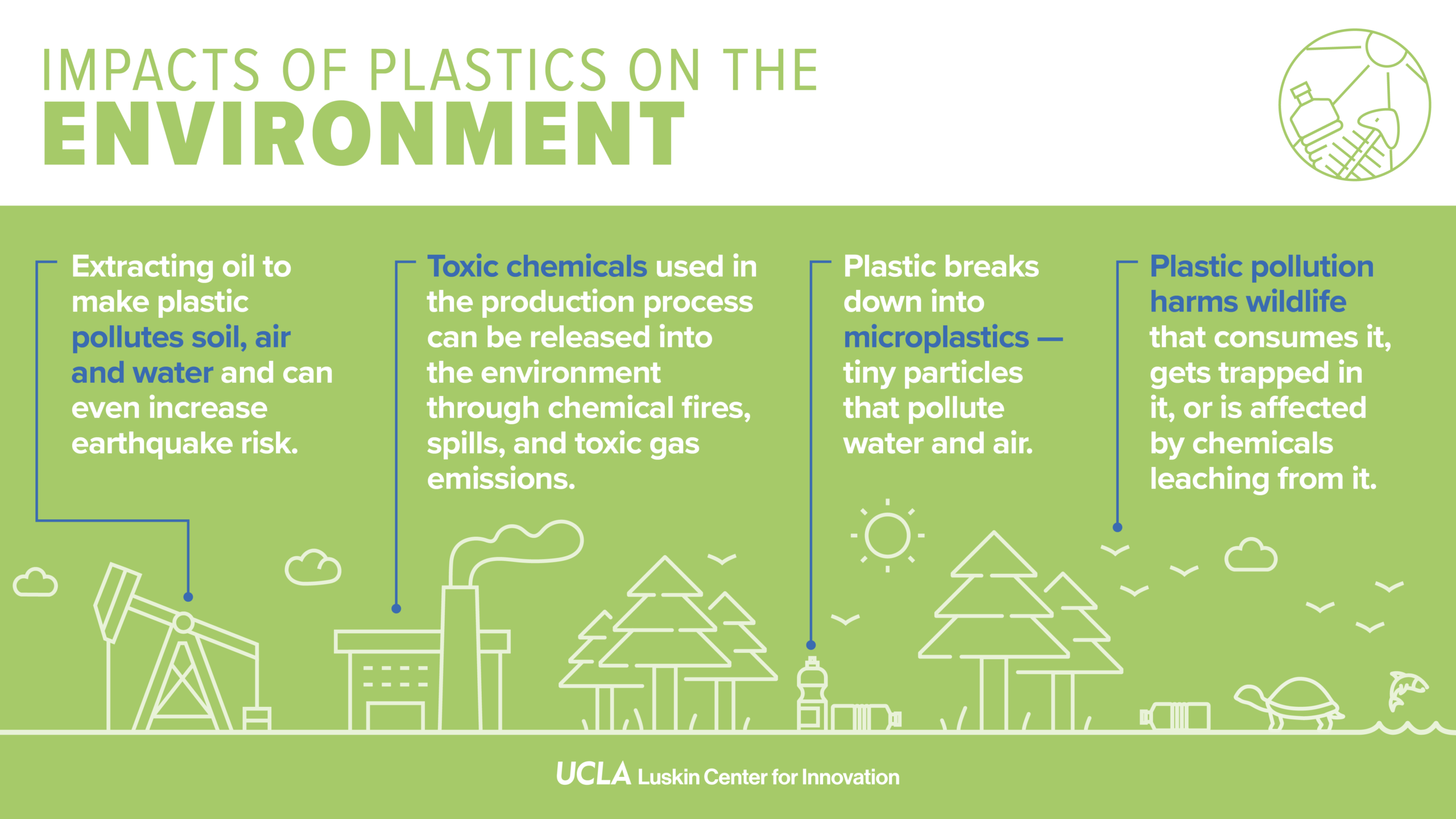
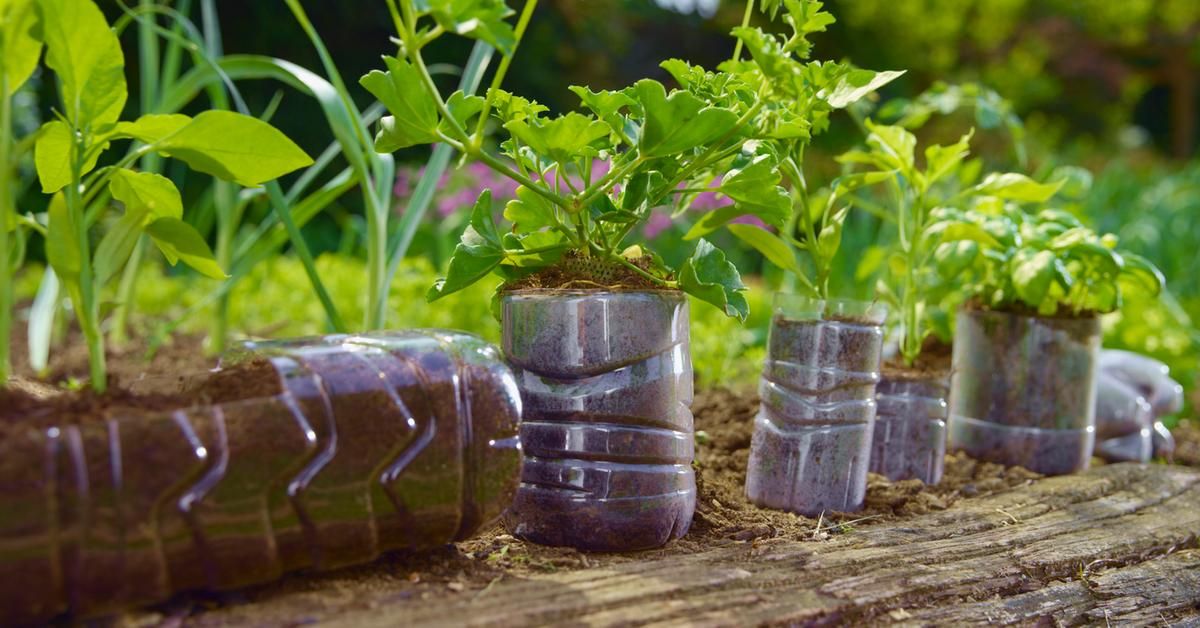
This is where recycled plastic shovels really shine. They’re made from post-consumer waste materials like milk jugs, bottles, and other plastic products that would otherwise end up in landfills. By repurposing these materials, we reduce the demand for new plastic production and help manage waste effectively.
Metal shovels, while recyclable themselves, require significant energy to produce. Extracting iron ore, smelting steel, and manufacturing processes all consume enormous amounts of energy and generate carbon emissions.
According to a life cycle assessment by the Environmental Protection Agency, producing one recycled plastic shovel saves approximately 2.5 pounds of petroleum and reduces greenhouse gas emissions by 40% compared to manufacturing a steel shovel from raw materials.
But there’s a catch – once a plastic shovel reaches the end of its useful life, it’s not as easy to recycle as metal. Many recycling programs don’t accept garden tools because of the mixed materials used in their construction.
Performance in Different Conditions
How do these shovels perform in various situations? Metal shovels excel in tough soil conditions. Their weight and density make them ideal for hard ground, frozen earth, or dense clay soils. They can push through obstacles more effectively and maintain their shape even under pressure.
Plastic shovels, while lighter, struggle with extremely hard materials. They’re better suited for softer soils, sand, and general maintenance tasks. Some plastic models feature reinforced edges or special designs to improve their cutting ability.
Temperature also plays a role. Metal shovels conduct heat and cold quickly, which can be uncomfortable in hot weather or when working in cold conditions. Plastic shovels stay cooler to the touch, making them more comfortable for extended use.
A practical example: A landscape architect might choose metal shovels for construction sites where heavy-duty work is required, but opt for plastic ones for residential projects involving delicate planting work.
Maintenance and Care Requirements
Maintenance needs differ greatly between these two materials. Metal shovels require regular attention to prevent rust. They need to be cleaned thoroughly after each use, dried properly, and sometimes treated with oil to protect against moisture.
Plastic shovels, on the other hand, require minimal maintenance. They don’t rust, don’t need oiling, and can simply be wiped clean. This makes them incredibly convenient for busy gardeners or those who don’t want to deal with upkeep.
However, plastic shovels can fade over time when exposed to UV rays. They might become brittle in extreme cold and soften in intense heat. Some manufacturers now offer UV-resistant versions to combat these issues.
Consider a gardener who works in a sunny climate. A plastic shovel might lose its color within a couple of years, while a metal one maintains its appearance but requires ongoing rust prevention.
So, which is better? The answer isn’t simple. Metal shovels remain the gold standard for heavy-duty applications and long-term durability. They’re built to withstand the harshest conditions and provide consistent performance over decades. But they come with drawbacks – weight, rust potential, and higher upfront costs.
Recycled plastic shovels offer a compelling alternative for those prioritizing portability, environmental consciousness, and lower initial investment. They’re excellent for light to moderate work, temporary projects, or situations where weight matters more than maximum strength.
The best approach might be choosing based on your specific needs. If you’re a professional contractor doing heavy construction work, a metal shovel is likely your best bet. But for weekend gardeners, casual DIY projects, or anyone looking to reduce their environmental footprint, recycled plastic shovels are increasingly attractive.
Ultimately, both options have their place in our toolboxes. Understanding their strengths and weaknesses helps us make informed choices that match our projects, budgets, and values. Whether you choose the classic metal or the eco-conscious plastic, the right tool makes all the difference in getting the job done well.