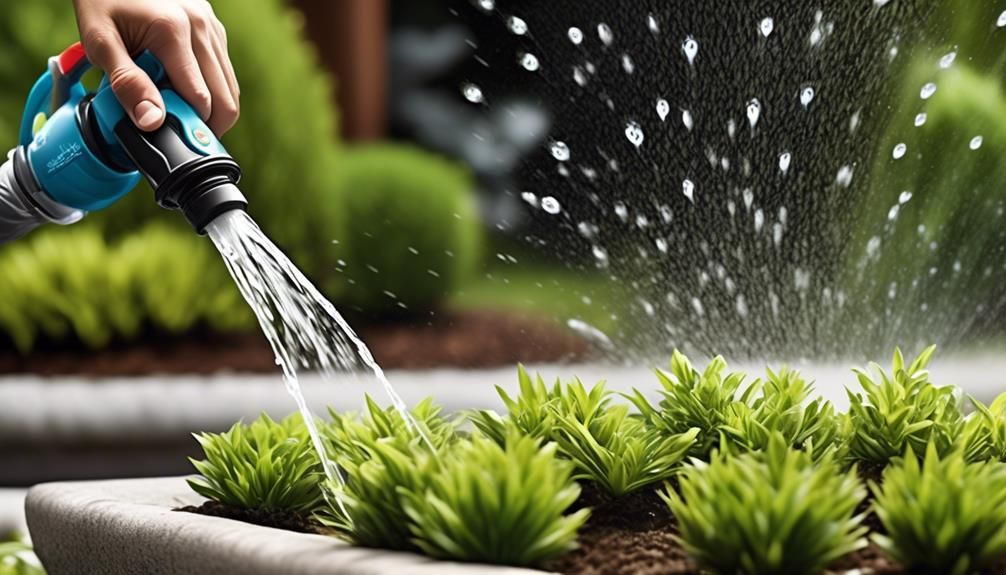
We all know that watering our lawns and gardens is necessary, but did you realize that just adjusting your hose nozzle could cut your water bill in half? It’s true. The little plastic device at the end of your garden hose might seem insignificant, but it’s actually a powerhouse of water efficiency. Think about it – every drop counts when it comes to conservation, and your hose nozzle is right there in the action.
Picture this: you’re standing in your backyard, watering your plants, and suddenly you notice something odd. Your hose seems to be spraying water in a way that feels wasteful. Maybe it’s spraying too far, or perhaps it’s creating a spray pattern that misses the target entirely. This isn’t just annoying – it’s expensive. Water is precious, and when we waste it, we’re not just wasting resources, we’re also wasting money. What if I told you that a simple change to your hose nozzle could save you hundreds of dollars a year? It’s not just wishful thinking. Many households have discovered that making small adjustments to their garden hoses can lead to significant savings. The key lies in understanding how these little devices work and how they can be optimized for maximum efficiency.
Understanding How Hose Nozzles Work
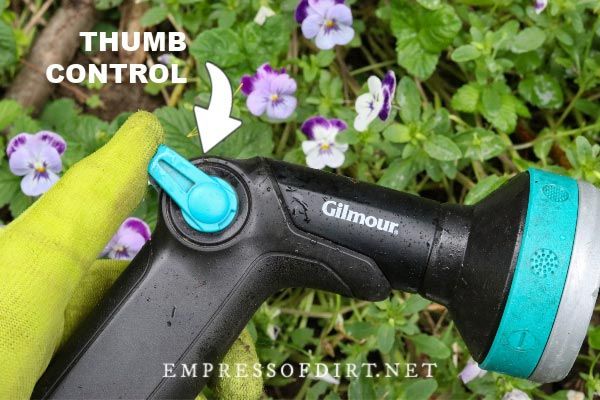
Hose nozzles are more than just simple plastic attachments. They’re precision-engineered devices designed to control water flow and pressure. When you turn the nozzle, you’re essentially changing the diameter of the opening through which water flows. A wider opening means more water, while a narrower opening restricts the flow. This basic principle forms the foundation of water conservation efforts. The type of nozzle you have determines how much water you’re using, and therefore, how much you’re paying. Some nozzles are designed for heavy-duty watering tasks, while others are built for precision irrigation. Understanding the different types helps you choose the right one for each job. For instance, a wide spray nozzle might be perfect for washing your car, but it’s overkill for watering your flower beds. The key is matching the nozzle to the task. When you’re not careful, you might find yourself using more water than necessary simply because you don’t understand the capabilities of your current nozzle.
The Impact of Flow Rate on Water Bills
Here’s where things get interesting. Your water bill isn’t just about how much water you use – it’s about how efficiently you use it. Most water utilities charge based on cubic feet or gallons consumed, but they also often track peak usage times. If your hose nozzle creates a high-pressure stream, you might be using more water than you realize. A standard garden hose delivers about 10 gallons per minute, but with certain nozzles, that number can increase significantly. Consider the difference between a regular spray and a powerful jet setting. The jet setting might seem efficient for cleaning, but it uses more water and can cause runoff that wastes both water and time. The savings come from reducing unnecessary water usage. For example, if you’re watering your lawn for 30 minutes daily with a high-flow nozzle, switching to a lower flow setting could reduce that time by 50%. That alone could save you hundreds of gallons per month. Think about how many hours you spend watering, and multiply that by the amount of water wasted through inefficient spraying.
Choosing the Right Nozzle for Different Tasks
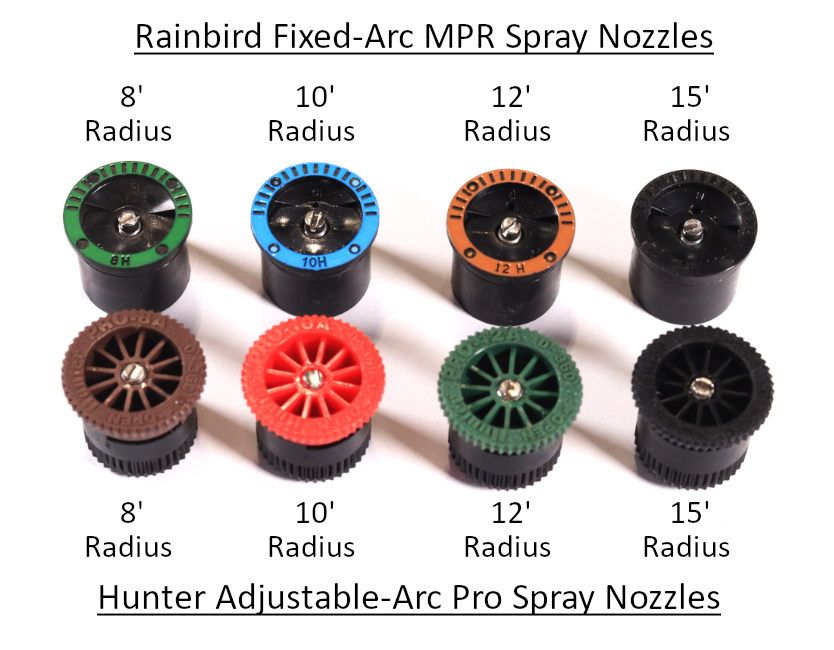
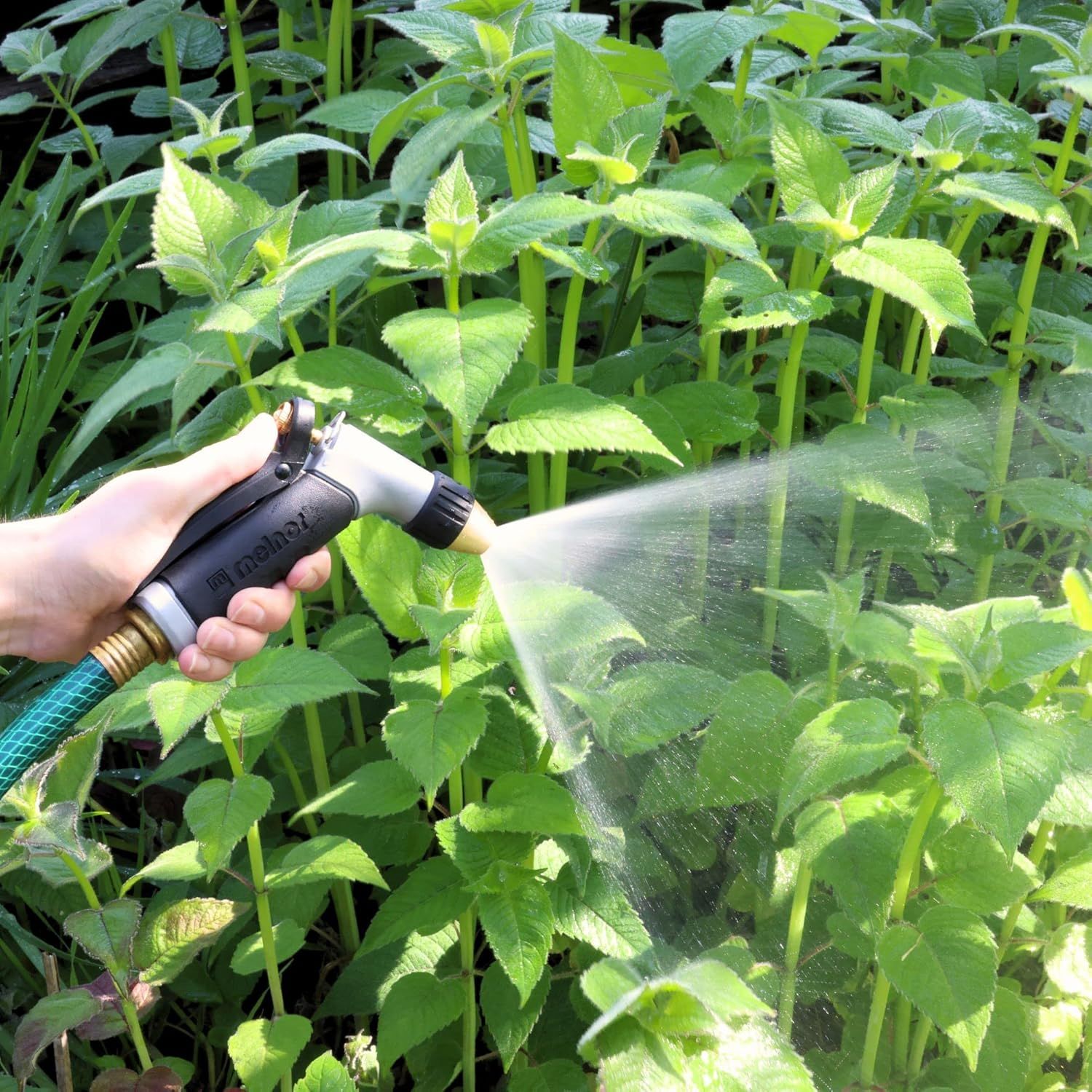
Not all gardening tasks require the same level of water pressure or flow. You wouldn’t use a high-powered nozzle to water delicate seedlings, and you wouldn’t use a fine mist for washing your driveway. Matching the nozzle to the task is crucial. For example, a gentle spray works perfectly for potted plants, while a solid stream is better for spot cleaning. A good rule of thumb is to match the nozzle’s output to the size of the area you’re covering. A large area needs a broader spray pattern, but not necessarily a higher flow rate. Some nozzles offer multiple settings, allowing you to adjust the flow for different situations. This versatility is key to saving water and money. When you’re watering vegetables, a steady, controlled stream is better than a wild spray. Similarly, when you’re hosing down your deck, you want a consistent flow that covers the entire surface without wasting water. The right nozzle makes all the difference in your water conservation efforts.
Simple Adjustments That Make a Difference
Sometimes the most effective changes are the simplest ones. Many people overlook basic adjustments that can dramatically impact water usage. First, always check that your nozzle is fully tightened. Loose connections can waste water through leaks. Second, consider using a timer or automatic shutoff feature if available. These features prevent overwatering and ensure you’re not leaving the hose running unnecessarily. Third, regularly clean your nozzle to remove mineral deposits or debris that can affect performance. Clogged nozzles force water to flow through smaller openings, creating pressure buildup and potential damage. Another easy fix is to avoid using your hose for tasks it wasn’t designed for. Using a garden hose to wash your car is okay, but doing it every day with a high-pressure setting is wasteful. Instead, try a lower pressure setting or switch to a bucket method for regular car washing. These small changes add up quickly. Imagine doing this for just a few minutes each day, every day, for months on end. The cumulative effect is remarkable.
Investing in Quality Nozzles for Long-Term Savings
While it might seem like a small purchase, investing in quality nozzles pays dividends over time. Higher-quality nozzles typically last longer and perform better than cheaper alternatives. They’re less likely to clog and more resistant to wear and tear. Look for nozzles made from durable materials that won’t crack or break easily. Some premium nozzles even feature built-in flow meters or pressure regulators that help you monitor usage. These features might seem fancy, but they provide tangible benefits in terms of water conservation. A good quality nozzle might cost a bit more upfront, but it could save you money in reduced water bills and fewer replacements. Plus, you’ll enjoy better performance and reliability. Consider the cost of replacing a cheap nozzle every six months versus investing in one that lasts five years. The math becomes clear pretty quickly. Quality investments in your home improvement projects often pay off in unexpected ways.
Tracking Your Savings Over Time
One of the best ways to stay motivated is to see the results of your efforts. Start by monitoring your water bill before and after making changes. Many utilities now offer online portals where you can track daily usage. You might be surprised by how much you’re actually using. Keep a simple log of your watering activities and the time spent. Notice patterns in your usage and look for opportunities to optimize further. Set goals for yourself – maybe reduce your water usage by 20% in three months. Track your progress weekly. Seeing actual numbers helps reinforce why these changes matter. Some people find that tracking their savings motivates them to continue making improvements. The satisfaction of seeing a decrease in their monthly bills is a powerful incentive to stick with conservation practices. Remember, every drop counts, and every effort adds up to make a meaningful difference.
The next time you grab your garden hose, take a moment to examine that little plastic nozzle. It might be the smallest part of your watering setup, but it could be the biggest factor in your water savings. Making these simple adjustments isn’t just about saving money – it’s about being responsible stewards of our planet’s precious resources. Every household that adopts these practices contributes to larger conservation efforts. The beauty of this approach is that it requires no special equipment or technical knowledge. Just common sense and attention to detail. Whether you’re a seasoned gardener or someone who just wants to keep their yard looking good, these principles apply to everyone. Start with small changes today. Watch your water bill, notice the difference in your watering routine, and see how these adjustments transform your approach to outdoor maintenance. The savings compound over time, and the environmental benefits are immeasurable. Sometimes the greatest impact comes from the smallest changes.