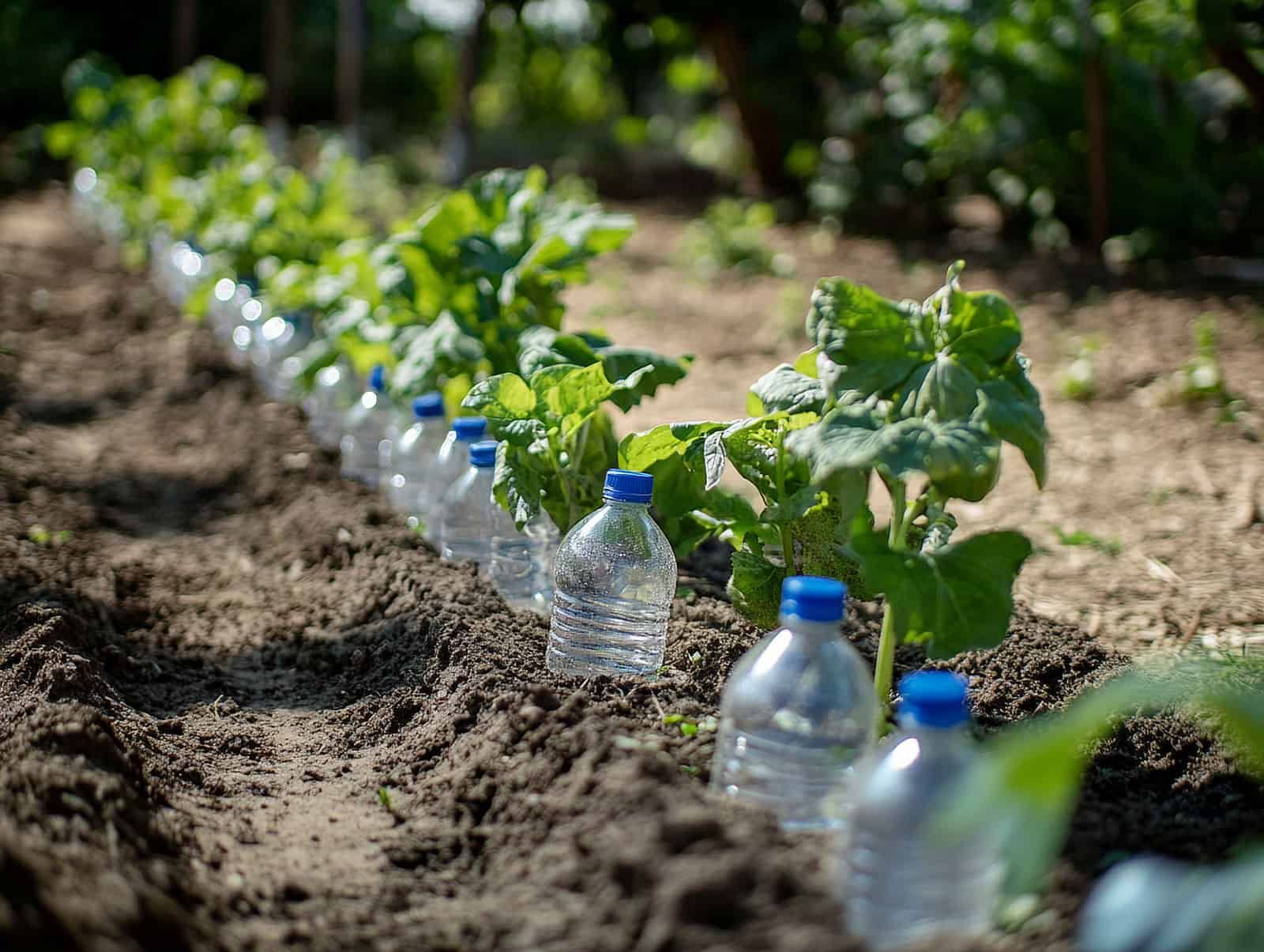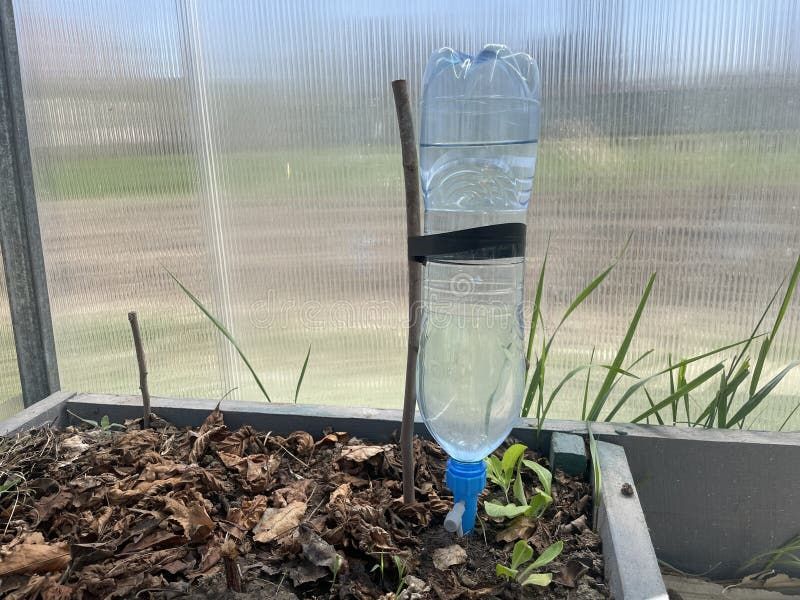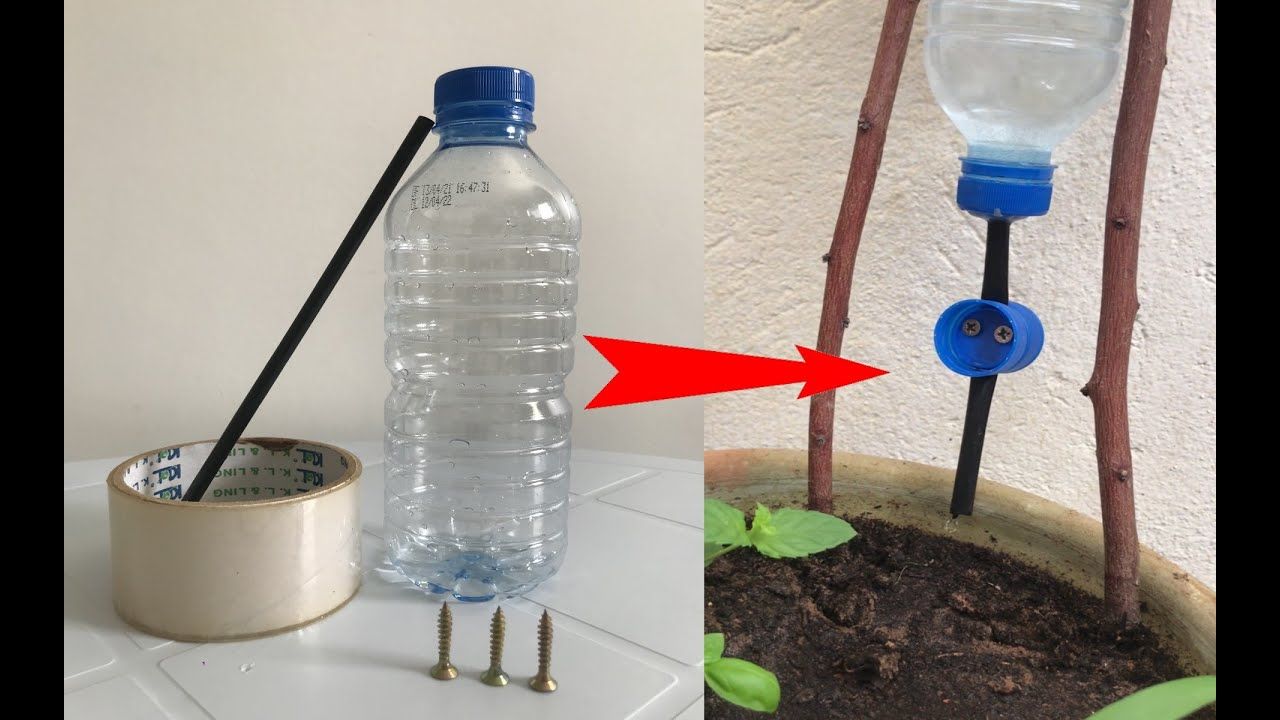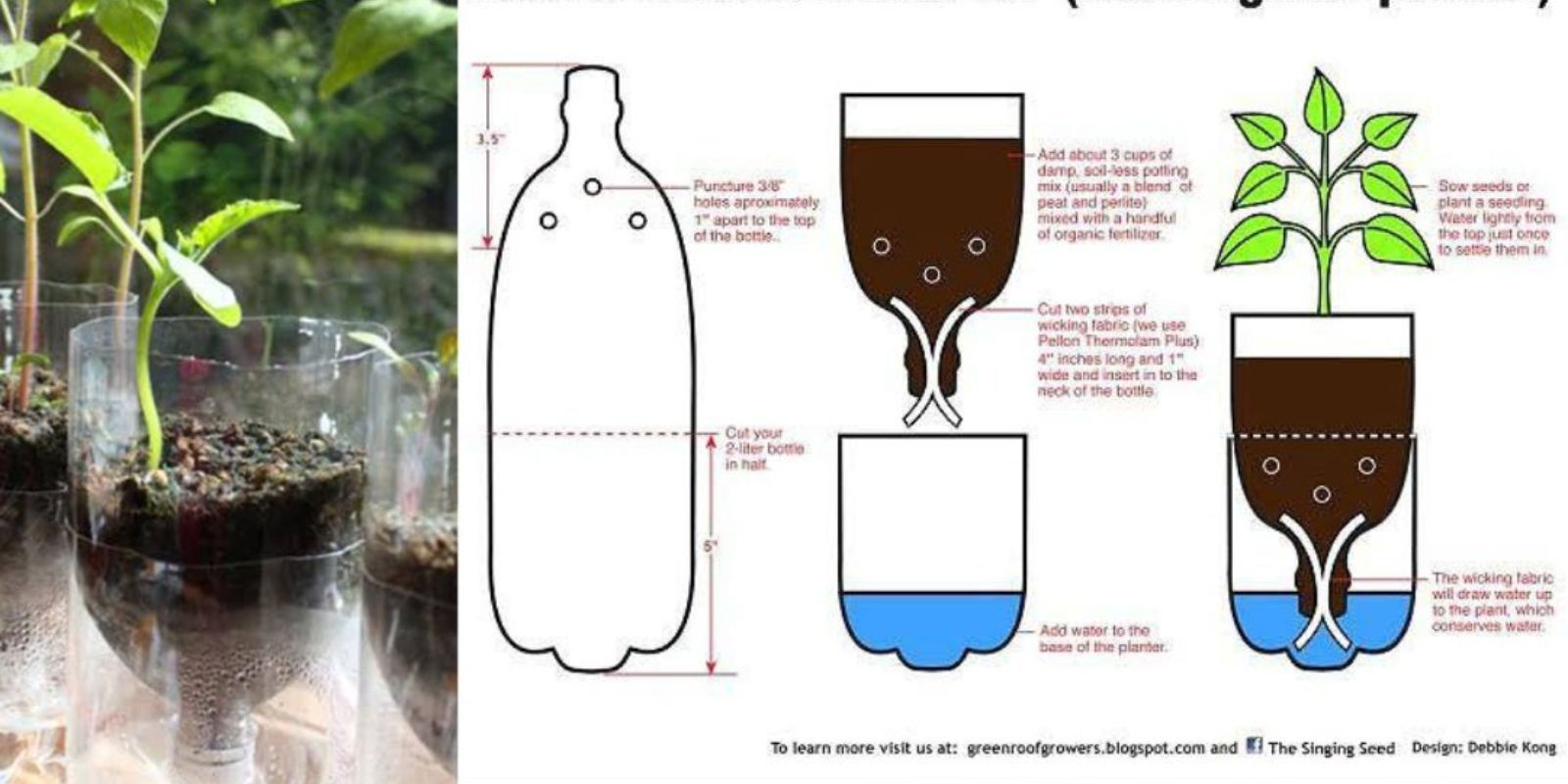
Every day, we make choices that ripple through our planet’s health. When it comes to staying hydrated, one simple swap can make a massive difference. What if I told you that changing the way you carry water could be one of the most impactful decisions you make for the environment? It’s true. The humble watering bottle is experiencing a revolution that’s both practical and profoundly important.
Picture this: You’re walking through a park, feeling the sun on your face, and you reach for your water bottle. But wait – this isn’t just any ordinary bottle. This one might be made from recycled materials, designed to last decades, or even equipped with smart features that track your hydration. The modern watering bottle has evolved far beyond its basic function. Today’s innovative solutions are tackling climate change, ocean pollution, and resource depletion with creativity and purpose. As we face mounting environmental challenges, the way we choose to stay hydrated reflects our values and our commitment to protecting our shared home.
The Plastic Problem We’re All Facing
Let’s talk about plastic bottles for a moment. They’re everywhere, but they’re also everywhere we don’t want them to be. Every year, nearly 50 billion plastic water bottles end up in landfills or oceans. That’s enough bottles to circle the Earth four times. These containers take over 400 years to decompose, meaning every single bottle you’ve ever thrown away still exists somewhere in our environment. Consider the staggering statistics: 8 million tons of plastic enter our oceans annually. This isn’t just about aesthetics – it’s about ecosystem health, wildlife survival, and future generations. When you think about it, each time you reach for a plastic bottle, you’re participating in a global crisis. The good news? Creative alternatives are emerging to tackle this head-on.
Materials That Give Back to the Planet
Innovators are turning to sustainable materials that actually improve our environment rather than harm it. Stainless steel bottles have gained popularity because they last decades and can be recycled infinitely without losing quality. Glass options offer purity and are completely recyclable, though they’re heavier and more fragile. Some designers are using bamboo fiber, which grows incredibly fast and requires no pesticides. Others are experimenting with mushroom-based materials that naturally decompose within weeks. Even seaweed-derived plastics are entering the market, offering a biodegradable alternative to traditional petroleum-based plastics. The key is choosing materials that either reduce waste or return to nature safely. These aren’t just marketing gimmicks – they represent real solutions to our consumption problems.
Smart Technology Meets Sustainability
What happens when environmental consciousness meets technological innovation? Smart bottles that track hydration levels, remind you to drink water, and even monitor water quality. These aren’t luxury items – they’re practical tools that encourage better habits while reducing waste. Some models connect to smartphone apps that provide personalized hydration recommendations based on weather, activity level, and personal health factors. Others feature built-in filtration systems that eliminate the need for disposable bottles altogether. Imagine having a bottle that tells you exactly how much water you’ve consumed and reminds you when you need more. These innovations don’t just make life easier – they help us become more mindful of our environmental impact while staying healthy.
Designs That Reduce Waste at Every Stage
Creative design thinking extends beyond materials to how bottles are manufactured, used, and disposed of. Modular designs allow components to be replaced rather than throwing entire bottles away. Some bottles come with detachable parts that can be recycled separately. Others are designed for easy disassembly, making recycling simpler. Companies are also focusing on minimal packaging – some bottles come with no outer wrappers, others use biodegradable labels. The concept of circular design means products are created with their end-of-life in mind. When a bottle finally reaches the end of its useful life, it becomes raw material for something new. This approach transforms waste from a problem into a resource, creating a more sustainable cycle of production and consumption.
Community Impact Through Individual Choices
When individuals make environmentally conscious choices, those actions multiply through communities. Think about local coffee shops that provide discounts for customers bringing reusable bottles. Picture neighborhoods organizing water refill stations to reduce plastic demand. Imagine schools teaching children about sustainable hydration practices that stick with them for life. These small changes create larger movements. Community leaders are installing public water fountains in parks and transit stations. Businesses are partnering with environmental organizations to promote reusable bottle campaigns. The power of individual action compounds when multiplied across thousands of people. Each person’s choice to bring a reusable bottle sends a message that sustainability matters, influencing businesses and policymakers to prioritize environmental solutions.
The Future of Hydration is Brighter Than Ever
Looking ahead, the possibilities for creative watering bottle solutions seem endless. Researchers are developing self-cleaning surfaces that prevent bacteria buildup without chemicals. New manufacturing techniques are reducing energy use during production. Some companies are exploring carbon-negative materials that actually remove CO2 from the atmosphere during creation. The integration of renewable energy sources, like solar charging for smart features, shows how technology can support environmental goals. Perhaps most exciting, we’re seeing collaborations between environmental scientists, product designers, and social entrepreneurs creating solutions that address multiple problems simultaneously. The future isn’t just about better bottles – it’s about reimagining how we interact with water, sustainability, and our planet’s resources.
The journey toward reducing environmental impact through creative watering bottle solutions represents more than just a trend – it’s a fundamental shift in how we think about daily consumption. Every bottle we choose to refill instead of purchase is a vote for sustainability. Every innovative design that reduces waste or uses renewable materials contributes to a healthier planet. The beauty of this movement lies in its accessibility – you don’t need special skills or expensive equipment to participate. Just a willingness to consider alternatives and make thoughtful choices. Whether you’re looking for a durable stainless steel option, a smart bottle with hydration tracking, or simply a stylish replacement for single-use plastics, there’s a solution out there for everyone. The real magic happens when these choices become habits, spreading through families, communities, and ultimately, across the globe. The future of hydration is not just about staying healthy – it’s about ensuring our planet remains habitable for generations to come. The question isn’t whether we can make these changes, but whether we’ll choose to make them together.