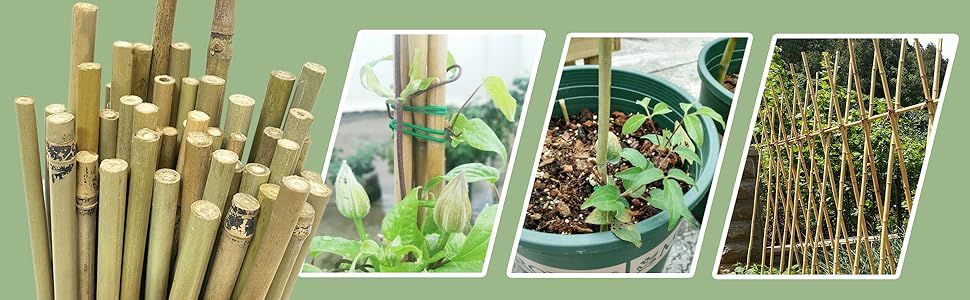
There’s something magical about watching tiny seedlings emerge from soil and grow strong under the right conditions. For gardeners who want their plants to thrive, one simple tool can make all the difference – bamboo seedling trays. These humble containers aren’t just another gardening accessory. They’re actually a gateway to healthier plants, better root development, and more successful harvests.
Picture this: you’re standing in your garden, surrounded by healthy, vibrant seedlings ready to be transplanted. The roots look strong, the stems are sturdy, and the leaves are a rich, deep green. What made the difference? Probably the right growing environment – specifically, the container you used to nurture those first fragile stages. Bamboo seedling trays offer exactly that kind of nurturing foundation. They’re not flashy or expensive, but they work incredibly well because of their natural properties and thoughtful design. Whether you’re a seasoned gardener or someone just starting out, understanding how to properly use bamboo seedling trays can elevate your plant care game to the next level.
Why Bamboo Is Perfect for Seedling Containers
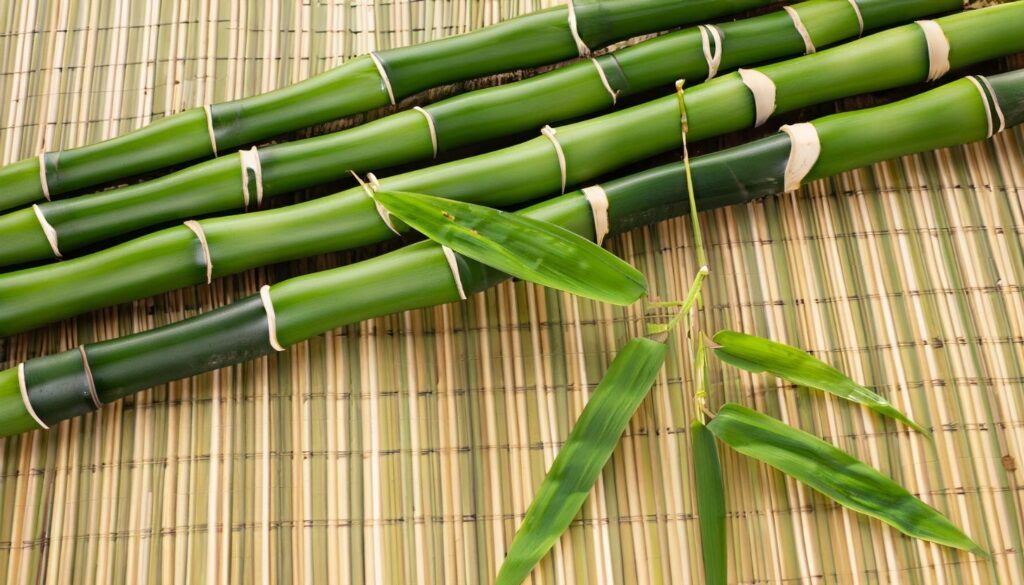
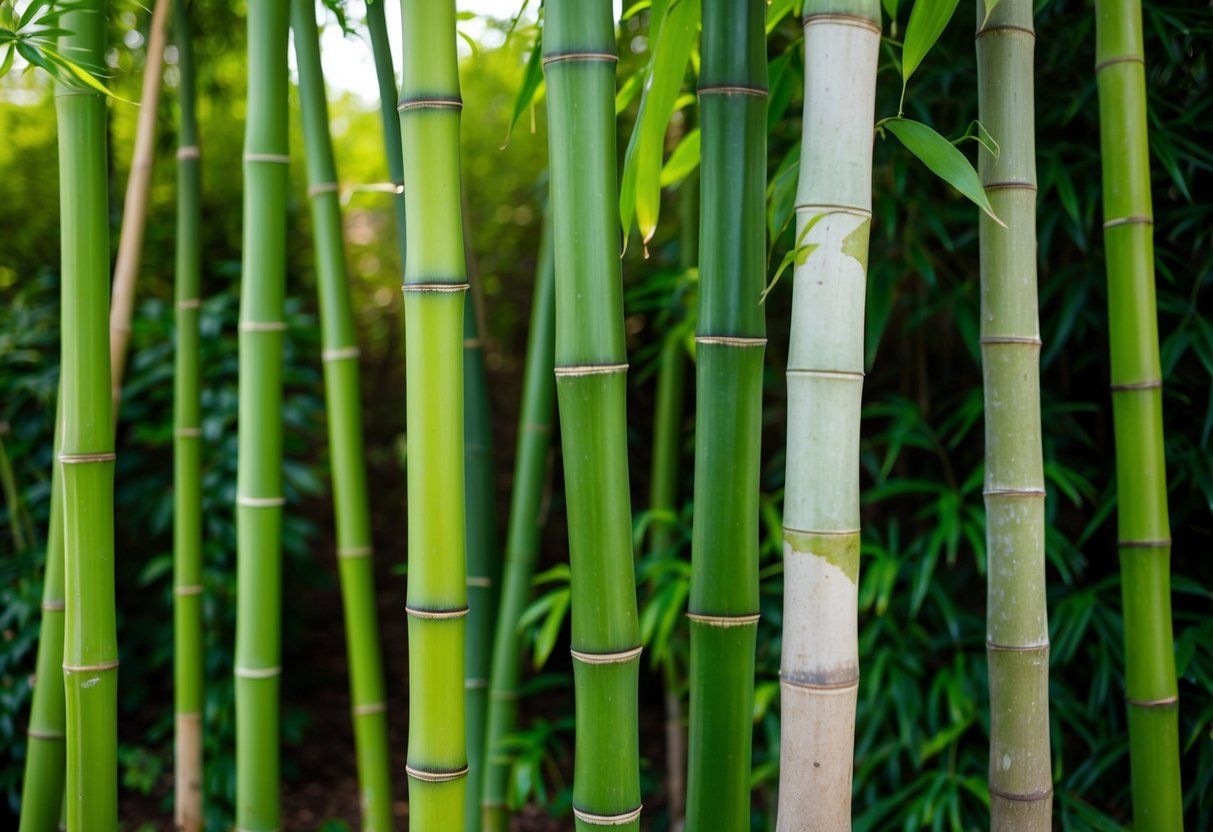
Bamboo isn’t just another material for making containers – it’s got unique qualities that make it ideal for nurturing young plants. First off, bamboo is naturally antimicrobial, meaning it helps prevent harmful bacteria and fungi from taking hold in the growing medium. This is huge when you consider that seedlings are particularly vulnerable to diseases during their early stages.
The material also breathes well. Unlike plastic trays that can trap moisture and lead to root rot, bamboo allows air circulation while still holding enough water to keep the soil consistently moist. It’s like finding the perfect balance between keeping things damp enough for growth and preventing them from getting too soggy.
Plus, bamboo is biodegradable. When it’s time to transplant your seedlings, you can often plant the entire tray directly into the ground. The bamboo will decompose naturally, giving your plants a seamless transition without disturbing their delicate root systems.
Understanding Seedling Tray Design and Layout
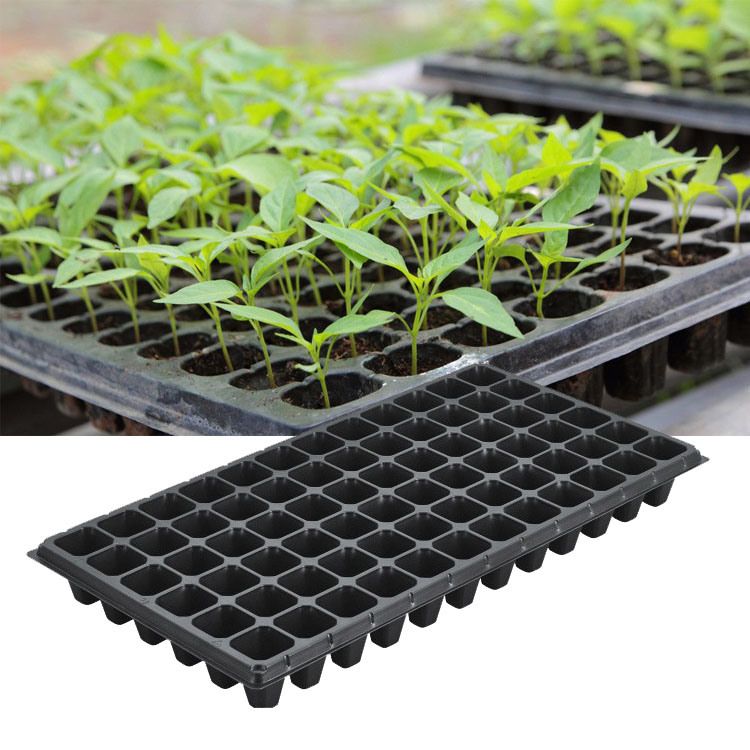
Not all bamboo seedling trays are created equal. The way they’re constructed affects how well your plants will grow. Look for trays with proper drainage holes – these are essential for preventing waterlogging. A common mistake is using trays that don’t drain well, leading to soggy soil and unhealthy seedlings.
The size matters too. Most trays come with cells or compartments that vary in size. Smaller cells work great for herbs and flowers, while larger ones are better for vegetables and larger seedlings. You’ll want to match the cell size to the type of plant you’re growing.
Another important feature is the depth of the cells. Deeper cells provide more room for root development, especially crucial for plants like tomatoes or peppers that need robust root systems. Shallow cells might work fine for quick-growing annuals, but they won’t give the same advantage for longer-term crops.
Proper Soil Preparation and Planting Techniques
Before you even think about placing seeds in your bamboo trays, you need to prepare the soil correctly. The growing medium should be light, well-draining, and nutrient-rich. A good mix typically includes peat moss, vermiculite, and perlite. This combination keeps moisture balanced while providing the right texture for root penetration.
When planting, follow the packet instructions carefully. Some seeds require light to germinate, while others need darkness. Pay attention to the recommended planting depth – usually no more than twice the width of the seed itself. Planting too deep can prevent germination, while planting too shallow can cause seeds to dry out.
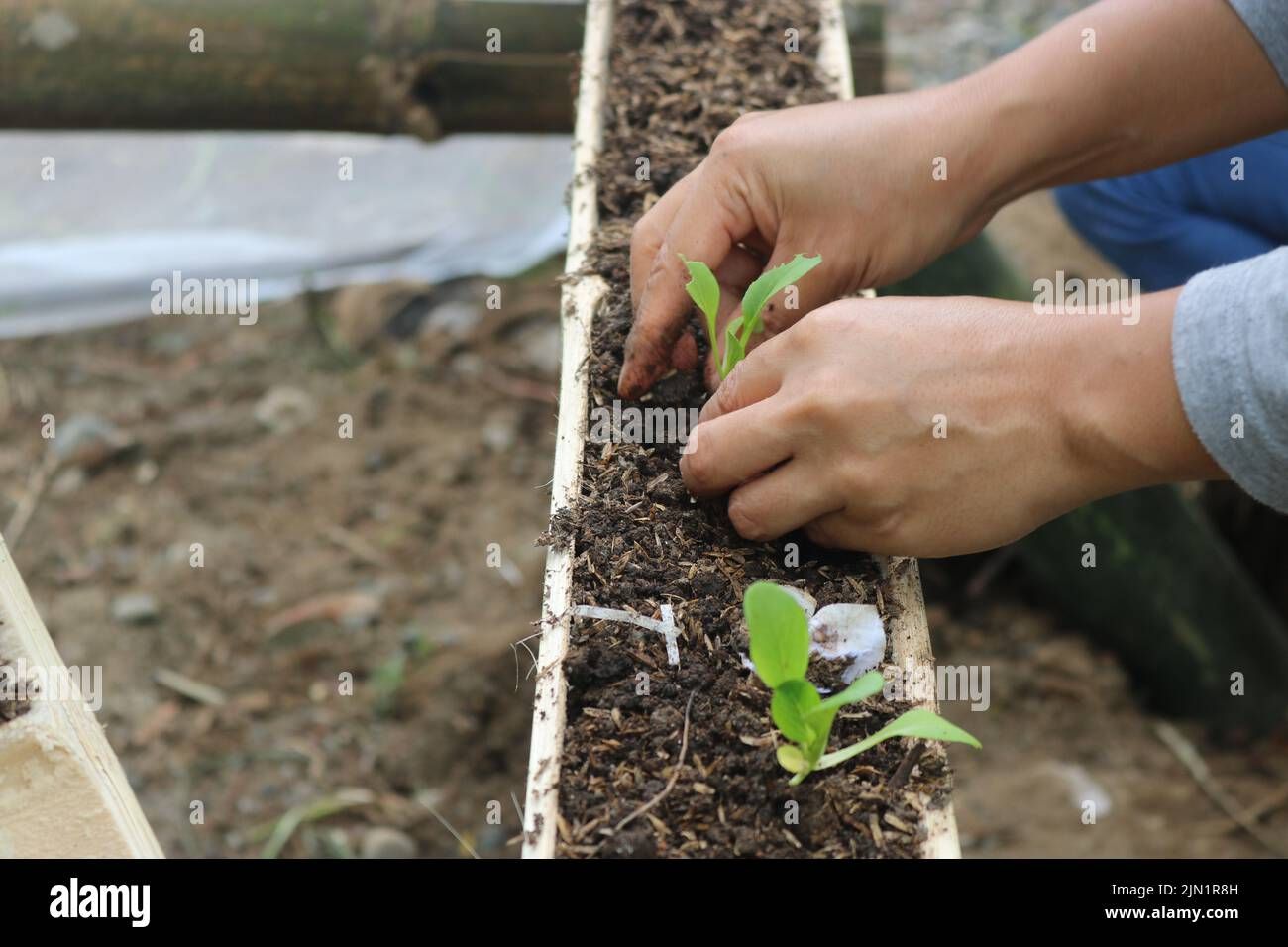
After planting, gently press the soil down to eliminate air pockets but avoid compacting it too much. The soil should remain loose enough for roots to push through easily. Water gently using a spray bottle or fine mist to avoid washing seeds away or creating hard crusts on top.
Watering Best Practices for Bamboo Trays
Watering seedlings in bamboo trays requires a different approach than watering mature plants. Since these trays are smaller and have limited soil volume, they dry out faster. However, overwatering can be just as damaging as underwatering.
The key is consistency. Check the soil daily by touching the surface – if it feels dry an inch down, it’s time to water. But remember, bamboo trays tend to retain moisture longer than plastic ones, so adjust accordingly.
A good technique is bottom watering. Place the tray in a shallow dish of water for about 10-15 minutes, allowing the soil to absorb moisture from below. This method prevents water from pooling on top and reduces the risk of fungal issues. Afterward, remove excess water to avoid waterlogged conditions.
Avoid letting the trays sit in standing water for extended periods, as this can cause root problems and promote disease. The goal is to keep the soil evenly moist but not soggy.
Lighting and Temperature Requirements
Seedlings need bright light to develop properly, and bamboo trays don’t change that requirement. Most seeds need 12-16 hours of light per day to germinate and grow healthily. If you’re starting indoors, consider supplementing with grow lights, especially during darker months or in low-light areas.
Temperature plays a critical role too. Many seeds germinate best between 65-75°F (18-24°C). Too hot and the seeds may dry out quickly; too cold and they might not sprout at all. Bamboo trays themselves don’t regulate temperature, but they do allow better air circulation than plastic alternatives, which can help maintain more consistent conditions.
Some gardeners place trays on windowsills facing south for maximum natural light. Others prefer using heating mats beneath the trays to provide consistent warmth. Whatever method you choose, ensure the seedlings get adequate light and temperature for optimal growth.
Transplanting Success: Moving Seedlings to Larger Pots
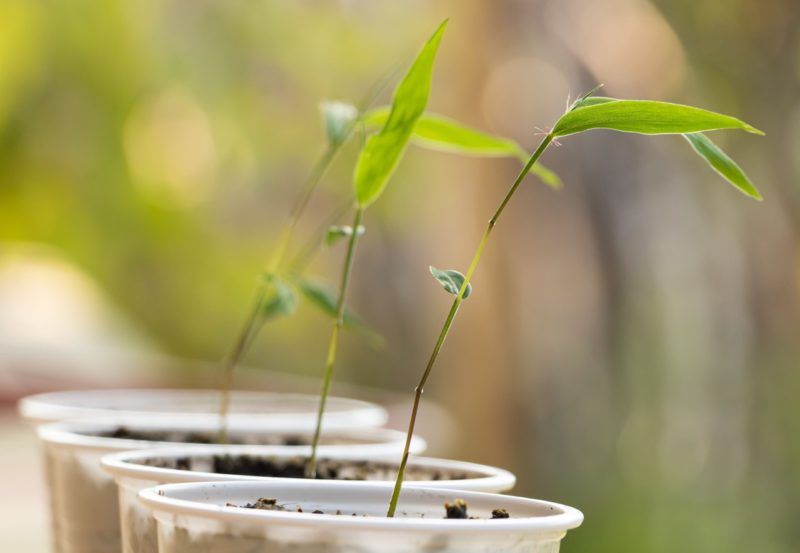
Once your seedlings have developed their first set of true leaves, they’re ready for the next phase. This is where bamboo trays really shine – they make the transition process much smoother than traditional methods.
Before transplanting, gradually acclimate the seedlings to outdoor conditions. Start by placing them outside for a few hours each day, increasing exposure gradually over a week or two. This process, called hardening off, helps plants adjust to temperature changes and stronger light levels.
When ready to move, carefully lift each seedling from its cell. The bamboo material makes this easier because it’s less likely to break apart compared to plastic trays. Gently tease apart the roots if they’ve become tightly bound, which encourages new root growth in the new location.
Plant each seedling in its own pot or directly in the garden, ensuring the root ball remains intact. Water thoroughly after transplanting to settle the soil around the roots. The transition should feel natural, not stressful for the young plants.
Using bamboo seedling trays might seem like a small detail in the grand scheme of gardening, but it’s actually a powerful tool that can significantly impact your plant success rate. These natural containers offer benefits that go beyond simple storage – they create ideal conditions for healthy root development, reduce disease risks, and support sustainable gardening practices.
Whether you’re growing herbs for your kitchen, vegetables for your dinner table, or flowers for your garden, taking time to understand how to properly use bamboo seedling trays can make all the difference. From choosing the right tray design to mastering watering techniques, every step contributes to healthier, stronger plants.
The investment in quality bamboo trays pays dividends throughout the growing season. Your seedlings will thank you for the extra care and attention they receive during those crucial early weeks. And when you see those strong, healthy plants thriving in their permanent homes, you’ll realize that sometimes the simplest solutions are the most effective ones.