Your garden can be more than just a place to grow plants—it can be a powerful statement about environmental responsibility. What if you could enjoy beautiful blooms while simultaneously protecting the planet? That’s exactly what happens when you embrace eco-friendly gardening practices, especially through the use of compostable plant markers. These simple tools can transform how you approach gardening, making it more sustainable and meaningful.
Gardening isn’t just about nurturing plants—it’s about nurturing our relationship with nature. Many of us spend hours tending to our gardens, but often overlook how our choices impact the environment around us. Every small change we make can ripple outward, creating positive effects that extend far beyond our own outdoor spaces. When you think about it, your garden becomes a microcosm of larger ecological principles. Why not make it a model of sustainability? One of the easiest ways to start this journey is with something as simple as plant markers. These little tools, when chosen wisely, can be game-changers for eco-conscious gardeners everywhere. They might seem like small things, but they represent a shift toward mindful consumption and environmental stewardship.
Understanding Compostable Plant Markers
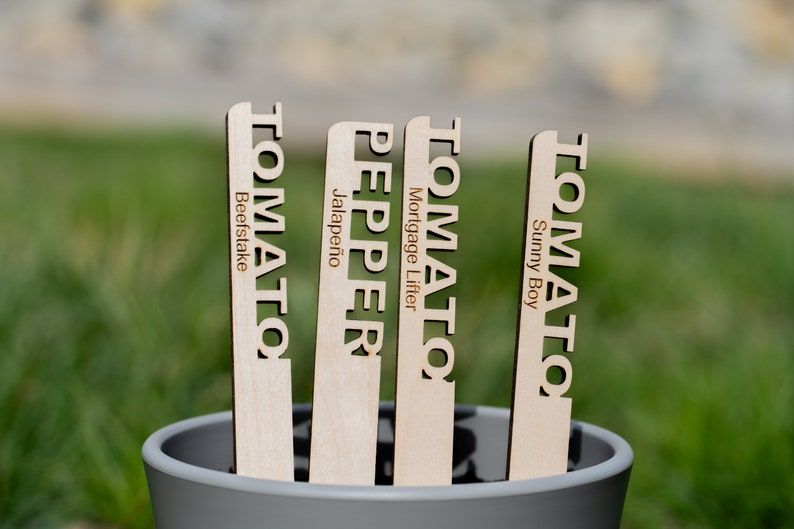
Compostable plant markers are the eco-friendly alternative to traditional plastic or metal labels. These biodegradable options break down naturally over time, returning nutrients to the soil rather than adding to landfill waste. Think of them as temporary signs that disappear gracefully once their purpose is served. Unlike their synthetic counterparts, compostable markers don’t leach harmful chemicals into the earth. They’re typically made from materials like cardboard, bamboo, or even recycled paper products. You can find these markers in various sizes, shapes, and designs, making them both functional and visually appealing. Some come with special coatings that protect them from weather while still allowing them to decompose naturally. The beauty of these markers lies in their simplicity—they’re designed to be temporary, which means they don’t need to last forever. Instead, they serve their role and then quietly return to the earth. This concept aligns perfectly with permaculture principles and sustainable gardening practices.
Benefits of Going Green with Plant Labels
Switching to compostable plant markers offers numerous advantages that go well beyond just environmental benefits. First, they reduce waste significantly. Traditional plant markers often end up in landfills where they sit for decades, taking up space and potentially releasing toxins. Compostable versions eliminate this concern entirely. Second, they’re safer for children and pets. No more worrying about sharp plastic edges or toxic materials that might be ingested accidentally. Third, they support healthy soil ecosystems. As these markers decompose, they add organic matter to the ground, improving soil structure and nutrient content. Additionally, many gardeners find that compostable markers actually look more natural in their garden settings. They blend seamlessly with the environment rather than standing out as artificial elements. The cost difference between regular and compostable markers is minimal, yet the impact is substantial. Plus, many local nurseries and garden centers now offer these options, making them easily accessible to everyone.
How to Choose the Right Compostable Materials
Not all compostable markers are created equal, so choosing the right one requires a bit of consideration. Start by examining the materials used. Look for markers made from 100% natural fibers like bamboo or cardboard. Avoid those with glossy finishes unless they’re specifically labeled as compostable. Check if the ink used is soy-based or water-based rather than petroleum-based. Some manufacturers even offer markers that are certified compostable by organizations like the Biodegradable Products Institute. Consider durability requirements too—will your markers need to withstand rain, sun exposure, or heavy foot traffic? For most garden situations, standard cardboard or bamboo markers work wonderfully. However, if you’re dealing with very wet conditions or high humidity, you might want to look for water-resistant options made from natural materials. Read reviews from other gardeners who have used these products to get real-world feedback. The key is finding a balance between environmental friendliness and practical functionality.
Creative DIY Compostable Marker Ideas
Making your own compostable plant markers opens up a world of creativity while ensuring complete control over materials. Old newspapers, magazines, or even brown paper bags can become excellent bases for homemade labels. Simply cut strips of paper, write your plant names with washable markers, and secure them with a small stick or toothpick. Another popular option involves using small pieces of wood or bamboo skewers. You can carve or paint them with natural pigments to create unique, personalized markers. Some gardeners repurpose old wooden spoons or chopsticks, giving them new life as plant identifiers. Even fallen branches from your yard can work beautifully as markers, especially if you sand them smooth and write directly on the bark. The advantage of DIY markers is that you know exactly what goes into them and can customize them to match your garden’s aesthetic. Plus, they’re often much cheaper than store-bought alternatives. Plus, there’s something deeply satisfying about creating something useful with items you already have lying around.
Practical Applications and Placement Tips
Once you’ve selected your compostable markers, knowing where and how to place them properly maximizes their effectiveness. Position them near the base of each plant, ideally within easy reach but not interfering with growth. For best results, place them slightly above ground level so they don’t get buried by soil amendments or watering. Consider grouping similar plants together and using a single marker for the entire cluster if space allows. This approach reduces the number of markers needed while maintaining organization. Some gardeners prefer to plant their markers at the beginning of the growing season and replace them as needed, while others leave them in place throughout the year, letting them decompose naturally. For container gardens, you might want to use shorter markers since the pots limit space. Remember that some compostable materials will break down faster in certain conditions—more moisture and warmth accelerate decomposition. Plan accordingly based on your local climate and garden setup. The placement strategy should also consider visibility for yourself and any garden visitors.
Maintenance and Longevity Strategies
Even though compostable markers are designed to break down, you can extend their useful life with proper care. Keep them away from excessive moisture when possible, especially during the initial stages of planting. If you’re using paper-based markers, consider placing them in shallow containers or under small protective covers to preserve them longer. Watering techniques also play a role—try using a gentle spray rather than direct streams that might wash away labels quickly. Rotate your markers periodically to ensure even wear and prevent premature breakdown. Some gardeners find success in using a light coating of natural wax or oil to protect paper markers from weather while still allowing them to decompose eventually. Regular checks help determine when replacement is necessary. Pay attention to signs of deterioration such as softening, discoloration, or easy tearing. Proper maintenance doesn’t mean compromising the compostability aspect; it simply means extending the functional life of your markers before they naturally decompose. This approach helps maximize the value of your investment while staying true to eco-friendly principles.
The journey toward an eco-friendly garden starts with small, thoughtful changes—and compostable plant markers are a perfect example of how simple swaps can make a big difference. These seemingly minor adjustments reflect a broader commitment to environmental stewardship that extends far beyond the garden gate. By choosing biodegradable options, you’re not just reducing waste; you’re participating in a larger movement toward sustainable living. The process of selecting, creating, and maintaining these markers becomes a mindful practice that connects you more deeply with your garden and the natural world around you. Whether you opt for pre-made solutions or craft your own, the choice to use compostable plant markers represents a step forward in responsible gardening. It’s a way to honor both the plants you grow and the planet that sustains them. Every garden is an opportunity to demonstrate that caring for the environment and enjoying the fruits of your labor aren’t mutually exclusive. Your garden can be a testament to the power of small, consistent changes that build toward a more sustainable future.