Imagine having a magic wand that turns kitchen scraps and yard waste into rich, dark soil for your garden. What if I told you there’s a simple tool that makes this possible? Meet the compost aerator eco starter – a game-changing addition to any serious composter’s toolkit. This isn’t just another gadget; it’s the secret ingredient that helps your compost pile breathe, decompose faster, and produce the most nutrient-rich soil you’ve ever seen.
Composting is one of nature’s most beautiful processes, but it can sometimes feel like trying to solve a puzzle without all the pieces. You’ve got your brown and green materials, you’ve got your pile, but something’s missing – oxygen. That’s where the compost aerator eco starter comes in. It might seem like a small addition to your composting routine, but it’s actually a powerhouse that can make or break your success. Think of it as giving your compost pile a much-needed breath of fresh air. Without proper aeration, your pile becomes a soggy, smelly mess instead of the rich, crumbly treasure it could become. Whether you’re a seasoned gardener or someone just starting their composting journey, understanding how this little device works can completely change your results.
What Is a Compost Aerator Eco Starter?
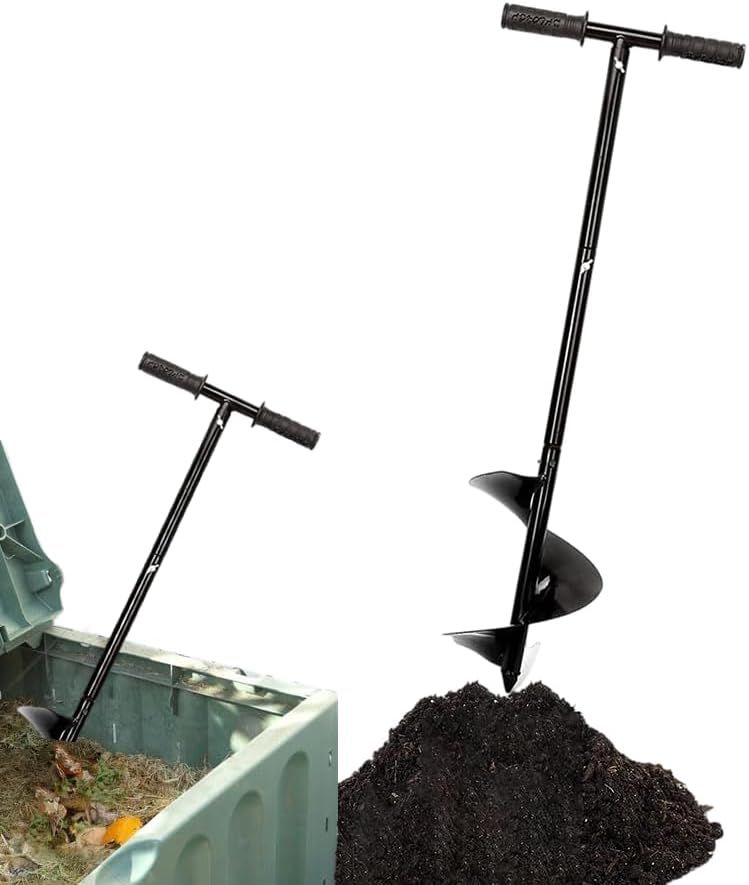
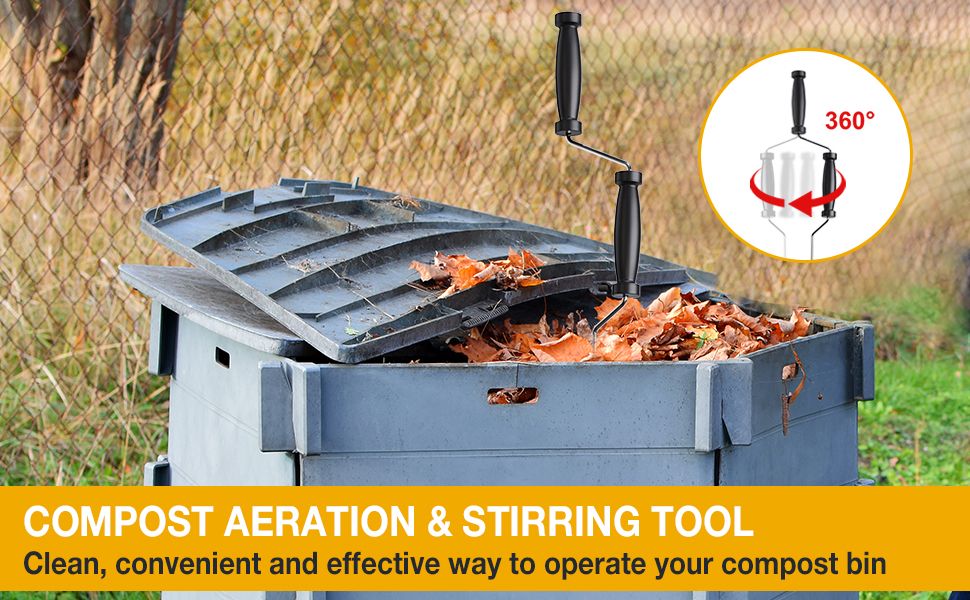
At its core, a compost aerator eco starter is a specialized tool designed to introduce air into your compost pile. Unlike traditional methods that rely solely on manual turning, this innovative device creates channels for oxygen to flow deeper into the pile. Picture it like a straw that goes deep into a glass of soda – it allows fresh air to reach those areas that might otherwise remain stagnant. These starters come in various forms, from simple wooden stakes to more sophisticated plastic devices with multiple prongs. The key is that they’re specifically engineered to work with organic matter and don’t harm the beneficial microorganisms that do all the heavy lifting in decomposition. They’re made from materials that won’t leach harmful chemicals into your compost, ensuring that what you create remains safe for your plants and garden. The eco part of the name refers to both the sustainable materials used and the environmentally friendly approach to composting.
How Does It Work?
The science behind compost aerator eco starters is fascinating and surprisingly simple. When organic matter breaks down, it needs oxygen to support the aerobic bacteria that drive the decomposition process. Without enough air, these bacteria struggle, and anaerobic conditions develop – think of it like trying to run a marathon without enough oxygen. The starter works by creating pathways for air to travel through the pile. As you insert it into your compost, it punches holes or creates channels that allow fresh air to reach the center of your pile. This is particularly important because the center of a compost pile often becomes compacted and lacks oxygen. These pathways also help distribute moisture more evenly throughout the pile. When you’re working with materials that tend to clump together, like cardboard or dense greens, the aerator helps prevent that compacted layer from forming. It’s like giving your compost pile a spa treatment – a gentle but effective way to keep everything moving. The result? Faster breakdown, less odor, and better end product.
Benefits of Using an Eco Starter
The advantages of incorporating a compost aerator eco starter into your routine are numerous and quite impactful. First and foremost, you’ll notice a significant reduction in unpleasant smells. When compost piles lack oxygen, they start to smell like garbage cans left too long in the heat. But with proper aeration, that foul odor disappears, leaving behind only the pleasant scent of earth and decay. Your compost will also decompose much faster. Instead of waiting months for your kitchen scraps to turn into soil, you might see results in just a few weeks. This happens because aerobic bacteria work much more efficiently than their anaerobic counterparts. The temperature of your pile will also rise higher, creating ideal conditions for breaking down tough materials like eggshells or woody branches. Additionally, you’ll have better control over the moisture levels, preventing the pile from becoming waterlogged or too dry. The eco starter also helps prevent pest problems since the improved airflow makes the environment less attractive to insects and rodents. And let’s not forget the convenience factor – no more heavy lifting or back-breaking turning of large piles.
Types of Compost Aerators Available
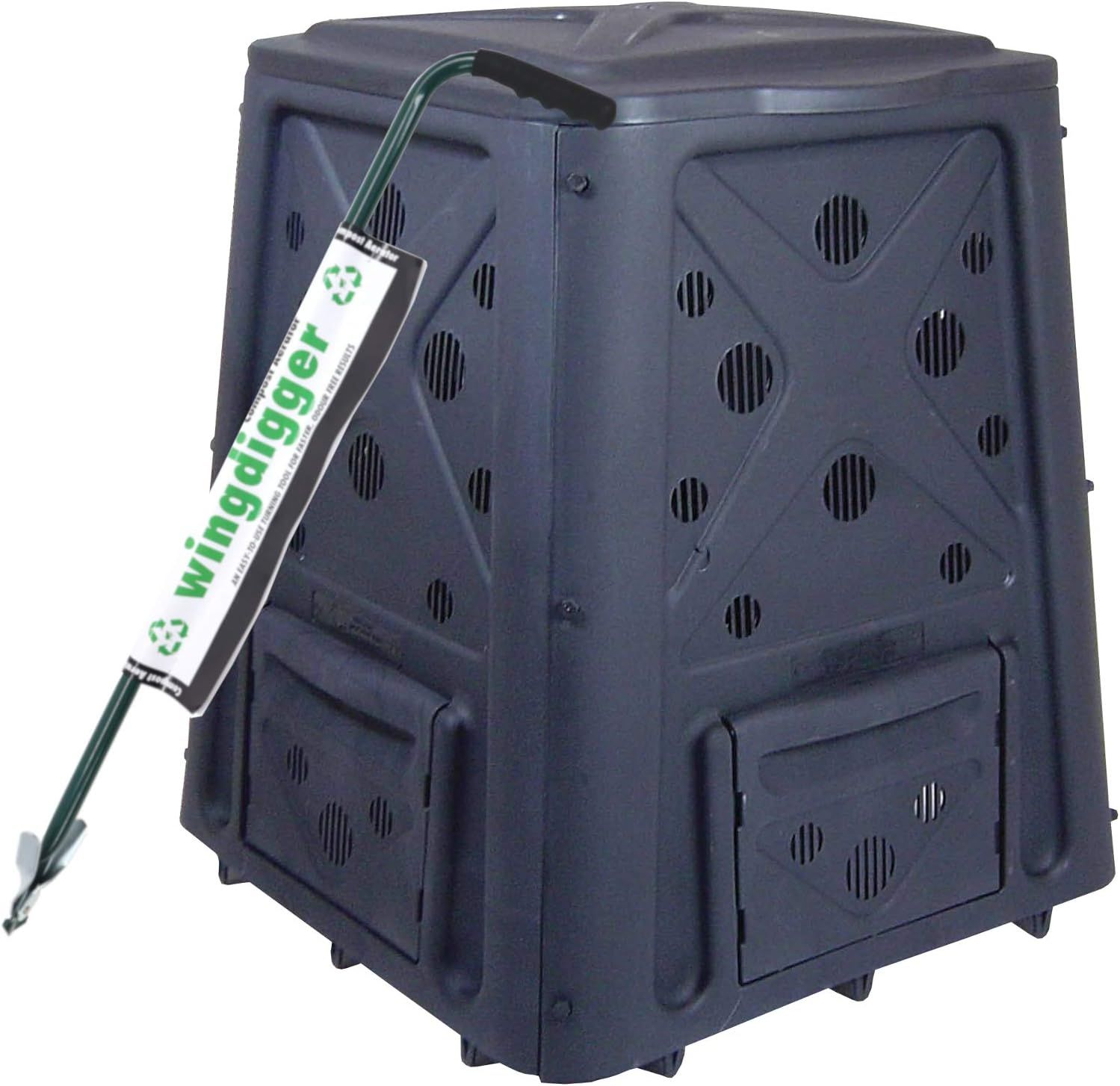
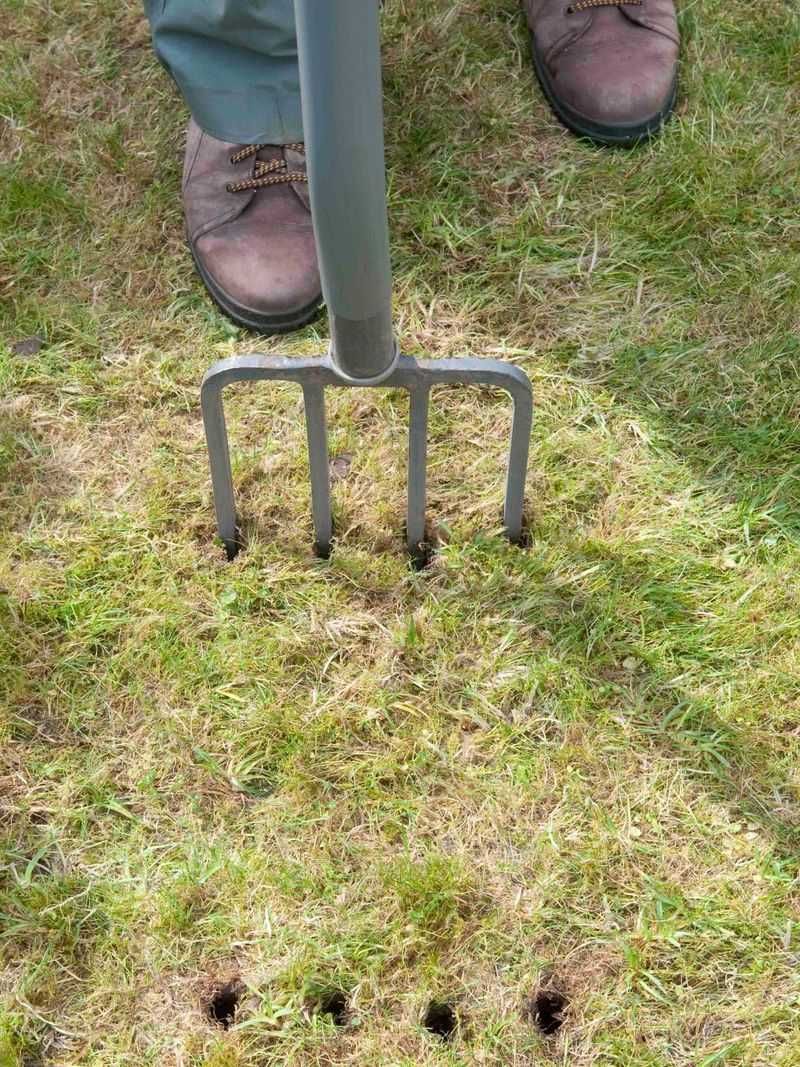
There are several different types of compost aerators, each suited to different situations and preferences. Wooden aerators are classic choices, often made from untreated hardwoods that are naturally resistant to rot. They’re easy to find and generally affordable, though they may require replacement after a few seasons. Plastic aerators are becoming increasingly popular due to their durability and variety of designs. Some feature multiple prongs that create several air channels, while others have spiral shapes that work well for deeper penetration. There are also specialized models designed specifically for tumblers or bins, which offer unique benefits for those using enclosed systems. For the most hands-on approach, there are manual tools that look like large forks or pitchforks, perfect for traditional pile composting. Some newer models even incorporate features like handles that make them easier to use with gloves on. Consider your space, budget, and existing composting setup when choosing the right type for your needs. Remember that some are better suited for small home gardens while others handle commercial-scale operations.
When and How to Use Your Composter Starter
Timing is everything when it comes to using your compost aerator eco starter. The best time to aerate is typically every 3-5 days for active piles, though you might want to do it more frequently during hot weather when decomposition speeds up. If you notice your pile getting too hot or too cold, that’s a signal that aeration might be needed. The method is straightforward but requires attention to detail. Start by inserting the aerator into the pile at different spots, about 6-8 inches deep. Don’t go too deep unless you’re dealing with very large piles. Move it around gently to create a network of air channels rather than just punching one hole. Some people prefer to aerate in a spiral pattern, working from the outside toward the center. You can also rotate the aerator slightly as you pull it out to create wider pathways. After aeration, add some brown materials like dried leaves or shredded paper to help balance the pile. It’s worth noting that you shouldn’t aerate when the pile is extremely wet, as this can cause compaction issues. The key is consistency rather than intensity – regular light aeration beats occasional heavy-duty turning.
Maintenance and Care Tips
Proper maintenance of your compost aerator eco starter ensures it continues working effectively for years. After each use, clean it thoroughly with water to remove any organic matter that might stick. For wooden models, consider applying a light coat of food-safe oil to prevent drying and cracking. Plastic aerators are generally low maintenance but should be checked regularly for cracks or damage. Store your aerator in a dry place away from direct sunlight, especially if it’s made of wood or natural materials. Check the prongs or points regularly to ensure they’re still sharp and functional. If you’re using it frequently, you might want to have a backup ready since it’s such an important tool. Some people even keep a spare in their garage or shed for emergencies. Remember that a well-maintained aerator will last much longer and perform better than one that’s neglected. Regular cleaning prevents buildup that could affect its performance and potentially contaminate your compost.
The compost aerator eco starter might seem like a small investment, but it’s actually one of the most valuable tools in your composting arsenal. It transforms a potentially frustrating experience into a rewarding one by making the entire process more efficient and manageable. Whether you’re dealing with a small backyard pile or a larger commercial operation, this simple device can make a world of difference. The key is understanding that composting is not just about adding materials – it’s about creating the right environment for those materials to transform. With proper aeration, you’ll enjoy faster results, better-smelling compost, and a healthier garden. Don’t underestimate the power of a good aerator. It’s not just about turning your pile – it’s about breathing life into your compost. Give it a try, and you’ll quickly discover why gardeners everywhere swear by this essential tool. The difference between average compost and exceptional compost often comes down to one simple thing: air. So take that first step, invest in a quality aerator, and watch your garden flourish.