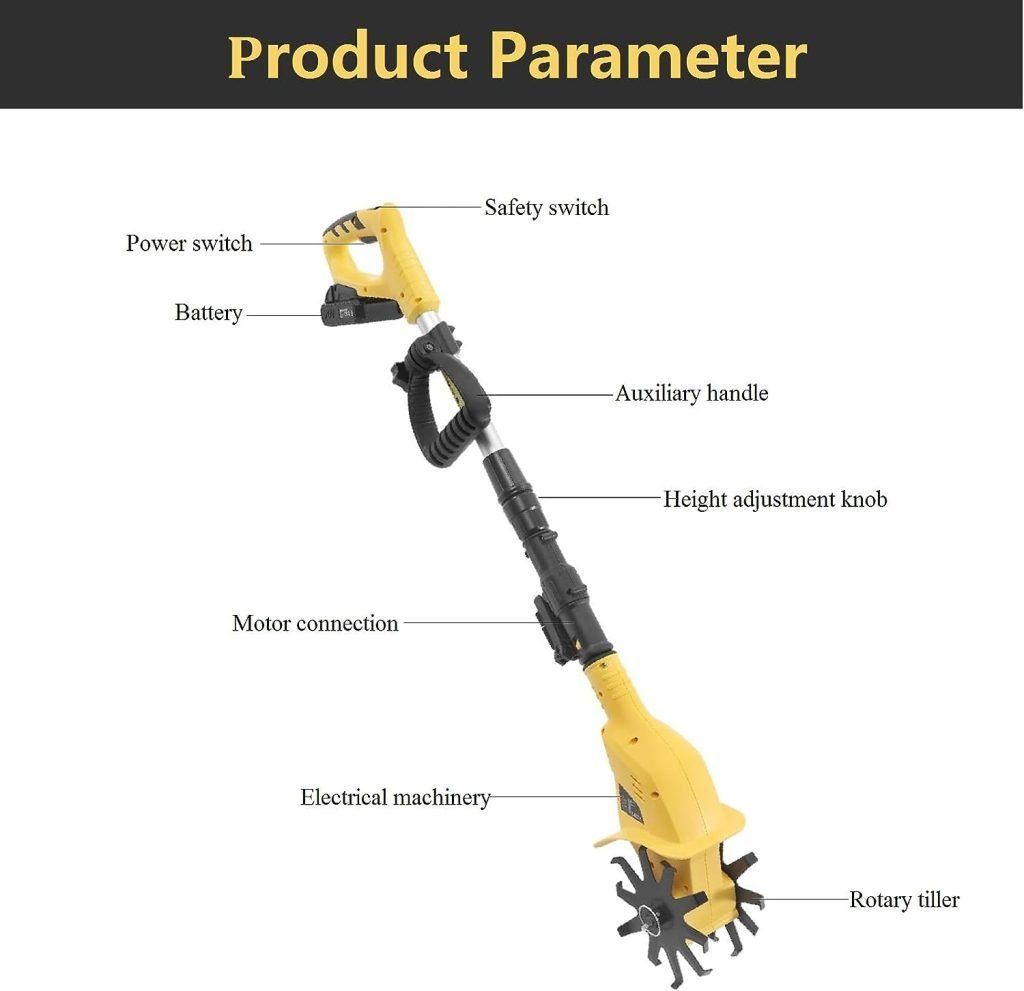
Imagine a garden tool that doesn’t rely on gas, doesn’t emit pollutants, and runs quietly while delivering powerful performance. That’s exactly what battery-powered eco cultivators offer. These modern marvels represent a significant shift in how we approach gardening, combining cutting-edge technology with environmental consciousness.
Gardening has evolved dramatically over the past few decades. While traditional gas-powered tools dominated the landscape, a quiet revolution has been taking place in our gardens. Battery-powered eco cultivators are emerging as game-changers, offering gardeners a cleaner, quieter, and more efficient alternative to conventional equipment. These machines aren’t just about convenience – they represent a fundamental shift toward sustainable gardening practices. Whether you’re tending to a small backyard plot or managing a larger garden space, understanding how these tools work and their impact on our environment is crucial for making informed decisions about your gardening approach.
The Heart of the Matter: Battery Technology
At the core of every battery-powered eco cultivator lies advanced lithium-ion battery technology. These batteries have come a long way since their early days, becoming smaller, more powerful, and significantly more affordable. The typical battery pack for these cultivators ranges from 40 to 80 volts, providing enough juice to tackle most garden tasks efficiently.
Modern cultivators often feature smart battery management systems that monitor charge levels and optimize performance. Some even allow users to swap batteries mid-task, ensuring continuous operation. The evolution from nickel-cadmium to lithium-ion has been transformative – lithium-ion batteries offer higher energy density, longer lifespan, and no memory effect. This means you can charge them anytime without worrying about reduced capacity over time.
Consider this: a single charge might power a 20-minute session for a typical cultivator. But with newer models featuring improved battery efficiency, some can handle up to 45 minutes of continuous use. That’s substantial progress compared to older models that barely lasted 15 minutes. The technology behind these batteries is what makes these tools truly viable alternatives to gas-powered machines.
Motor Innovation and Performance
The motor technology in battery-powered cultivators has undergone impressive development. These tools typically use brushless DC motors, which are far more efficient than their brushed counterparts. Brushless motors deliver consistent power output while consuming less energy, resulting in longer battery life and reduced heat generation.
The efficiency gains are remarkable. A well-designed brushless motor can achieve up to 90% efficiency compared to 70% for traditional brushed motors. This translates to better performance with less energy waste. The motors also tend to last longer, often outlasting the battery itself.
In terms of actual performance, modern cultivators can generate torque comparable to gas-powered models. Some high-end versions produce over 150 pound-feet of torque, sufficient for breaking up tough soil or tackling dense weeds. The instant torque delivery of electric motors provides a responsive feel that many gardeners find preferable to the gradual acceleration of gas engines.
These improvements mean gardeners can tackle more demanding tasks without the hassle of fuel mixing or engine maintenance. Plus, the absence of oil changes, spark plug replacements, and carburetor adjustments makes these tools remarkably low-maintenance.
Environmental Benefits: Beyond the Obvious
The environmental advantages of battery-powered cultivators extend far beyond simple emission reduction. When you consider the entire lifecycle impact, the benefits become even clearer.
Firstly, there’s the immediate air quality improvement. Gas-powered tools emit volatile organic compounds, nitrogen oxides, and particulate matter that contribute to local pollution. These emissions are completely eliminated with electric alternatives. In urban areas where air quality is already a concern, this difference matters greatly.
Water conservation also plays a role. Because electric cultivators operate more efficiently, they require less energy input per unit of work. This means fewer resources are needed to produce the electricity used to charge them. Many gardeners report using less water overall because their tools work more effectively.
Additionally, battery-powered cultivators reduce noise pollution. Traditional gas engines can reach 90 decibels, which is comparable to a lawnmower. Electric motors operate at around 65 decibels, creating a much more pleasant environment for both gardeners and neighbors. This reduction in noise pollution helps preserve wildlife habitats and reduces stress on local ecosystems.
The manufacturing process for these tools also shows promise. Many manufacturers now focus on recyclable materials and modular designs that allow for easier component replacement rather than complete disposal.
Economic Considerations for Gardeners
While the initial investment in battery-powered cultivators may seem higher than traditional gas models, the long-term economic benefits often outweigh the upfront costs. Let’s break down the numbers.
Fuel costs alone can add up quickly. A typical gas-powered cultivator might consume 1/4 gallon of fuel per hour of operation, costing roughly $2-3 per hour depending on local prices. Over a season, this can amount to hundreds of dollars. Battery-powered models eliminate this entirely.
Maintenance expenses also disappear with electric tools. No oil changes, no spark plug replacements, no carburetor cleanings – all the routine maintenance that keeps gas engines running smoothly. A typical annual maintenance cost for gas cultivators can range from $100 to $200.
Battery life varies by model, but most last between 3-5 years with proper care. Replacement batteries typically cost between $100-$300 depending on capacity and brand. Compared to the ongoing costs of fuel and maintenance for gas models, this represents a significant savings.
For commercial gardeners or those with large properties, the economic case becomes even stronger. Reduced downtime due to maintenance issues and lower operational costs can lead to substantial savings over time. Many professional gardeners have made the switch, citing improved productivity and reduced overhead costs.
Real-World Applications and User Experiences
The practical benefits of these tools become apparent when we look at real-world usage scenarios. Professional landscapers have reported dramatic improvements in their workflow since switching to battery-powered equipment. One landscape contractor noted a 30% increase in daily productivity after switching from gas to electric cultivators.
Home gardeners have similar stories. Sarah Martinez from Portland, Oregon, switched to a battery-powered cultivator after struggling with her gas-powered model. "I was always worried about starting it in cold weather," she explains. "Now I just charge it overnight and go. No more fumbling with choke pulls and priming."
The versatility of these tools shines through in different applications. From preparing seed beds to maintaining established garden areas, battery-powered cultivators handle various tasks effectively. Some models feature interchangeable attachments that can function as tillers, aerators, or even weeders, maximizing their utility.
Weather resilience also plays a part in user satisfaction. Unlike gas engines that can stall in extreme temperatures or require special winter preparations, electric cultivators operate reliably across a wide temperature range. This consistency is particularly appreciated in regions with variable climates.
Many users also mention the improved ergonomics of electric tools. The lighter weight and reduced vibration make extended use more comfortable, especially for gardeners with physical limitations or those working in challenging conditions.
Future Developments and Emerging Trends
The future of battery-powered eco cultivators looks incredibly promising, with several exciting developments on the horizon. Battery technology continues advancing rapidly, with new chemistries and designs promising even longer runtimes and faster charging times.
One emerging trend involves solar charging capabilities. Some manufacturers are integrating solar panels directly into cultivator handles or offering portable solar charging units. This could make these tools truly self-sufficient in sunny conditions.
Smart connectivity features are also appearing in premium models. Apps that track usage patterns, battery health, and maintenance schedules are becoming more common. These digital companions help users maximize tool performance and longevity.
Battery recycling programs are expanding, making it easier for consumers to responsibly dispose of old batteries. Several manufacturers now offer take-back programs or partnerships with recycling facilities.
Another area of innovation involves artificial intelligence integration. Some experimental models incorporate sensors that adjust power output based on soil conditions or automatically optimize performance for specific tasks. These smart features could make gardening more efficient and accessible to beginners.
The market is also seeing increased competition from established tool manufacturers who recognize the growing demand for sustainable options. This competition drives innovation and affordability, making these tools more accessible to average consumers.
Battery-powered eco cultivators represent more than just a technological upgrade – they embody a shift toward more sustainable and responsible gardening practices. From the sophisticated battery technology that powers these tools to their impressive environmental benefits, these machines offer genuine advantages over traditional gas-powered alternatives. While the initial investment may be higher, the long-term savings in fuel, maintenance, and environmental impact make them compelling choices for gardeners of all levels.
The real value lies not just in what these tools can do, but in how they change our relationship with gardening itself. They enable us to work more efficiently, reduce our environmental footprint, and enjoy our garden spaces more fully. As battery technology continues improving and prices become more competitive, these eco cultivators will likely become the standard rather than the exception.
Whether you’re a seasoned gardener looking to upgrade your tools or someone just beginning your gardening journey, considering battery-powered eco cultivators makes sense. They offer the performance and reliability that modern gardeners expect while aligning with broader environmental values. The future of gardening is electric, and it’s looking brighter than ever before.