Picture this: a farmer standing in a field that’s been transformed by technology that’s both eco-friendly and incredibly effective. It’s not science fiction – it’s happening right now in farms across the globe. Solar-powered drip irrigation systems are changing everything about how we grow our food. These systems combine renewable energy with precision watering to deliver results that many farmers never thought possible.
In a world where climate change threatens traditional farming methods, innovative solutions are emerging to keep our food supply secure. One such breakthrough is the marriage of solar power and drip irrigation technology. This combination isn’t just about saving money on electricity bills – it’s about maximizing every drop of water and every watt of energy to produce better crops. Think of it like giving your plants the perfect combination of sunshine and precise hydration. The result? Higher yields, better quality produce, and sustainable farming practices that work with nature rather than against it.
Understanding Solar Drip Irrigation Systems
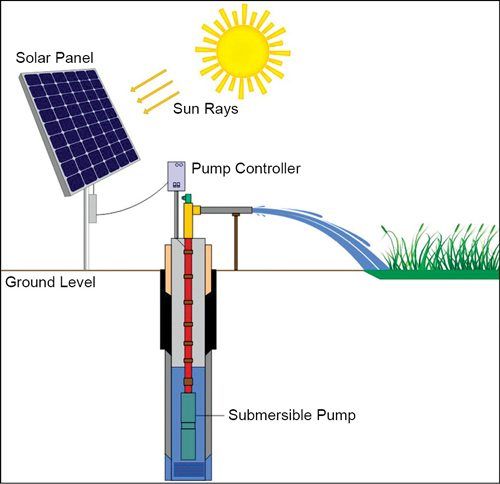
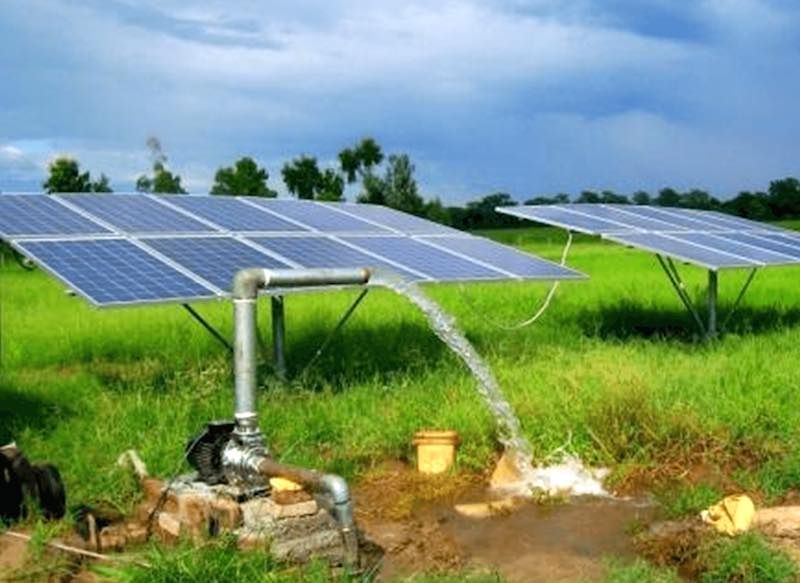
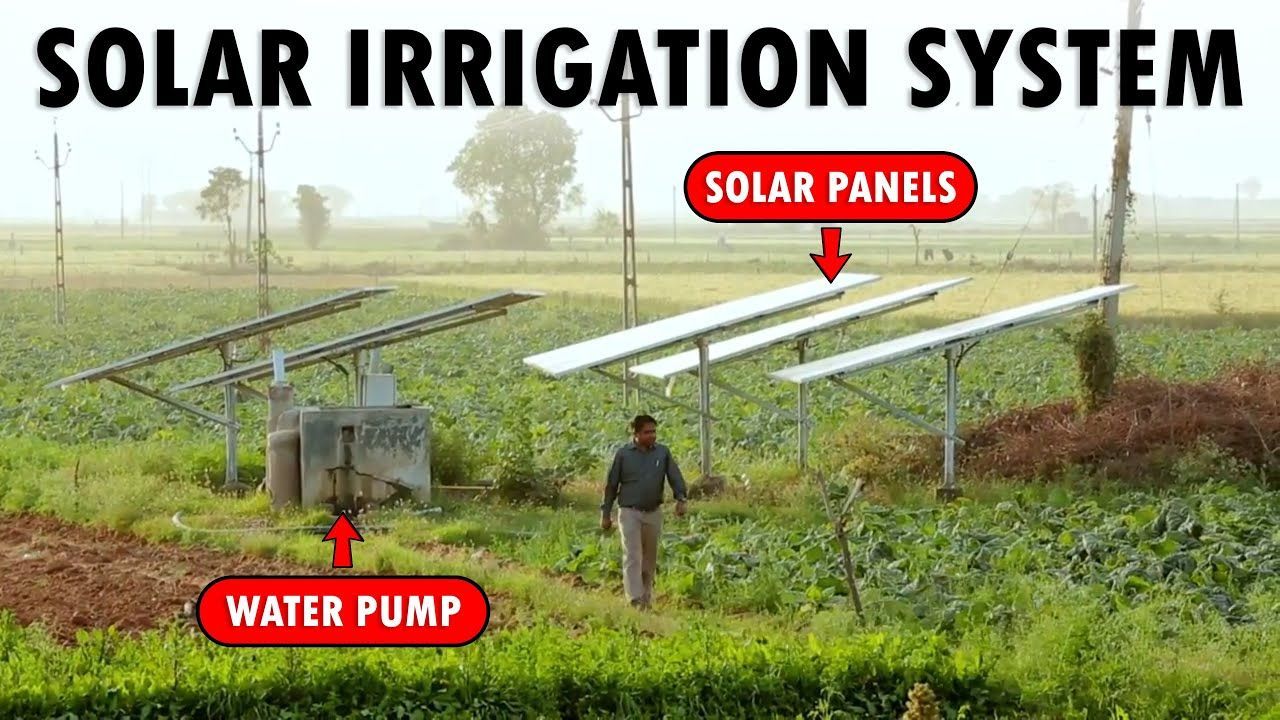
At its core, solar drip irrigation combines two proven technologies: solar energy collection and targeted watering. The system works much like a smart watering system that knows exactly when and how much each plant needs. A solar panel array captures sunlight during the day, converting it into electrical energy. This power then drives a pump that pushes water through a network of tubes and emitters directly to plant roots. The beauty lies in its simplicity and efficiency.
Unlike traditional sprinkler systems that waste water through evaporation and runoff, drip irrigation delivers water directly where it’s needed most. When combined with solar power, the system becomes completely self-sufficient, requiring no grid connection and minimal maintenance. Farmers can install these systems in remote locations where electricity access might be limited or expensive.
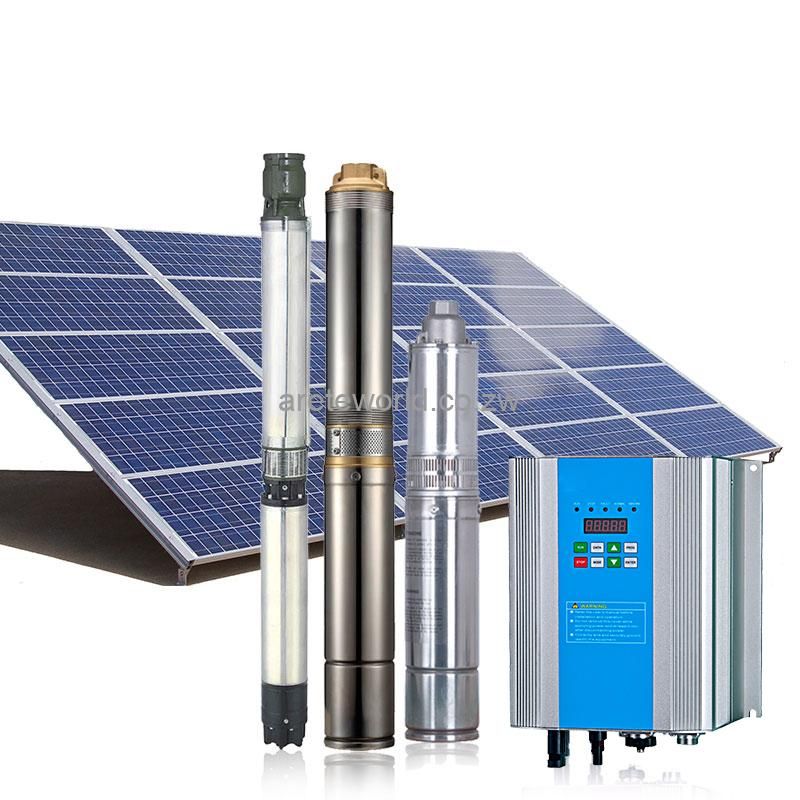
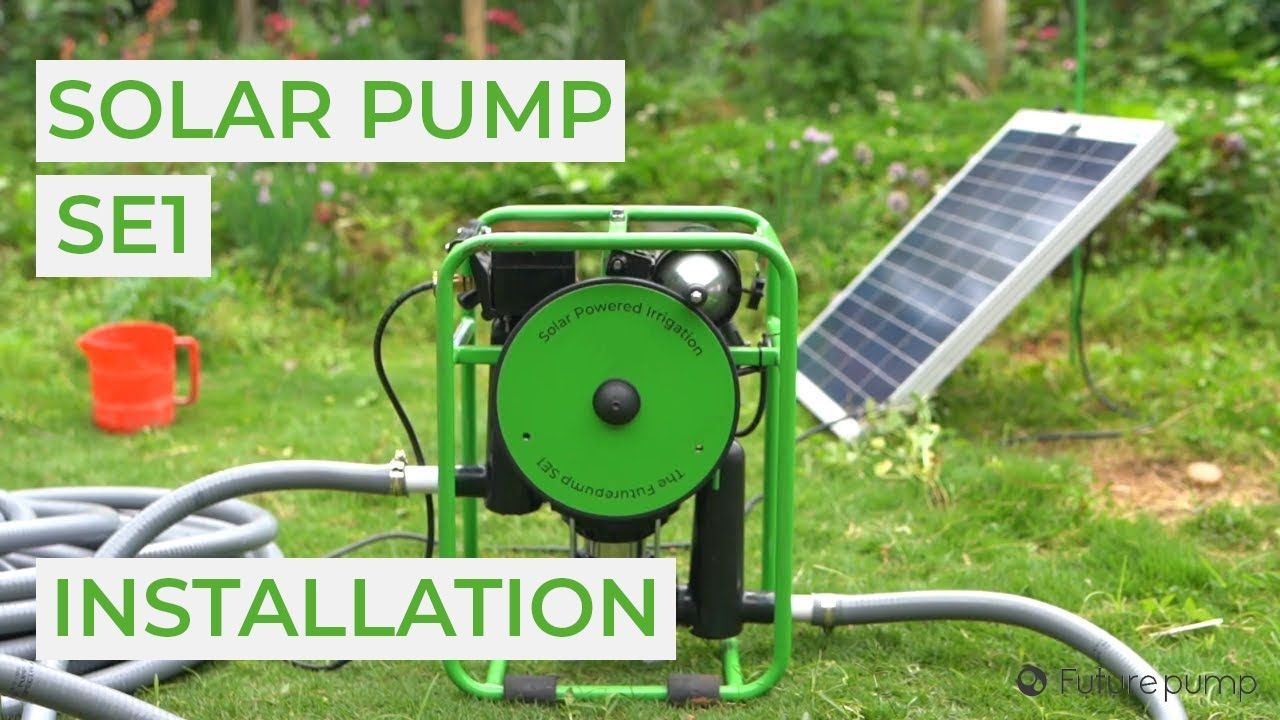
The components typically include solar panels, a water pump, pressure regulators, filtration systems, tubing networks, and drip emitters. Each part plays a crucial role in ensuring that water reaches plants efficiently while minimizing waste.
The Science Behind Enhanced Crop Productivity
Why do these systems actually increase yields? It’s all about precision and consistency. Plants thrive when they receive the right amount of water at the right time. Solar drip irrigation provides exactly that. When water is delivered consistently and directly to root zones, plants experience less stress and can focus their energy on growth and production.
Research shows that well-managed drip irrigation can increase yields by 20-50% compared to conventional methods. This happens because:
• Water stress is dramatically reduced
• Nutrient uptake becomes more efficient
• Soil erosion and compaction are minimized
• Disease spread is decreased due to reduced leaf wetness
• Water usage drops by 30-70% compared to flood irrigation
The consistent moisture levels allow plants to develop stronger root systems. Stronger roots mean better nutrient absorption and more robust overall plant health. When plants aren’t stressed by irregular watering, they can channel more resources toward fruit development and yield production.
Real-World Success Stories
Let’s look at some actual cases where farmers have seen dramatic improvements. In India, a group of smallholder farmers in Rajasthan adopted solar drip irrigation systems after facing severe drought conditions. Within two growing seasons, their tomato yields increased by over 40%, and they were able to grow crops year-round instead of being limited to monsoon seasons.
In California’s Central Valley, vineyard owners installed solar drip systems to combat water scarcity issues. They reported not only higher grape yields but also improved fruit quality and reduced labor costs. The automated nature of the systems meant fewer manual interventions were required, freeing up workers for other tasks.
Even in Africa, farmers in Kenya have found success with these systems. A cooperative of small-scale farmers saw their maize yields double after switching to solar drip irrigation. The savings on fuel costs for diesel pumps and the reliability of solar power made the investment worthwhile within just three years.
Cost-Benefit Analysis and Financial Considerations
The initial investment can seem significant, but let’s break down the numbers. A typical solar drip irrigation system costs between $2,000 and $8,000 depending on size and complexity. However, the financial benefits often outweigh the upfront costs quickly.
Key advantages include:
• No ongoing electricity bills
• Reduced water consumption means lower utility costs
• Lower maintenance requirements compared to diesel-powered systems
• Potential for government subsidies and incentives
• Increased crop yields translate directly to higher profits
For example, a farmer with a 10-acre field might spend $5,000 on a system and save approximately $1,500 annually on electricity and water costs. If yields improve by 30%, that additional revenue could easily cover the investment within 2-3 years. Many governments offer rebates or financing options that can reduce the initial outlay by 30-50%.
It’s also worth noting that these systems often last 20+ years with proper maintenance, making them a long-term asset rather than a short-term expense.
Technical Challenges and Solutions
No technology comes without its hurdles. Solar drip irrigation systems face several challenges that need addressing:
• Weather dependency – cloudy days or seasonal variations can affect performance
• Initial installation complexity requiring technical knowledge
• System maintenance requirements
• Cost barriers for small-scale farmers
However, modern solutions are making these systems more reliable. Battery storage systems can store excess solar energy for use during low-light periods. Advanced controllers can adjust water delivery based on weather forecasts and soil moisture readings. Many manufacturers now offer turnkey installation services and training programs.
Smart sensors that monitor soil conditions and automatically adjust water delivery are becoming more affordable. These systems can detect when plants need water and deliver exactly that amount, preventing both under-watering and over-watering. Some even integrate with smartphone apps, allowing farmers to monitor and control their systems remotely.
Future Trends and Innovations
The future of solar drip irrigation looks incredibly promising. Emerging technologies are pushing the boundaries of what’s possible:
• Integration with IoT (Internet of Things) devices for real-time monitoring
• Advanced solar panel efficiency improving energy capture
• Smart fertilization systems that deliver nutrients along with water
• AI-powered systems that predict optimal watering schedules
• Modular designs that allow easy expansion as farm operations grow
One exciting development is the emergence of hybrid systems that combine solar power with wind energy or battery storage. These systems ensure consistent operation even during extended cloudy periods or seasonal variations.
Researchers are also working on developing more efficient drip emitters that can handle various soil types and plant requirements. Some new systems can automatically adjust water pressure and flow rates based on plant growth stages and environmental conditions.
Additionally, the concept of ‘smart agriculture’ is incorporating these systems into broader digital farming platforms. This allows farmers to make data-driven decisions about planting schedules, crop selection, and resource allocation based on real-time information from their irrigation systems.
Solar drip irrigation represents more than just a technological advancement – it’s a fundamental shift toward sustainable and profitable farming. These systems prove that innovation doesn’t have to be complicated or expensive to be effective. When farmers invest in precision water management powered by clean energy, they’re investing in their future productivity and environmental stewardship.
The evidence is clear: farms using solar drip irrigation see measurable improvements in crop yields, water efficiency, and operational costs. As technology continues to evolve and become more accessible, these systems will likely become standard practice rather than innovative exception. For farmers looking to maximize their returns while protecting natural resources, solar drip irrigation offers a path forward that’s both economically sound and environmentally responsible.
Whether you’re a smallholder farmer or large agricultural operation, the principles remain the same. Precision watering, consistent moisture levels, and sustainable energy sources create the foundation for exceptional crop production. The question isn’t whether to adopt this technology – it’s how quickly you can get started with implementing these solutions to transform your farming operations.