Picture this: your favorite faucet has developed unsightly rust stains that seem impossible to remove. You’ve tried everything – commercial cleaners, scrub brushes, even some questionable DIY solutions. But then you remember something simple, something you probably have in your kitchen right now. What if the answer was as basic as squeezing a lemon? This isn’t just a clever trick – it’s a natural solution that works.
Rust on faucets isn’t just an eyesore. It’s a common household problem that many of us face regularly. Whether it’s from hard water deposits, age, or simply poor maintenance, rust can appear on taps, showerheads, and fixtures seemingly overnight. Most people reach for chemical-based cleaners that promise quick fixes but often come with health risks, environmental concerns, and sometimes, expensive price tags. What if there was a safer, more sustainable way to tackle this issue? Enter lemon juice – a natural acid that has been quietly working its magic in kitchens worldwide for centuries. This humble citrus fruit contains citric acid, which happens to be incredibly effective at breaking down iron oxide, the chemical name for rust. The best part? It’s non-toxic, biodegradable, and readily available. No need to purchase special products or worry about fumes. Just grab a lemon, some time, and a little patience.
Understanding Rust Formation
Before we dive into how to remove rust, let’s talk about what actually causes it. Rust forms when iron or steel comes into contact with oxygen and moisture over time. Think of it like a slow oxidation process, similar to how an apple turns brown when exposed to air. The process starts with tiny particles of iron reacting with oxygen in the presence of water, creating iron oxide – that’s rust. Hard water, which contains minerals like calcium and magnesium, accelerates this process. When water sits on faucet surfaces, especially in areas with high mineral content, it leaves behind deposits that promote rust formation. These deposits often appear as reddish-brown spots or patches on metal surfaces. You might notice them first on older fixtures, but even newer ones can develop rust under certain conditions. The key is understanding that rust isn’t permanent – it’s a chemical reaction that can be reversed with the right approach. This knowledge gives us confidence that natural methods can work effectively.
The Science Behind Citric Acid
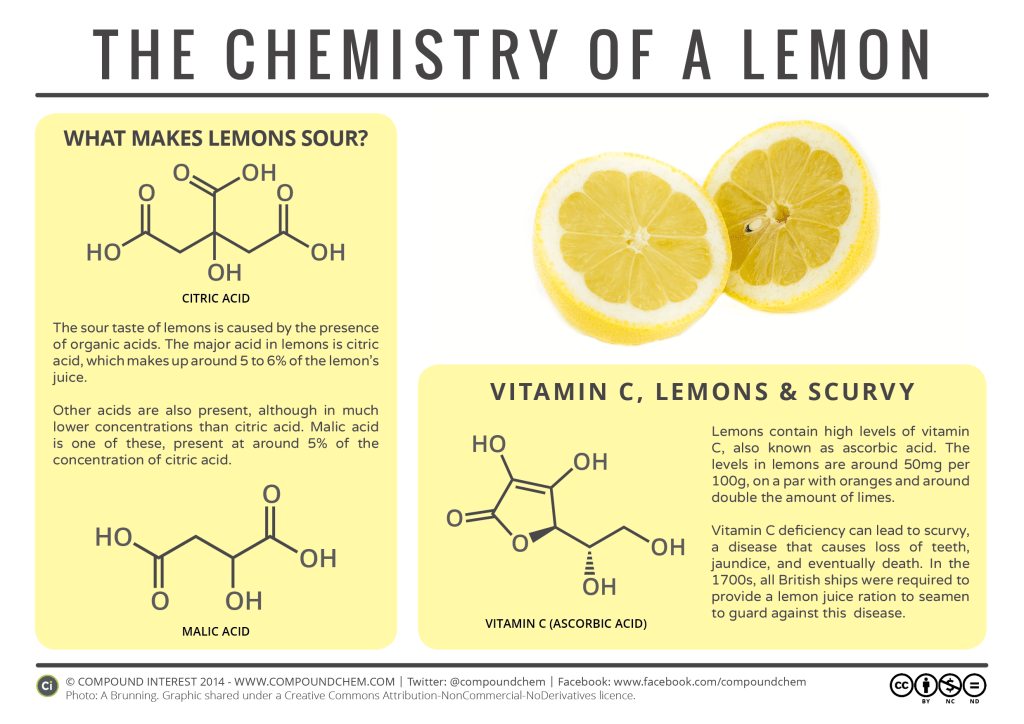
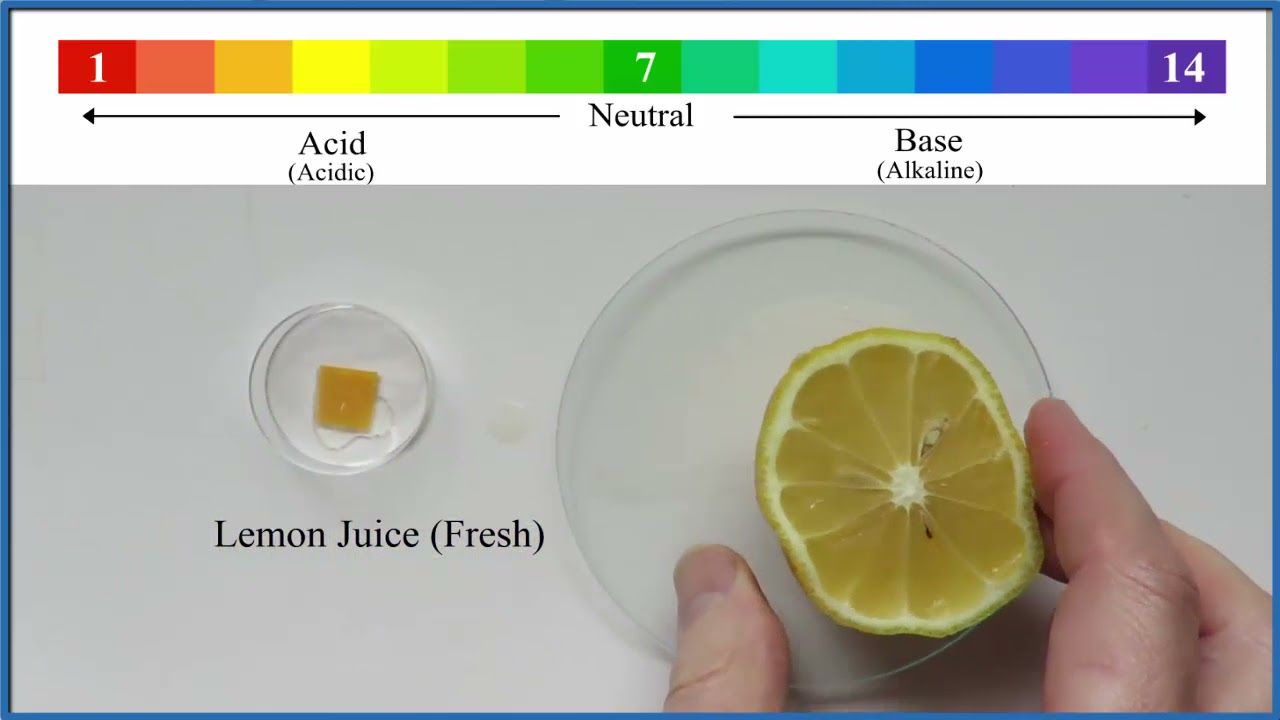
Citric acid, found abundantly in citrus fruits like lemons, is a weak organic acid that’s naturally occurring in plants. It’s the same acid that gives lemons their tart taste and is commonly used as a food preservative. But here’s where it gets interesting: citric acid acts as a chelating agent. That means it binds with metal ions, particularly iron, forming stable compounds that can be easily removed. When you apply lemon juice to rusted surfaces, the citric acid starts breaking down the iron oxide bonds. It essentially "dissolves" the rust at a molecular level. The acid works by reducing the iron oxide back to metallic iron, making it easier to wipe away. This process is much gentler than harsh chemical cleaners, which often contain strong acids like sulfuric acid or hydrochloric acid that can damage metal and pose serious safety risks. The beauty of citric acid is that it’s mild enough to be safe for most surfaces while still being powerful enough to tackle rust effectively. Plus, it breaks down naturally, leaving no harmful residues behind.
Preparation and Safety Considerations
Before you begin your rust removal project, there are a few things to keep in mind. First, ensure the faucet is turned off completely. If you’re dealing with a stubborn rust spot, try to clean the surface first with mild soap and water to remove any loose dirt or debris. This helps the lemon juice work more effectively. You’ll want to work in a well-ventilated area, though lemon juice typically doesn’t produce strong odors. Wear gloves if you’re sensitive to citrus, and avoid getting the juice on painted or varnished surfaces, as the acid could potentially cause damage. Also, remember that lemon juice is acidic, so it’s best to test a small hidden area first to make sure it won’t discolor or damage your particular fixture. Some metals, like aluminum, may react differently to acids, so always check the material of your faucet before proceeding. Having a soft cloth, toothbrush, and possibly a small bowl for soaking will make the process much easier. A good rule of thumb is to prepare everything you’ll need before starting.
Step-by-Step Rust Removal Process
The process itself is surprisingly straightforward. Start by cutting a fresh lemon in half and squeezing the juice directly onto the rusted areas. Alternatively, you can place lemon slices directly on the rust spots and let them sit for several minutes. The acid needs time to work its magic. Next, rub the lemon juice into the rust with a soft cloth or sponge, applying gentle pressure. For stubborn spots, you might need to use a soft-bristled toothbrush to gently scrub the area. The citric acid will start breaking down the rust immediately. After letting it sit for about 10-15 minutes, rinse the area thoroughly with clean water. Then, dry the surface completely with a clean towel. If rust remains, repeat the process. The key is patience – rushing the process often leads to incomplete results. Some people find success by letting the lemon juice sit for longer periods, even overnight, for particularly tough rust. The acid continues working as long as it’s in contact with the rust. Don’t forget to check the manufacturer’s instructions for your specific faucet type to ensure compatibility with this method.
Alternative Natural Methods to Consider
While lemon juice is incredibly effective, it’s not the only natural option available. Vinegar, another common household acid, works similarly to lemon juice and can be used alone or in combination with lemon. Baking soda mixed with water creates a paste that can help lift rust when applied and left to sit before wiping away. Coffee grounds, when combined with lemon juice, can provide extra abrasiveness for tough spots. Even salt can act as a mild abrasive when mixed with lemon juice to create a more aggressive cleaning solution. However, lemon juice stands out because it combines acidity with natural enzymes that help break down rust while being gentle on most surfaces. The advantage of using multiple natural methods together is that they can target rust from different angles. For example, the mechanical action of scrubbing with a toothbrush complements the chemical action of the acid. Some people also find that alternating between lemon juice and vinegar treatments can be particularly effective for severe cases.
Maintenance Tips to Prevent Future Rust
Removing rust is one thing, but preventing it from coming back is even better. Regular cleaning with mild soap and water can prevent mineral buildup that leads to rust. After each use, dry your faucet with a clean towel to remove moisture that contributes to rust formation. Consider installing a water softener if you live in an area with very hard water, as this can significantly reduce rust issues. Using a faucet protector or spray guard can also help prevent direct contact with water and minerals. For outdoor faucets, consider applying a thin layer of petroleum jelly to metal parts periodically. Regular inspection of your fixtures allows you to catch early signs of rust before they become major problems. A proactive approach to maintenance saves both time and effort in the long run. Remember, prevention is always easier than cure, and taking care of your fixtures regularly keeps them looking new longer.
Rust on faucets doesn’t have to be a source of frustration or concern about harmful chemicals. The natural acidity of lemon juice provides an effective, safe alternative to traditional rust removers. By understanding the science behind how citric acid works and following proper techniques, anyone can successfully remove rust from their fixtures. The process is simple, environmentally friendly, and cost-effective. Plus, regular maintenance can prevent rust from forming in the first place. This method offers a sustainable solution that’s accessible to everyone, regardless of their budget or technical skills. So next time you encounter rust on your faucet, remember that the answer might be sitting right in your kitchen drawer. Give it a try – your faucet (and the environment) will thank you. The power of nature, concentrated in a simple citrus fruit, can solve problems that seem daunting at first glance. It’s a reminder that sometimes the simplest solutions are the most effective ones.