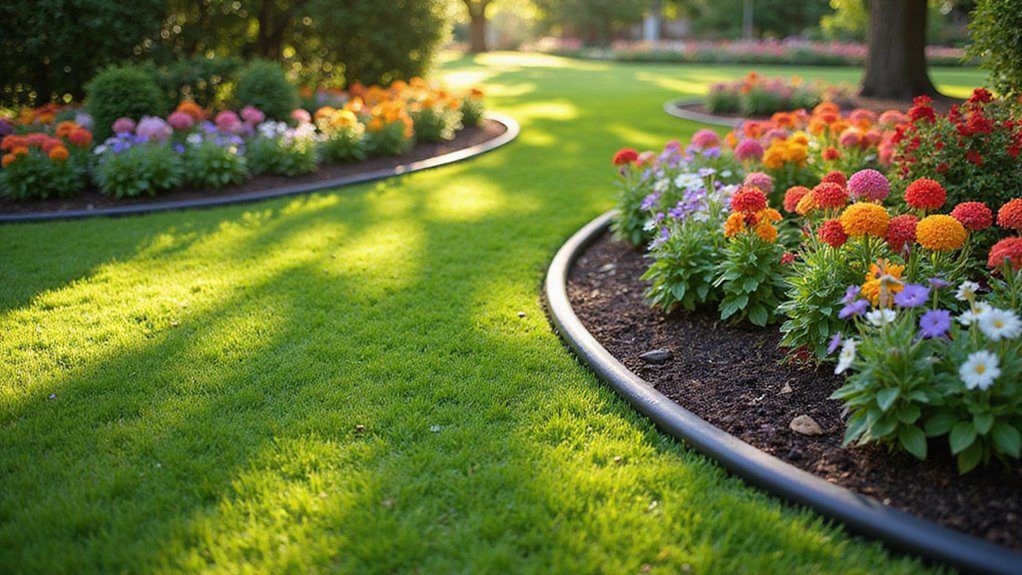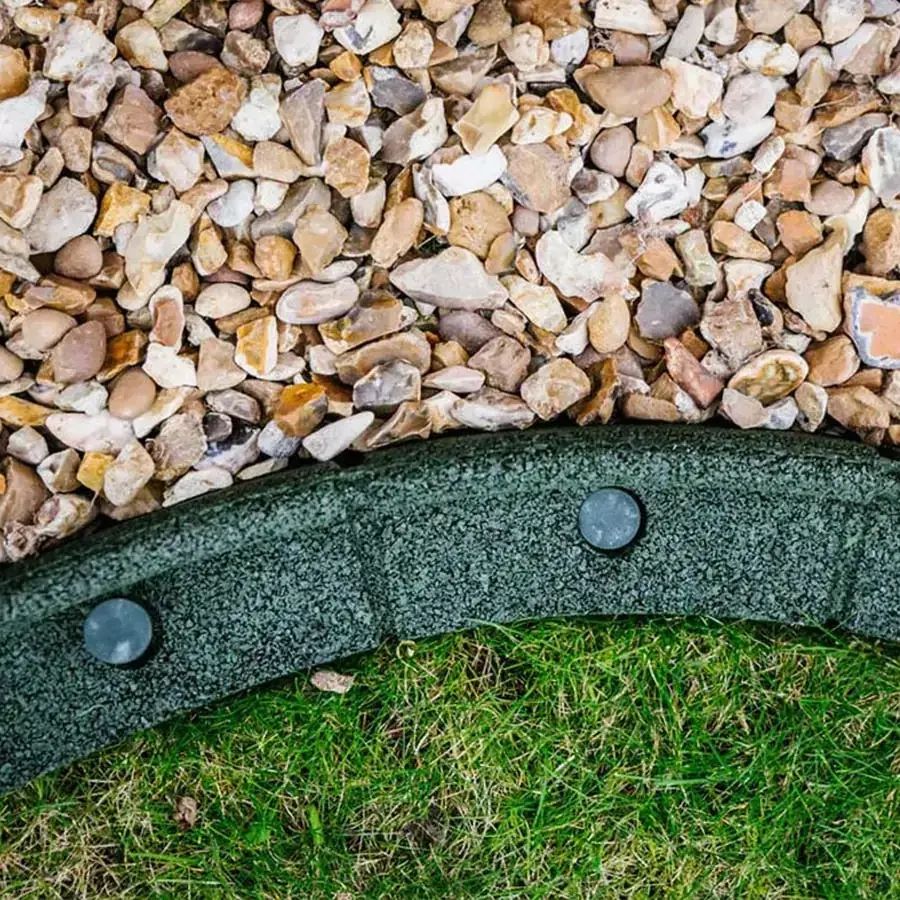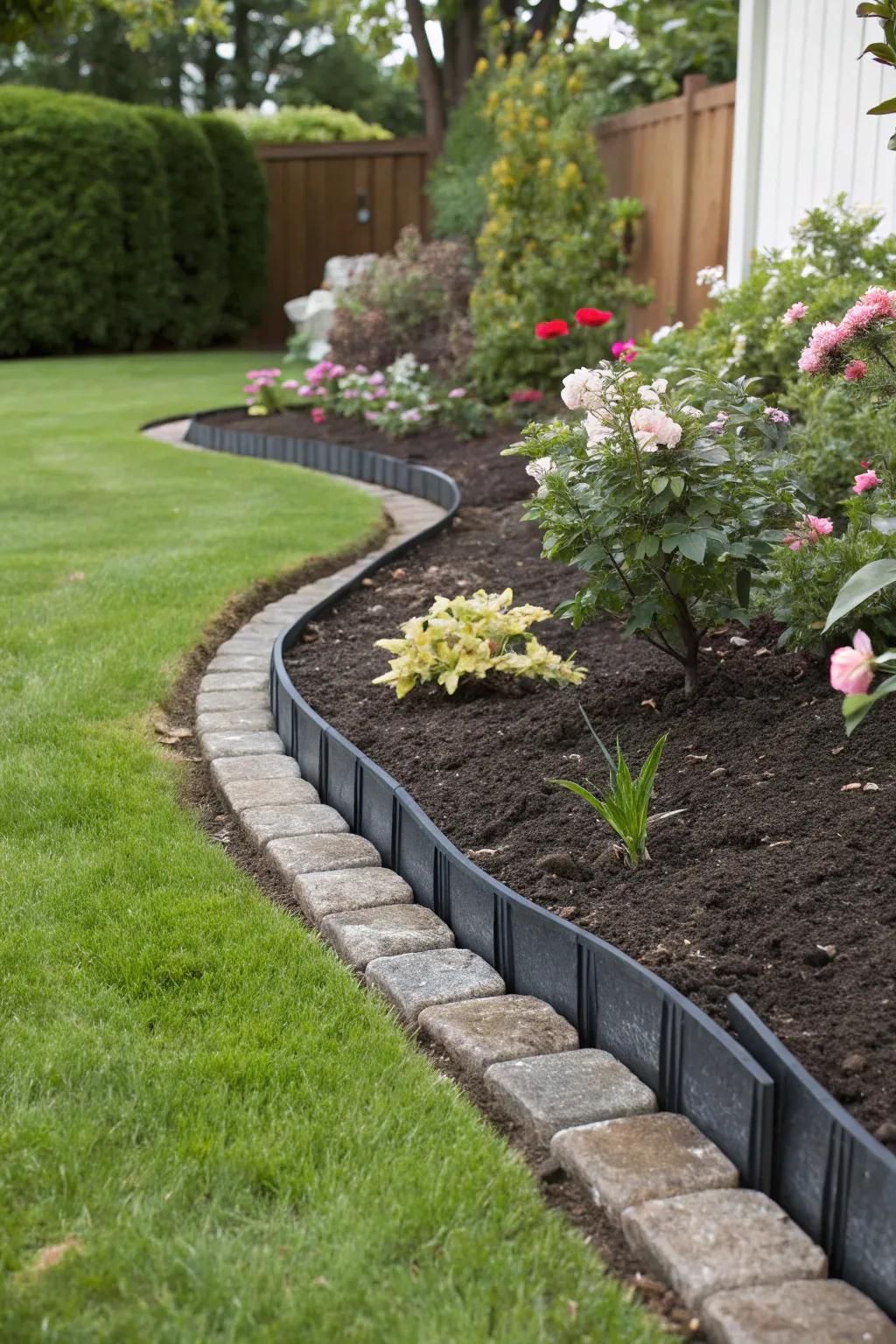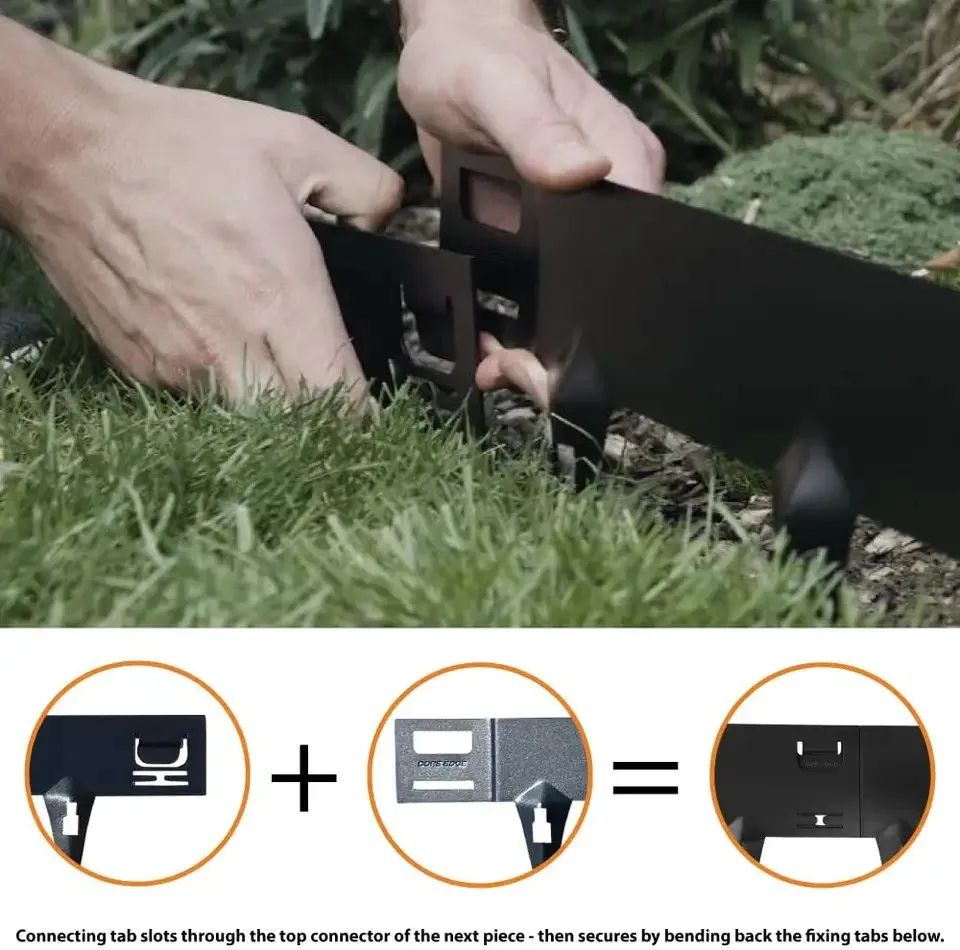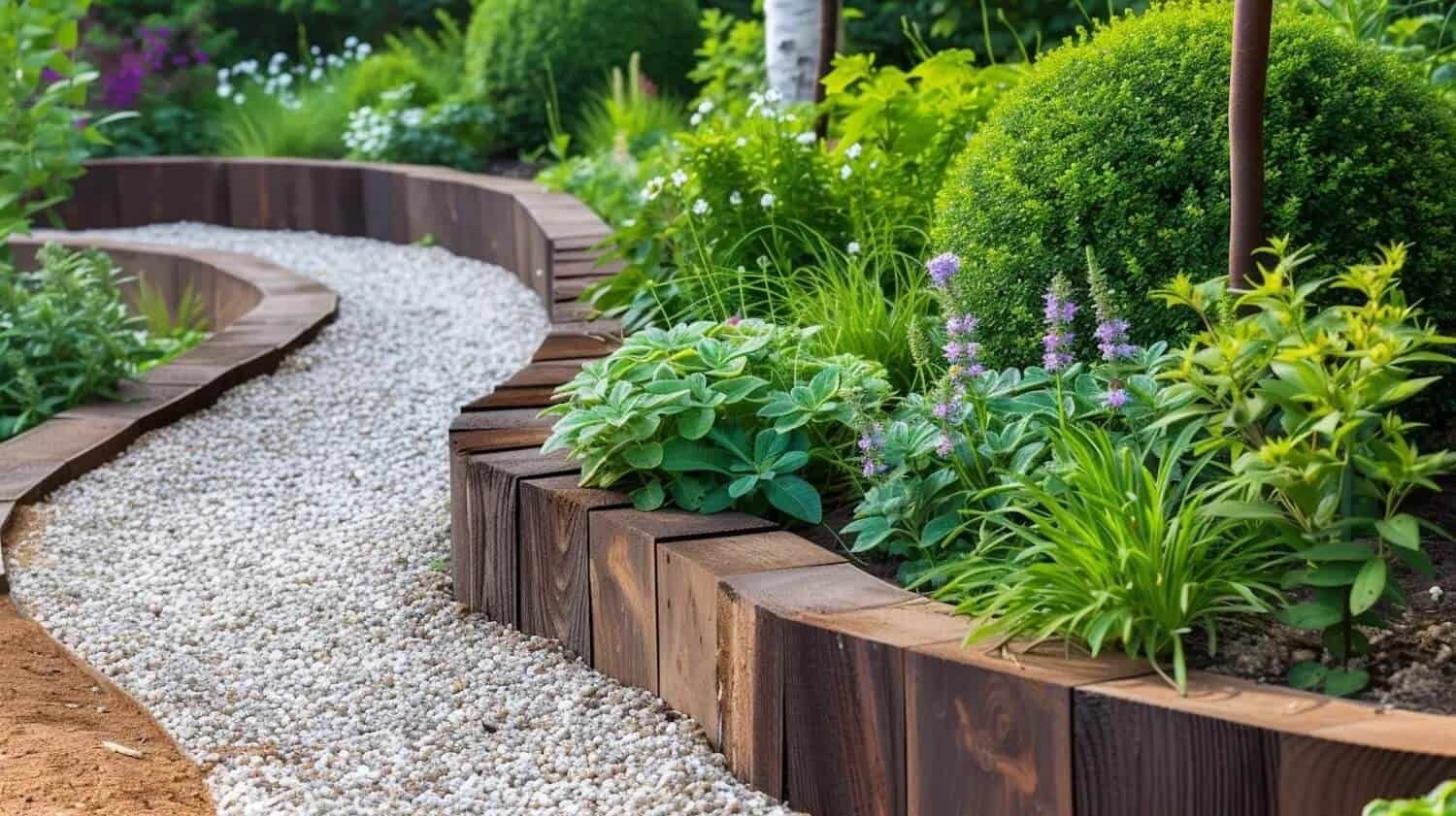
Picture this: a perfectly manicured backyard that looks stunning while doing its part to protect our planet. That’s not just a dream anymore. With the right environmentally friendly edging tools, you can create those sharp, clean lines that define your garden spaces while keeping soil, water, and wildlife safe. It’s time to ditch the old-school methods and embrace green alternatives that work just as well, if not better.
When we think about maintaining our outdoor spaces, we often focus on the big picture – the plants, the flowers, the overall design. But there’s one crucial element that often gets overlooked: how we define and separate different areas of our gardens. Traditional edging tools have been around for decades, but they come with their own set of environmental costs. From gas-powered tools that emit harmful fumes to plastic components that end up in landfills, the impact can be surprising. What if there was a way to keep your yard looking pristine while also protecting the ecosystem around it? The answer lies in choosing the right eco-friendly edging tools.
The Hidden Environmental Cost of Traditional Edging
Let’s start with what we already know: traditional edging methods aren’t exactly kind to Mother Earth. Gas-powered edgers, for instance, contribute to air pollution and noise pollution simultaneously. They’re loud enough to disturb neighbors and harmful enough to affect local air quality. These machines also require regular maintenance, including oil changes and part replacements that often end up in landfills.
Consider the plastic edging tools that have become common in many households. While they may seem harmless, these items can take hundreds of years to decompose. When they eventually break down, they release microplastics into the soil, affecting plant growth and potentially entering the food chain.
Even manual tools like metal edging knives, though seemingly simple, can have hidden impacts. The manufacturing process for steel tools involves significant energy consumption and carbon emissions. Plus, when these tools rust and need replacement, they add to the growing pile of discarded gardening equipment.
But here’s the thing – we don’t have to accept this status quo. There are better ways to achieve those clean edges without compromising our environmental values.
Manual Edging Tools: Timeless and Sustainable
Sometimes the simplest solutions are the most effective. Manual edging tools have been used for generations and offer a truly sustainable approach to maintaining garden borders. These tools rely on human power rather than fossil fuels, making them zero-emission options.
The classic hand edger stands out as a top choice for environmentally conscious gardeners. These tools typically feature a curved blade attached to a sturdy handle, allowing you to cut through grass and weeds with precision. Unlike their powered counterparts, they don’t produce any emissions and require no fuel or electricity. You get the edge you want, and the planet gets nothing but respect.
Another excellent option is the half-moon edger. This tool resembles a large, curved knife and is particularly effective for creating smooth, curved borders. The beauty of these tools lies in their simplicity – they’re built to last, often made from high-quality materials that can withstand years of use. When they do eventually need replacement, the components are usually recyclable.
Gardeners who love a challenge might appreciate the traditional spade-style edger. These tools provide maximum control and are especially useful for creating very precise edges. Though they require a bit more physical effort, they’re incredibly durable and don’t rely on any external power source.
The key benefit here isn’t just about being green – it’s about being practical too. Manual tools don’t break down mysteriously, they don’t require fuel, and they don’t have complex electronic systems that might fail. They’re reliable companions that will serve you year after year.
Electric Alternatives: A Middle Ground Option
For those who find manual tools a bit too demanding, electric edging tools offer a compromise between traditional gas-powered models and fully manual options. These tools provide the power needed for heavier tasks while still maintaining a significantly smaller environmental footprint.
Electric edgers typically run on rechargeable batteries or can be plugged into standard outlets. This means they produce no direct emissions during operation and are much quieter than gas-powered versions. Many modern electric models also feature variable speed controls, allowing you to adjust power based on the job at hand.
Battery-powered edgers are particularly appealing because they eliminate the need for extension cords. This flexibility makes them ideal for larger yards or areas where electrical outlets aren’t readily available. Most battery-operated models offer several hours of continuous use, which is more than enough for typical backyard edging needs.
The environmental benefits of electric tools extend beyond just emissions. Since they don’t require oil changes or fuel, there’s less waste generated over time. Additionally, many manufacturers now offer recycling programs for old batteries, ensuring that even the power source gets properly handled.
It’s worth noting that electric tools do require some energy to charge. However, if you’re using renewable energy sources like solar panels, the entire process becomes even more environmentally friendly. For those concerned about energy usage, consider timing your charging during off-peak hours when grid electricity is often cleaner.
Eco-Friendly Materials and Construction
What happens when we look beyond the power source and examine the actual construction of edging tools themselves? The materials matter just as much as the function. Modern eco-conscious manufacturers are paying attention to the entire lifecycle of their products.
Many companies now offer edging tools made from recycled materials. For instance, handles might be crafted from reclaimed wood or recycled plastics. Blades could be forged from recycled steel, reducing the demand for new raw materials. These approaches not only minimize environmental impact but often result in tools that are just as strong and durable as traditional models.
Some manufacturers are also experimenting with biodegradable materials for certain components. While these aren’t yet mainstream, they represent a promising direction for future development. Imagine a tool where even the smallest parts could naturally decompose without harming the environment.
Another important consideration is longevity. Tools built to last are inherently more environmentally friendly than those that need frequent replacement. Look for edging tools with reinforced joints, corrosion-resistant coatings, and quality craftsmanship. These features mean fewer tools end up in landfills and more satisfaction from your investment.
Consider the packaging too. Many companies now ship their tools in minimal, recyclable packaging. Some even offer take-back programs where you can return old tools for proper recycling. This circular approach to product life cycles shows genuine commitment to environmental stewardship.
Maintenance and Longevity Tips
Whether you choose manual or electric tools, proper maintenance is key to extending their lifespan and maintaining their environmental benefits. Think of it this way: a well-cared-for tool lasts longer, which means fewer resources go into manufacturing replacements.
Regular cleaning is essential. After each use, remove dirt and debris from blades and moving parts. This prevents corrosion and ensures smooth operation. For manual tools, a quick wipe-down with a cloth and mild soap usually does the trick. Electric tools may require more careful cleaning, especially around electrical components.
Sharpening blades regularly keeps tools performing at their best. Dull blades require more force to work, which increases wear on both the tool and the user. Many gardeners find that sharpening once per season keeps their tools in optimal condition.
Lubrication helps prevent rust and extends the life of moving parts. Use appropriate lubricants designed for garden tools, and check manufacturer recommendations for specific care instructions. Some tools benefit from periodic oiling, while others prefer dry lubrication.
Storage matters too. Keep tools in a dry location away from moisture and extreme temperatures. Consider investing in a basic tool rack or storage box that protects your investment while keeping everything organized and easily accessible.
Finally, don’t overlook the importance of using tools correctly. Using the right tool for the job reduces stress on both the equipment and the operator, leading to better performance and longer tool life.
Making the Switch: Practical Advice
Ready to make the change to more environmentally friendly edging tools? Here’s how to approach it thoughtfully:
Start small. If you’re new to manual tools, begin with a simple hand edger. You’ll quickly discover whether you enjoy the physical activity or prefer something with a bit more power. This gradual transition allows you to build confidence and skills without overwhelming yourself.
Research before buying. Look for tools with good reviews, especially from gardeners who share your environmental values. Check warranty terms and company policies regarding recycling and repair. Companies that stand behind their products tend to be more committed to sustainability.
Consider your specific needs. Different tools work better for different situations. A curved blade works great for lawn borders, while a straight blade might be better for defining flower beds. Think about the size of your yard and how often you’ll use the tool.
Don’t forget about accessories. Many edging tools can be enhanced with additional features like adjustable handles, different blade types, or ergonomic grips. These additions can make a significant difference in comfort and effectiveness.
Finally, remember that switching to eco-friendly tools is ultimately about making choices that align with your values. It’s not about perfection – it’s about progress. Every step toward more sustainable gardening practices contributes to a healthier planet, even if it’s just one small corner of your backyard.
Choosing environmentally friendly edging tools isn’t just about getting the job done – it’s about doing it responsibly. Whether you prefer the timeless reliability of manual tools, the convenience of electric options, or the innovative materials of newer designs, there’s a sustainable path forward for every gardener. The key is recognizing that small changes in our daily routines can lead to big improvements in environmental health.
Your backyard deserves to look beautiful, and it certainly deserves to be a place that supports rather than harms nature. By selecting the right edging tools, you’re making a statement about what kind of world you want to live in. You’re choosing to preserve the natural spaces that bring us joy, one precise cut at a time. So take that first step – whether it’s picking up a hand edger or simply researching your options. The future of gardening is greener than ever, and you’re part of that positive change.