Picture this: You’re tending to your garden, surrounded by lush greenery and vibrant flowers. But then you notice something troubling – weeds are creeping in, competing for nutrients and space. What if there was a way to keep those pesky weeds at bay without harming the environment or your plants? Enter biodegradable barriers, the unsung heroes of organic gardening. These natural solutions offer protection while actually improving soil health. They’re like gentle guardians that dissolve away once their job is done, leaving behind nothing but benefits for your garden.
Gardening isn’t just about planting seeds and watching them grow. It’s about creating harmony between nature and our efforts to cultivate beautiful, healthy plants. For organic gardeners, this means finding solutions that work with the earth rather than against it. One such solution gaining popularity is using biodegradable barriers. These aren’t just another gardening trend – they’re practical, sustainable options that have proven their worth in countless gardens worldwide. Whether you’re dealing with persistent weeds, erosion issues, or simply want to protect young seedlings, these natural shields offer real benefits. Think of them as invisible walls made of organic matter that gradually break down, adding nutrients back into the soil while keeping unwanted growth at bay. The magic lies in their ability to serve multiple purposes without leaving harmful residues behind.
What Makes a Barrier Truly Biodegradable
Not all barriers labeled as ‘biodegradable’ live up to their promises. A truly effective biodegradable barrier must meet several criteria. First, it needs to decompose naturally without leaving toxic residues. Second, it should provide real protection during its active life span. Third, it must improve soil quality as it breaks down. Let’s look at what makes some barriers stand out from the crowd.
Many gardeners mistakenly believe that anything made from plant materials will automatically biodegrade. But that’s not always true. Some products may break down slowly or leave behind chemical traces that could harm beneficial soil organisms. True biodegradable barriers are typically made from natural fibers, plant-based materials, or organic compounds that decompose within months to a few years. They’re designed specifically for garden use, not just marketing claims. When you see products that specify they’re certified organic or made from renewable resources, you’re more likely to find a genuine solution.
The decomposition process matters too. Some barriers break down too quickly, offering minimal protection. Others might take years to fully decompose, potentially interfering with future plantings. The best ones strike a perfect balance, providing protection for the right amount of time while contributing positively to soil health.
Straw and Hay Mulch Barriers
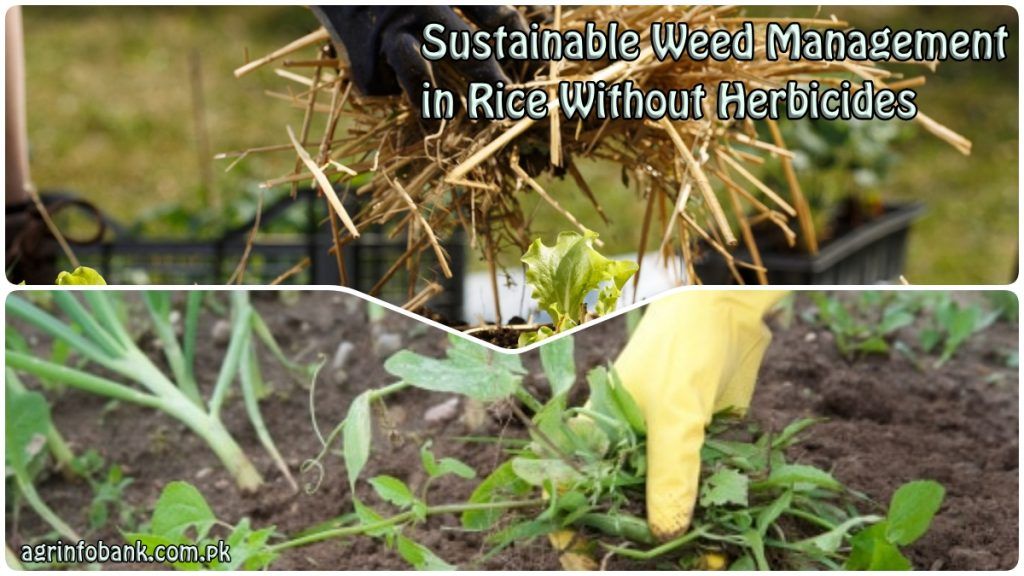
One of the most popular and effective biodegradable barriers comes from the farm fields themselves. Straw and hay mulch have been used for generations in organic gardening. These natural materials offer excellent weed suppression while gradually enriching the soil. When applied correctly, they create a protective layer that blocks sunlight from reaching weed seeds, preventing germination.
Straw mulch is particularly favored because it’s readily available and affordable. It creates a nice texture that’s easy to work with, and it decomposes relatively quickly. Hay, on the other hand, contains more nutrients and can provide additional benefits to your plants. However, hay often includes seeds that might sprout in your garden, so choose carefully.
Here’s how to make the most of these natural barriers:
• Apply a 3-4 inch layer around your plants
• Keep the mulch a few inches away from plant stems
• Reapply as needed when the material breaks down
• Mix in compost periodically for extra nutrients
These barriers work especially well in vegetable gardens, around fruit trees, and in flower beds where you want to suppress weeds without harming established plants. Many gardeners report seeing significant improvements in soil moisture retention and overall plant health after implementing straw mulching.
Newspaper and Cardboard Barriers
If you’ve ever wondered about repurposing old newspapers and cardboard boxes, you’ll be pleased to learn they make excellent garden barriers. These materials are surprisingly effective at blocking light and suppressing weeds. They’re also incredibly accessible and cost-free if you already have them at home.
Newspaper works particularly well because it’s thin enough to allow water and air to penetrate while still blocking light effectively. When layered properly, newspaper creates a dense barrier that prevents most weeds from growing through. It’s important to use black-and-white newspapers only, as colored inks may contain chemicals that aren’t safe for gardens.
Cardboard offers similar benefits but with slightly more durability. It’s thicker and can handle heavier foot traffic or more aggressive weeds. Both materials decompose naturally within a season or two, adding valuable organic matter to the soil.
To use newspaper effectively:
• Lay down 6-8 sheets, overlapping edges
• Secure with garden staples or heavy objects
• Water thoroughly to help it settle
• Cover with a layer of mulch for better appearance
This method works especially well in areas with persistent weeds, around newly planted trees, or in raised beds where you want to establish new plantings without competition.
Compost and Organic Matter Barriers
Some of the most effective barriers come directly from your compost pile. Compost itself acts as an excellent barrier when spread thickly around plants. It suppresses weeds, retains moisture, and feeds beneficial microorganisms in the soil. The key is using high-quality compost that’s fully decomposed and free from weed seeds.
Organic matter barriers work on multiple levels. They physically block sunlight, add nutrients as they decompose, and improve soil structure. This approach combines weed control with soil improvement in one simple step. Many gardeners find that their compost barriers become more effective over time as the organic matter continues to break down.
Other organic materials that work well include:
• Wood chips and bark mulch
• Leaf mold and shredded leaves
• Grass clippings (when properly composted)
• Coffee grounds and eggshells
When using compost as a barrier, apply a 2-3 inch layer around established plants. Be careful not to pile it directly against plant stems, as this can cause rot. These barriers are particularly useful in perennial beds, around shrubs, and in areas where you plan to plant new additions soon.
Living Mulches and Ground Covers
Sometimes the best barrier is a living one. Certain plants actually serve as effective barriers while contributing positively to your garden ecosystem. Living mulches are low-growing plants that cover the ground between your main crops, preventing weeds from establishing while adding benefits like nitrogen fixation or pest deterrence.
Examples of good living mulches include clover, which adds nitrogen to the soil while suppressing weeds, and creeping thyme, which provides ground coverage and attracts beneficial insects. These living barriers require less maintenance than traditional mulching but offer ongoing benefits to your garden’s health.
Benefits of living barriers:
• Provide continuous weed suppression
• Improve soil health and structure
• Attract beneficial insects and pollinators
• Reduce watering needs in some cases
• Offer food sources for beneficial creatures
Living mulches work best in areas where you have space to accommodate them and where they won’t compete heavily with your main crops. They’re particularly effective in orchards, around large plants, and in areas where you want to establish permanent ground cover.
Practical Tips for Success
Using biodegradable barriers effectively requires some understanding of timing and application methods. Here are some essential tips that will help you get the most from these natural solutions:
• Timing matters: Apply barriers when weeds are actively growing but before they set seed
• Layer appropriately: Combine different materials for maximum effectiveness
• Monitor moisture: Ensure the barrier allows water to reach plant roots
• Adjust thickness: Thicker layers work better for persistent weeds
• Consider climate: Some materials break down faster in wet conditions
Remember that no single barrier works perfectly for every situation. The key is experimenting with different combinations and finding what works best for your specific garden conditions. Pay attention to how your plants respond and adjust your approach accordingly.
Also, consider seasonal variations. Some barriers work better in spring and summer, while others are more effective in fall and winter. Understanding these patterns helps you plan ahead and maximize the benefits of your biodegradable protections.
Common Mistakes to Avoid
Even experienced gardeners sometimes make errors when using biodegradable barriers. Awareness of these common pitfalls can save you time and effort:
• Over-applying: Too much material can prevent water and air from reaching plant roots
• Poor preparation: Not clearing existing weeds before applying barriers can lead to continued problems
• Incorrect materials: Using treated wood chips or chemically treated paper products
• Inconsistent application: Uneven layers provide uneven protection
• Ignoring plant needs: Some plants require different amounts of moisture and protection
Another frequent mistake is expecting immediate results. These barriers work gradually, so patience is key. You might not see dramatic changes in the first week, but consistent use will show improvements over time. Also, don’t assume that any organic material will work – some may contain pathogens or seeds that could harm your garden.
It’s also worth noting that certain barriers may attract pests or create conditions that favor undesirable insects. Always consider your local ecosystem when choosing materials and monitor your garden regularly for signs of unexpected activity.
Biodegradable barriers represent a smart, sustainable approach to garden management that aligns with organic principles and environmental responsibility. They offer practical solutions to common gardening challenges while contributing positively to soil health and ecosystem balance. Whether you choose straw mulch, newspaper barriers, compost applications, or living ground covers, the key is selecting materials that match your specific garden needs and conditions. The beauty of these natural solutions lies in their dual function – they protect your plants while nourishing the soil that sustains them. As you experiment with different approaches and observe what works best in your particular climate and garden setup, you’ll discover that these barriers become an integral part of your organic gardening success story. The investment in time and materials pays dividends not just in weed control, but in improved soil quality, better plant health, and reduced environmental impact. So next time you’re facing garden challenges, consider reaching for these natural, biodegradable solutions that actually deliver on their promises. Your garden – and the planet – will thank you for it.