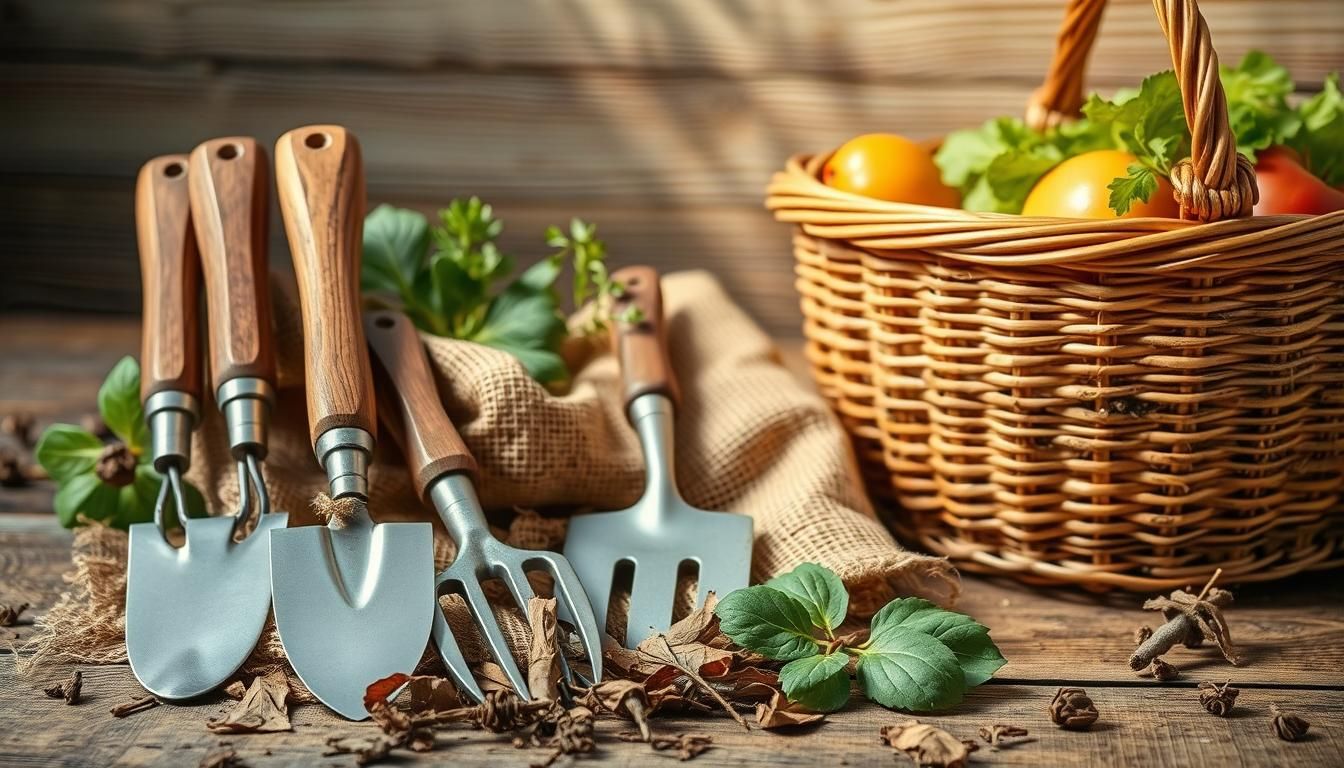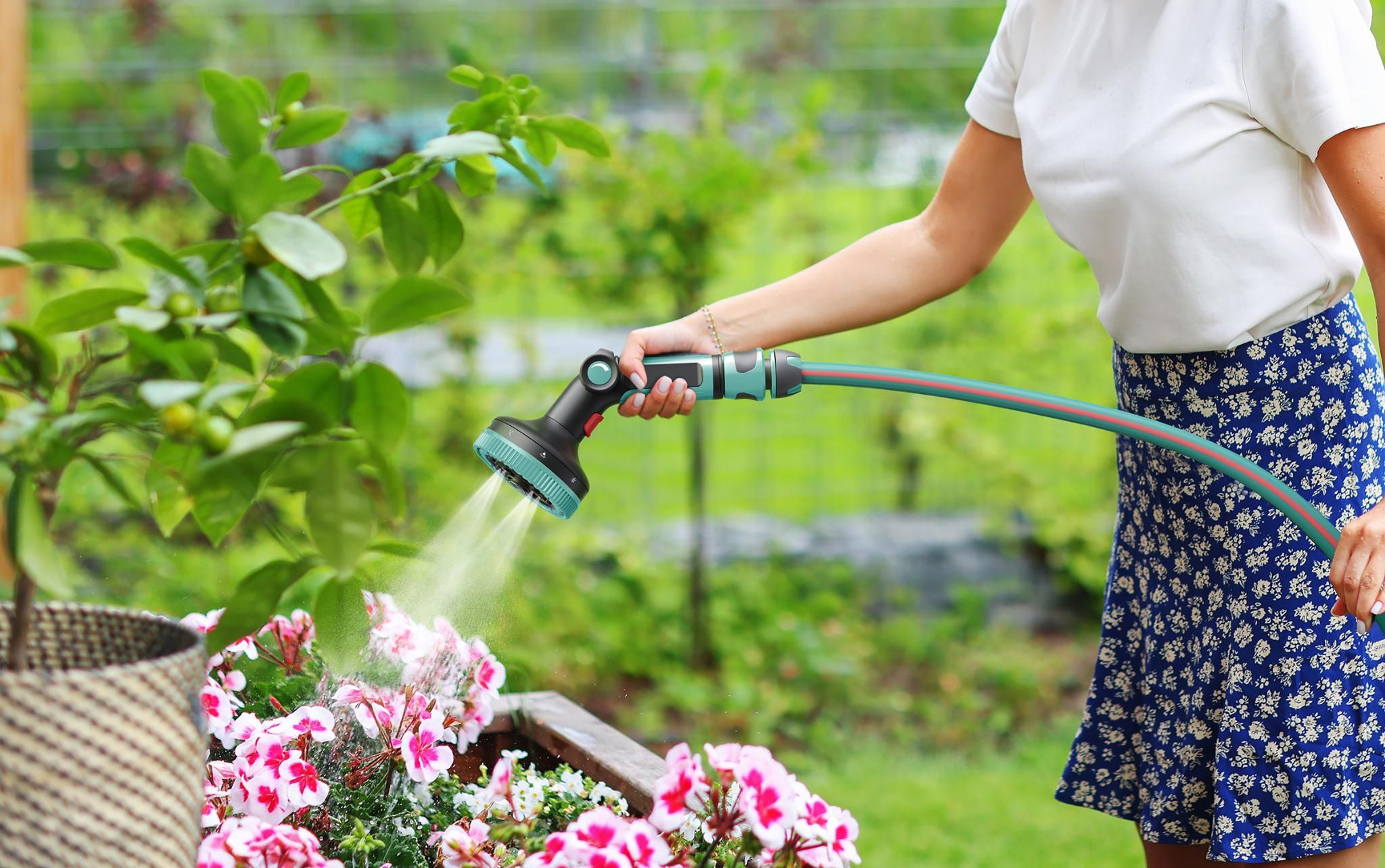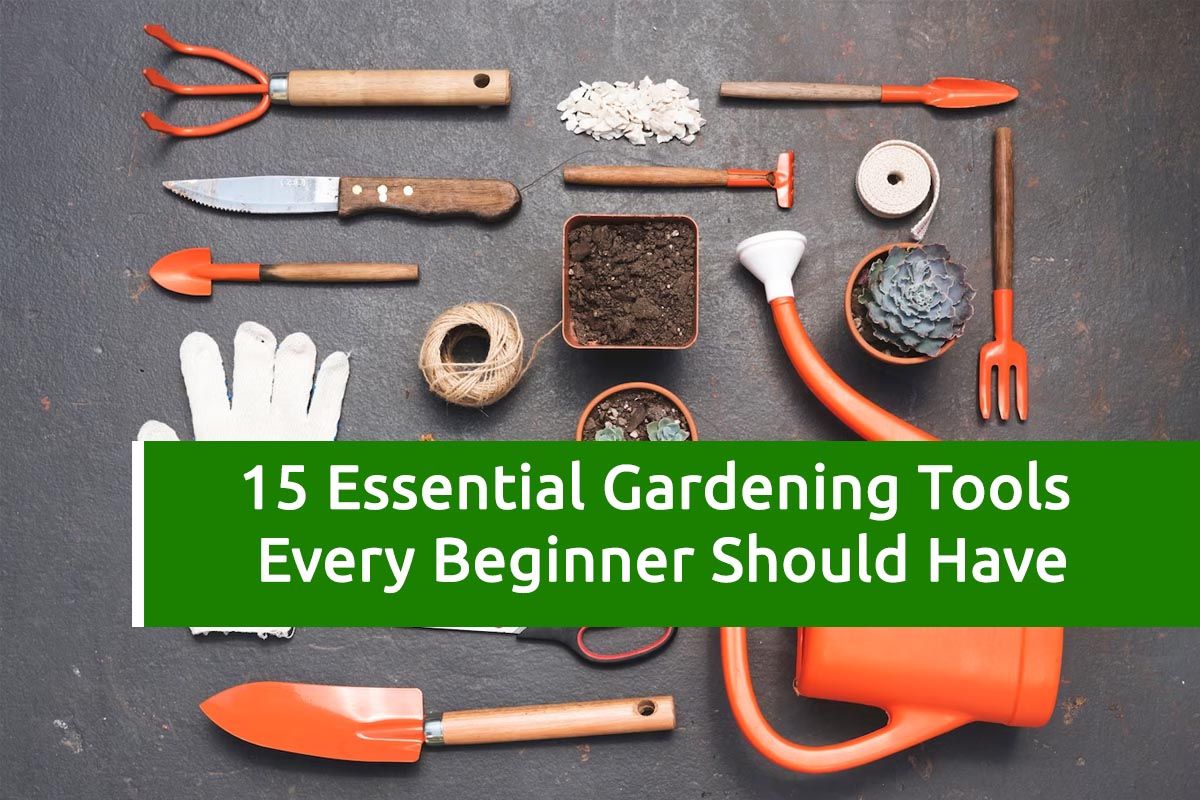
There’s something deeply satisfying about working with tools that don’t harm the earth you’re nurturing. But let’s face it – sustainable garden gear can seem like a luxury most folks can’t afford. What if we told you there are smart ways to make eco-conscious choices without sacrificing your wallet? It’s not just possible, it’s actually quite achievable when you know where to look and what to prioritize.
Every gardener wants their tools to last, to work well, and to feel good in their hands. But increasingly, people are realizing that the way we make and buy our gardening equipment has consequences beyond just the garden itself. The materials used, the manufacturing processes, and even the packaging can impact our environment. And yes, these tools do cost money – but not always the kind of money that breaks your budget. We’re talking about finding quality items that serve you well for years while also respecting the planet. It’s about making informed decisions rather than falling for marketing hype or buying cheap junk that needs replacing every season. The right approach can save you money in the long run, too.
Understanding Sustainable Materials
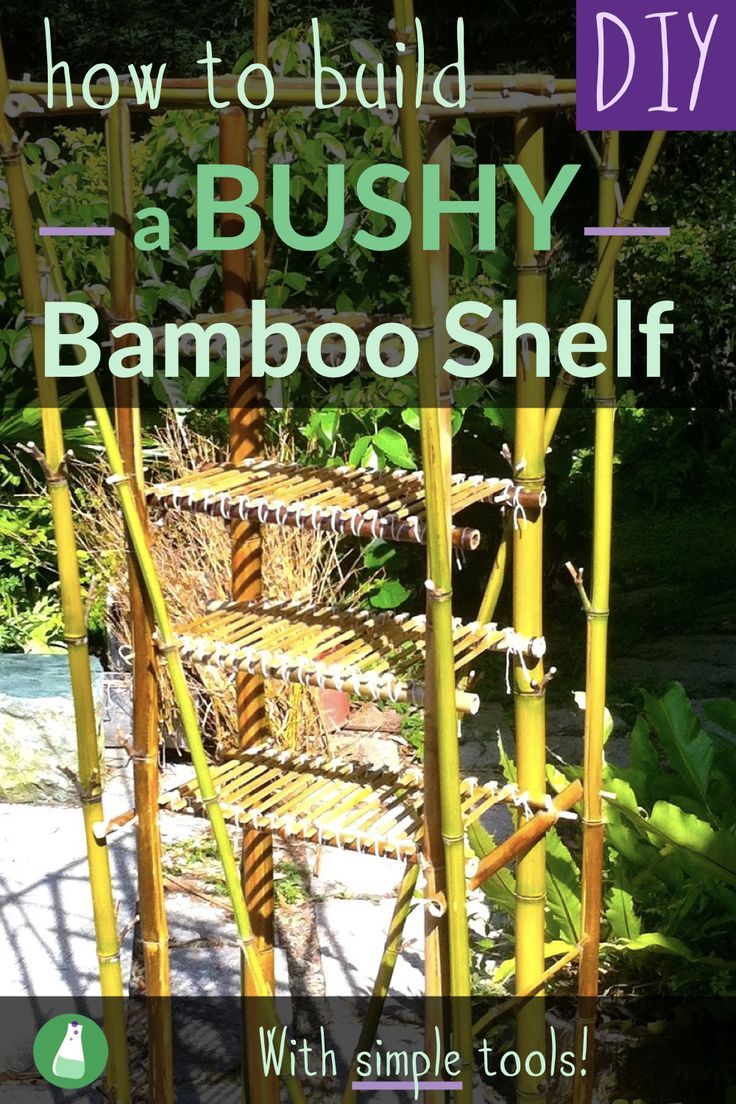
When looking for green tools, start with the materials they’re made from. Metal tools tend to last longer than plastic ones, and recycled metals are even better. Look for items made from recycled steel or aluminum – they’re often just as strong as new materials and come with a lower environmental footprint. Wood handles are another great choice, especially if they’re from sustainably managed forests. Avoid treated lumber or pressure-treated wood if you can – they contain chemicals that can leach into soil over time. Some companies even use bamboo, which grows incredibly fast and regenerates after cutting. When you’re shopping, pay attention to labels that say ‘recycled’ or ‘sustainably sourced.’ These aren’t just buzzwords – they represent real efforts to reduce waste and environmental damage. Many garden tool manufacturers now offer lines specifically designed with sustainability in mind. Check if they use renewable energy sources in their production facilities or if they have programs to recycle old tools. Sometimes the best sustainable option isn’t the most expensive one – it’s the one that will give you the most years of service.
Quality Over Quantity: Investing Wisely
The cheapest tools often end up being the most expensive in the long run. A $10 shovel that breaks after two seasons isn’t saving money – it’s costing you more in replacements. Instead, focus on quality pieces that will serve you for many years. This means spending a bit more upfront but getting better value overall. Think about the frequency with which you’ll use each tool. A heavy-duty trowel might be worth the investment if you dig a lot, but a basic one might suffice if you’re mostly doing light planting. Look for tools with solid construction – metal that doesn’t bend easily, handles that won’t split, and joints that stay tight. Don’t get caught up in flashy features that don’t serve your actual gardening needs. A simple, well-made hoe beats a fancy one with multiple attachments every time. Also consider the versatility of tools. Multi-purpose items like a pruner that can also cut small branches save space and money. Quality tools often come with warranties, which is another indicator of durability. Read reviews carefully – people who’ve used the tools for months or years can tell you what really holds up under pressure. And remember, the best tool is often the one that fits your hands comfortably and works well for your specific style of gardening.
Secondhand and Repair Options
Before buying anything new, check out secondhand options. Many gardeners sell gently used tools online or at local swap meets and garage sales. You might find a perfectly good, well-maintained hand fork for a fraction of the retail price. Many of these tools were made to last decades and are still functional today. Local community groups often host tool libraries where you can borrow items for projects or seasonal use. Some cities even have tool-sharing programs that let residents access quality tools without the full purchase price. If you do need to buy new, consider repairable items. Tools with replaceable parts – like handle screws that can be tightened or blade replacements – are much more sustainable than those that break entirely. A broken handle on a sturdy tool is usually fixable, but a completely worn-out tool might need replacement. Many hardware stores offer repair services or sell replacement parts. You can also learn to do basic repairs yourself with simple tools and some online tutorials. This approach extends the life of your tools significantly and keeps them out of landfills. Plus, it’s a skill that pays off in the long term. Sometimes a few minutes of maintenance can keep a tool going for years more than it would otherwise.
Local and Regional Sourcing
Buying locally can make a big difference in sustainability. Tools made nearby typically travel shorter distances to reach you, reducing transportation emissions. Local makers often have smaller environmental footprints and may use more traditional, less resource-intensive methods. Visit farmers markets or agricultural fairs to meet makers directly. They can tell you about their materials, processes, and even show you how to care for their products properly. Some local shops specialize in gardening tools and might offer custom orders or repair services. You might also find local artisans who craft tools from reclaimed materials or use traditional techniques passed down through generations. These items often carry stories and character that mass-produced tools lack. Supporting local businesses also helps keep money in your community. Consider whether a local shop offers tool repair services – many do and can extend the life of your existing tools. Some even provide classes on tool maintenance and usage. Shopping regionally also means you’re more likely to find tools that match your climate and soil conditions. For instance, a local tool company might develop specialized products for your particular growing zones. This connection between maker and user creates a more personal relationship with your gardening equipment.
Longevity and Maintenance Tips
Sustainable gardening tools aren’t just about what you buy – it’s also about how you take care of them. Regular maintenance prevents problems before they start. Clean tools after each use, especially those that come into contact with soil or plant material. Remove dirt and debris that could cause rust or deterioration. Apply a thin coat of oil to metal parts to prevent corrosion – this simple step can double or triple the life of many tools. Store tools properly, away from moisture and extreme temperatures. A clean, dry tool shed or covered storage area makes all the difference. Handle tools with care – don’t abuse them or use them for purposes they weren’t designed for. A proper tool sharpens quickly and lasts longer than one that’s been misused. Keep a basic toolkit for simple repairs – screwdrivers, wrenches, and replacement parts. Learn how to sharpen blades properly – it’s cheaper and more effective than buying new tools. Some tools even benefit from regular adjustments – keeping hinges and moving parts well-lubricated ensures they continue working smoothly. Many gardeners find that investing a few minutes each week in tool care saves them hundreds of dollars in replacements over time. Think of it as insurance for your garden investment.
Smart Shopping Strategies
Knowing when and where to shop makes a significant difference in both your wallet and the environment. Wait for sales and seasonal discounts, especially around spring planting or fall cleanup times. Many retailers offer back-to-school or holiday promotions on gardening supplies. Buy tools during off-seasons when demand is lower – you might get better deals and avoid crowds. Compare prices across different stores and websites, but also consider the total cost of ownership, not just the sticker price. Some items might cost more initially but last longer, saving you money in the long run. Look for brands that offer tool recycling programs or trade-in options. Many companies accept old tools and either refurbish them or responsibly dispose of them. Consider bulk purchases for items you use frequently – a few good-quality tools bought together can save money compared to individual purchases. Join gardening clubs or online forums where members often share tools or trades. Some communities organize tool exchanges where gardeners bring what they no longer need and take what they want. These exchanges are often informal but can be very effective for getting quality tools at low cost. Always ask about return policies – a store that accepts returns gives you more flexibility to make good choices.
Making the Most of Your Investment
Once you’ve selected your sustainable tools, maximize their value by learning how to use them effectively. Every tool has its purpose, and using it correctly extends its lifespan dramatically. Take time to understand the design and intended function of each item. A sharp, well-maintained knife cuts better than a dull one, and a properly angled hoe cuts through weeds more efficiently. Learn proper techniques from experienced gardeners or online resources. Sometimes a small change in how you hold or move a tool can make a huge difference in performance and longevity. Share knowledge with others in your community – teaching someone else how to use a tool properly means they’ll take better care of it too. Plan ahead for your garden’s needs – having the right tools available means you won’t have to rush to buy replacements or improvise with inferior alternatives. Keep detailed records of your tools – when you bought them, how long they lasted, and what you paid. This information helps you make better choices for future purchases. Regular maintenance schedules ensure nothing breaks unexpectedly. And remember, sustainable gardening isn’t just about tools – it’s about making thoughtful choices that support both your garden and the environment.
Choosing sustainable gardening tools doesn’t have to mean spending more money or compromising on quality. By focusing on materials, investing wisely, considering secondhand options, shopping locally, and taking good care of your tools, you can build a collection that serves you well for years while also protecting the environment. It’s about making conscious choices rather than just following trends or impulse purchases. The satisfaction of working with tools that align with your values is worth the extra thought and planning. Remember, the best tool is the one that works well for your specific gardening style and needs. Sometimes the most sustainable choice is simply to use what you already have more effectively. Whether you’re starting a new garden or upgrading your existing setup, these principles will help guide you toward smarter, more responsible gardening practices. Your garden – and the planet – will thank you for the effort.