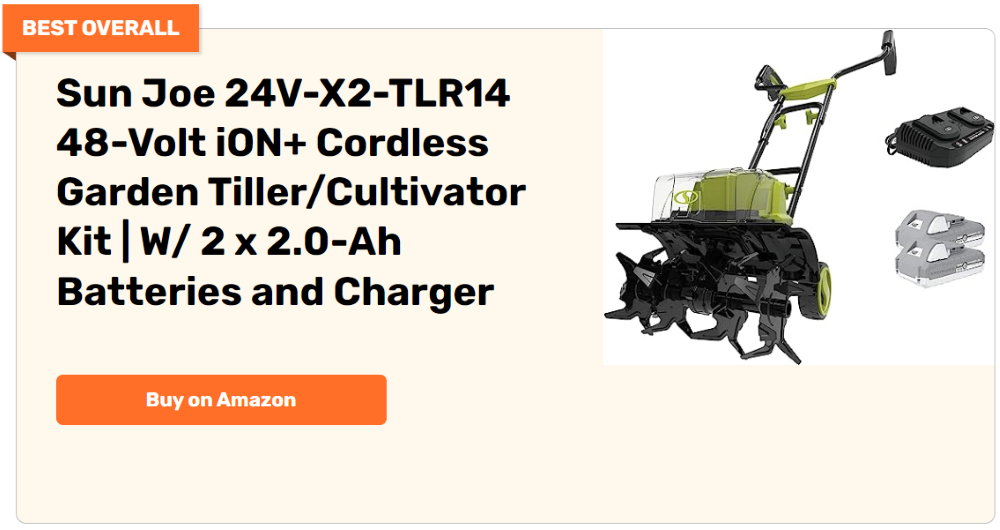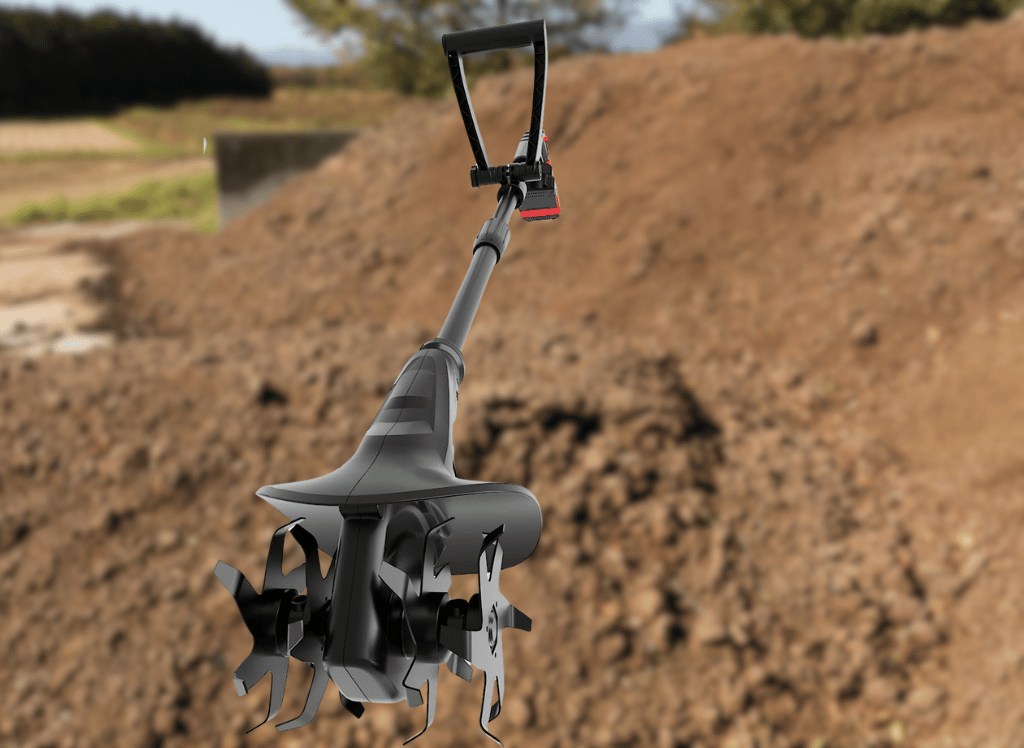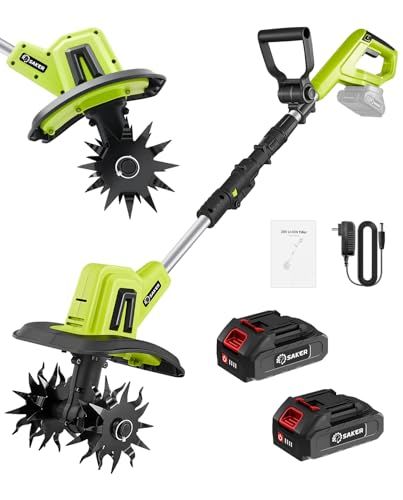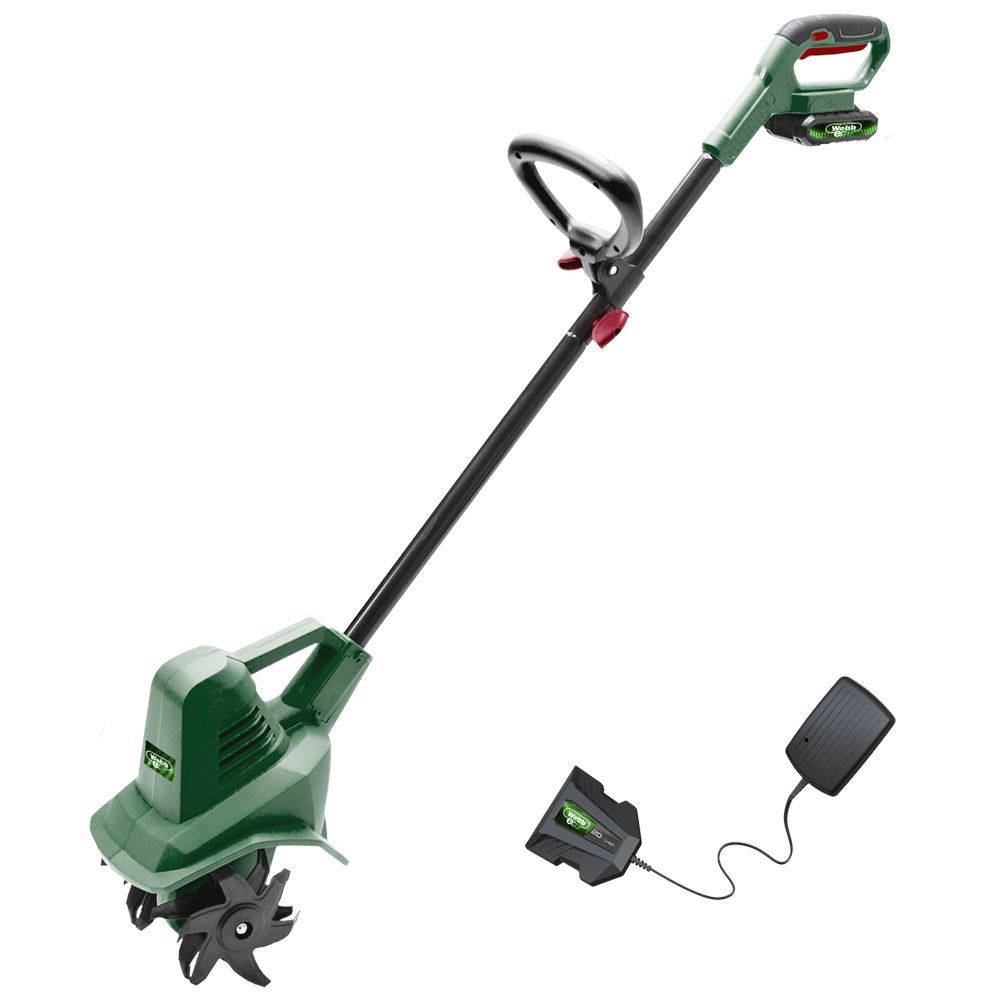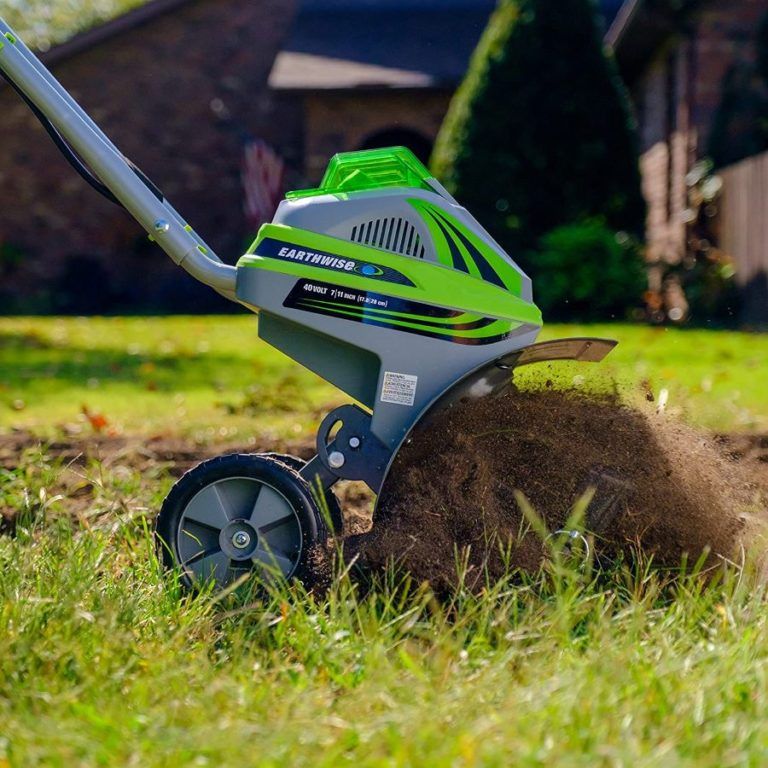
Picture this: You’re standing in your garden, ready to prepare the soil for planting. Your cordless eco garden tiller hums quietly beside you, promising effortless work ahead. But how do you actually get the most from this powerful little machine? The secret lies not just in having the right tool, but in understanding how to wield it properly. Whether you’re a seasoned gardener or someone who’s never touched a tiller before, these insights will transform your approach to soil preparation.
Gardening has evolved significantly over the decades, and one of the most exciting developments has been the rise of cordless eco garden tillers. These machines offer the power of traditional tillers without the hassle of gas engines or heavy cords. But here’s the thing – using them effectively takes more than just turning them on. It requires understanding soil conditions, proper technique, and knowing when and how to use your tool. We’re going to walk through everything you need to know to become a tiller master, from choosing the right model to maximizing efficiency in your garden space.
Understanding Your Cordless Eco Garden Tiller
Before diving into usage tips, it’s crucial to know what you’re working with. Cordless eco garden tillers come in various sizes and power levels, each suited for different garden needs. Some models are designed for small backyard plots, while others tackle larger areas. The key difference between these devices and their gas-powered counterparts is the battery life and weight. Most cordless models run on lithium-ion batteries, offering consistent power without the noise and emissions of gas engines.
Consider your typical gardening tasks when selecting a tiller. If you’re dealing with compacted soil or clay-heavy ground, you’ll want something with more torque. For lighter soils or regular maintenance, a smaller model might suffice. Understanding the specifications helps prevent frustration later on. Many people make the mistake of buying too small a machine for their needs, leading to inefficient work and potential equipment damage.
Choosing the Right Tiller for Your Garden
Not all garden tillers are created equal. The size matters – literally. A 16-inch tiller works well for small flower beds, but if you have a large vegetable garden, you’ll need something wider. Look for features like variable speed controls, which allow you to adjust power based on soil conditions. Some models offer multiple tilling depths, giving you flexibility for different projects.
The battery life is another critical factor. A good tiller should last at least 30 minutes on a single charge, though some premium models go much longer. Consider how often you’ll use it – if it’s a weekly chore, a higher-capacity battery makes sense. Also, check the blade quality. Stainless steel blades typically last longer and cut more efficiently than standard steel.
Remember that even the best tiller won’t work miracles on very rocky or heavily compacted soil. In those cases, you might need to do some manual work first, or consider investing in a more robust model specifically designed for tough conditions.
Preparation Before You Start
Success begins long before you turn on your tiller. First, clear your garden area of debris, rocks, and large sticks. This simple step prevents damage to both your machine and the soil. Remove any weeds or grass that might interfere with tilling, especially if they’re established.
Check the soil moisture content before you begin. Too wet soil leads to clumping and poor results, while overly dry soil can be difficult to break apart. The ideal condition is slightly moist – think of soil that holds together when squeezed but crumbles easily when pressed. This usually happens after a light rain or watering session.
Inspect your tiller thoroughly. Check that the blades are secure and sharp. A dull blade means more effort and less effective tilling. Also, ensure the battery is fully charged and that all connections are tight. A quick pre-check can save hours of frustration later.
Proper Operating Techniques
Now comes the fun part – actually using your tiller. Start slowly and build up speed gradually. Rushing often leads to uneven tilling and can stress the motor. Move the tiller in straight lines, overlapping each pass slightly to ensure complete coverage. Don’t try to cover too much ground at once – take breaks and let the machine cool down if needed.
When working in tight spaces, remember to angle the tiller slightly to avoid creating deep trenches. For new garden beds, start with shallow passes and gradually increase depth. This approach gives you better control and prevents over-tilling, which can damage beneficial soil organisms.
One common mistake is trying to till too deeply. Most vegetables and flowers prefer soil that’s worked to about 8-12 inches deep. Going deeper than that can disrupt root systems and isn’t necessary for most plants. Think of it as working with the soil rather than against it.
Maintaining Your Tiller for Longevity
Like any tool, your cordless eco garden tiller needs care to perform well over time. After each use, clean off dirt and debris from the blades and housing. This prevents corrosion and keeps moving parts functioning smoothly. Wipe down the battery compartment carefully, ensuring no moisture gets inside.
Store your tiller properly during off-seasons. Keep it in a dry place away from direct sunlight, which can damage the battery and plastic components. Some gardeners recommend removing the battery when storing for extended periods.
Regular blade maintenance is essential. Sharpen or replace blades every few seasons, depending on usage. Dull blades not only reduce efficiency but can also cause the motor to work harder than necessary. Many tiller manufacturers provide replacement blade kits, making this easy to do yourself.
Safety and Best Practices
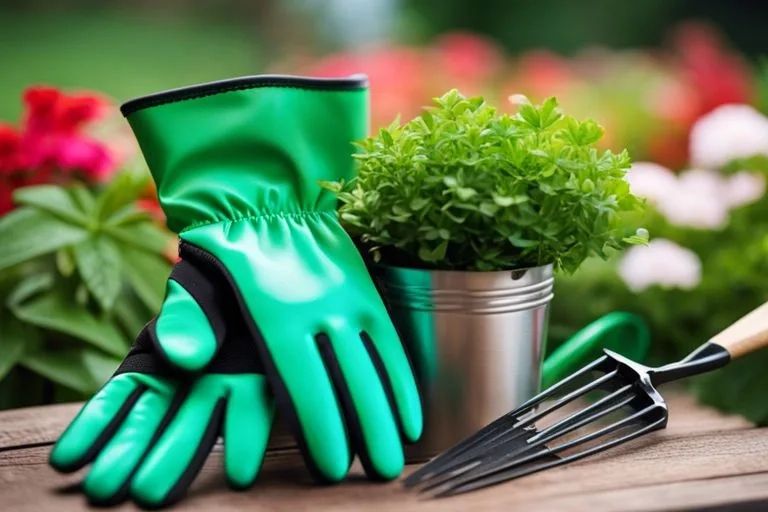
Safety should always come first, even when you’re feeling confident in your skills. Always wear appropriate protective gear including gloves, safety glasses, and sturdy boots. The spinning blades can throw debris, so protecting yourself is non-negotiable.
Keep your workspace clear of bystanders, especially children. Even a small piece of soil or rock can become dangerous when thrown by the tiller. If you’re working near obstacles like trees or fences, keep the tiller at a safe distance.
Listen to your machine. Unusual noises or excessive vibration indicate problems that need addressing immediately. Don’t push a tiller beyond its capabilities – it’s better to take extra time and make multiple passes than risk damaging the equipment or injuring yourself.
Finally, remember that not every garden spot needs tilling. Some areas benefit from minimal disturbance, particularly where beneficial microorganisms live. Consider using a hand cultivator for delicate areas or around established plants.
Mastering your cordless eco garden tiller isn’t about becoming a mechanical expert – it’s about developing a relationship with your tool and understanding your garden’s unique needs. When you combine proper technique with thoughtful planning, you’ll find that tilling becomes not just easier, but more enjoyable. The investment in learning these skills pays dividends in healthier soil, better plant growth, and less back strain.
Remember, every experienced gardener started somewhere. Don’t be discouraged if your first attempts aren’t perfect. The key is consistency, practice, and paying attention to how your soil responds. Over time, you’ll develop an intuitive sense of when and how to use your tiller most effectively. Your garden will thank you for it, and you’ll wonder how you ever managed without this helpful tool. The best part? You’re now equipped with the knowledge to make your cordless eco garden tiller work for you, not against you.