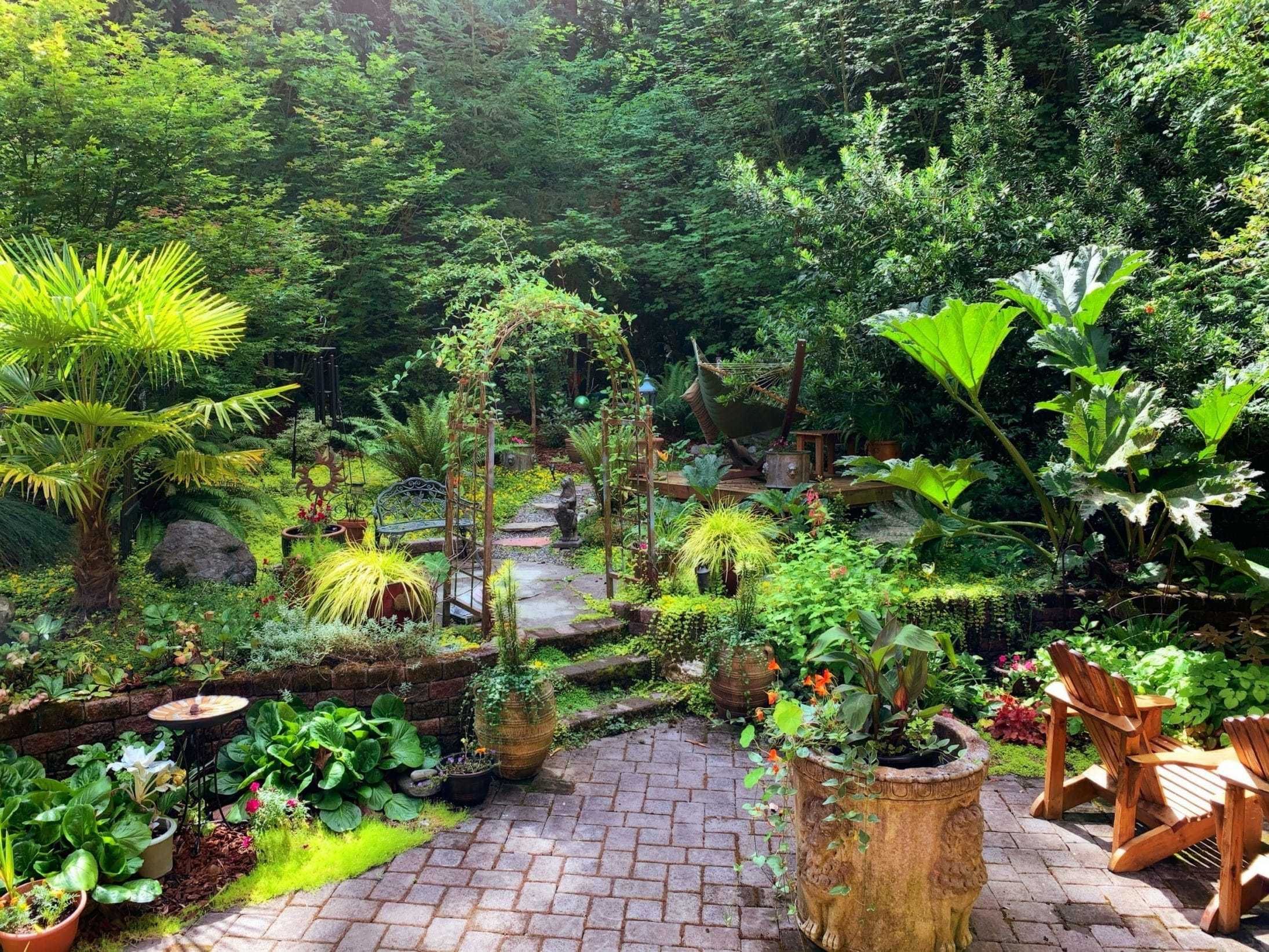
Picture this: you’re standing in your garden, surrounded by thriving plants, beautiful flowers, and perfectly arranged spaces. What if I told you that the secret to this paradise lies not just in your green thumb, but in a versatile, sustainable material that’s been around for centuries? That material is bamboo – and it’s revolutionizing how we think about organizing our outdoor spaces.
Gardens are more than just collections of plants; they’re living spaces that need structure, purpose, and harmony. Traditional garden organization often relies on materials that aren’t exactly kind to our planet. But what if there was a way to create beautiful, functional garden layouts using something that grows incredibly fast, requires no pesticides, and regenerates after harvesting? Enter bamboo – a remarkable material that’s quietly becoming the go-to solution for environmentally conscious gardeners everywhere. It’s not just about aesthetics anymore; it’s about making choices that support our planet while creating stunning outdoor living spaces.
Why Bamboo Stands Out as an Eco-Friendly Choice
Bamboo isn’t just another plant in your garden. It’s actually one of the fastest-growing plants on Earth, capable of growing up to 3 feet in a single day. This incredible speed means it can be harvested every 3-5 years without harming the plant itself, since bamboo regrows from its root system. Unlike traditional timber, bamboo doesn’t require replanting after harvest, making it a truly renewable resource.
Consider the environmental impact of choosing bamboo over wood or plastic garden solutions. A single bamboo plant can produce oxygen equivalent to 25 trees and absorbs 12 tons of carbon dioxide per hectare annually. That’s significant when you think about the carbon footprint of gardening equipment and structures. Plus, bamboo naturally resists pests and fungi, eliminating the need for chemical treatments that could harm beneficial insects or contaminate soil.
The versatility of bamboo is equally impressive. It comes in various types – some hardy and strong enough for structural elements, others more flexible for decorative purposes. The key is understanding which varieties work best for your specific garden needs.
Bamboo for Garden Borders and Edging
One of the most popular uses for bamboo in garden organization is creating borders and edging. Traditional garden borders often rely on concrete, stone, or treated wood that can be expensive and environmentally taxing. Bamboo offers a natural alternative that looks elegant and lasts for decades.
When installing bamboo borders, consider the type of bamboo you choose. Running bamboo varieties like Phyllostachys come with caution – they spread aggressively underground and may need containment. However, clumping bamboo such as Bambusa multiplex is perfect for garden edges because it stays in one place while still providing that beautiful, natural look.
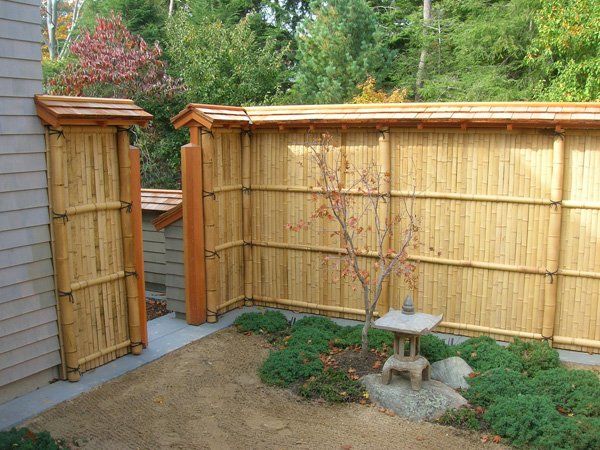
A simple bamboo border can transform a chaotic garden space into something structured and intentional. You can install bamboo stakes or panels along pathways, around flower beds, or even to define different zones in larger gardens. These installations serve both practical and aesthetic purposes, creating clear boundaries that guide foot traffic and organize plantings.
The beauty of bamboo borders lies in their natural appearance. They blend seamlessly with other garden elements, unlike artificial materials that can look out of place. Over time, bamboo develops a rich patina that adds character to your garden, making it feel lived-in and loved rather than constructed.
Bamboo Structures for Garden Organization
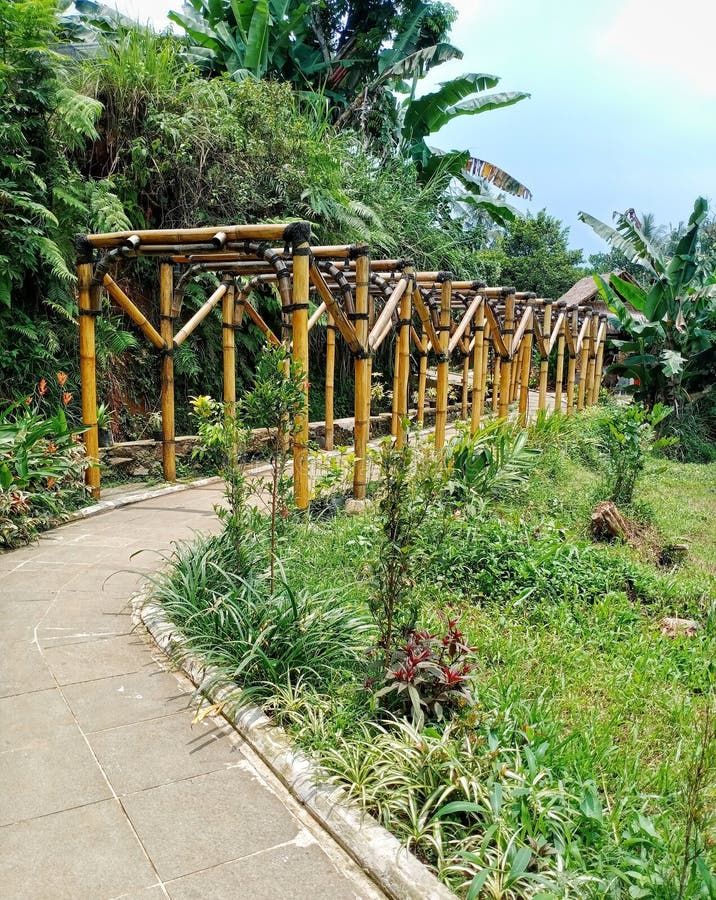
Think beyond simple borders and consider how bamboo can create entire garden structures that serve multiple functions. Bamboo’s strength-to-weight ratio makes it ideal for building trellises, arbors, pergolas, and even small garden houses. These structures not only organize your garden visually but also provide practical benefits like vertical growing space and shade.
Trellises made from bamboo are particularly effective for climbing plants like roses, jasmine, or morning glories. The natural texture of bamboo provides excellent support for vines while adding visual interest to garden walls or fences. You can create simple vertical structures using bamboo poles tied together with natural fibers, or invest in more elaborate designs that become focal points in your garden.
Arbors and pergolas built from bamboo offer both function and beauty. They can frame entrances to garden rooms, create shaded areas for seating, or simply add architectural interest to empty spaces. The open design of bamboo structures allows air and light to pass through, creating comfortable microclimates in your garden. These structures also encourage beneficial insects and birds to visit, contributing to a healthier ecosystem.
Many gardeners find that bamboo structures become the centerpiece of their outdoor spaces. The organic curves and natural lines of bamboo contrast beautifully with the geometric shapes of traditional garden furniture or formal hedges. The result is a garden that feels both organized and relaxed, structured yet natural.
Practical Bamboo Storage and Shelving Solutions
Garden organization extends beyond plants and pathways – it includes managing tools, supplies, and seasonal decorations. Bamboo storage solutions offer practical ways to keep your garden tidy while maintaining that eco-conscious approach.
Bamboo shelving units can be built to store garden tools, pots, and seasonal items. These shelves are naturally resistant to moisture and insects, making them ideal for outdoor storage. The natural grain pattern of bamboo adds warmth to any storage area, whether it’s a covered shed or an open garden corner.
For smaller storage needs, bamboo baskets and containers work wonderfully. These can hold seeds, soil amendments, or even small potted plants. The woven nature of some bamboo products creates attractive displays that double as functional storage. Many gardeners love using bamboo containers for seedlings, as the material provides good aeration while being gentle on delicate roots.
The key to successful bamboo storage is proper preparation. Bamboo should be properly seasoned and treated with natural oils to prevent splitting or warping. Some gardeners prefer to leave bamboo in its natural state for outdoor use, allowing it to weather gracefully over time. Others opt for a light coat of linseed oil or beeswax to extend its life and maintain its appearance.
These storage solutions don’t just organize your garden – they enhance it. A well-designed bamboo storage system can become part of the garden’s aesthetic, rather than an eyesore that detracts from the overall design.
Bamboo as a Natural Pest Control and Support System
Bamboo’s role in garden organization goes beyond physical structures. The plant itself has natural pest-repelling properties that can help protect your garden from harmful insects and animals. Certain bamboo species release compounds that repel mosquitoes, aphids, and other garden pests, making them valuable allies in organic gardening.
Planting bamboo strategically around garden beds can create natural barriers against pests. The dense growth of bamboo can make it difficult for crawling insects to access vulnerable plants. Additionally, the presence of bamboo attracts beneficial insects like ladybugs and lacewings that prey on common garden pests.
Bamboo also provides excellent support for plants that need vertical growing space. Many gardeners use bamboo poles as stakes for tomatoes, peppers, and other tall plants. The flexibility of bamboo allows it to bend with wind and weather without breaking, unlike rigid wooden stakes that can snap during storms.
The integration of bamboo into garden pest management strategies represents a shift toward more holistic approaches. Rather than relying solely on chemical sprays or traps, gardeners can use bamboo as part of a natural defense system. This approach not only protects plants but also preserves beneficial insects and maintains ecological balance in the garden.
Some gardeners have found success using bamboo fiber as a natural mulch. When broken down into smaller pieces, bamboo fibers can help retain soil moisture, suppress weeds, and slowly decompose to feed soil microbes. This creates a cycle where bamboo supports garden health at multiple levels.
Maintenance Tips for Long-Lasting Bamboo Garden Solutions
Like any garden element, bamboo requires proper care to last for many years. Understanding how to maintain bamboo installations ensures they continue serving their purpose while remaining beautiful. Regular maintenance prevents deterioration and keeps bamboo looking fresh and vibrant.
The first step in bamboo maintenance involves proper installation. Bamboo should be treated before use, especially for outdoor applications. Natural oils or specialized bamboo treatments help protect against moisture and insect damage. For permanent installations, consider using stainless steel hardware instead of galvanized or painted metals that might corrode and damage the bamboo.
Annual inspections are crucial for identifying signs of wear or damage. Look for splits, insect damage, or areas where bamboo may be beginning to rot. Early detection allows for targeted repairs rather than complete replacement. Small sections can often be replaced without affecting the entire structure.
Weather protection plays a significant role in bamboo longevity. While bamboo is naturally weather-resistant, prolonged exposure to harsh conditions can affect its appearance and structural integrity. Consider applying protective coatings periodically, especially in areas with high humidity or frequent rainfall. Some gardeners prefer to allow bamboo to weather naturally, embracing the rustic appearance that develops over time.
Proper drainage around bamboo installations helps prevent water damage. Ensure that any structures or plantings using bamboo have adequate drainage to avoid water pooling around the base of bamboo elements. This simple step can dramatically extend the life of bamboo garden features.
Cost-Benefit Analysis of Bamboo Garden Solutions
When considering bamboo for garden organization, it’s natural to wonder about costs versus benefits. While initial investments might seem higher than conventional materials, bamboo often proves more economical over time due to its durability and low maintenance requirements.
The cost of bamboo varies significantly based on quality, type, and source. Premium bamboo for structural applications can be more expensive than standard lumber, but it typically lasts much longer. Consider the total cost of ownership, including replacement frequency and maintenance needs. Bamboo installations often last 20-30 years with proper care, compared to 5-10 years for many synthetic alternatives.
Economic benefits extend beyond the materials themselves. Bamboo’s ability to regenerate quickly means it’s more sustainable than traditional timber, reducing long-term costs associated with resource depletion. Many gardeners also find that bamboo installations increase property values due to their aesthetic appeal and durability.
Environmental savings contribute to economic benefits as well. By choosing bamboo, gardeners reduce their carbon footprint and potentially lower costs related to pest control and maintenance. The natural resistance to insects and moisture means fewer chemicals and less frequent replacement.
Many gardeners report that bamboo projects pay for themselves through reduced maintenance costs and increased garden functionality. The investment in bamboo structures often results in better plant health, improved garden organization, and enhanced enjoyment of outdoor spaces. The initial cost is offset by the long-term value and reduced ongoing expenses.
Creative Bamboo Projects for Unique Garden Organization
The beauty of bamboo lies in its adaptability – it can be shaped, bent, and combined with other materials to create unique garden features that serve specific organizational needs. These creative applications push the boundaries of traditional garden planning and showcase bamboo’s artistic potential.
Bamboo weaving techniques can create intricate garden art pieces that also serve functional purposes. Weaved bamboo can form garden gates, decorative screens, or even seating areas. These installations often become conversation starters while solving practical problems like privacy or pathway organization.
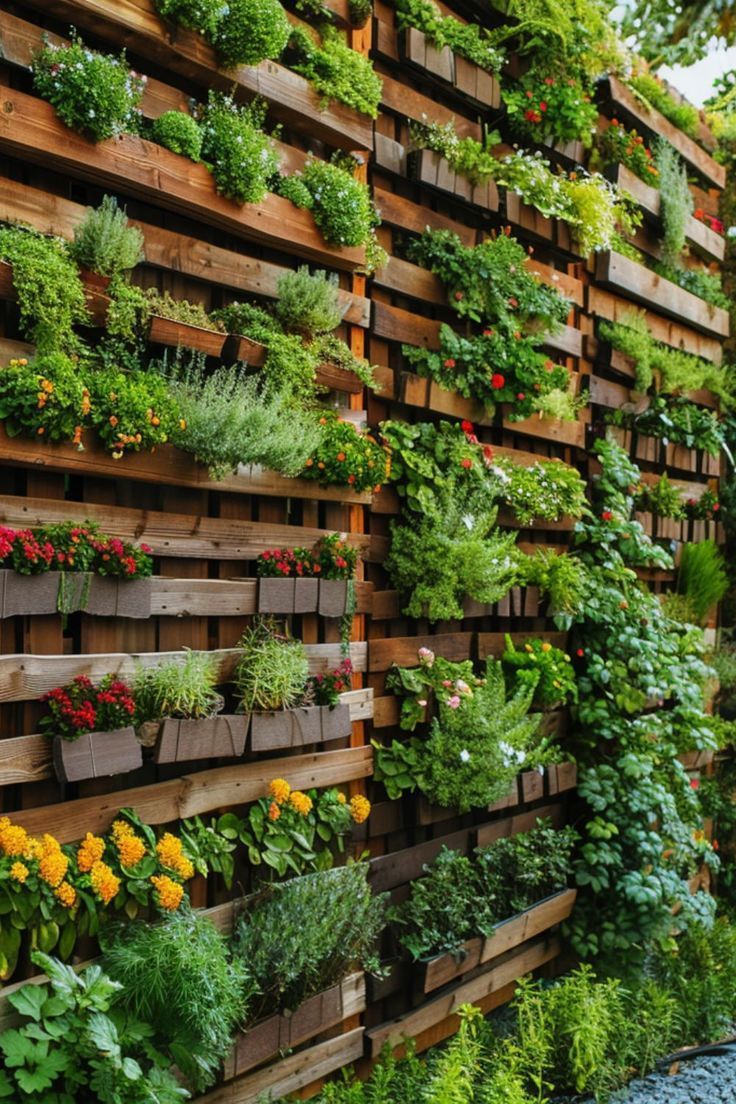
Vertical garden systems made from bamboo offer innovative ways to maximize growing space in smaller areas. These systems can be designed to accommodate herbs, vegetables, or flowering plants, creating organized growing spaces that make efficient use of vertical real estate. The natural look of bamboo complements both modern and traditional garden styles.
Bamboo can also be used to create custom garden labels, plant markers, or even small storage containers that match the overall garden aesthetic. These personalized touches add character while providing practical organization solutions. Many gardeners enjoy the process of crafting their own bamboo features, making each installation uniquely theirs.
The key to successful creative bamboo projects is starting small and learning gradually. Begin with simple installations like plant supports or basic borders before attempting more complex structures. This approach allows gardeners to develop skills while avoiding costly mistakes that could compromise safety or effectiveness.
Bamboo and Sustainable Garden Design Principles
Using bamboo in garden organization aligns with broader principles of sustainable landscaping and environmental stewardship. These principles emphasize working with natural systems rather than against them, and bamboo fits perfectly into this philosophy.
Sustainable garden design considers the entire lifecycle of materials used in garden construction. Bamboo’s rapid growth rate and minimal processing requirements make it one of the most sustainable options available. It requires no fertilizers or pesticides to grow and can be harvested with minimal environmental impact.
Integration with local ecosystems is another important aspect of sustainable design. Bamboo can be selected based on climate compatibility, ensuring it thrives without requiring excessive watering or maintenance. Native bamboo species often work best because they’re adapted to local conditions and support native wildlife.
Water conservation becomes easier when using bamboo for garden structures. The material doesn’t require the heavy machinery or chemical treatments that other materials might need, reducing overall environmental impact. Additionally, bamboo’s natural properties can help manage stormwater runoff and erosion in sloped garden areas.
The concept of circular economy applies to bamboo garden projects as well. Old bamboo installations can be repurposed or composted, creating a closed-loop system that reduces waste. This approach supports the broader movement toward sustainability in all aspects of garden design and maintenance.
Organizing your garden the eco-friendly way with bamboo solutions isn’t just a trend – it’s a thoughtful approach to creating beautiful, functional outdoor spaces that honor our planet. From simple borders to complex structures, bamboo offers endless possibilities for garden organization that are both practical and environmentally responsible. The journey from garden planning to implementation is filled with opportunities to learn, create, and connect with the natural world around us. Whether you’re a seasoned gardener or someone just starting out, bamboo provides an accessible entry point into sustainable garden design. The key is taking that first step – perhaps installing a simple bamboo border or trying your hand at weaving a small garden feature. Once you experience the satisfaction of working with this remarkable material, you’ll likely find yourself incorporating more bamboo into your garden projects, creating spaces that are not only beautiful but also contribute positively to the environment. The future of garden organization is greener, and bamboo is leading the way.