Picture this: you’re holding a simple wooden container, but it’s doing something extraordinary beneath its surface. That’s exactly what happens when you hold a bamboo plant caddy. It’s not just another storage solution – it’s a marvel of nature’s engineering that’s been quietly revolutionizing how we think about sustainable living. What makes these green wonders so special isn’t just their appearance, but the incredible science happening within their fibers.
When you first encounter a bamboo plant caddy, you might think it’s just another pretty container for your houseplants. But dig a little deeper, and you’ll discover it’s actually a testament to nature’s incredible ingenuity. These caddies aren’t just made from bamboo – they’re built from the very essence of what makes bamboo such a remarkable material. The science behind these green containers goes far beyond simple aesthetics. From their natural antimicrobial properties to their ability to regulate moisture, bamboo caddies are like tiny ecosystems that work in harmony with plant life. Think about it – we’ve been using bamboo for thousands of years because it’s naturally resistant to pests, bacteria, and decay. This ancient wisdom is now being backed by modern science, proving that bamboo caddies are more than just trendy home accessories.
The Cellular Architecture of Bamboo
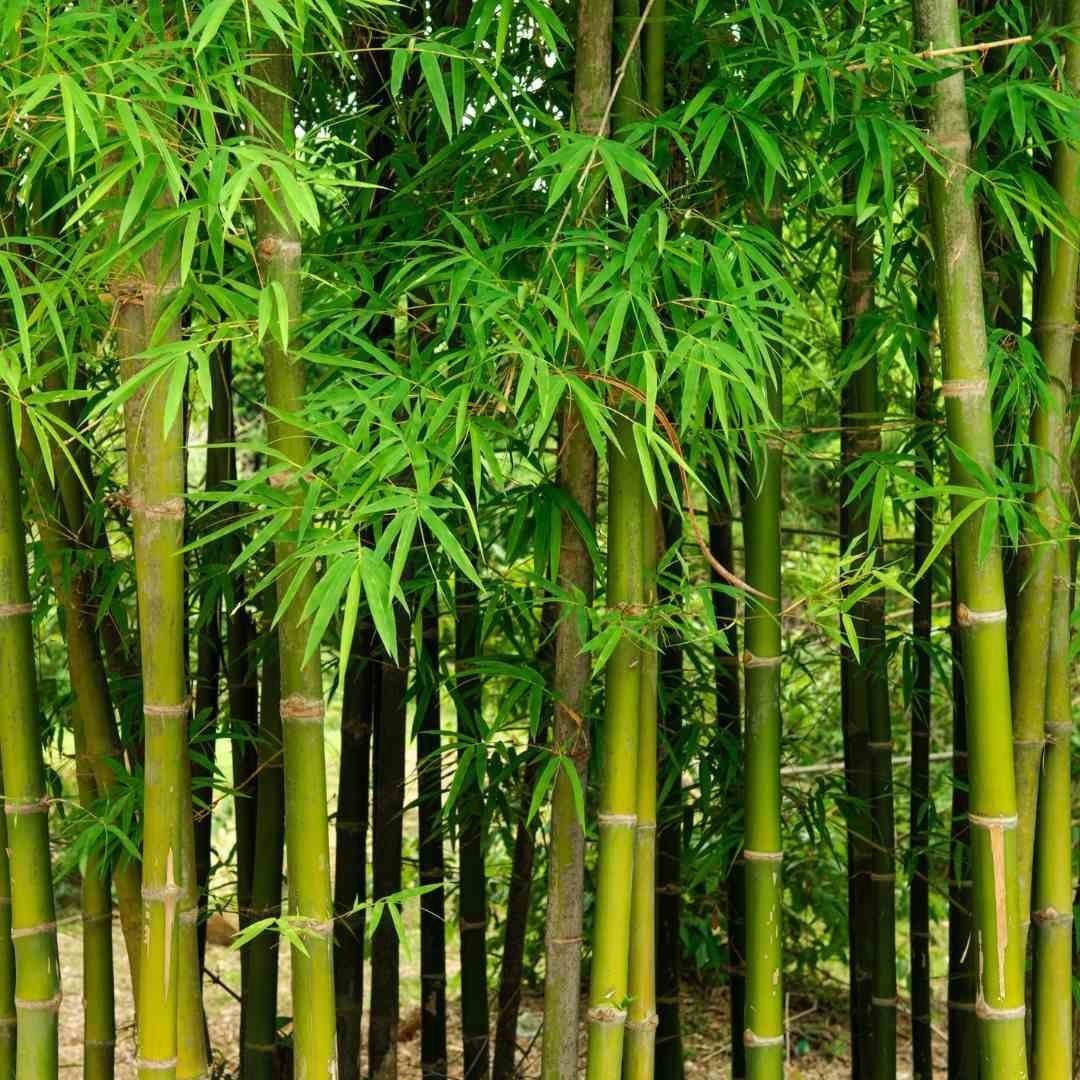
Bamboo’s magic starts at the cellular level, where its unique structure creates a natural defense system. Unlike most plants, bamboo has a hollow stem design with nodes that act like natural barriers. These nodes aren’t just decorative – they’re crucial to the plant’s survival mechanism. When you look closely at bamboo under a microscope, you see incredibly strong fibers arranged in a way that provides both flexibility and strength. The lignin content in bamboo cells gives it its rigidity, while the cellulose provides flexibility. This combination creates a material that’s stronger than steel relative to its weight. For plant caddies, this means they can handle daily wear and tear without breaking down. The cellular walls also have tiny pores that can absorb and release moisture, making them excellent for plant care. The natural density of bamboo fibers helps regulate water levels inside the caddy, creating an ideal environment for plant roots.
Natural Antimicrobial Properties Explained
Here’s where things get really interesting – bamboo contains compounds called ‘bamboo kun’ and ‘bamboo oil’ that naturally fight off harmful bacteria and fungi. These substances are actually produced by the bamboo plant itself as a protective measure against diseases. Research shows that bamboo has antimicrobial properties that are 10 times stronger than regular wood. When you place your plants in a bamboo caddy, you’re essentially giving them a natural shield against pathogens. The antimicrobial agents work by disrupting the cell walls of harmful microorganisms, preventing them from taking hold in the soil. This is particularly important for indoor plants, where poor air circulation and overwatering can create perfect conditions for fungus and bacterial growth. Many gardeners report fewer root rot issues and healthier plant growth when using bamboo containers. It’s almost like the bamboo is whispering to your plants, "Stay healthy, stay strong.
Moisture Regulation and Air Circulation
Bamboo’s natural porosity plays a huge role in keeping your plants happy. The micro-pores in bamboo fibers allow for controlled moisture exchange, which means the caddy can absorb excess water and release it gradually. This is crucial for preventing overwatering, one of the most common causes of plant death. The material breathes, allowing air to circulate around plant roots while maintaining optimal humidity levels. Scientists have found that bamboo’s unique structure creates a natural wicking effect that moves water away from the soil surface. This prevents waterlogging and promotes healthy root development. The porous nature also allows beneficial microorganisms to thrive in the caddy environment, creating a balanced ecosystem that supports plant health. Think of it as giving your plants a gentle hug that keeps them from drowning while ensuring they never go thirsty.
Environmental Benefits and Sustainability
Bamboo’s rapid growth rate makes it one of the most sustainable materials on Earth. Some species grow up to 3 feet per day, making it one of the fastest-growing plants in the world. This incredible speed means bamboo can be harvested every 3-5 years without damaging the root system. The carbon footprint of bamboo is remarkably low compared to other materials, absorbing more CO2 than trees and releasing oxygen continuously. When bamboo caddies reach the end of their useful life, they decompose naturally without leaving harmful residues. The sustainability factor extends beyond just production – bamboo caddies last much longer than plastic alternatives and require no chemical treatments. They’re biodegradable, compostable, and completely safe for the environment. Plus, bamboo grows back after harvesting, making it a renewable resource that’s practically endless.
Chemical-Free and Non-Toxic Characteristics
Unlike many commercial planters that may contain harmful chemicals or synthetic materials, bamboo caddies remain completely natural and safe. Bamboo doesn’t require pesticides or fertilizers to grow, which means there’s no risk of chemical contamination. The natural oils in bamboo provide protection against insects and decay, eliminating the need for artificial treatments. Studies show that bamboo contains no toxic substances that could harm plant roots or affect soil chemistry. This is especially important for sensitive plants or those used for food production. The absence of synthetic materials means no leaching of harmful substances into the soil or water. The natural pH balance of bamboo is close to neutral, which won’t disrupt the delicate balance needed for healthy plant growth. It’s essentially a clean slate for your plants to thrive.
Longevity and Durability Factors
Bamboo caddies aren’t just trendy – they’re built to last. The natural strength of bamboo fibers, combined with proper treatment and maintenance, means these containers can serve you for decades. The lignin content acts as a natural preservative, protecting the material from weathering and insect damage. Unlike plastic containers that degrade under UV light, bamboo maintains its structural integrity even with prolonged sun exposure. The natural oils in bamboo provide resistance to moisture and temperature changes. Many bamboo caddies show minimal signs of wear even after years of use. The material becomes more beautiful over time, developing a rich patina that enhances rather than detracts from its appearance. Proper care, including occasional oiling and avoiding extreme temperature fluctuations, will keep your bamboo caddy looking pristine and functional.
So there you have it – the science behind why bamboo plant caddies are more than just decorative items. They’re sophisticated natural systems designed to support plant health while providing environmental benefits. From the microscopic cellular structure that gives bamboo its strength to the macroscopic properties that regulate moisture and prevent disease, every aspect of bamboo’s composition works in harmony. The evidence clearly shows that choosing bamboo over plastic or ceramic isn’t just a lifestyle choice – it’s a scientifically-backed decision for healthier plants and a healthier planet. Whether you’re a seasoned gardener or someone just starting out, understanding these natural properties helps you appreciate the true value of these remarkable containers. Next time you hold a bamboo caddy, remember you’re holding more than just a planter – you’re holding a piece of nature’s perfect design, refined through millennia of evolution and proven by modern science.