Imagine tending to your garden while the sun shines down on you, providing energy to make your soil healthier. That’s exactly what happens when you use a solar-powered soil aerator. These remarkable devices transform sunlight into mechanical energy that helps aerate your soil naturally, without relying on electricity or gas. It’s not just about convenience – it’s about creating a more sustainable future for our planet, one garden at a time.
Gardening has always been about working with nature, not against it. But what if we could make that connection even stronger? Enter the solar-powered soil aerator – a brilliant innovation that harnesses the power of the sun to improve soil health. This isn’t just another gadget; it’s a step toward more environmentally conscious gardening practices. Whether you’re a seasoned gardener or someone just starting out, understanding how these devices work can transform your approach to soil care. Think of it as giving your garden a gentle, natural massage that promotes growth and vitality.
The Science Behind Solar Soil Aeration
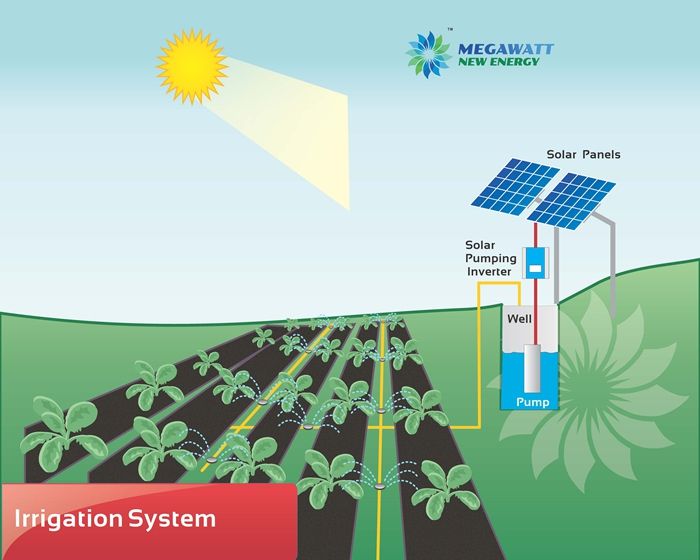
Solar soil aerators operate on a simple yet elegant principle. They use photovoltaic cells to capture sunlight and convert it into electrical energy. This energy powers a small motor that drives the aeration mechanism. The process is remarkably straightforward, yet incredibly effective. When you place the device on your lawn or garden bed, the solar panels begin collecting photons from the sun’s rays. These photons knock electrons loose, creating an electric current that flows through the system. It’s like having a tiny power plant right in your backyard, generating clean energy specifically for your plants’ benefit.
The beauty lies in the simplicity. Unlike traditional aerators that require gas tanks or electrical outlets, solar models rely entirely on renewable energy. This means no emissions, no fuel costs, and no complicated wiring. The energy storage system, usually a rechargeable battery, keeps the power flowing even when clouds pass over. You might wonder, ‘Does it really work?’ Well, many gardeners swear by its effectiveness, noting that their soil becomes noticeably looser and more fertile after regular use.
How the Aerating Process Actually Functions
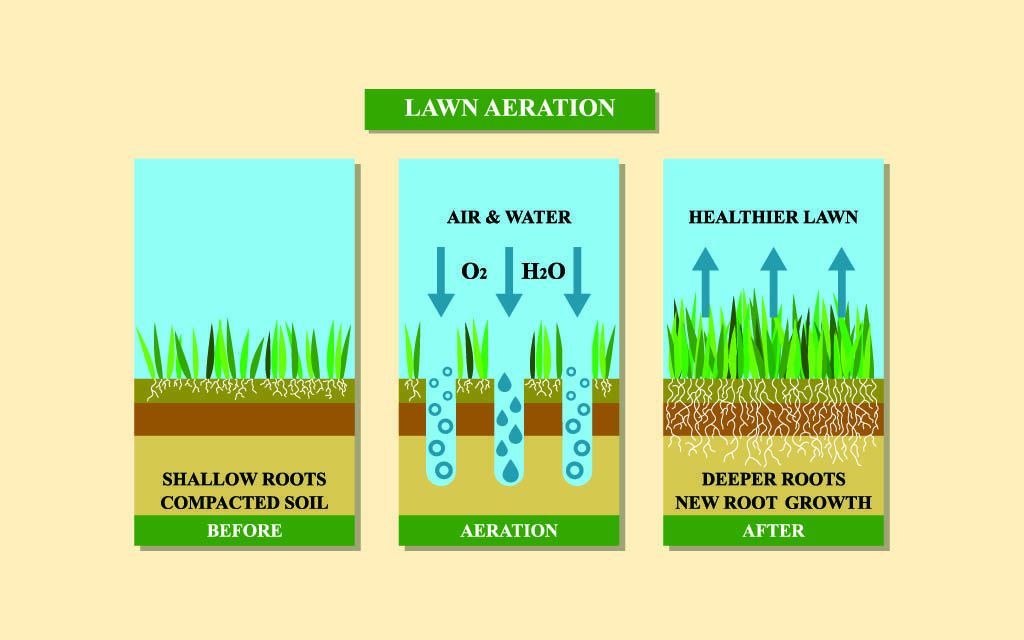
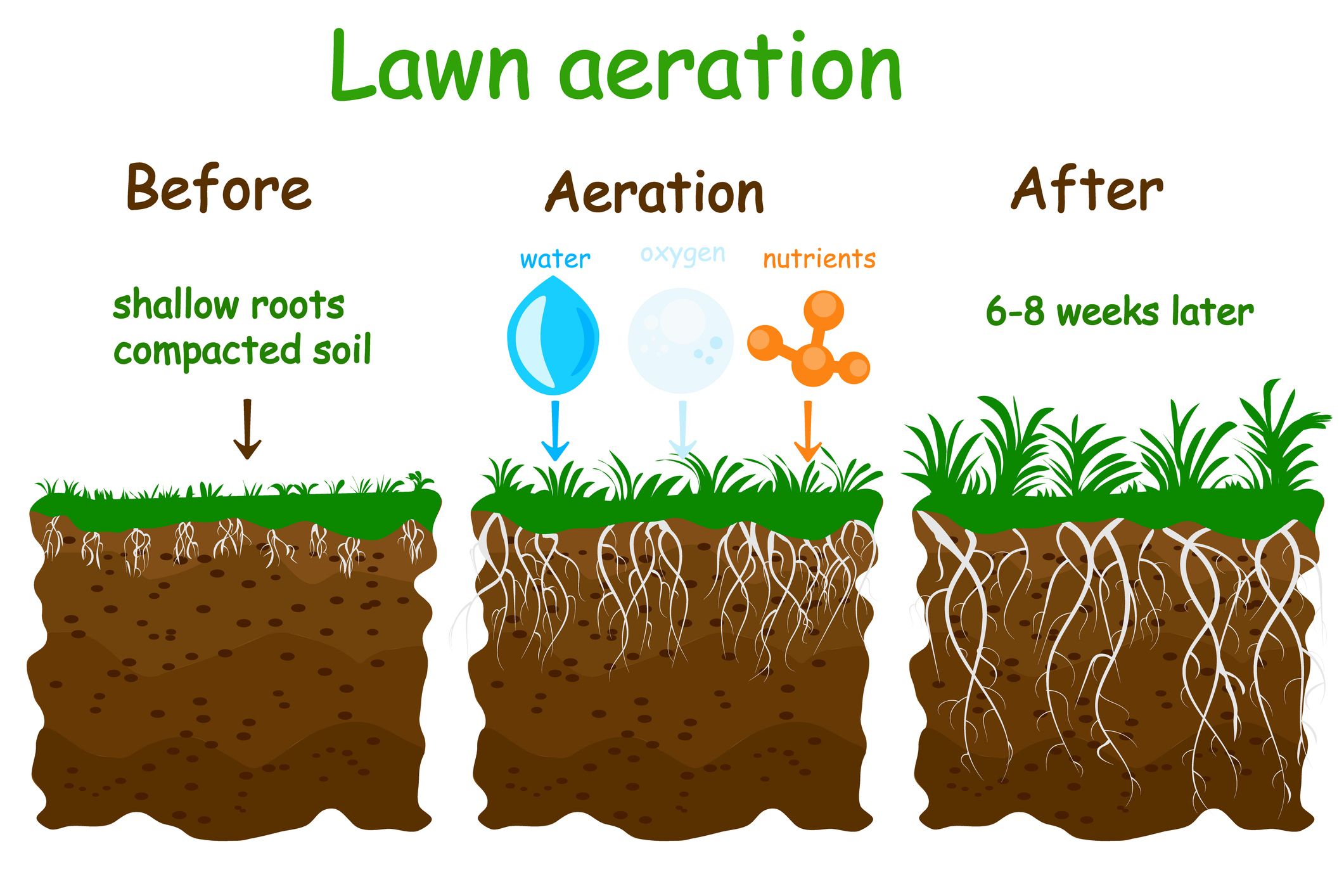
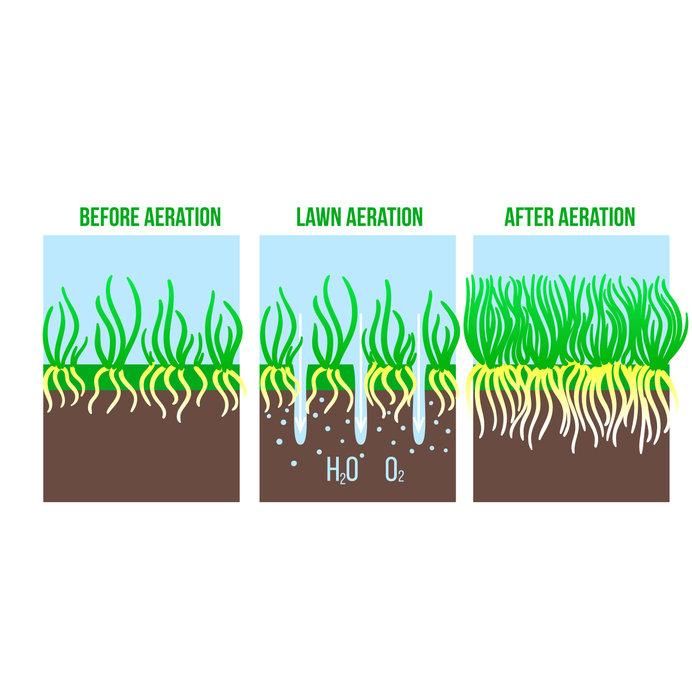
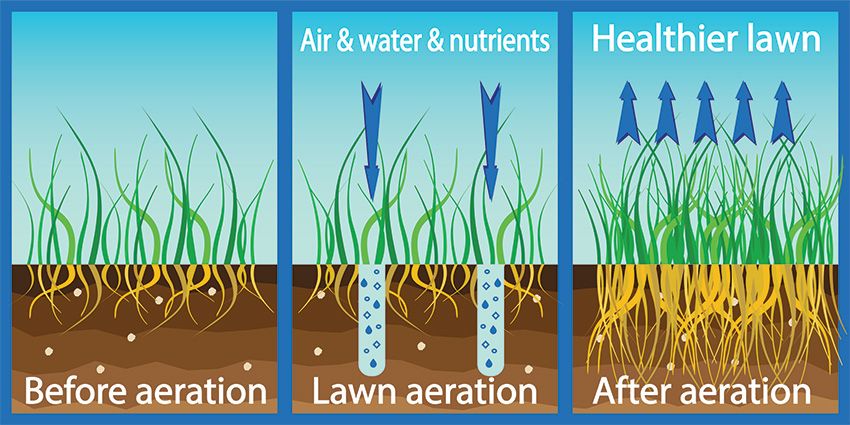
So how does the actual soil aeration happen? The process begins when the solar-powered unit activates. Most models feature a series of hollow tines or spikes that penetrate the ground at specific intervals. These tines are designed to create small holes in the soil, typically 2-4 inches deep and spaced about 6 inches apart. As they go into the earth, they break up compacted soil layers, allowing air, water, and nutrients to reach the root zone more effectively. The holes created act as channels for essential elements to move deeper into the soil profile.
Consider this: when soil becomes too dense, it’s like trying to breathe through a straw. Plants struggle to get the oxygen they need for healthy root development. The aeration process essentially gives them room to breathe. Many users report seeing immediate improvements in grass color and overall plant health. The holes created also help water drain better during heavy rains, preventing waterlogging that can harm plant roots. Some advanced models even feature adjustable depth settings, letting you customize the aeration based on your specific soil conditions.
Benefits of Going Solar for Your Garden
Switching to solar-powered soil aeration brings numerous advantages that extend far beyond the obvious environmental benefits. First and foremost, there are zero operating costs. Once you’ve purchased the device, there’s no ongoing expense for electricity or fuel. This makes it particularly appealing for those who want to maintain their gardens sustainably without breaking the bank. Many gardeners find that the initial investment pays for itself within a few seasons.
Another huge plus is the lack of noise pollution. Traditional gas-powered aerators can be quite loud, disturbing neighbors and wildlife alike. Solar units operate silently, making them ideal for early morning or evening gardening sessions. They’re also much lighter and easier to transport than their gas counterparts, often weighing less than 20 pounds. The absence of fuel storage requirements eliminates safety concerns and cleanup hassles. Plus, you won’t have to worry about oil changes or engine maintenance – just enjoy your garden!
The environmental impact is substantial too. By avoiding fossil fuels, you’re reducing carbon emissions and contributing to cleaner air quality. For those concerned about climate change, this represents a meaningful step toward more sustainable practices. Gardens that use solar aerators often become part of larger eco-conscious communities, inspiring others to adopt similar methods.
Choosing the Right Solar Aerator for Your Needs
Not all solar aerators are created equal, and selecting the right one depends on several factors. Consider your garden size first. Smaller spaces may only need a basic model, while larger areas might benefit from more powerful units. Look for features like battery life duration, which indicates how long the device will run on a full charge. Some models offer 2-3 hours of continuous operation, which is usually sufficient for most typical garden tasks.
The type of soil you’re working with matters significantly. Clay soils tend to be more compact and may require deeper penetration, while sandy soils might need less aggressive aeration. Check the specifications for tine depth and spacing options. Also consider portability – some units fold down for easy storage, while others come with carrying handles. Weather resistance is important too; ensure the device can handle various conditions, from bright sunshine to light rain.
Price ranges vary considerably, from under $100 for basic models to over $300 for premium units with additional features. Research different brands and read user reviews carefully. Pay attention to comments about durability and performance in real-world conditions. Remember, investing in quality often means fewer replacements and better long-term results.
Maintenance and Longevity of Solar Units
Maintaining a solar-powered soil aerator is surprisingly simple compared to traditional equipment. Regular cleaning after each use keeps the solar panels efficient and prevents dirt buildup that could reduce performance. Wipe down the panels gently with a soft cloth and mild soap solution. Check the battery regularly for signs of wear or damage, though most modern units have long-lasting lithium-ion batteries.
The moving parts generally require minimal upkeep. Occasionally lubricate the tines or rotating components with a light oil to prevent rust and ensure smooth operation. Store the unit in a dry location during off-seasons to protect it from moisture and temperature extremes. Most manufacturers recommend checking the device before each growing season to ensure everything functions properly.
With proper care, solar aerators can last for many years. Many users report using their devices for 5-7 seasons with regular maintenance. The longevity comes from the simple design and fewer moving parts compared to gas engines. This reliability makes them excellent investments for gardeners who want consistent performance without frequent repairs or replacements.
Real-Life Success Stories from Gardeners
The real magic happens when we look at actual experiences from gardeners who have made the switch. Maria, a gardener in Portland, Oregon, switched to a solar aerator three years ago and hasn’t looked back. She notes that her lawn has never looked better, especially after the first spring application. "I used to dread mowing because my soil was so compacted," she says. "Now I see the difference immediately – the grass is greener and thicker, and I haven’t had to pay for any gas or oil changes."
In the suburbs of Austin, Texas, David has been using his solar aerator for two seasons now. His vegetable garden has seen dramatic improvements in yield since he started using it regularly. "My tomatoes are bigger and more productive," he explains. "The soil feels softer, and I can actually dig down easily now instead of fighting against hard clay."
These stories aren’t isolated cases. Many gardeners across different climates and soil types report similar positive outcomes. The common thread is consistency in use and patience with the process. Results often become noticeable after 2-3 applications, with maximum benefits appearing after several months of regular use.
Solar-powered soil aerators represent more than just a gardening tool – they embody a shift toward sustainable, mindful practices that benefit both gardeners and the environment. By understanding how these devices work and incorporating them into your routine, you’re taking a meaningful step toward more responsible gardening. The combination of renewable energy, reduced maintenance, and improved soil health creates a powerful synergy that enhances the entire gardening experience.
Whether you’re looking to improve your lawn’s appearance, boost your vegetable garden’s productivity, or simply reduce your environmental footprint, solar aerators offer a compelling solution. They prove that sometimes the simplest innovations can have the most profound impacts. As more gardeners discover the benefits of solar soil aeration, we’re witnessing a quiet revolution in how people think about caring for their outdoor spaces. The sun provides the energy, and your garden reaps the rewards.