What if you could transform kitchen scraps and yard waste into nutrient-rich soil right in your backyard? It’s easier than you think, and the benefits go far beyond just having better garden soil. Composting isn’t just about recycling organic matter – it’s about creating a small ecosystem that works with nature rather than against it. Think of it as giving your garden a superfood supplement made from what you’d otherwise throw away.
Composting might sound like something only gardeners or environmentalists do, but it’s actually one of the simplest ways to reduce waste while improving your outdoor space. Every year, millions of tons of organic material end up in landfills, where it creates methane gas – a potent greenhouse gas that contributes to climate change. By composting at home, you’re taking a direct action that makes a real difference. The process is straightforward once you understand the basics, and the results are incredibly rewarding. Whether you have a sprawling backyard or just a small balcony, there’s a composting solution that fits your lifestyle. The magic happens when organic materials break down naturally, turning into dark, crumbly humus that feeds plants and enriches soil.
Understanding What to Compost
Not everything that goes into your compost pile will decompose properly. You want to focus on organic materials that break down quickly and safely. Think of it like cooking – some ingredients work well together while others clash. Green materials are high in nitrogen and include things like vegetable peels, coffee grounds, fresh grass clippings, and fruit scraps. These provide the protein that helps bacteria grow. Brown materials are high in carbon and consist of dry leaves, cardboard, paper, wood chips, and straw. They act as the energy source for the decomposition process. A good ratio is roughly 2 parts brown to 1 part green, though this can vary based on what you’re adding. Avoid meat, dairy, oils, pet waste, and diseased plant material – these can attract pests or create odors. Also skip anything that’s been treated with chemicals or pesticides. When you’re unsure, when in doubt, leave it out. The goal is to create a balanced environment where microorganisms can thrive.
Choosing the Right Location
The spot you pick for your compost bin matters more than you might expect. Look for a place that gets partial sun and shade – too much direct sunlight can dry out the pile too fast, while complete darkness slows decomposition. The area should have good drainage so water doesn’t pool around your pile. You’ll also want easy access for adding materials and turning the pile later on. Consider proximity to your kitchen and garden. If you’re using a container system, make sure it’s placed on a flat surface that can support its weight when full. Some people prefer to keep their bins near the garage or under a tree where fallen leaves can easily be added. If you live in a small space, consider a tumbler-style bin that can fit in a tight corner. The location should also be away from property lines and neighbors’ yards to avoid any potential odor issues. A little planning here pays off in the long run.
Building Your Compost Bin
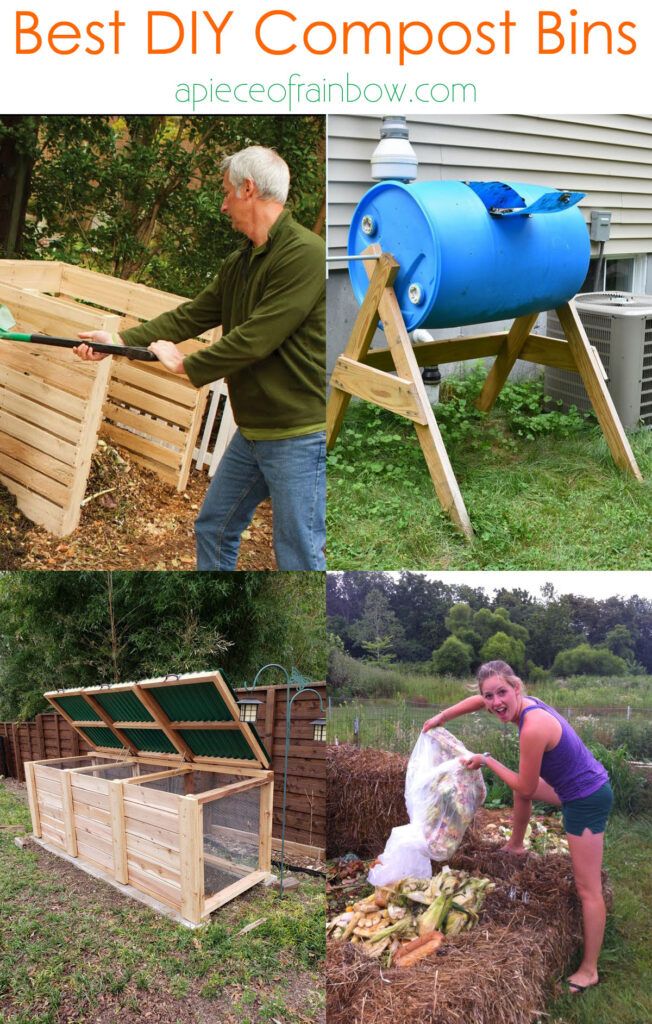
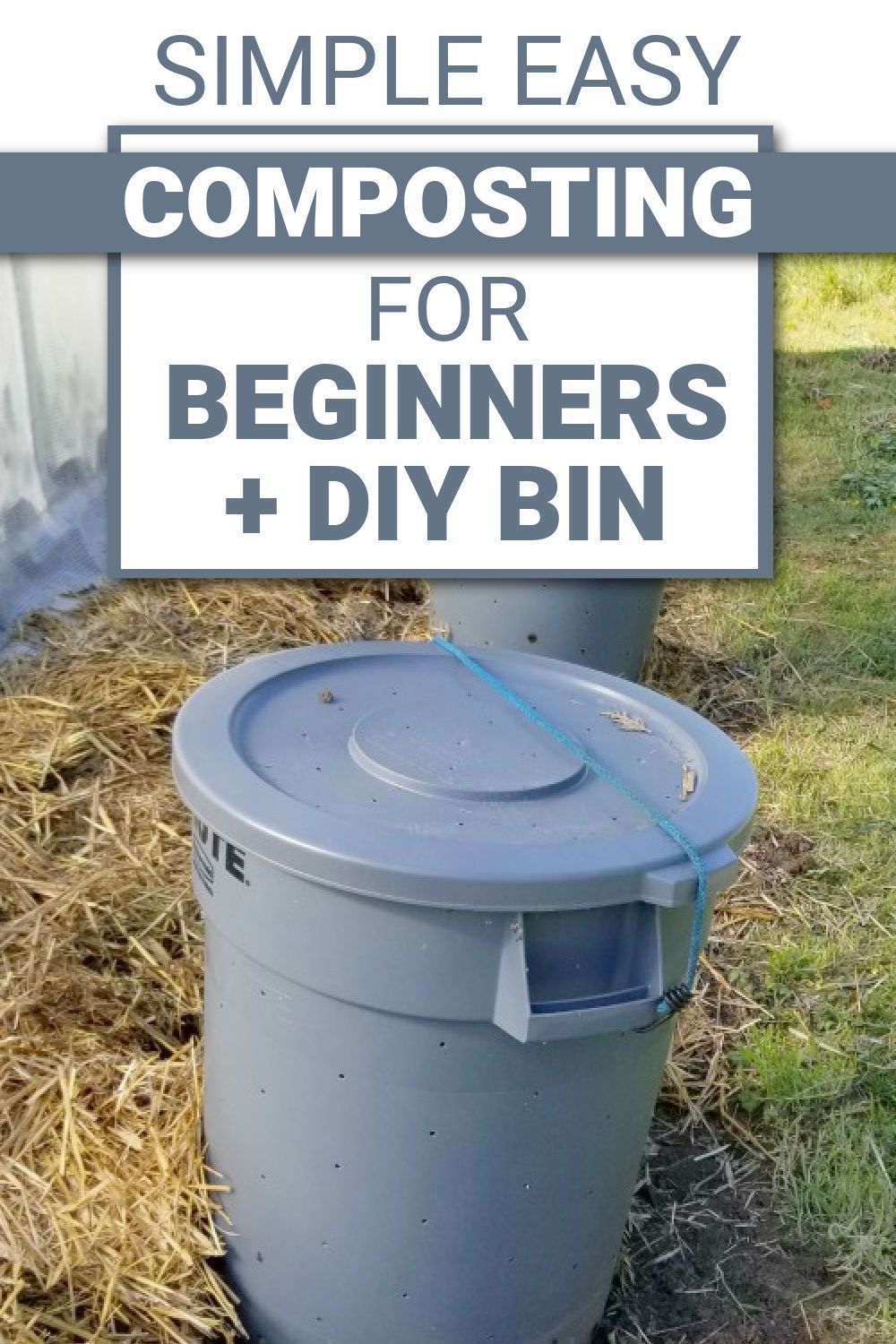
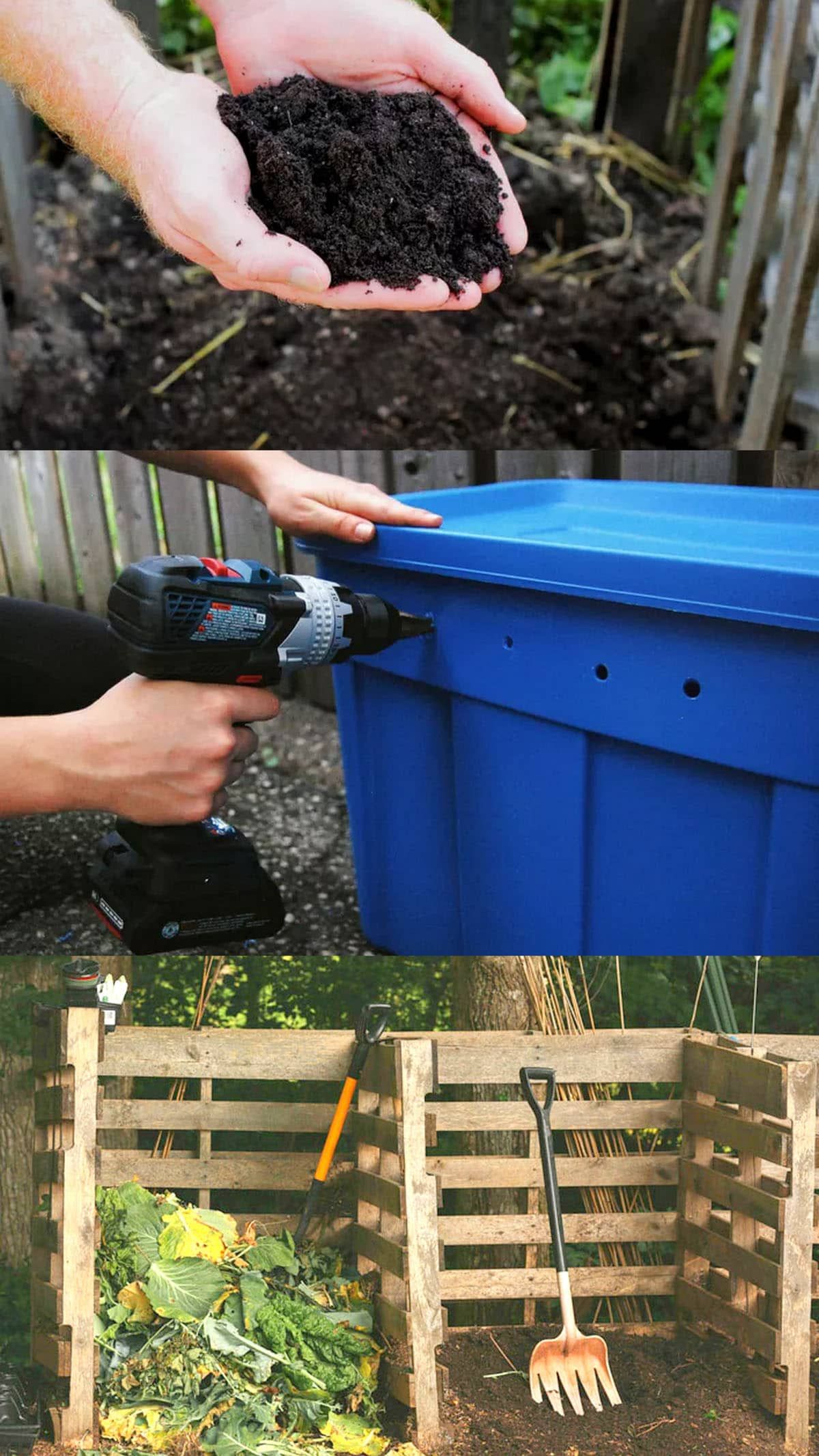
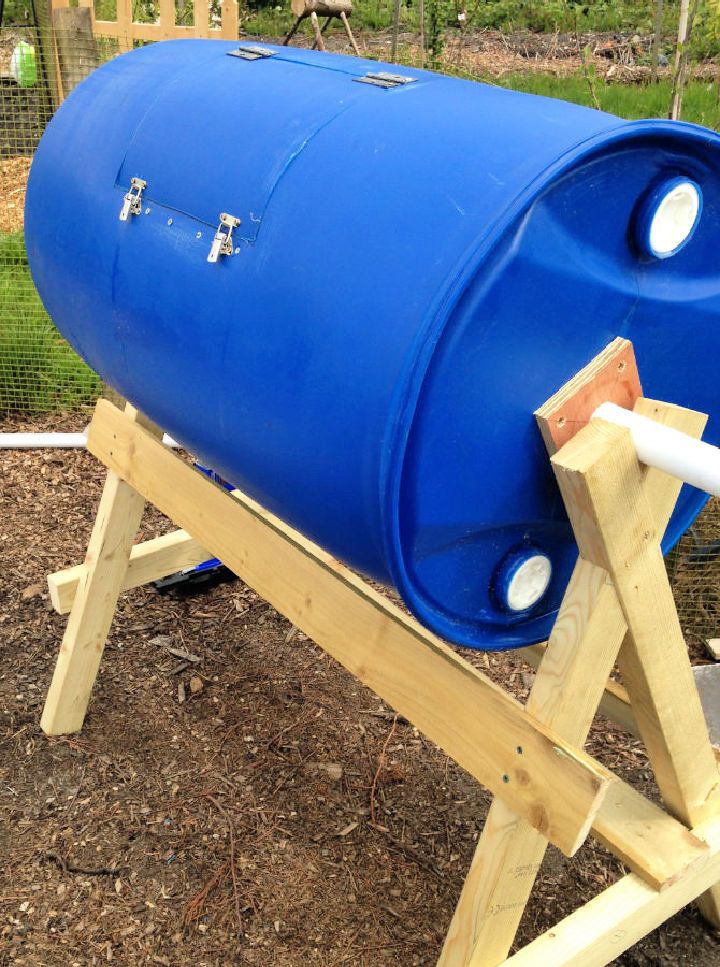
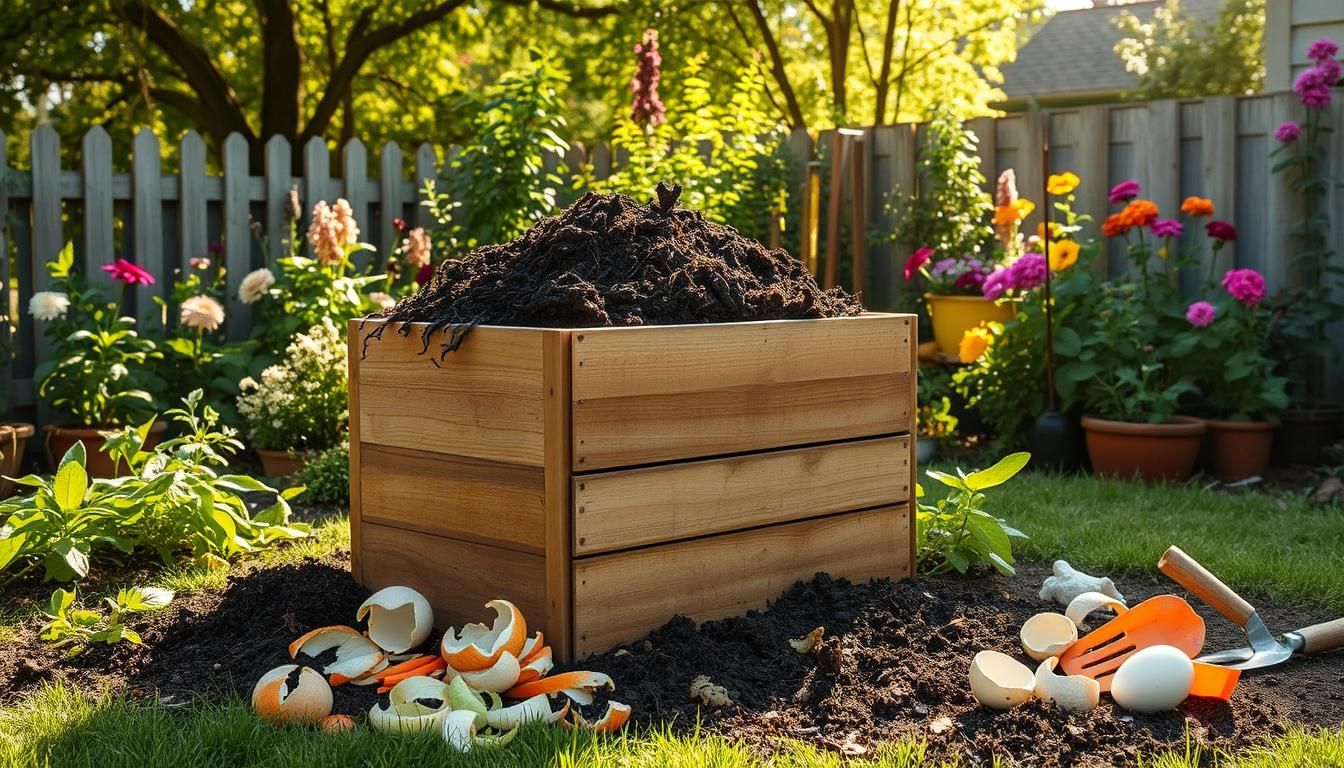
You don’t need fancy equipment to start composting. In fact, many successful composters begin with simple methods. One approach is to simply pile materials directly on the ground, creating a heap that you turn occasionally. Another popular option is building a basic frame using wooden pallets or chicken wire. For a more permanent setup, you can construct a bin using cinder blocks or bricks. The key is ensuring good airflow while keeping materials contained. Start by clearing the chosen area and checking that it drains well. If using a container, ensure it has holes for air circulation. A lid can help control moisture and prevent pests from accessing your pile. The bin should be large enough to accommodate regular additions but not so big that it becomes unwieldy to manage. Consider making it three feet wide, three feet deep, and three feet tall – this size allows for proper heat generation and easy turning. Remember, the size matters less than maintaining the right balance of materials and moisture.
Maintaining Proper Moisture Levels
Moisture is crucial for composting success. The pile should feel like a damp sponge – not soaking wet or bone dry. Too little water and decomposition slows to a crawl. Too much and you’ll get smelly, anaerobic conditions that attract pests. Aim for about 40-60% moisture content. You can test this by squeezing a handful of material – if a few drops come out, you’re in the right range. Water the pile regularly during dry spells, especially if you’re using mostly dry brown materials. Rain alone won’t provide enough consistent moisture, particularly in arid climates. Adding water during dry periods keeps the beneficial microbes active and helps break down materials faster. If you notice a strong ammonia smell, it usually means too much nitrogen from green materials. Conversely, a sour smell suggests too much moisture or insufficient oxygen. Adjust accordingly by adding more browns or aerating the pile. Regular monitoring prevents problems before they start and keeps your compost healthy.
Turning and Aerating Your Pile
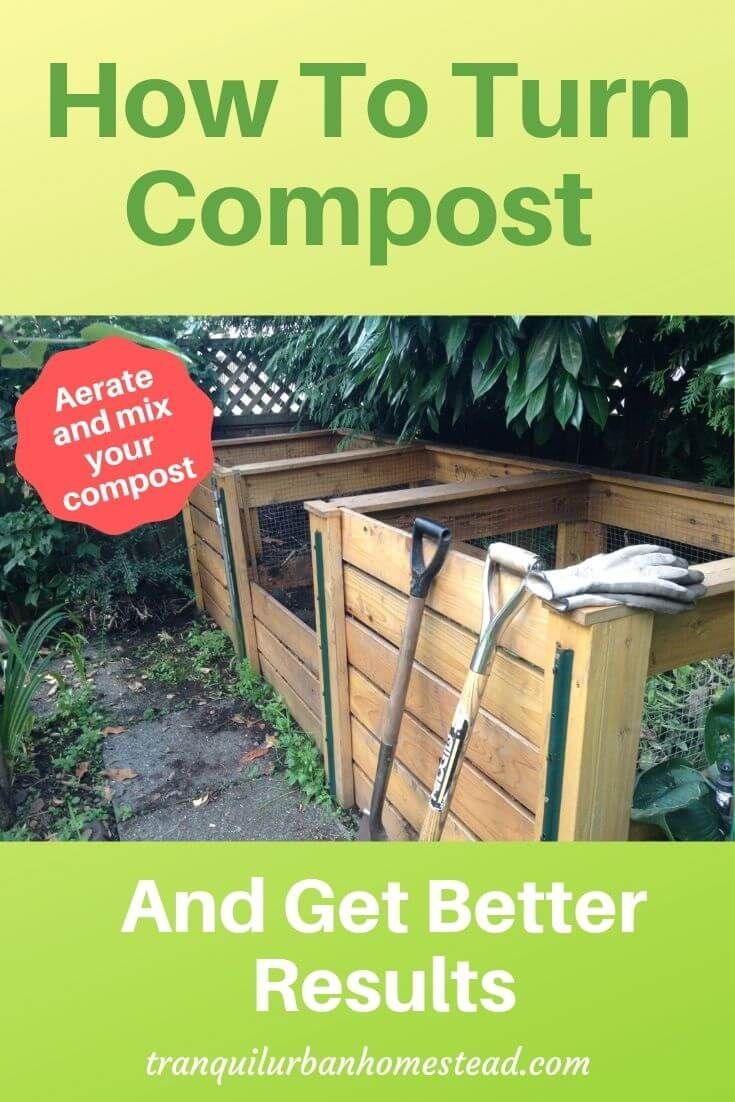
Aeration is often overlooked but essential for effective composting. Oxygen feeds the microorganisms that break down organic matter, helping them work efficiently. Without adequate air flow, your pile can become compacted and start to smell bad. Turn your pile every 1-2 weeks using a pitchfork or shovel. This introduces fresh oxygen and mixes materials evenly. The process is surprisingly satisfying – you’ll see the inner materials exposed and hear the familiar crunching sound as you mix them. If you’re using a tumbler bin, simply rotate it a few times each week. When turning, add a layer of browns on top to help absorb excess moisture and maintain proper structure. Don’t worry if it looks messy after turning – that’s normal. The key is consistency. Regular turning speeds up decomposition by 25-50% compared to static piles. It also helps distribute moisture and temperature evenly throughout the pile. Watch for signs that your pile needs attention – if it’s getting too hot, smells bad, or appears too dry, adjust your approach.
Troubleshooting Common Problems
Even experienced composters encounter issues from time to time. Here are some common problems and solutions. If your pile smells bad, it’s likely due to too much green material or insufficient aeration. Add more brown materials and turn the pile. An overpowering ammonia smell means too much nitrogen – balance it with more carbon-rich items. If it’s too dry, add water gradually until it feels like a damp sponge. If it’s too wet, incorporate more dry materials and turn more frequently. Pests are rarely a major issue if you avoid meat and dairy products. If you do see insects, they’re usually harmless and even helpful. Just keep the pile covered and maintain proper balance. Slow decomposition often indicates poor moisture levels, lack of aeration, or insufficient nitrogen. Check all factors and make adjustments. Mold growth is normal and even beneficial, but excessive mold may suggest overwatering. Finally, if your pile isn’t heating up, it might be too small, too dry, or lacking sufficient green materials. Sometimes it takes a few weeks for the pile to build up enough heat to start the decomposition process properly.
Creating your own sustainable compost bin is one of the most practical and rewarding steps you can take toward environmental responsibility and better gardening. It’s a skill that anyone can learn, regardless of living situation or experience level. The process brings together science and nature in a way that feels almost magical when it works correctly. You’ll discover that what seemed like waste transforms into something valuable – rich, dark soil that feeds plants and improves your garden’s health. Beyond personal benefits, composting reduces your household’s environmental footprint significantly. It’s a small change that makes a big impact. Plus, there’s something deeply satisfying about knowing that your kitchen scraps and yard waste are being transformed into garden gold. Whether you’re starting with a simple pile or investing in a fancy bin, the journey toward sustainability begins with understanding that everything has value when given the right conditions. The compost pile becomes more than just waste management – it’s a connection between your home and the earth itself. Start small, stay consistent, and watch as your efforts create lasting positive change in your community and environment.