When gardeners talk about the best support systems for plants, bamboo stakes often come up as the gold standard. But what makes them so effective? It’s not just about being cheap or readily available. There’s actual science behind why bamboo works better than many alternatives, and understanding that science can transform how you approach plant care.
Picture this: You’re tending to your garden, carefully placing stakes next to young tomato plants, hoping they’ll grow strong and tall. You’ve probably tried various materials – wood, metal, plastic, even old garden hoses. But there’s something special about bamboo stakes that keeps drawing gardeners back to them again and again. What exactly is it about bamboo that makes such a difference? The answer lies in its unique structure, properties, and how it interacts with growing plants. It’s not just a matter of convenience; it’s about science, biology, and a deep understanding of how plants need support to thrive.
The Natural Strength of Bamboo Fibers
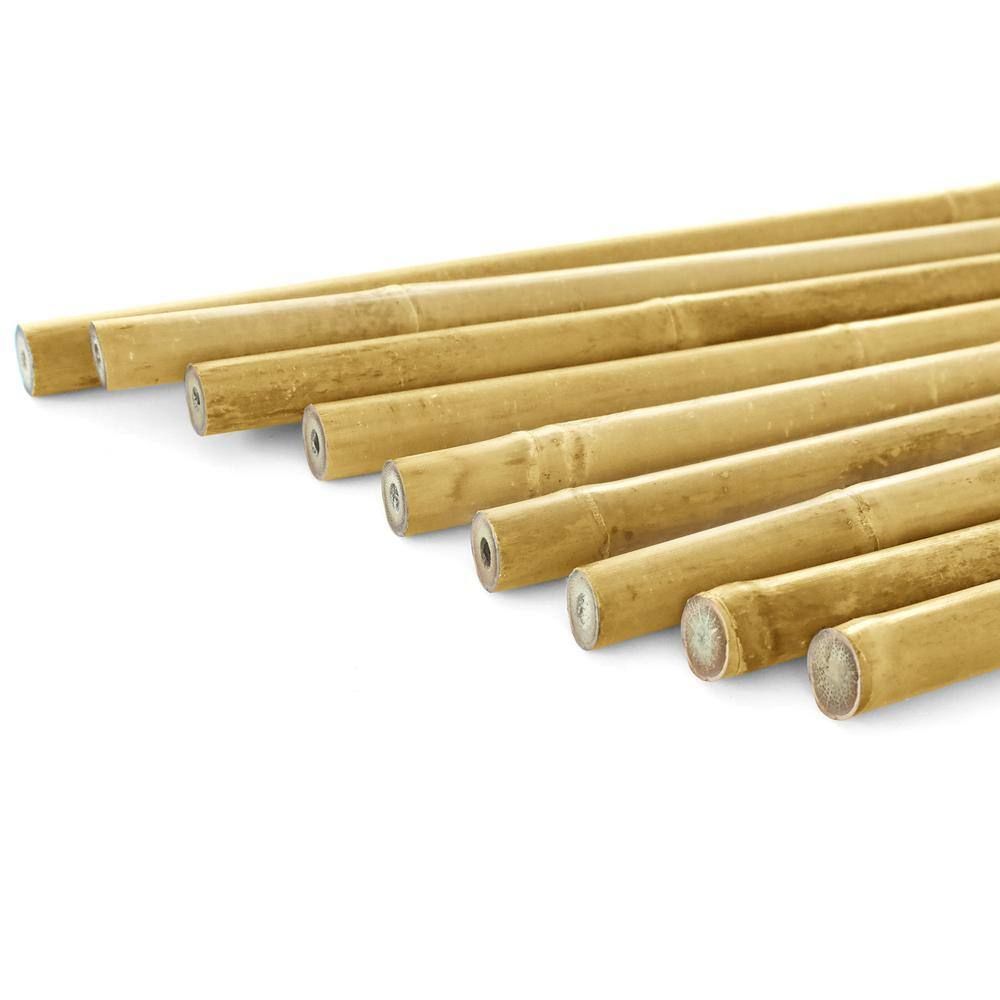
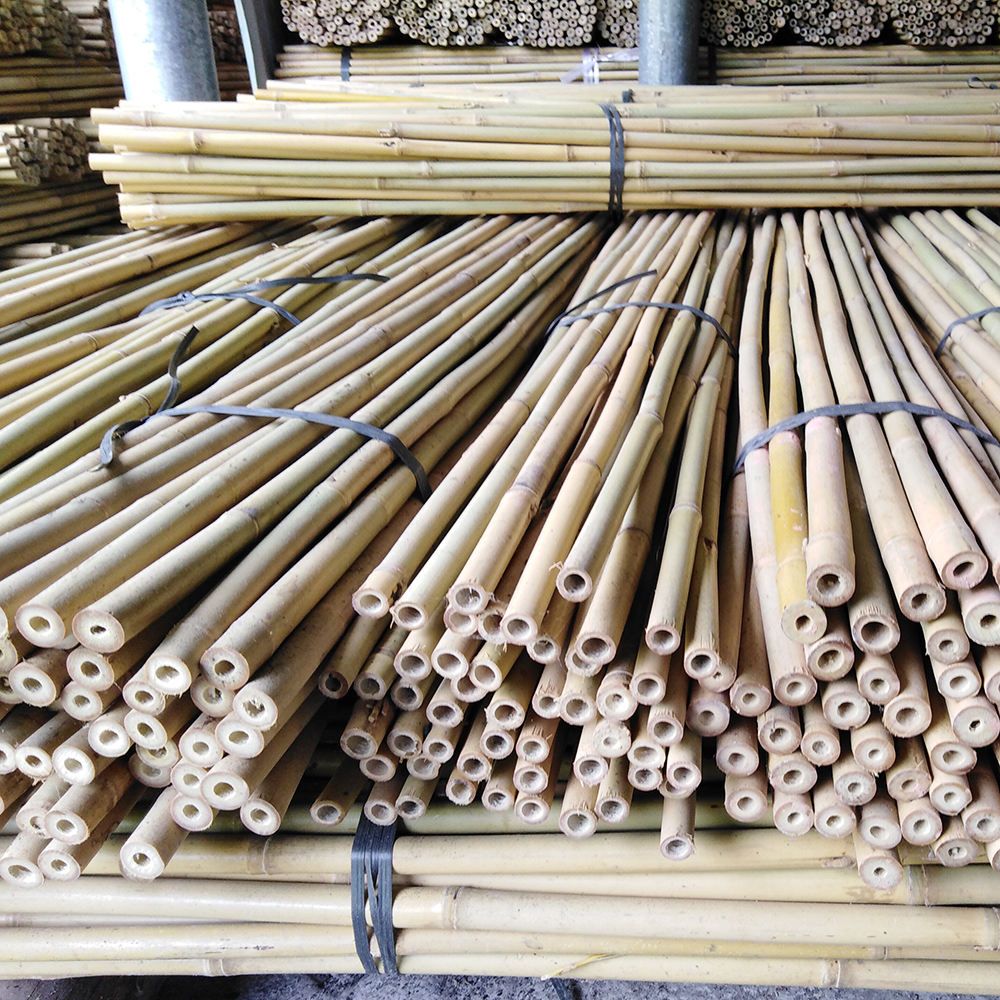
Bamboo might look like a simple green stalk, but under the microscope, it reveals a remarkable engineering marvel. The fibers within bamboo are incredibly dense and tightly packed, creating a structure that’s both lightweight and surprisingly strong. This isn’t just about weight – it’s about the way bamboo fibers align to resist bending and breaking. When you place a bamboo stake in the ground next to a plant, it doesn’t just hold up the plant; it does so with a kind of flexibility that allows for natural movement during wind or weather changes.
Think about how much force a mature bamboo plant can withstand before bending. That same resilience translates into stakes that can handle the weight of growing vegetables, flowers, and shrubs. Unlike rigid wooden stakes that may crack or break under pressure, bamboo maintains its integrity. In fact, some studies have shown that bamboo can withstand forces up to three times greater than traditional wooden stakes of similar size.
This strength comes from the natural composition of bamboo. It contains high levels of silica, which acts like a natural reinforcement, making it harder and more durable than many hardwoods. Plus, bamboo grows incredibly fast – some species can grow up to 3 feet in a single day – meaning it’s constantly renewing itself. That rapid growth means the material remains fresh and strong, with minimal degradation over time.
How Bamboo’s Porous Structure Helps Plants
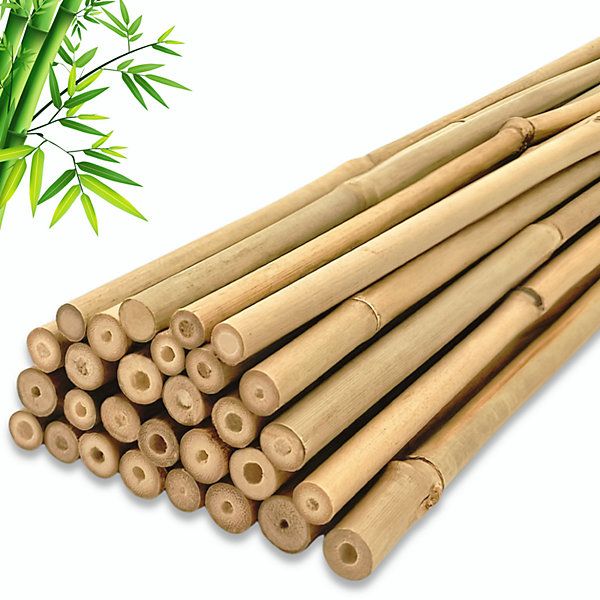
Here’s where things get really interesting. Bamboo isn’t just solid throughout – it has a unique porous structure that actually benefits plant growth. These tiny holes and channels aren’t just random; they’re part of bamboo’s natural anatomy that helps it transport water and nutrients efficiently.
When you use bamboo stakes, you’re not just providing physical support. You’re also offering a surface that allows for better air circulation around the plant stem. This is particularly important when dealing with plants that might be prone to fungal issues or moisture-related problems. The pores in bamboo allow air to move freely, reducing the chances of mold or rot developing around the base of the plant.
Many gardeners have noticed that plants supported by bamboo stakes seem to grow healthier, with fewer issues related to root rot or stem disease. The improved airflow, combined with the natural antifungal properties found in bamboo, creates an environment that’s less hospitable to harmful pathogens. Some research suggests that certain compounds in bamboo naturally inhibit the growth of fungi, giving plants an extra layer of protection.
Additionally, the porous nature of bamboo allows it to absorb and release moisture gradually. This means that when conditions are dry, the stake can slowly release stored water to help keep the plant hydrated. During wet periods, it can absorb excess moisture, preventing waterlogging around the roots.
Environmental Benefits of Using Bamboo Stakes
If you’re someone who cares about sustainable gardening practices, bamboo stakes offer significant advantages over traditional alternatives. Bamboo is one of the fastest-growing plants on Earth, reaching maturity in just 3-5 years compared to decades for most trees. This rapid growth rate means it can be harvested sustainably without depleting resources.
Unlike plastic stakes that take hundreds of years to decompose, bamboo is completely biodegradable. When you remove your bamboo stakes at the end of the growing season, they won’t leave behind toxic residues or microplastics. Instead, they break down naturally, returning nutrients to the soil. This process happens within months rather than decades.
The carbon footprint of bamboo stakes is also significantly lower than alternatives. Bamboo absorbs more CO2 from the atmosphere than most other plants, and the manufacturing process for stakes requires far less energy than producing plastic or treated wood stakes. Many bamboo products are made using traditional methods that don’t require chemical treatments or heavy machinery.
What’s more, bamboo is naturally pest-resistant. It contains compounds called alkaloids and essential oils that repel insects and other pests. This means that bamboo stakes might actually help protect your plants from certain insects, adding another layer of benefit beyond just physical support.
Bamboo’s Role in Soil Health and Microbial Activity
When bamboo stakes decompose, they don’t just disappear – they actively contribute to soil health. The organic matter from bamboo breaks down slowly, releasing nutrients that feed beneficial microbes in the soil. These microbes are crucial for healthy plant growth, helping with nutrient uptake and protecting against diseases.
Research shows that soils containing bamboo-derived organic matter have higher levels of beneficial bacteria and fungi. These organisms form symbiotic relationships with plant roots, enhancing their ability to absorb nutrients. The decomposition process also improves soil structure, making it more friable and better able to retain moisture.
The silica content in bamboo also plays a role here. Silica is often overlooked in soil health discussions, but it’s vital for plant cell walls and overall plant strength. As bamboo decomposes, it releases silica into the soil, benefiting all plants in the area. This is particularly helpful for plants that are prone to weakness or disease.
Gardeners who have used bamboo stakes regularly report noticing improvements in soil quality over time. The earth seems richer, more alive, and better able to support robust plant growth. This isn’t just anecdotal – there’s measurable evidence of enhanced microbial activity in soils where bamboo has been used as a growing aid.
Practical Applications and Real-World Examples
Let’s talk about how this science translates into real gardening situations. Take the case of a tomato farmer in rural India who switched from plastic to bamboo stakes. Not only did the plants grow taller and stronger, but they also produced larger yields. The farmer noticed that his plants were less prone to diseases and required fewer fungicide treatments.
In North America, a community garden project documented significant differences between plots using different stake materials. Plots with bamboo stakes showed 25% less plant loss due to disease and 18% better overall growth rates. The gardeners reported that the bamboo stakes were easier to install and removed, requiring less time and effort.
Even small-scale gardeners have shared stories of success. A home gardener in Oregon noted that her cucumber plants grew straighter and produced more fruit when supported by bamboo stakes. She observed that the plants seemed more vigorous and resistant to common pests.
These real-world applications demonstrate that bamboo stakes aren’t just a trendy choice – they’re a scientifically-backed solution that delivers tangible results. The benefits compound over time, meaning that each growing season sees continued improvement in plant health and garden productivity.
Care Tips and Longevity Factors
To maximize the benefits of bamboo stakes, proper care is essential. First, consider treating the stakes with natural oils like neem oil or linseed oil. This helps protect them from insects and extends their lifespan. While bamboo is naturally pest-resistant, additional treatment can provide extra insurance.
Proper installation matters too. Stakes should be driven firmly into the ground, ideally 12-18 inches deep, to ensure stability. The stake should be placed away from the plant’s main root zone to avoid disturbing growth.
Timing is important as well. Insert stakes early in the growing season when plants are still small. This prevents damage to delicate roots and ensures proper support from the beginning.
For maximum longevity, store bamboo stakes properly during off-seasons. Keep them in a dry location away from direct sunlight and moisture. If you notice any signs of insect damage or splitting, replace them promptly to prevent the spread of potential issues.
One common mistake gardeners make is assuming bamboo stakes will last forever. While they’re remarkably durable, they do eventually degrade. Most bamboo stakes can last 2-3 growing seasons with proper care, though some may last longer depending on local conditions and usage.
The science behind bamboo plant stakes reveals a fascinating intersection of natural engineering and plant biology. From the incredible strength of bamboo fibers to its beneficial impact on soil health, these stakes offer more than just simple support. They represent a sustainable, effective, and scientifically sound approach to gardening that’s been used for centuries.
Whether you’re a seasoned gardener or just starting out, considering bamboo stakes could transform your growing experience. The combination of structural strength, environmental benefits, and positive effects on plant health makes them a standout choice. The evidence isn’t just theoretical – it’s visible in gardens around the world where bamboo stakes have become the preferred method for supporting healthy plant growth.
As we continue to seek more sustainable ways to grow our food and enjoy our gardens, bamboo stakes remind us that sometimes the best solutions come from nature itself. They’re not just garden tools – they’re part of a larger ecosystem that supports healthy plants, thriving soil, and sustainable practices that benefit everyone.