In a world where industrial agriculture dominates, there’s a quiet revolution happening in farm fields across the globe. It’s not about massive tractors or chemical sprays. Instead, it’s about small, simple tools that are changing everything. Farmers are turning back to their roots, literally, using hand weeding forks to nurture their land rather than exploit it.
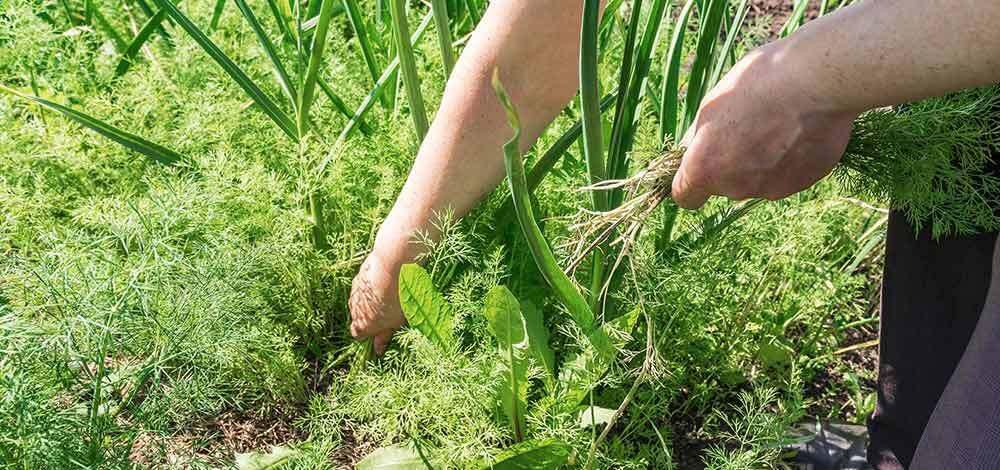
Picture this: a farmer kneeling in a sun-drenched field, a simple hand weeding fork in one hand, gently lifting weeds from between rows of thriving vegetables. This isn’t just a farming technique – it’s a philosophy. The humble hand weeding fork is becoming the unsung hero of regenerative agriculture. What makes these tools special isn’t just their simplicity, but their profound impact on soil health, biodiversity, and the future of food production. As we face climate change and soil degradation, these traditional methods are proving remarkably effective. The fork may seem basic, but its role in modern sustainable farming is anything but ordinary. It’s about working with nature rather than against it.
The Foundation of Regenerative Agriculture
Regenerative farming is more than just a buzzword. It’s a holistic approach to agriculture that focuses on rebuilding soil health, increasing biodiversity, and improving water cycles. At its core lies the principle of minimal soil disturbance. This means farmers avoid tilling, which can damage soil structure and disrupt beneficial microorganisms. Instead, they work carefully with the land, preserving its natural ecosystem. Hand weeding forks perfectly align with these principles. They allow farmers to remove unwanted plants without disturbing the surrounding soil environment. The practice supports the soil’s natural architecture while maintaining its biological diversity. When you think about it, this approach makes sense. Soil isn’t just dirt – it’s a living ecosystem teeming with life. Every time a tractor rolls through a field, it’s essentially walking on a delicate web of organisms that support plant growth. By using hand tools, farmers protect this invisible foundation of agriculture.
How Hand Weeding Forks Work Their Magic
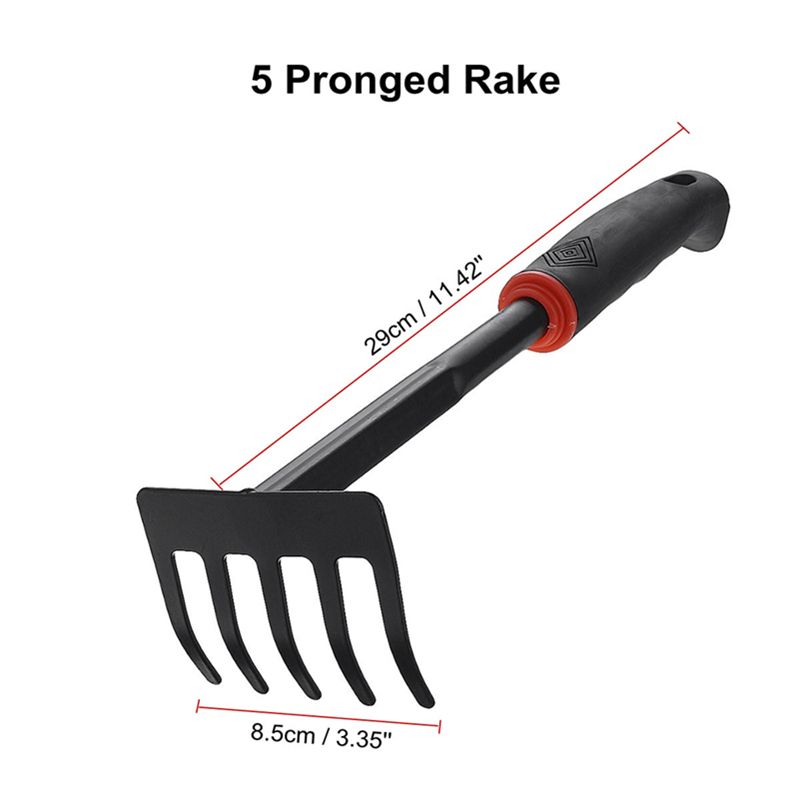
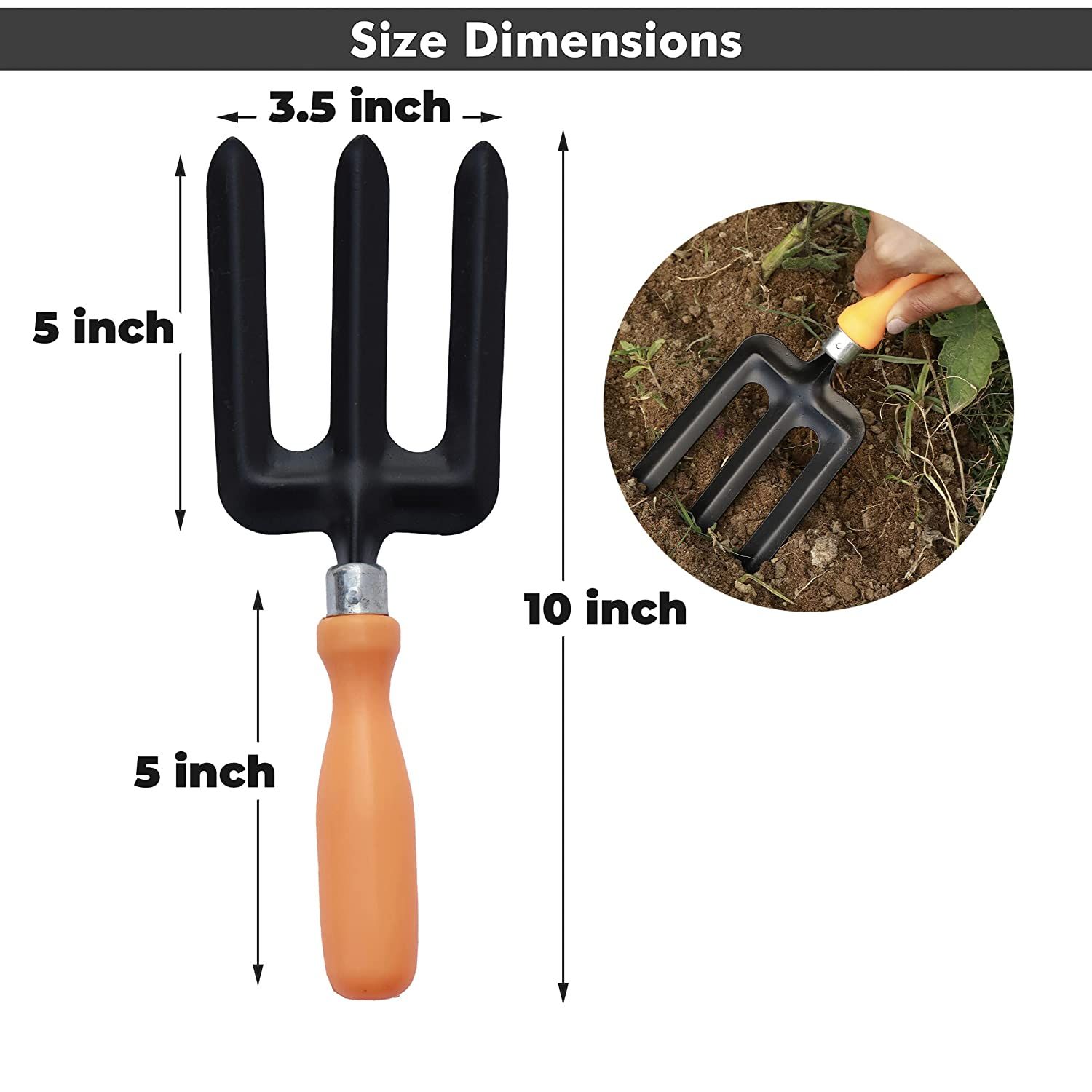
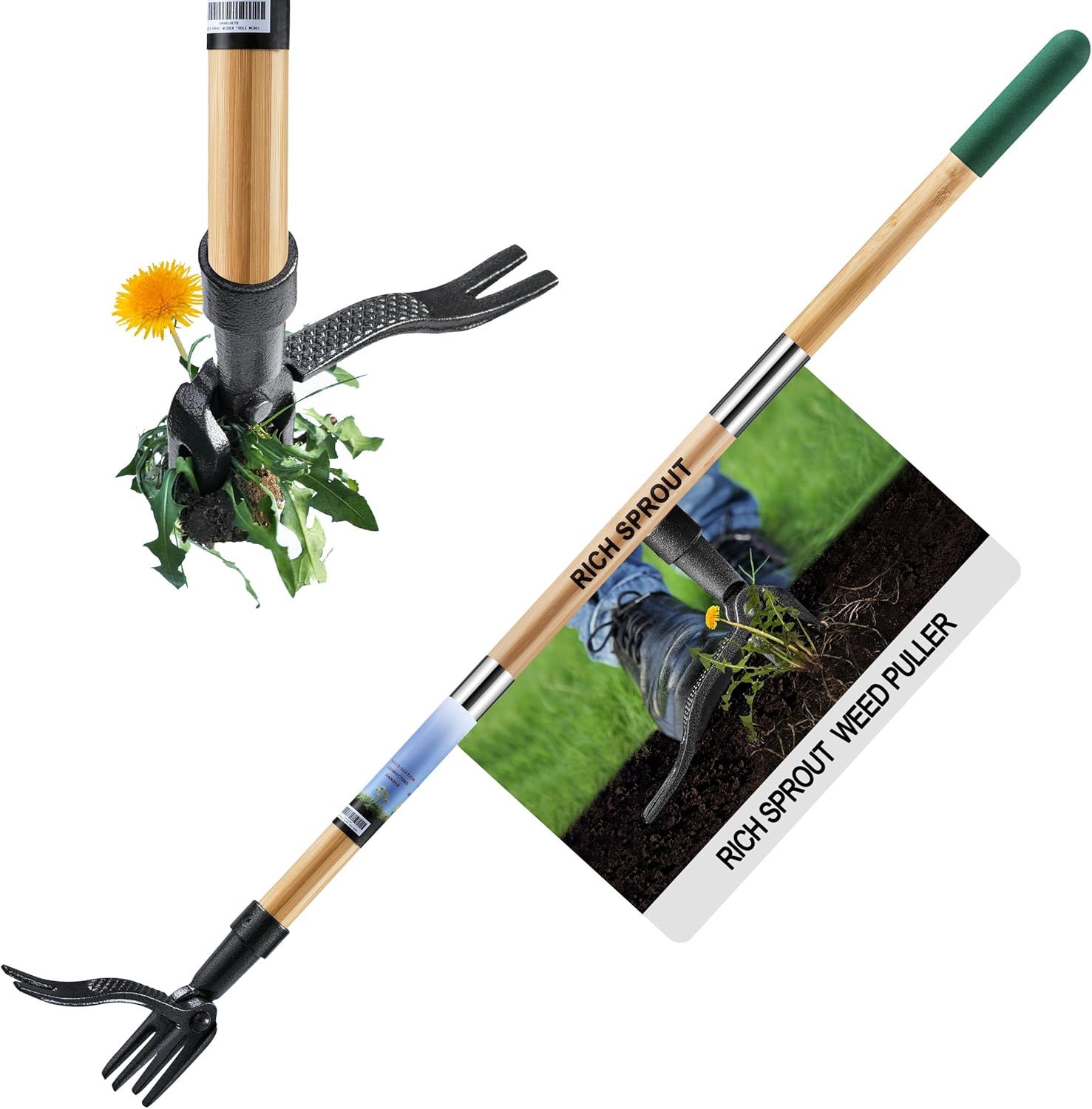
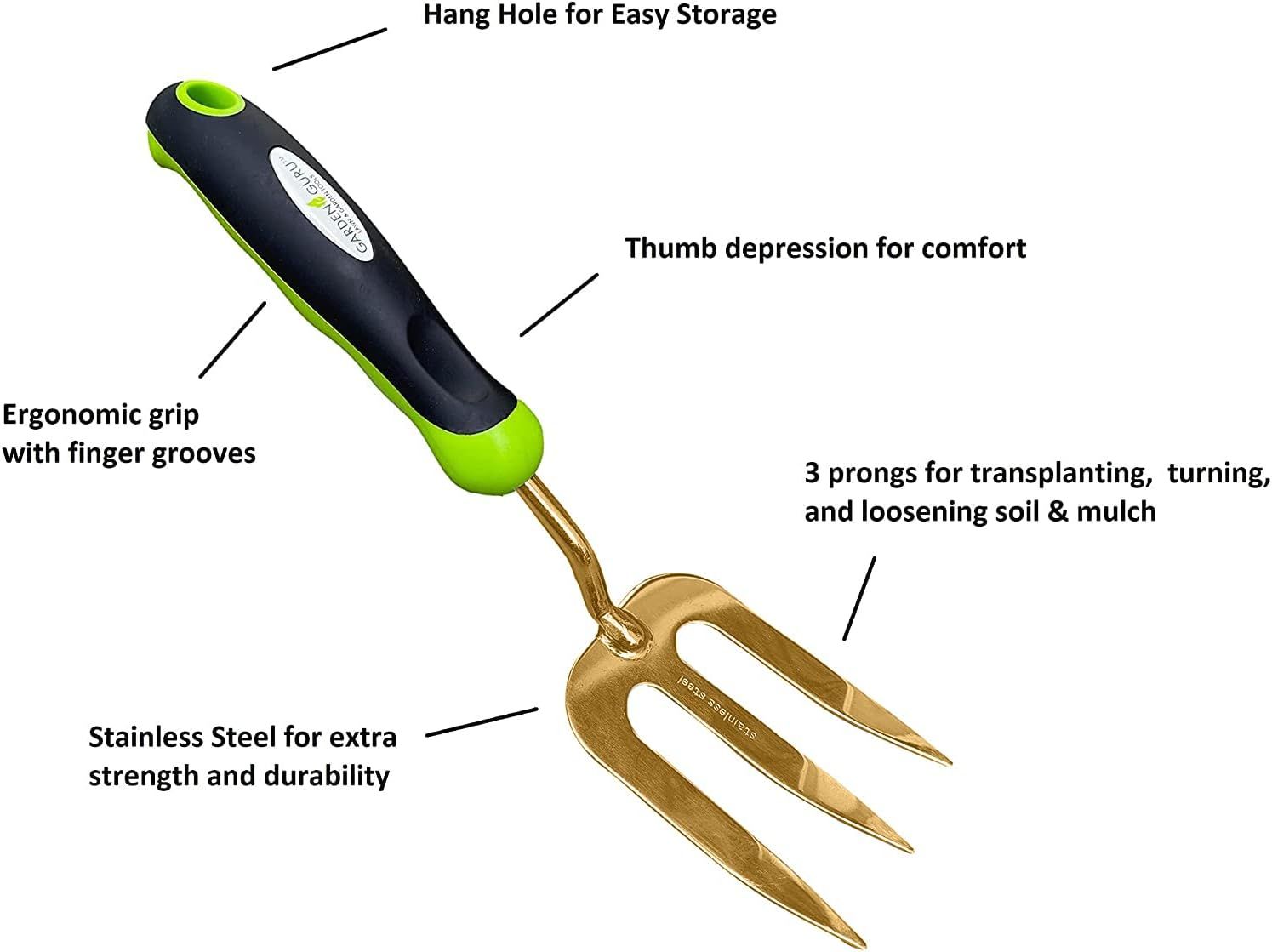
A well-designed hand weeding fork is deceptively simple yet incredibly effective. These tools typically feature multiple tines or prongs that allow farmers to grasp weeds firmly at their root level. Unlike chemical herbicides or mechanical tillers, hand weeding works with precision. The fork’s design enables farmers to target specific weeds without damaging crops or disturbing beneficial soil organisms. Consider a typical scenario: a farmer notices a few wild onions growing between tomato plants. With a hand weeding fork, they can extract the entire root system without affecting the tomato’s surrounding soil. This method prevents the spread of weeds and reduces competition for nutrients. The tool also helps aerate the soil slightly during the process. This gentle cultivation creates small air pockets that benefit plant roots. Many farmers find that using hand weeding forks becomes almost meditative. The rhythmic motion of pulling weeds while maintaining soil structure creates a connection between the farmer and the land. It’s a practice that many describe as grounding.
Benefits Beyond the Garden Bed
The advantages of using sustainable hand weeding forks extend far beyond immediate weed control. One major benefit is the preservation of soil organic matter. When soil isn’t disturbed by heavy machinery, the carbon-rich materials that feed beneficial microbes remain intact. This leads to improved soil fertility over time. Additionally, these tools support biodiversity in unexpected ways. By avoiding chemical treatments, farmers create habitats for beneficial insects, birds, and microorganisms. The reduced soil compaction from hand weeding also allows better water infiltration. This is particularly important during drought conditions or heavy rainfall. Some farms report that after switching to hand weeding methods, they see fewer pest problems naturally. The reason? A healthier soil ecosystem tends to support stronger, more resilient plants. Furthermore, hand weeding forks require no fuel, electricity, or complex maintenance. This makes them accessible to small-scale farmers and those with limited resources. The economic benefits are significant too. Farmers save money on expensive herbicides and equipment repairs while reducing their environmental footprint.
Real-World Applications and Success Stories
Let’s look at some actual examples of how hand weeding forks are making a difference. In California’s Central Valley, a group of organic farmers switched entirely to hand weeding methods for their lettuce and leafy greens operations. Within two years, they saw a 15% increase in soil organic matter and significantly reduced pest pressure. Another example comes from a family farm in Iowa that transitioned from conventional to regenerative practices. The farm manager reported that hand weeding forks helped them reduce input costs by nearly 40% while improving crop yields. In Kenya, smallholder farmers have embraced these tools to combat soil degradation in dryland areas. The combination of hand weeding and cover cropping has led to better water retention and increased harvests. These stories show that hand weeding forks aren’t just for large farms or organic operations. They work across different climates, soil types, and farming systems. What matters most is consistency and proper technique. Many successful farmers emphasize that learning to use these tools properly takes time and practice. But once mastered, the results speak for themselves.
Choosing the Right Tool for Your Farm
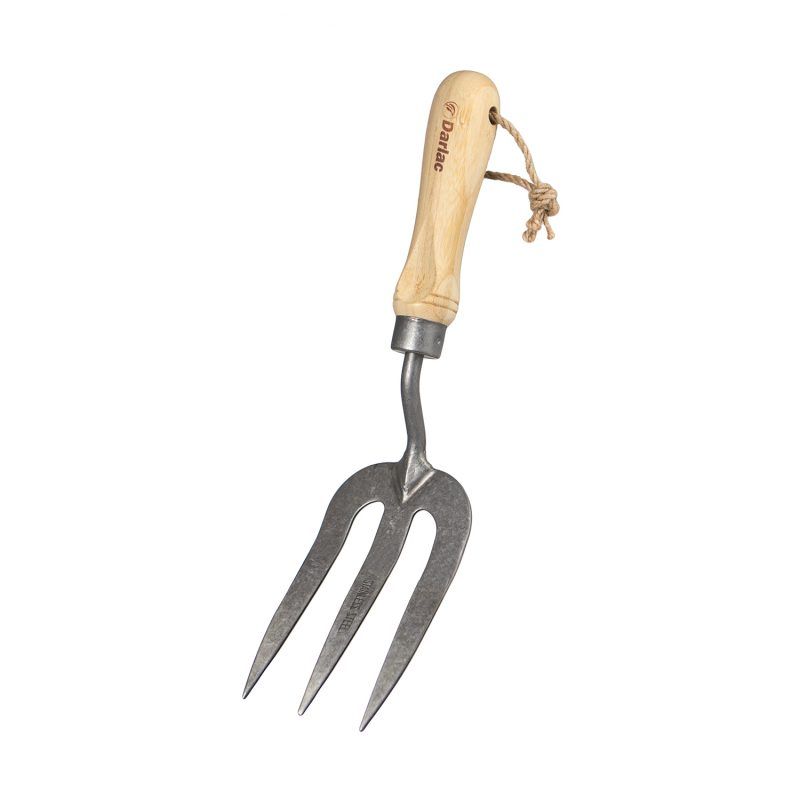
Not all hand weeding forks are created equal. The right tool depends on several factors including soil type, crop spacing, and personal preference. For heavy clay soils, a fork with sturdy, thick tines works best. These can penetrate tough ground without bending. In sandy soils, lighter forks with sharper points might be more effective. Some farmers prefer forks with curved tines because they can reach deeper into soil cracks. Others opt for straight tines for more precise control. Handle length is also crucial. Longer handles provide better leverage and reduce back strain during extended use. Many experienced farmers recommend starting with a basic fork and upgrading as needed. Quality matters more than quantity. A well-made fork will last for decades if properly maintained. Look for tools made from durable materials like steel or hardwood. Check that the tines are securely attached and that the handle fits comfortably in your grip. Some farmers even customize their forks by adding different blade shapes or adjusting tine spacing. The key is finding a tool that feels natural in your hands and suits your specific needs.
Training and Technique Matters
Using a hand weeding fork effectively requires more than just having the right tool. Proper technique makes all the difference in efficiency and effectiveness. The best approach starts with understanding plant biology. Weeds often have shallow root systems that are easier to extract than deep-rooted crops. Farmers learn to identify weeds early before they flower and set seed. This timing is critical for preventing further spread. The technique itself involves inserting the fork at a shallow angle, usually 45 degrees, and then gently rocking it to loosen soil around the roots. Pulling straight up works best for smaller weeds, while larger plants might need a slight twisting motion. Many experienced farmers teach beginners to work systematically, moving through rows methodically rather than randomly. This approach ensures thorough coverage and prevents missed weeds. Practice makes progress. Most farmers spend weeks or months perfecting their technique before feeling truly comfortable. Some farms even offer workshops specifically focused on hand weeding skills. The investment in learning pays off quickly in terms of time saved and reduced crop damage. Remember that consistency is key. Regular weeding, even if just a little each day, prevents weeds from establishing strong root systems.
Environmental Impact and Sustainability
The environmental benefits of hand weeding forks are substantial and measurable. First and foremost, they eliminate the need for synthetic herbicides, which can contaminate groundwater and harm non-target species. This reduction in chemical inputs protects local ecosystems and wildlife. Second, these tools produce zero emissions. No fuel consumption, no electric power required, no manufacturing pollution. Third, the soil protection aspect is crucial. By avoiding soil disturbance, farmers preserve beneficial fungi networks and earthworm populations that are essential for healthy soil. These organisms break down organic matter and improve soil structure naturally. The carbon sequestration potential is also significant. Healthy soils with high organic matter content store more carbon from the atmosphere. This contributes to climate change mitigation efforts. Additionally, hand weeding supports water conservation. Better soil structure means less runoff and more water retention. Many farmers report that their fields retain moisture longer after adopting these practices. The reduced need for irrigation translates directly into water savings. Finally, these tools support local economies by requiring minimal external inputs. They can be purchased locally, repaired easily, and often made by local blacksmiths. This creates a more resilient agricultural system that’s less dependent on global supply chains.
Future Trends and Innovations
While hand weeding forks may seem like ancient technology, there’s actually a surprising amount of innovation happening in this space. Modern designs now incorporate ergonomic improvements that reduce fatigue during long workdays. Some manufacturers are experimenting with new materials that resist rust and wear better. There’s also growing interest in combining traditional hand tools with digital monitoring systems. For instance, some farmers track their weeding progress using mobile apps to optimize timing and coverage. Smart sensors might eventually tell farmers exactly when weeds need attention. However, the fundamental importance of hand tools remains unchanged. The human element is irreplaceable in regenerative farming. Technology can enhance but not replace the skill and judgment required for proper weeding. Future developments are likely to focus on improving tool ergonomics and making them more accessible to diverse farming communities. Education and training programs are expanding globally, helping farmers learn these techniques. There’s also growing recognition among agricultural institutions that these practices deserve more attention and research funding. The trend toward local food systems and sustainability is driving demand for these methods. As more consumers seek environmentally responsible food production, the market for regenerative farming practices continues to grow. This creates opportunities for farmers who adopt these tools and techniques.
The story of hand weeding forks in regenerative farming is ultimately about choice. It’s about farmers choosing to work with the land rather than against it. These simple tools represent a return to fundamentals that many modern agricultural systems have forgotten. They remind us that sustainable farming isn’t about fancy technology or expensive inputs. Sometimes the best solutions are the oldest ones. As we face mounting environmental challenges, the wisdom embedded in these tools becomes increasingly valuable. The hand weeding fork teaches us patience, precision, and respect for the soil’s natural processes. It’s a reminder that true sustainability comes from understanding and working within natural systems. Whether you’re a small-scale gardener or a large farm operator, these principles apply. The path forward is clear: embrace the simple tools that support the health of our planet. The fork may be small, but its impact is enormous. Every weed removed with care, every soil layer preserved, every ecosystem nurtured represents progress toward a more sustainable future. It’s not just about growing food anymore – it’s about growing hope for generations to come. The question isn’t whether we can afford to use these tools, but whether we can afford not to.