Picture this: You’re tending to your garden, tying up tomato plants with biodegradable twine. As seasons change and your garden grows, that twine quietly disappears, leaving behind a richer soil. It’s like watching a gentle magic unfold right before your eyes.
Gardeners have long relied on twine to support their plants, but not all twine is created equal. Traditional synthetic twine might last forever, but compostable garden twine offers something different—a natural lifecycle that works with your garden rather than against it. This isn’t just about keeping plants upright; it’s about creating a sustainable loop where waste becomes wealth. When you choose compostable twine, you’re not just helping your plants—you’re participating in a larger ecological story. The journey from string to soil is fascinating, and understanding it helps us appreciate the small miracles happening beneath our feet.
What Makes Garden Twine Compostable?
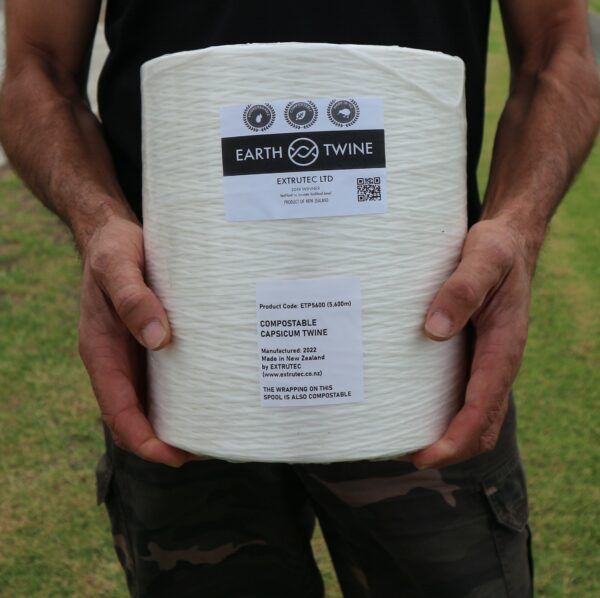
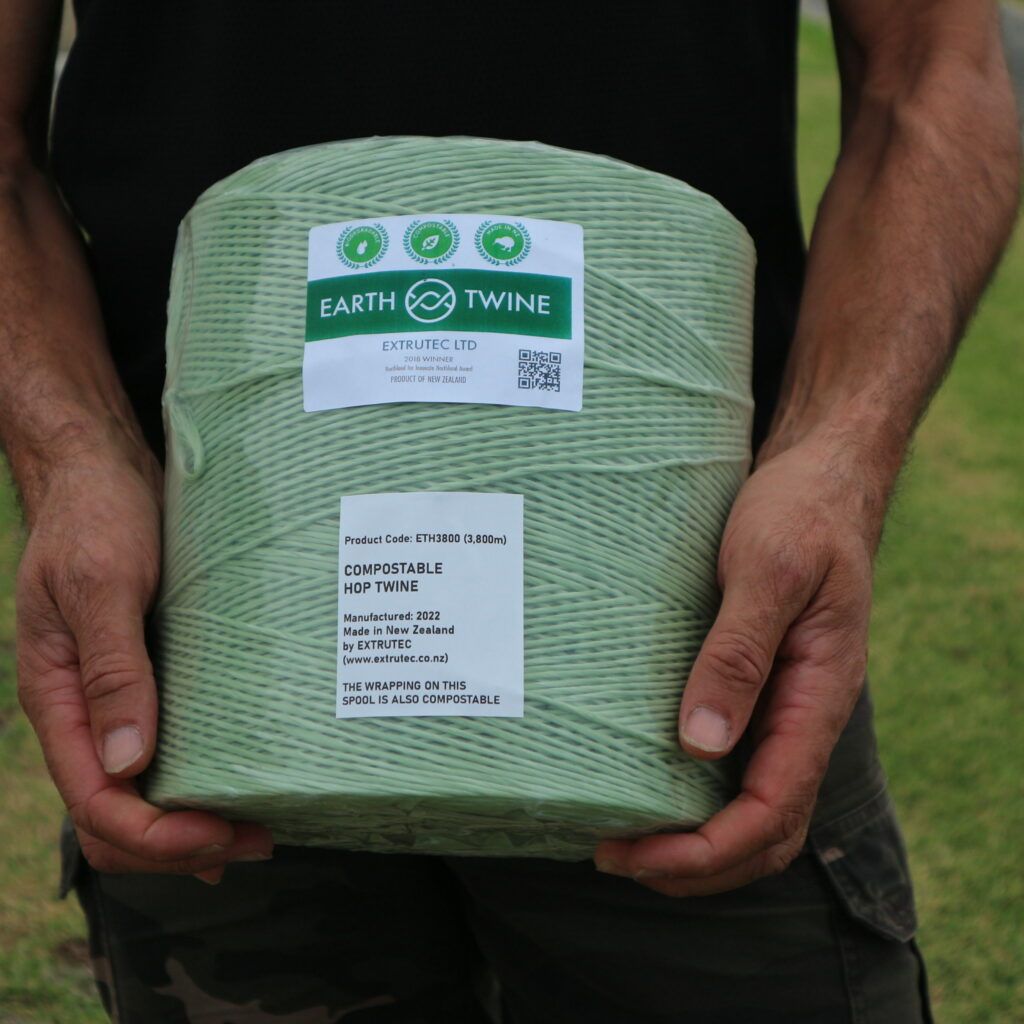
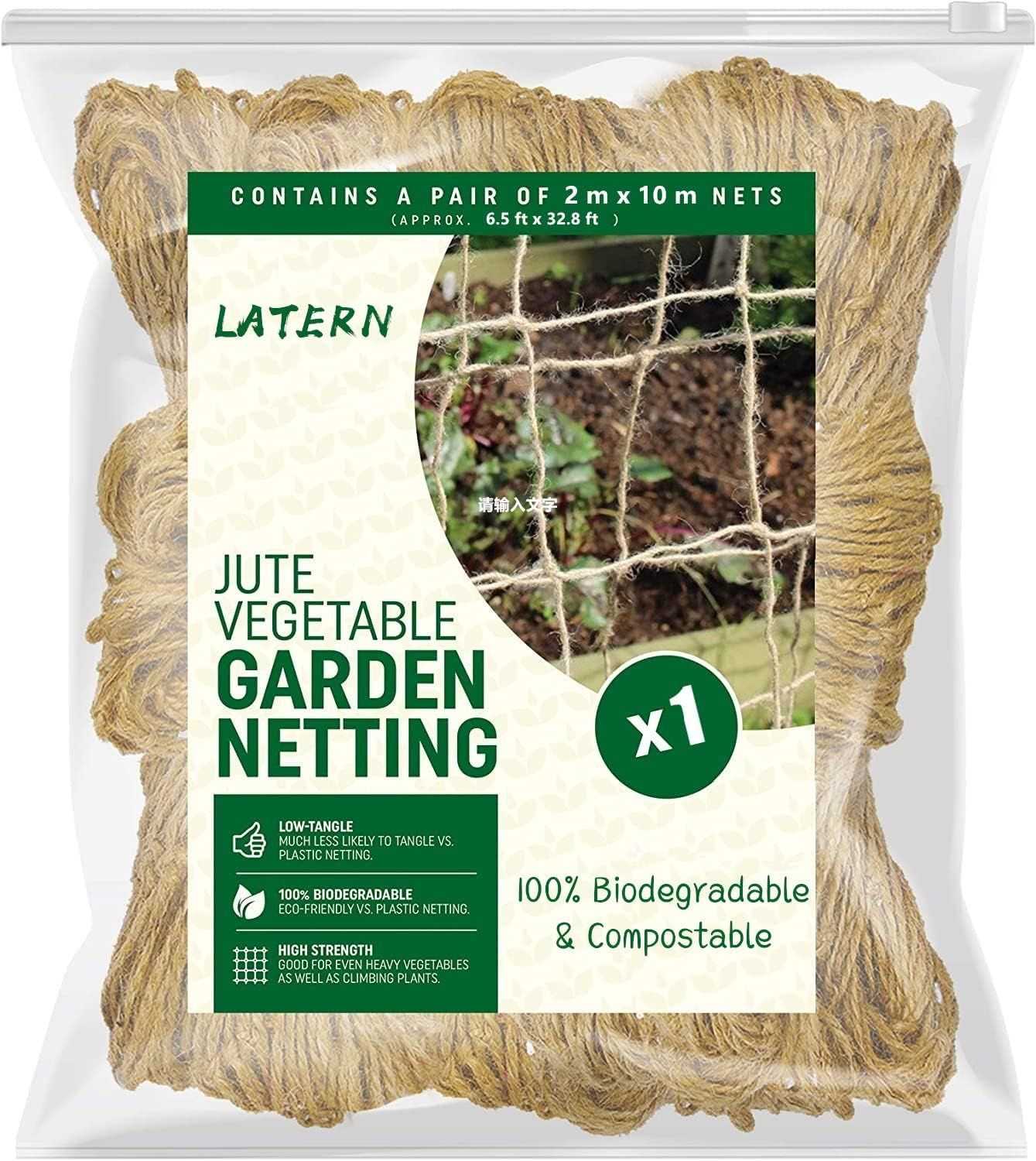
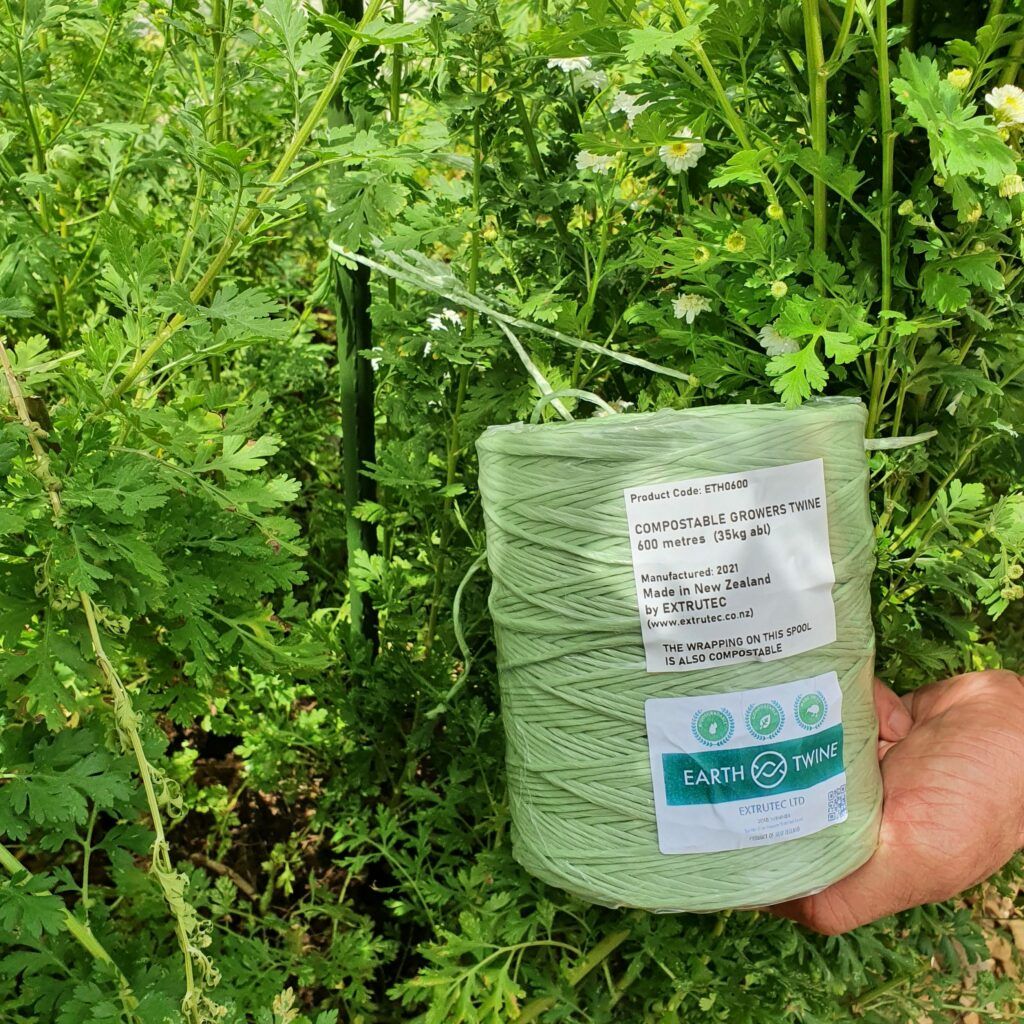
Compostable garden twine is made from natural materials that break down safely in soil conditions. Unlike traditional plastic twine that can persist for decades, compostable varieties are crafted from organic fibers like cotton, hemp, or plant-based polymers. These materials are chosen specifically because they decompose naturally, returning nutrients to the earth. Think of it like choosing between a paper bag and a plastic one for your groceries. Paper breaks down easily and even helps fertilize the soil. That’s exactly what good compostable twine does for your garden. The fibers used often come from sustainable sources, ensuring that every part of the lifecycle supports environmental health. Some twines are made entirely from natural cotton, while others blend plant fibers with biodegradable materials to enhance strength while maintaining compostability.
The Initial Phase: Planting and Setup
When you first use compostable twine in your garden, it’s like giving your plants a gentle handshake. The twine starts its journey as a functional tool, helping to secure stakes, trellises, and plant supports. During this phase, the material is still strong and intact, providing reliable support for your growing plants. You might notice that it feels slightly different from synthetic alternatives—often softer and more natural to the touch. The twine is designed to withstand typical gardening conditions, including weather changes and plant movement. It’s important to remember that during this initial stage, the twine is serving its primary purpose. Your plants rely on it for structure, and it’s doing its job well. Many gardeners find that the natural look of compostable twine adds to the aesthetic appeal of their garden. It blends beautifully with the organic environment and doesn’t create visual disruption.
Growth and Interaction with Plants
As your garden flourishes, the twine becomes part of the living system. Plants grow around and through the twine, creating a natural integration between support and growth. This interaction is crucial because it demonstrates how the twine isn’t just sitting there—it’s actively involved in the garden ecosystem. Sometimes, you’ll see roots gently wrapping around the twine, using it as a foundation for expansion. The twine doesn’t interfere with plant development; instead, it provides stability that allows plants to focus energy on producing leaves, flowers, and fruit. This relationship is beautiful to observe. The twine gradually softens as it interacts with moisture and soil bacteria. You might notice it becoming more pliable over time, almost like it’s preparing for its next phase in the lifecycle. This process happens slowly, which means you don’t need to worry about sudden breakdowns affecting your plants.
The Decomposition Process
Here’s where things get really interesting—the actual breakdown of the twine. This process happens gradually, typically taking anywhere from six months to two years depending on conditions. Moisture, temperature, and soil organisms work together to transform the twine into natural components. Bacteria and fungi in the soil begin breaking down the organic fibers, turning them into simpler compounds. It’s similar to how compost piles work, but on a smaller scale. The decomposition creates a rich environment for beneficial microorganisms, which further enhances soil health. You might notice that areas near decomposing twine have more vibrant soil life. The process is quite natural and doesn’t require special treatment. The twine simply needs time and the right conditions to complete its transformation. Some gardeners even place decomposing twine directly in compost bins to accelerate the process.
Nutrient Release and Soil Enhancement
Once the twine has broken down completely, it becomes a valuable source of organic matter. The decomposition releases nutrients back into the soil, creating a fertile environment for future plantings. Nitrogen, phosphorus, and potassium—all essential elements for healthy plant growth—are slowly released as the twine breaks down. This slow-release mechanism ensures that nutrients are available when plants need them most. The organic matter improves soil structure, helping it retain water and air better. This means healthier root systems and stronger plants overall. Many gardeners report improved soil quality in areas where they’ve used compostable twine regularly. The twine essentially becomes a natural fertilizer, providing nutrients without the need for additional inputs. Some gardeners even notice that their soil becomes darker and more crumbly after several seasons of using compostable twine.
Environmental Impact and Sustainability
Choosing compostable twine makes a positive difference for the planet. Unlike plastic alternatives that can persist for centuries, compostable twine returns to nature without harm. It reduces waste in landfills and supports sustainable gardening practices. This choice aligns with broader environmental goals, from reducing plastic pollution to supporting carbon sequestration. The production of compostable twine typically uses fewer resources and generates less waste than synthetic alternatives. Many manufacturers also use renewable energy sources and sustainable farming practices. This creates a positive cycle where your gardening choices contribute to environmental health. Consider that every piece of compostable twine you use is a small victory in the fight against plastic pollution. It’s not just about your garden anymore—it’s about the broader ecosystem that surrounds it.
The lifecycle of compostable garden twine shows us how small choices can create big impacts. From the moment you tie your first plant to the final decomposition of the twine, you’re participating in a natural cycle that benefits both your garden and the environment. It’s a reminder that gardening isn’t just about growing plants—it’s about nurturing the entire ecosystem around them. Every time you choose compostable twine, you’re investing in a healthier future for your garden and the planet. This simple switch represents a shift toward more sustainable practices that respect both our growing needs and our environmental responsibilities. The next time you tend to your garden, take a moment to appreciate the quiet work happening beneath the surface, where your twine is completing its journey from support to soil enrichment. It’s a beautiful example of how we can live in harmony with nature, even in our smallest gardening decisions.