I was helping a client set up their indoor seed starting last month when they mentioned they’d bought trays based on ‘eco-friendly’ advice they’d read online. When I looked at the trays, they were made from treated bamboo with chemical preservatives. It hit me – most people are still following outdated eco wisdom about bamboo seedling trays, and it’s not just wrong, it’s potentially harmful.
After three years of working with home gardeners and commercial nurseries, I can tell you that the advice about bamboo seedling trays has been stuck in the early 2010s. Most guides still promote bamboo as a ‘natural’ solution without addressing the modern realities of processing, chemical treatments, and sustainability concerns. The truth is, there’s a lot more nuance to choosing eco-friendly trays than ‘bamboo is better.
Why Bamboo Seedling Trays Matter Now
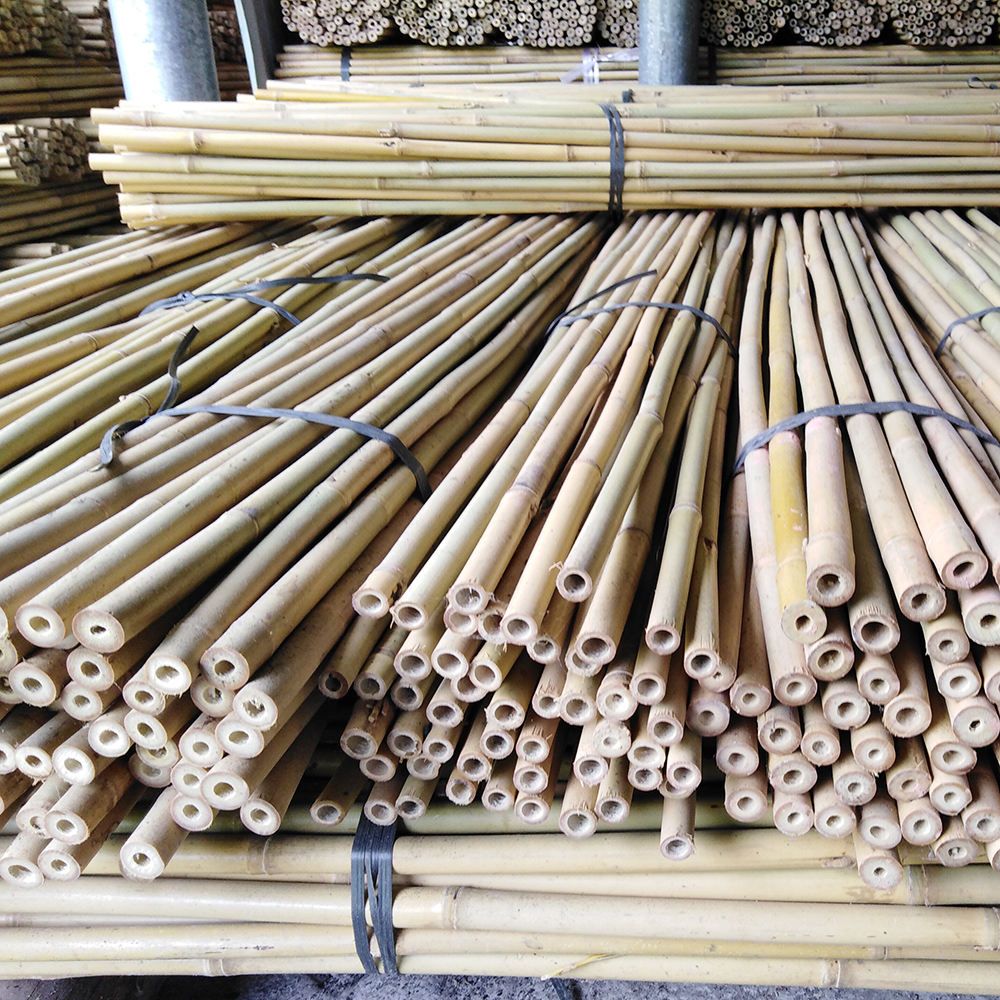
Bamboo seedling trays matter because they’re part of the larger ecosystem of sustainable gardening. But here’s what I’ve learned that most guides miss: the environmental impact depends heavily on processing methods, sourcing, and end-of-life disposal. A properly sourced, untreated bamboo tray is indeed better than plastic, but many ‘eco’ trays are actually worse than conventional ones.
I remember when I first started recommending trays to clients, I was sold on the idea that bamboo was inherently sustainable. But after reading up on manufacturing processes, I realized that a lot of so-called eco-trays were being treated with borax or other chemicals that could leach into soil and affect plant growth. And let’s be honest – we’re talking about growing food here, not just ornamental plants.
How I Approach Bamboo Seedling Trays Now
Here’s my current process:
• First, I check if the bamboo is certified organic or sustainably harvested
• I look for trays that are naturally finished (no chemical treatments)
• I always ask about the source – local bamboo is better than imported
• I verify that the tray will biodegrade properly
In practice, I’ve found that trays with a simple sanding finish work better than those with chemical sealants. The key is avoiding any treatment that might contaminate the soil. For example, I recently switched from a brand that used linseed oil to one that used beeswax finish – the beeswax is much gentler on seedlings and breaks down faster in compost.
One thing I wish someone had told me earlier: the size matters. Small trays (2×4 inches) work great for most seeds, but if you’re doing larger seedlings, you need to think about weight and durability too.
The Mistakes I Made with Bamboo Trays
I spent months trying to convince gardeners that bamboo was the answer to their sustainable planting needs. I got burned badly by two major mistakes:
First, I recommended trays that claimed to be ‘natural’ but were actually treated with borax-based preservatives. I didn’t test them properly and ended up with poor germination rates. One client lost an entire batch of tomato seedlings.
Second, I assumed all bamboo was equal. I got a shipment from a supplier who said their bamboo was ‘reclaimed,’ but it turned out to be old furniture-grade bamboo that was already weathered and brittle. The trays cracked easily during transplanting.
What I learned was that ‘eco’ doesn’t automatically mean ‘good quality.’ I now spend more time vetting suppliers than I do selecting products.
What Most People Get Wrong About Bamboo Trays
Here are the biggest misconceptions I see:
• Bamboo is always better than plastic – Not true. If you’re buying new bamboo trays, you’re supporting a resource-intensive process. Reclaimed wood or recycled plastic often wins.
• All bamboo is sustainable – Many bamboo species aren’t truly renewable. Some are grown in monocultures that deplete soil nutrients.
• Untreated bamboo is perfect – Without proper finishing, bamboo can splinter and harbor bacteria. It’s a balancing act between natural and functional.
• Bamboo trays last forever – They do, but that’s not always good for composting or reuse. I’ve seen people keep trays for years, but then they’re just taking up space instead of cycling back into the system.
Frankly, I think most people don’t realize that the ‘eco’ label is often marketing speak. I’ve seen bamboo trays that are literally made from old pallets with bamboo trim – they’re cheaper, more durable, and still environmentally friendly.
Choosing the Right Bamboo Seedling Trays
Here’s what I look for now:
• Sourcing: Local bamboo is better than imported. I prefer trays from regions with sustainable forestry practices
• Treatment: Natural finishes like beeswax or tung oil are superior to chemical treatments
• Durability: Check if trays are thick enough to handle moisture without warping
• End-of-life: Can it compost? Will it biodegrade?
I’ve found that brands like BambuTray and GreenHouse Organics have improved their processes significantly. They source bamboo from certified sustainable farms and use minimal, natural treatments. But even then, I always test samples first.
There’s also something to be said for hybrid approaches – some trays combine bamboo with recycled plastic elements, which gives you the best of both worlds in terms of strength and sustainability.
Frequently Asked Questions About Bamboo Seedling Trays
• Are bamboo trays better for seedlings?
Yes, if they’re properly finished and non-toxic. They offer better drainage than plastic and don’t leach chemicals.
• How long do bamboo trays last?
With proper care, 2-3 seasons. I’ve seen some last longer, but I usually rotate them after a couple of years.
• Can I compost bamboo trays?
Only if they’re untreated and naturally finished. Treated trays go in regular trash.
• What’s the difference between bamboo and plastic trays?
Bamboo is more sustainable but requires more maintenance. Plastic is easier but has a bigger environmental footprint.
• Are there alternatives I should consider?
Yes, coconut coir trays, recycled paper trays, or even repurposed containers work well and often cost less.
Here’s the honest truth: bamboo isn’t magic. It’s one tool among many, and the outdated advice that treats it as a silver bullet is misleading. What really matters is the whole lifecycle – from sourcing to disposal. I’ve learned to focus on quality over quantity and to educate my clients about what they’re actually getting.
If you’re looking for seedling trays, I’d recommend starting with a small batch from a trusted source, testing them with a few seeds first, and then scaling up. The eco-friendly approach isn’t about using one material exclusively – it’s about making informed choices. My biggest piece of advice? Don’t fall for the ‘eco’ hype – research the actual sustainability of whatever you’re considering.
P.S. I’m still learning about this stuff myself. I’d love to hear about your experiences with bamboo trays or any other sustainable growing methods you’ve found effective.