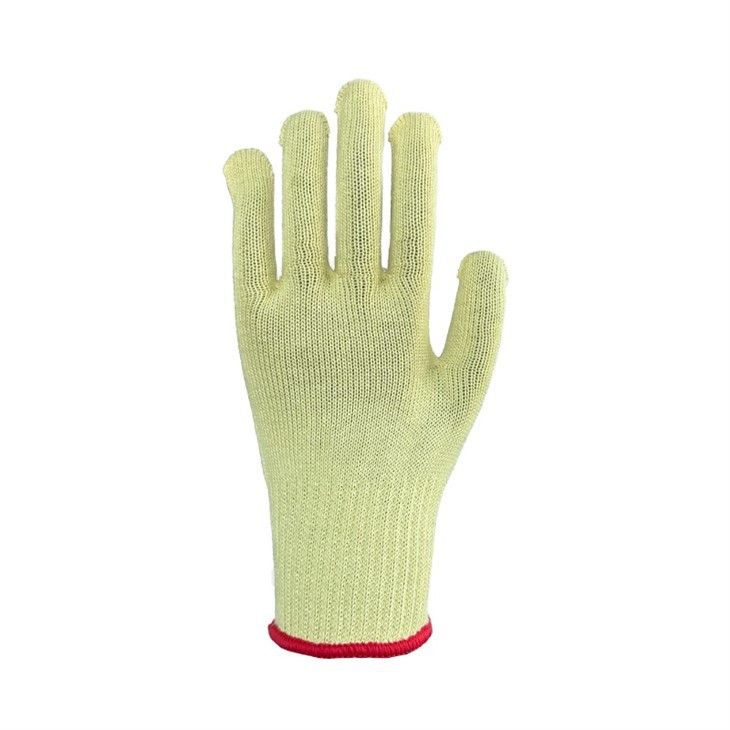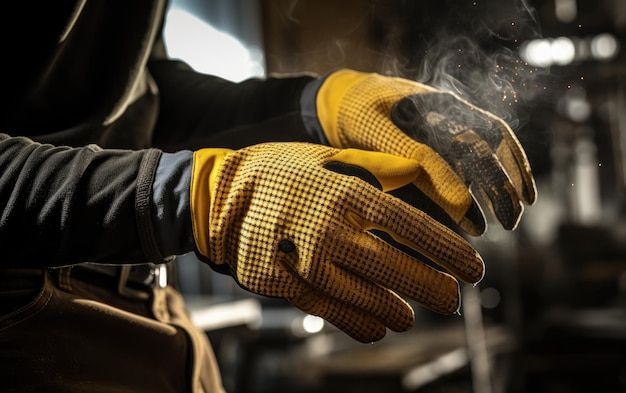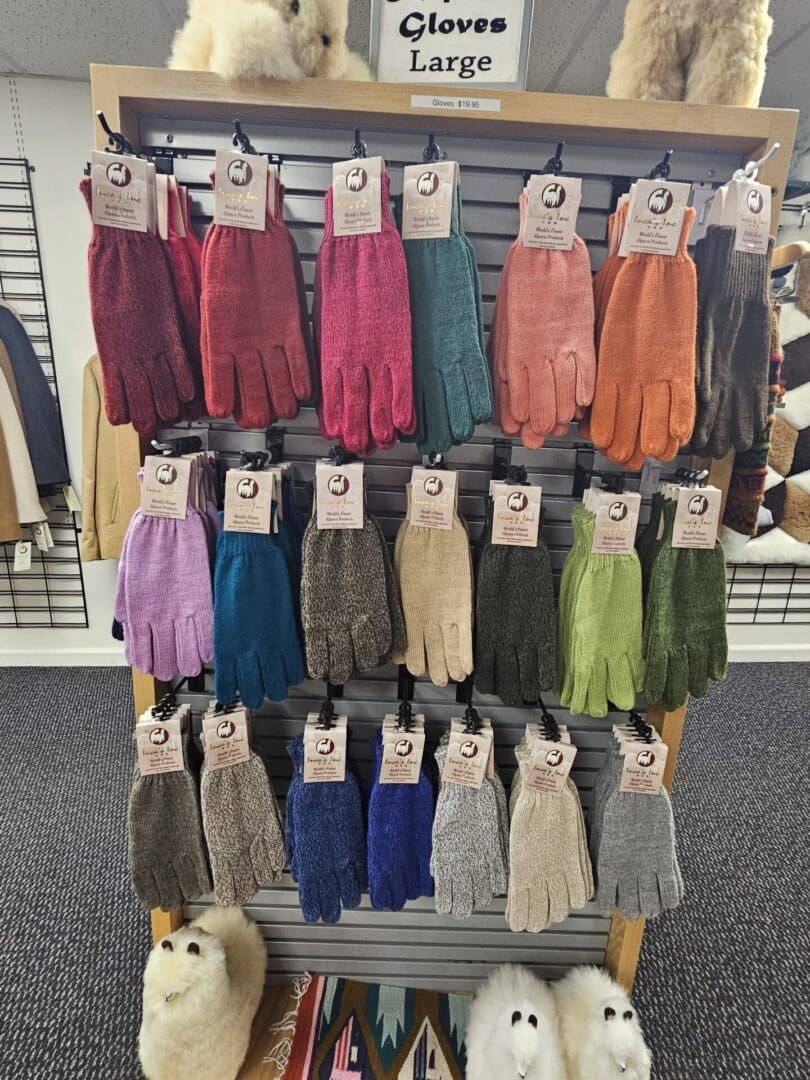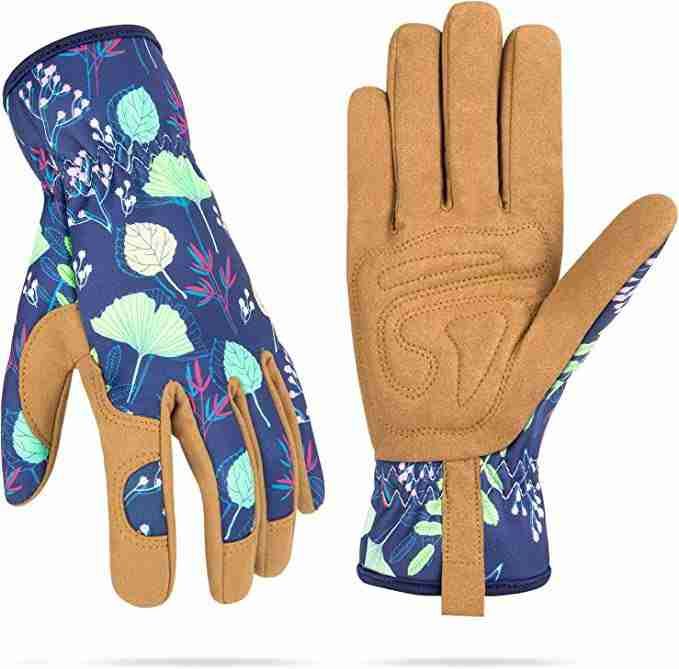
I was helping a neighbor fix her garden last spring when she pulled out a pair of those ‘natural fiber’ gloves she’d bought online. They looked great in the store – canvas and cotton blend, supposedly breathable and durable. But by noon, her hands were raw and blistered. That’s when I realized most people just don’t understand what makes natural fiber gloves work (or not work).
I’ve been gardening for over fifteen years now, and I’ve worn countless pairs of garden gloves. When I started using natural fiber gloves specifically, I thought I had cracked the code for comfort and protection. The truth is, there’s more to natural fiber garden gloves than meets the eye. Many people buy into the marketing hype without understanding what actually makes a glove good for garden work. It’s not just about being ‘natural’ – it’s about the construction, the materials, and how well they handle the realities of soil, thorns, and weather.
Why Natural Fiber Garden Gloves Matter
Natural fiber gloves aren’t just about being eco-friendly or trendy. In my experience, they matter because they offer a unique combination of breathability and durability that synthetic alternatives often can’t match. I remember working in my vegetable patch last summer – it was 95 degrees outside and I was digging compost into raised beds. My natural fiber gloves kept my hands cool while protecting against the sharp edges of stones and the rough texture of the soil. They also handled the constant wetness from watering without becoming soggy or losing their grip. The key is finding the right blend – not just any natural fiber will do.
How I Approach Natural Fiber Garden Gloves
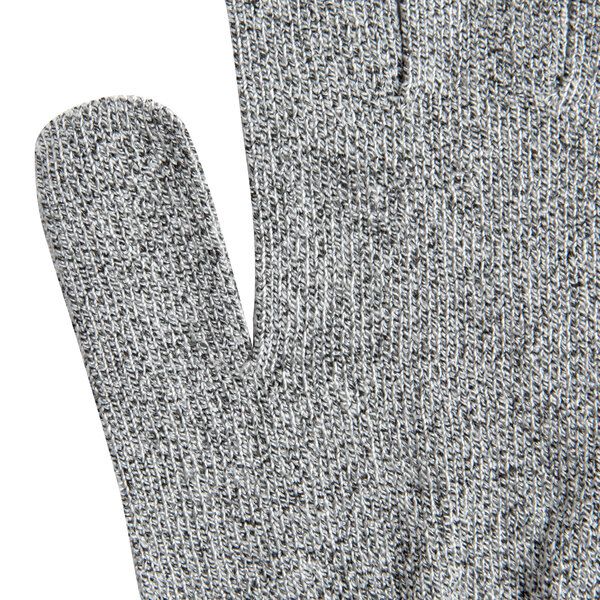
When I’m shopping for natural fiber gloves, I look at three main factors: material composition, construction quality, and intended use. For heavy-duty work, I prefer gloves made from a blend of cotton and canvas – the cotton provides softness against skin while the canvas adds strength. I always check that the stitching is reinforced at stress points, especially around the fingers and palms. I’ve learned that gloves with a slight stretch are better than rigid ones, even though they might feel less protective initially. The fit matters more than the price tag, so I try them on before buying. I’ve also found that gloves with reinforced fingertips and palms last much longer than those that don’t have extra padding in high-wear areas.
The Mistakes I Made with Natural Fiber Garden Gloves
Early on, I made the mistake of thinking that all natural fiber gloves were created equal. I bought a cheap set from a big box store that claimed to be organic cotton – it lasted maybe two weeks before the fibers started breaking down. Then I got too caught up in the ‘eco-friendly’ angle and ignored durability. There’s a difference between being sustainable and being practical. I also used to avoid gloves that felt too tight or restrictive, but I learned that proper sizing is crucial for both comfort and protection. The first pair I bought that fit correctly was actually a bit snug, but it gave me the dexterity I needed while keeping my hands protected. I wish someone had told me that the right gloves can actually make gardening easier, not harder.
What Most People Get Wrong About Natural Fiber Garden Gloves
Frankly, I think most people assume that natural fiber gloves are just ‘better’ without understanding what they’re actually designed for. A lot of gardeners buy them expecting the same level of protection as synthetic gloves, but they’re missing the point. Natural fibers absorb moisture differently, which means they might feel wet sooner than synthetic options. Also, many people don’t realize that natural fiber gloves require a bit more maintenance – they need to be washed properly and sometimes treated to maintain their effectiveness. I’ve seen gardeners throw away perfectly good gloves after a few months just because they didn’t know how to care for them properly. And here’s something that surprises people: some natural fiber gloves actually become more comfortable with wear, but only if you give them time to mold to your hand shape.
Choosing the Right Natural Fiber Garden Gloves
I’ve tested dozens of natural fiber options over the years, and here’s what I’ve learned: look for gloves with a cotton canvas blend for versatility, reinforced palm areas, and breathable mesh panels where appropriate. I prefer gloves that are labeled as ‘work gloves’ rather than just ‘garden gloves’ – that usually means they’re built for actual labor, not just pretty appearances. The price range varies widely, but I’ve found that anything under $20 tends to disappoint quickly. I’ve had good luck with brands like Tool Time and Gardy’s Choice, though I always check reviews for the specific style I want. I also recommend buying a pair that’s slightly larger than your usual size if you plan to wear them for extended periods, as they’ll stretch to fit properly over time.
Frequently Asked Questions About Natural Fiber Garden Gloves
• How do I care for natural fiber gloves?
I wash mine in cold water with mild detergent and air dry them completely. Never put them in the dryer – it shrinks the cotton fibers.
• Are natural fiber gloves waterproof?
Not really. They’re water-resistant but not waterproof. I use them for light rain, but not heavy downpours.
• Do they last longer than synthetic gloves?
They can, but only if you take care of them properly. Synthetic gloves might last longer if you don’t wash them regularly.
• Can I use them for all types of garden work?
They work well for most tasks, but I still use leather gloves for heavy pruning and thick branches.
• How often should I replace them?
I get about 6 months to a year out of a good pair with regular use, depending on how harsh the conditions are.
Looking back, I’ve learned that natural fiber garden gloves are a personal choice based on your specific gardening needs. They’re not magic – they require the right selection, proper care, and realistic expectations. The key isn’t just buying the ‘right’ type, but understanding how your hands work with them. If you’re still struggling with your current gloves, try adjusting your expectations and maybe investing in a better quality pair. I promise, once you find the right fit, you’ll wonder why you ever settled for anything else. My advice? Don’t buy your first pair online – go to a garden store and test several different styles. You’ll save yourself a lot of frustration in the long run.