Every homeowner dreams of having a space outside that feels just as welcoming and useful as the inside of their house. But creating that perfect outdoor sanctuary isn’t just about aesthetics. It’s about crafting functional areas that truly enhance your living experience. What if you could have a place to relax after work, entertain guests, or even work from home without leaving your property? The magic happens when you thoughtfully plan your outdoor spaces to complement your indoor lifestyle.
Outdoor spaces often get overlooked in home design conversations. Yet they represent some of our most versatile and valuable assets. Whether you have a sprawling backyard or a tiny patio, the potential for creating meaningful outdoor areas is enormous. Think about it – when was the last time you really enjoyed your outdoor space? Was it for a weekend barbecue, a quiet morning coffee, or maybe a family game night under the stars? The key lies in understanding how to properly integrate function with form. This guide will walk you through the essential elements that transform a simple yard into a true extension of your home. You’ll discover practical strategies that anyone can implement, regardless of budget or space constraints.
Understanding Your Outdoor Needs
Before diving into design decisions, take a step back and honestly assess what you want to accomplish with your outdoor space. Are you looking for a quiet retreat, a bustling entertainment area, or perhaps a place for kids to play? Consider your lifestyle and daily routines. Do you prefer morning sunlight or evening shade? Do you entertain frequently or mostly enjoy solitude? These questions help determine the foundation of your outdoor planning. For example, if you work from home, you might need a dedicated outdoor workspace. If you love cooking, a well-designed kitchen area outdoors could be a game-changer. Sometimes, people overlook the obvious needs – like storage for outdoor furniture or proper lighting for evening use. Take note of how you currently use your outdoor areas, or lack thereof. What frustrates you most about your current setup? What would make your outdoor life better? Answering these questions creates a roadmap for your project.
Maximizing Limited Space Effectively
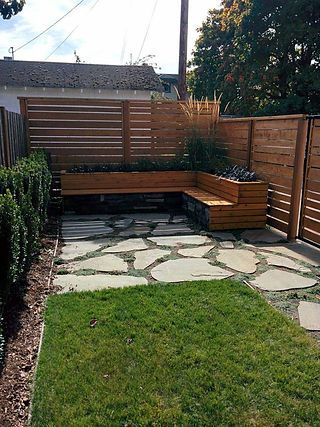
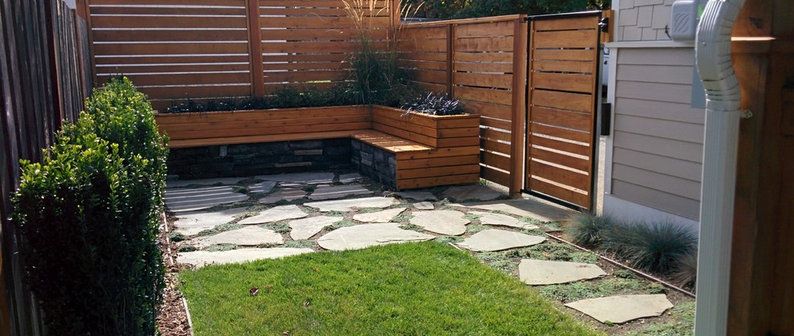
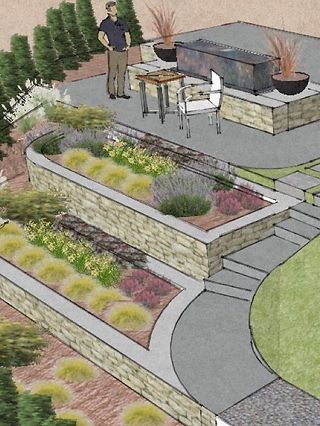
Not everyone has acres of land to work with. Many of us live in apartments, townhouses, or homes with small yards. But size doesn’t determine success. Clever design solutions can make the most of any space. Vertical gardening transforms walls into productive green areas. Multi-functional furniture saves space while providing multiple uses. Consider built-in seating that doubles as storage. A small balcony can become a cozy dining area with a folding table and chairs. The key is thinking beyond traditional layouts. Instead of trying to fit everything into one big area, create several smaller zones for different activities. One corner might serve as a reading nook with a small table and chair. Another could be a fire pit area for gatherings. When space is limited, every square foot matters. Focus on creating areas that feel intentional rather than scattered. Sometimes, a few carefully chosen elements create more impact than a cluttered approach. The goal is to make the most of what you have without feeling cramped or overwhelmed.
Creating Comfortable Seating Areas
Seating arrangements form the heart of any outdoor gathering space. The right chairs, benches, and lounges can make all the difference between a functional area and a place that feels inviting. Start with comfort – you want people to want to stay. Look for weather-resistant materials that can handle various conditions. Cushions add both comfort and style. Don’t forget about practicality too. Consider how many people will typically use the area. A small bistro set works great for two, while a larger sectional might suit families or frequent entertainers. The placement matters too. Position seating to take advantage of natural views or shade. A conversation area facing a garden creates a peaceful atmosphere. Also consider privacy. Adding screens, plants, or fences can create intimate spaces within larger areas. Sometimes a simple umbrella or canopy provides enough shelter for casual use. Remember, people spend more time outdoors when they feel comfortable. The right seating arrangement makes that possible.
Designing for Practical Functionality
Great outdoor spaces aren’t just pretty – they must work well. Think about how you actually use your space. Is there a designated area for food prep? Do you need somewhere to store outdoor gear? Will you be hosting events regularly? Practical considerations should drive your design choices. Storage solutions are crucial. Built-in cabinets, covered storage areas, or even attractive sheds can keep your space tidy. Lighting plays a dual role – it provides safety and sets the mood. Solar lights are becoming popular because they’re easy to install and energy efficient. Consider adding outlets for charging devices or powering small appliances. A well-thought-out layout prevents chaos. If you’re entertaining, ensure there’s adequate room for movement. The kitchen area should be close to the dining space. Everything should flow naturally from one zone to another. Sometimes people overcomplicate things. A simple, clean design often works better than overly complex solutions. Focus on what truly matters for your lifestyle and build around those priorities.
Incorporating Natural Elements
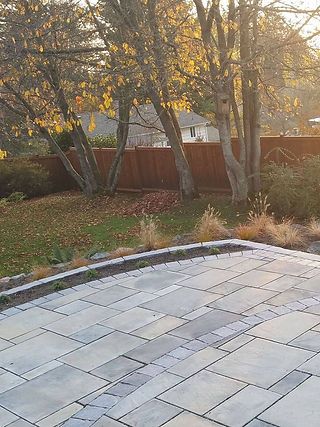
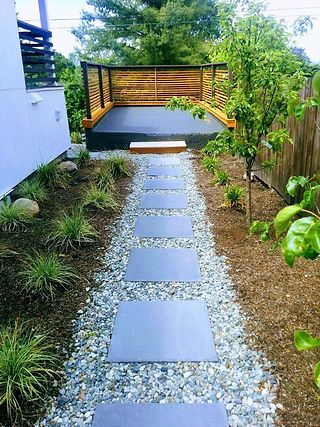
Nature brings life to any outdoor space. Plants, water features, and natural materials create a sense of calm and connection to the environment. Choose plants that match your climate and maintenance abilities. Some people thrive with high-maintenance gardens, while others prefer low-care options. Native plants often require less water and care, making them smart choices for busy homeowners. Water features, even small ones like birdbaths or fountains, add soothing sounds that enhance relaxation. Stone pathways, wooden decks, or brick patios create visual interest and define spaces. These elements help tie together different areas of your outdoor space. They also provide texture that makes the whole area feel more interesting. Don’t forget about textures in furniture and accessories. Combining smooth stone with soft cushions creates visual balance. Natural elements also tend to age gracefully, so they maintain their appeal over time. The key is choosing elements that reflect your personal style while fitting the overall environment. What nature-inspired features resonate with you? Start with one or two elements and build from there.
Lighting and Ambiance for Year-Round Use
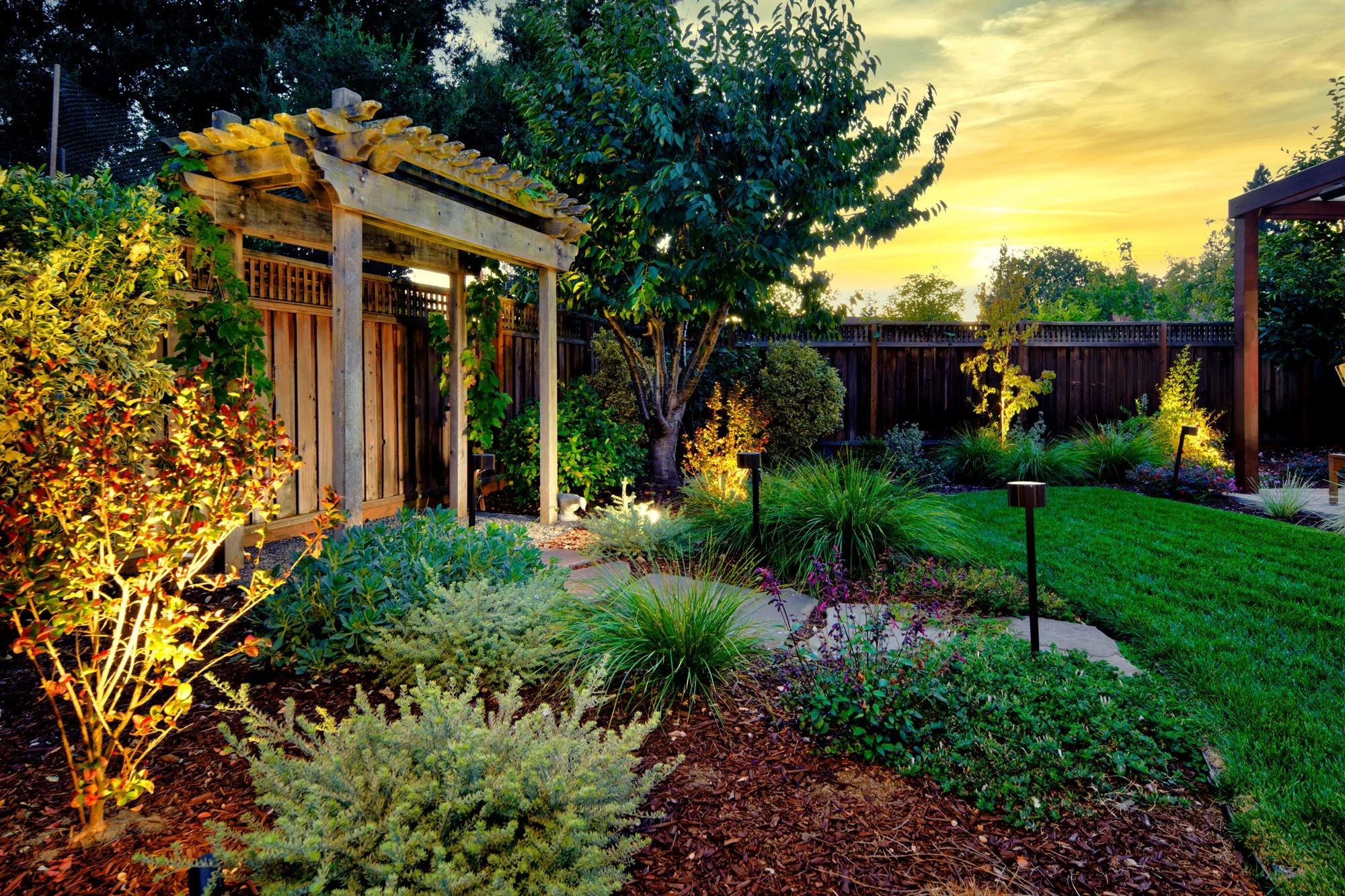
Proper lighting extends your outdoor enjoyment well into evening hours. It’s not just about visibility – good lighting creates atmosphere and enhances safety. Layer your lighting approach with different types of illumination. Task lighting helps with specific activities like reading or preparing food. Ambient lighting provides general illumination for the entire space. Accent lighting highlights special features like trees, sculptures, or architectural elements. Consider dimmer switches to adjust the mood. LED options are energy efficient and long-lasting. Solar-powered lights offer convenience without electrical wiring. String lights can create a magical atmosphere for parties or casual evenings. Pathway lighting ensures safe navigation after dark. Think about how you want to use your space during different seasons. Some areas may benefit from more dramatic lighting during winter months. Others might need softer, warmer tones. The right lighting strategy can make a small space feel larger and more inviting. It can also provide security and safety. Don’t underestimate how much lighting affects your overall outdoor experience.
Creating functional outdoor spaces is ultimately about designing for real life, not just idealized scenarios. The best outdoor areas reflect your personality and support your actual lifestyle needs. Whether you have a large estate or a tiny balcony, thoughtful planning can transform any space into something you genuinely enjoy using. Remember, you don’t need expensive materials or professional help to start. Begin with small changes that make a difference. Add a comfortable chair, plant some flowers, or improve your lighting. These small steps compound over time to create significant improvements. The goal isn’t perfection but functionality that enhances your daily routine. Your outdoor space should feel like a natural continuation of your home, not a separate entity. With careful consideration of your needs, smart use of available space, and attention to comfort and practicality, you can create an outdoor environment that truly serves you. What aspects of your outdoor space do you want to tackle first? Start there, and let the transformation begin.