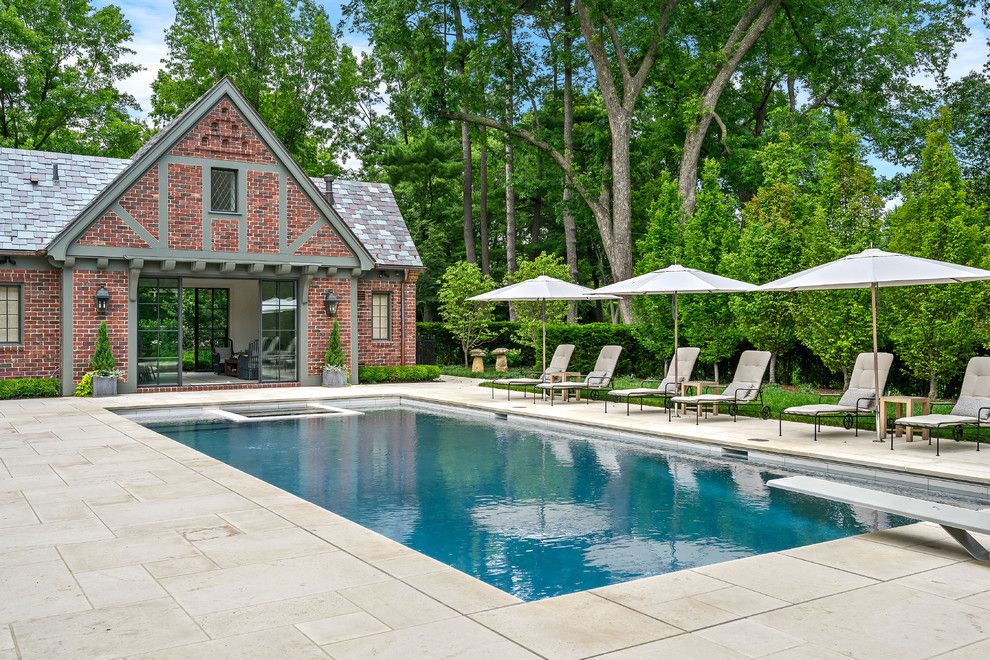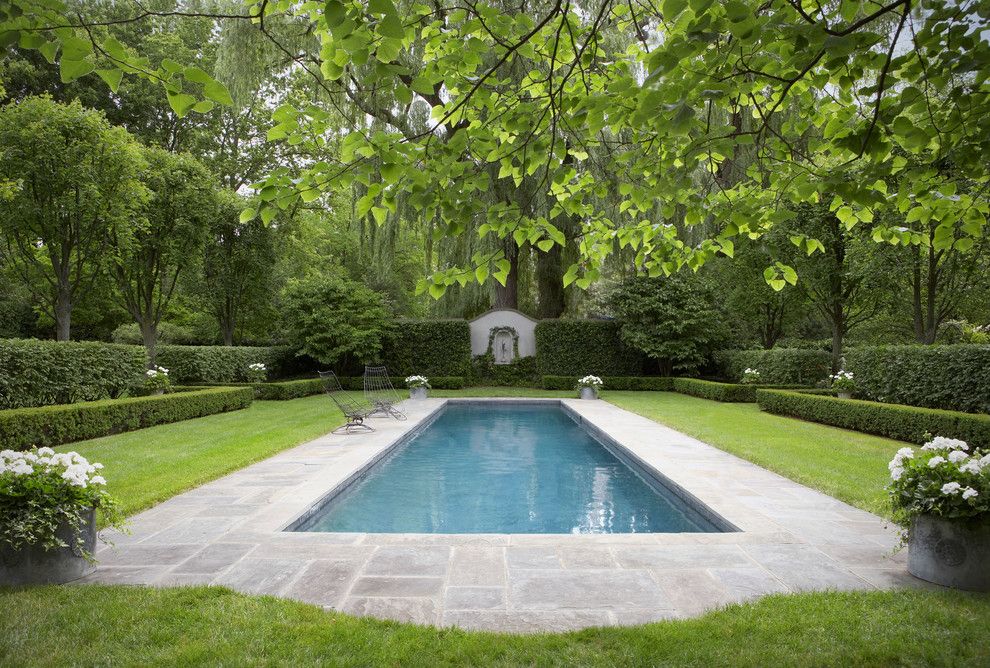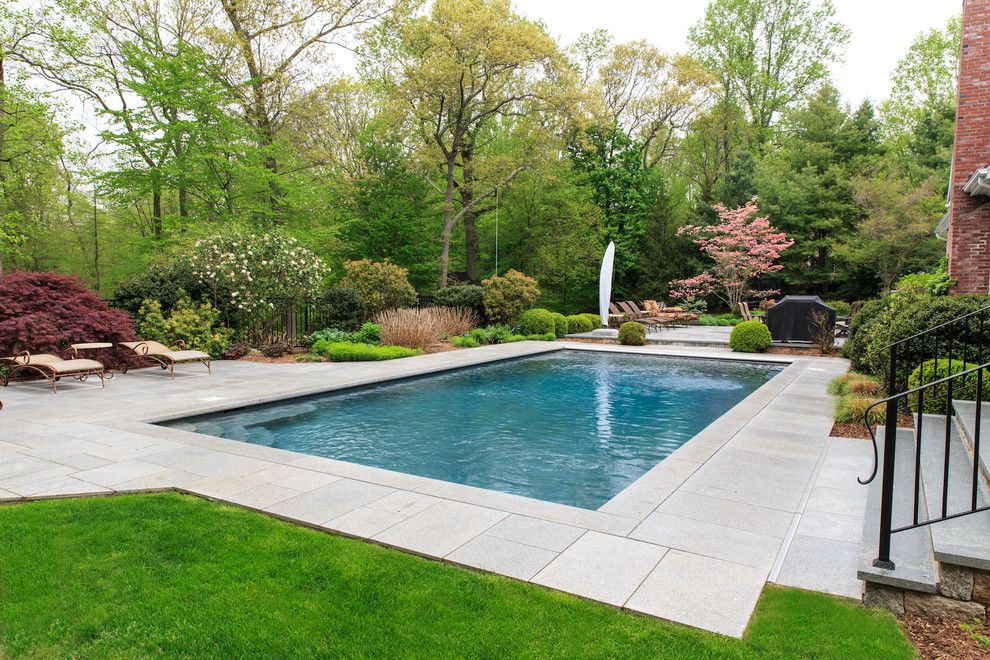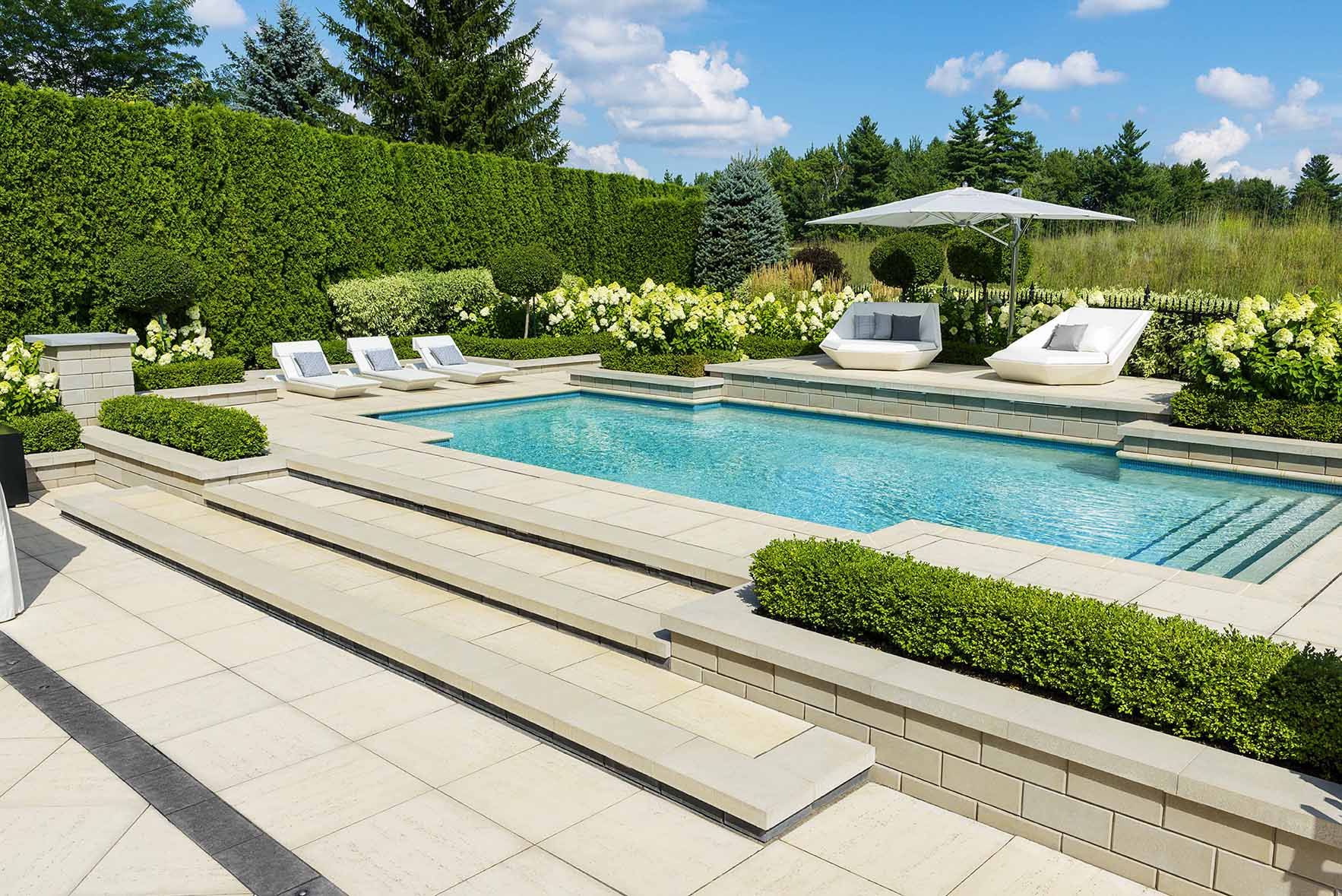
There’s something magical about a well-designed English garden. It’s the kind of space that makes you want to linger, sip tea, and forget about the world outside. When you combine that classic charm with a sparkling pool, you create something truly special. The secret lies in understanding how to blend traditional English garden elements with modern pool features in a way that feels seamless and harmonious.
Imagine stepping off your pool deck onto a lush, verdant space filled with fragrant blooms, winding paths, and the gentle sound of water. This isn’t just a dream – it’s entirely achievable when you know how to design a classic English garden that works perfectly with your pool. These gardens have been captivating homeowners for centuries, and their appeal remains as strong today as ever. The key isn’t just about planting flowers or creating neat borders. It’s about crafting a complete sensory experience that makes your pool area feel like a peaceful retreat rather than just a place to swim.
Understanding the Essence of English Garden Design
Classic English gardens aren’t just about pretty flowers. They’re about creating spaces that feel alive, natural, and perfectly balanced. Think of them as living paintings with layers of texture, color, and interest. The heart of English gardening lies in its romantic sensibility and its ability to embrace both wildness and order. When designing around a pool, you want to honor these principles while ensuring everything flows together naturally. Consider the old English tradition of creating different areas within one space – perhaps a formal section near the pool and a more relaxed, informal corner further away. This creates variety without feeling chaotic.
Choosing the Right Plants for Your Pool Area
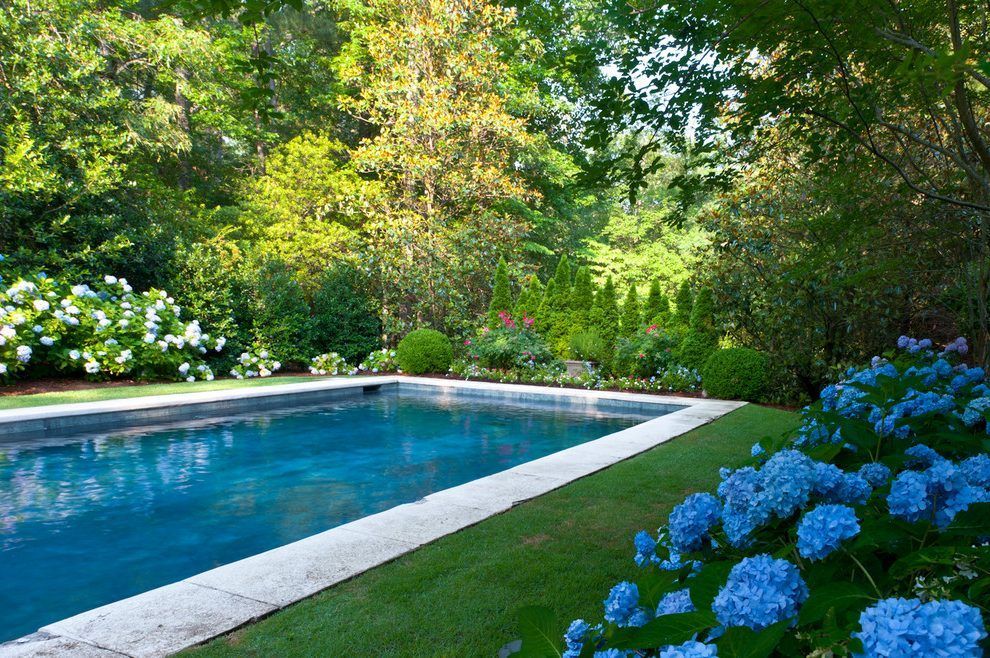
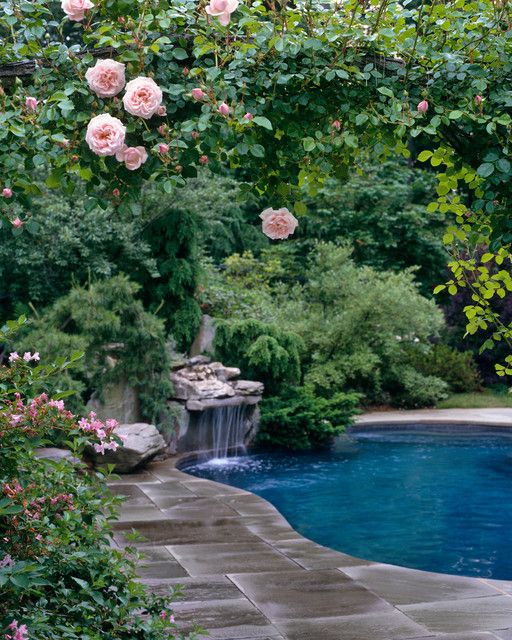
Plant selection is crucial when combining English garden aesthetics with poolside design. You want plants that will thrive in the humid environment around pools while also providing the right visual impact. Roses are a classic choice, but they need plenty of sun and good drainage. Lavender adds a wonderful fragrance and works beautifully in containers. For those who prefer something more dramatic, consider ornamental grasses that sway gently in the breeze. Think about layering plants: taller specimens at the back, medium heights in the middle, and low-growing ground covers at the front. This creates depth and dimension that makes your space feel more sophisticated. Also remember that many English gardens feature plants that bloom at different times, so you’ll have interest year-round.
Creating Natural Boundaries Around Your Pool
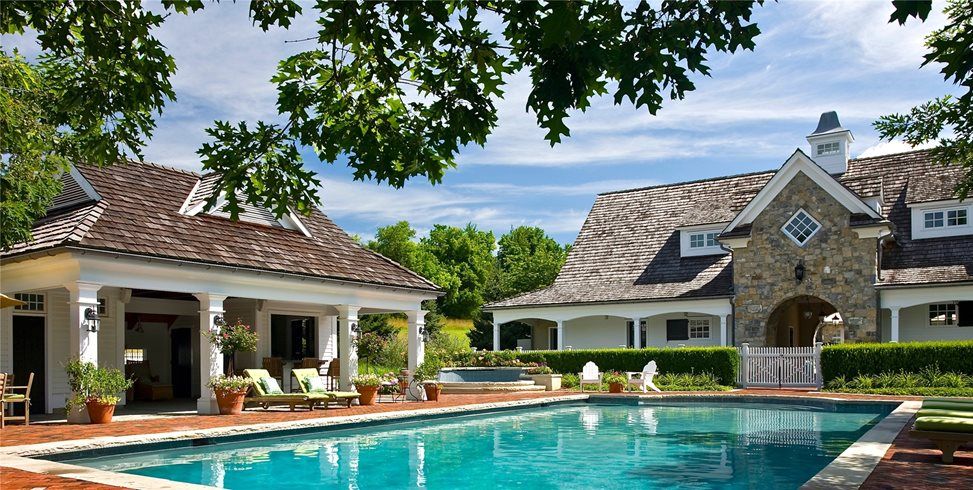
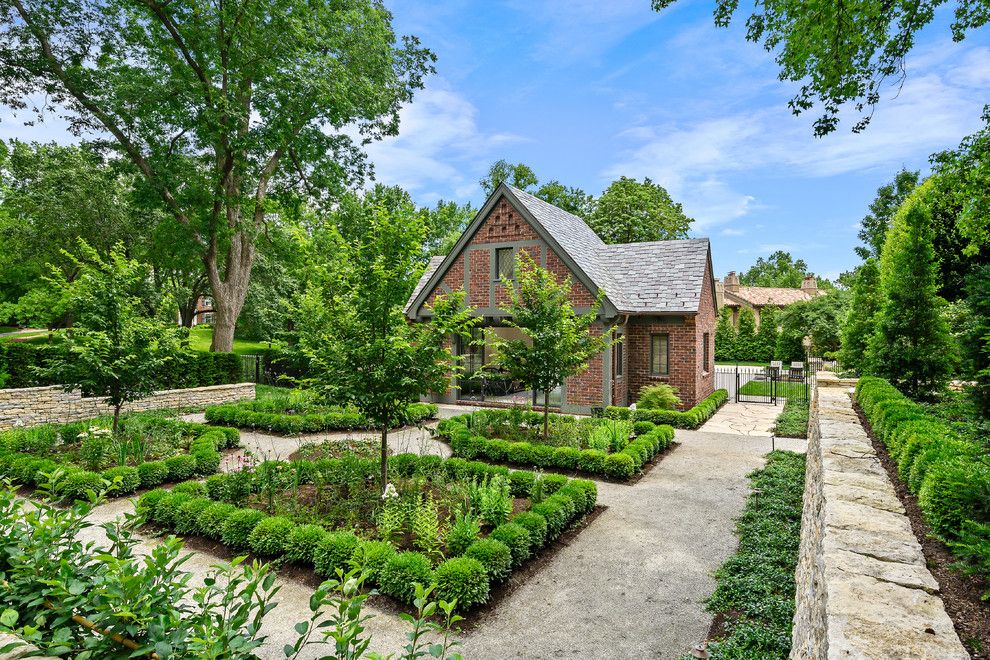
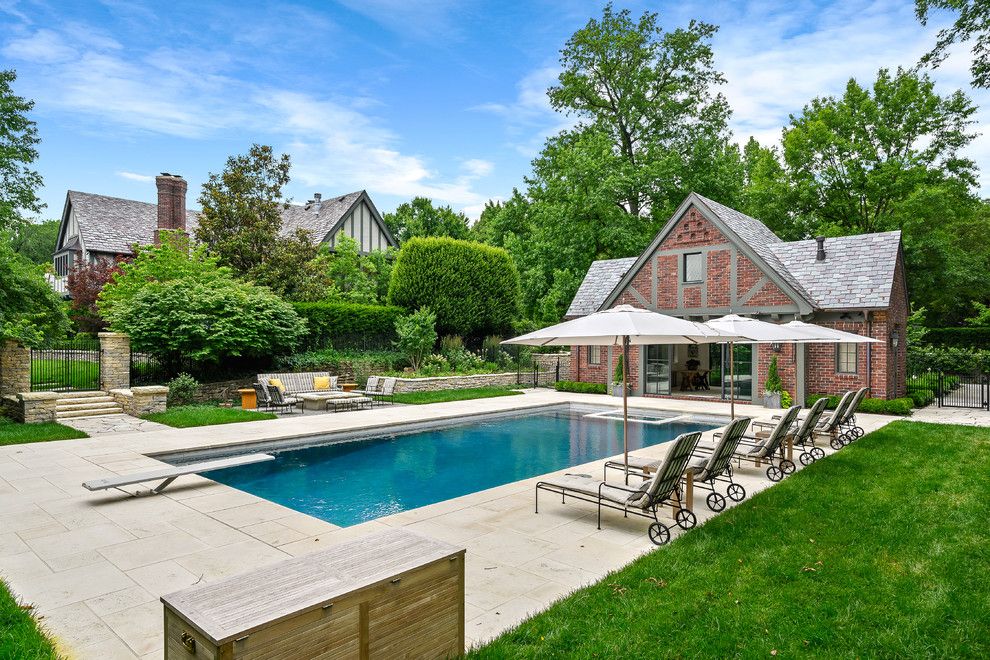
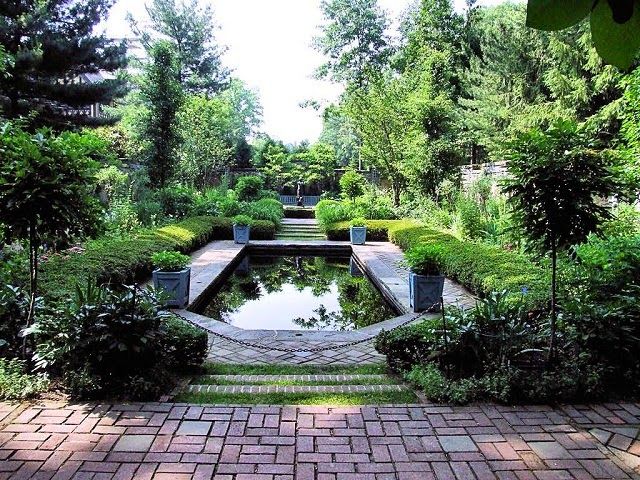
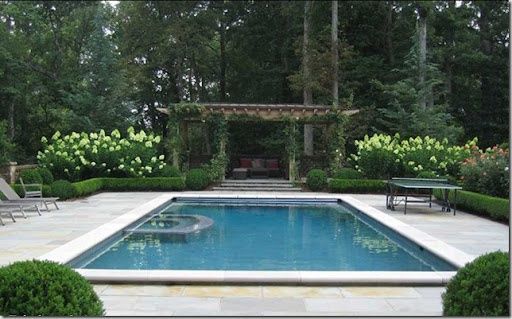
One of the most important aspects of integrating a pool with English garden design is establishing natural boundaries. These aren’t just physical barriers – they’re visual transitions that help your garden feel cohesive. Hedges make excellent natural walls, especially if you choose varieties like boxwood or yew that can be trimmed into formal shapes. Stone walls or retaining walls can also work wonderfully, adding both structure and character. Consider using plantings to define different zones – perhaps a formal flower bed next to the pool and a more casual seating area beyond. The goal is to make it look like the garden just naturally continues around your pool rather than being artificially added.
Incorporating Water Features and Fountains
Water is fundamental to English garden design, and it brings a sense of peace and tranquility that complements pool areas perfectly. A small fountain or birdbath near your pool can add both visual interest and soothing sounds. These water features don’t have to be elaborate – even a simple stone basin with a small waterfall can transform your space. The trick is choosing features that won’t interfere with pool maintenance while still creating that classic English atmosphere. Consider positioning water features where they can reflect light from your pool, creating a magical effect during evening hours. Many successful English gardens incorporate multiple water elements, from streams to ponds, but start small and build up gradually.
Designing Pathways and Seating Areas
Paths in English gardens serve more than just practical purposes – they guide visitors through the space and create a sense of journey. Cobblestones or natural stone pathways work particularly well around pools, offering both durability and that classic English feel. You might want to create meandering paths that lead from the pool area to different garden features. Seating areas are equally important. A traditional English garden needs places to sit and enjoy the view. Whether it’s a classic wrought iron bench or a more modern option, make sure seating areas are positioned to offer the best views of your garden and pool. Consider placing benches along pathways or near water features where you can watch the water dance in the sunlight.
Maintaining Your English Garden Poolside
A beautiful English garden requires regular care, especially when it’s near a pool. The combination of moisture, chemicals, and foot traffic means you need to be strategic about maintenance. Regular pruning keeps hedges looking neat, while consistent watering ensures your plants stay healthy. Consider the impact of pool chemicals on nearby plants – some may need protection or special attention. Mulching helps retain soil moisture and suppress weeds, which is especially important around pool areas where people tend to walk frequently. Plan for seasonal changes too – some plants need extra care in winter, while others benefit from spring feeding. Remember, the goal is to maintain the natural look of your garden while keeping it healthy and thriving.
Designing an English garden around your pool isn’t just about following rules – it’s about creating a space that feels like a personal sanctuary. When done right, your garden will become the highlight of your outdoor living space, offering a perfect complement to your pool. The key is understanding that these two elements work best when they enhance each other rather than compete. By choosing the right plants, creating natural boundaries, incorporating water features, and planning thoughtful pathways and seating areas, you’ll end up with a garden that’s both beautiful and functional. Remember, the most successful designs come from spending time in the space, observing how light changes throughout the day, and making adjustments as needed. Your English garden around the pool should feel like a comfortable extension of your home, a place where you can truly relax and enjoy the simple pleasures of nature.