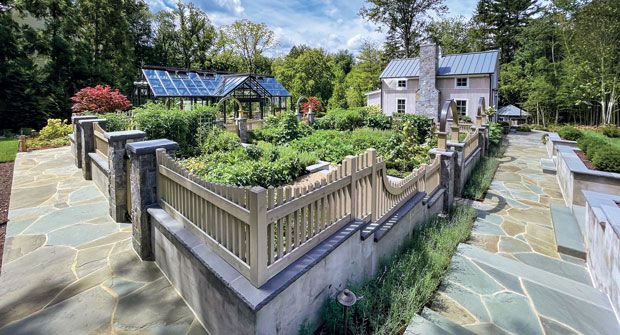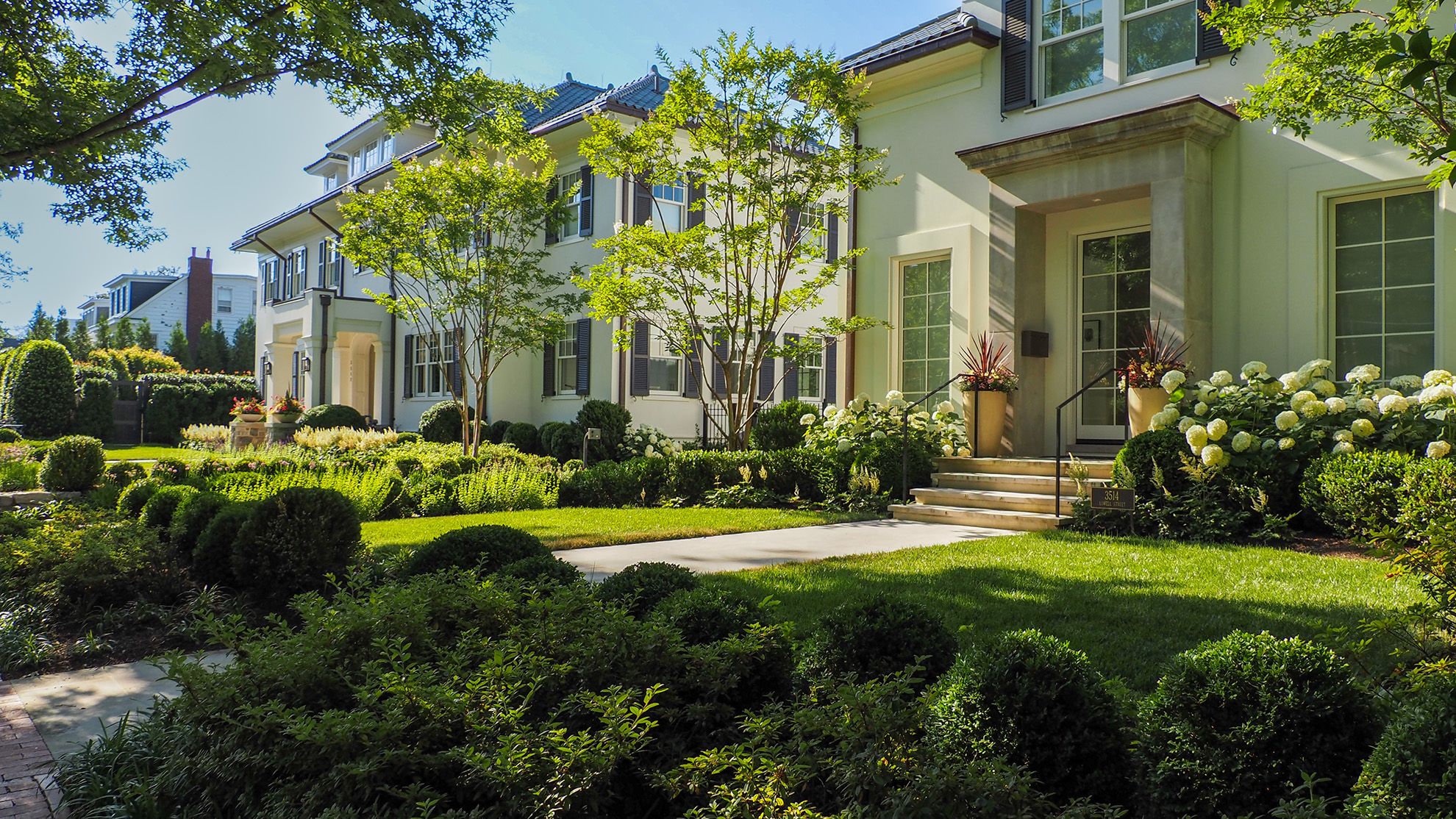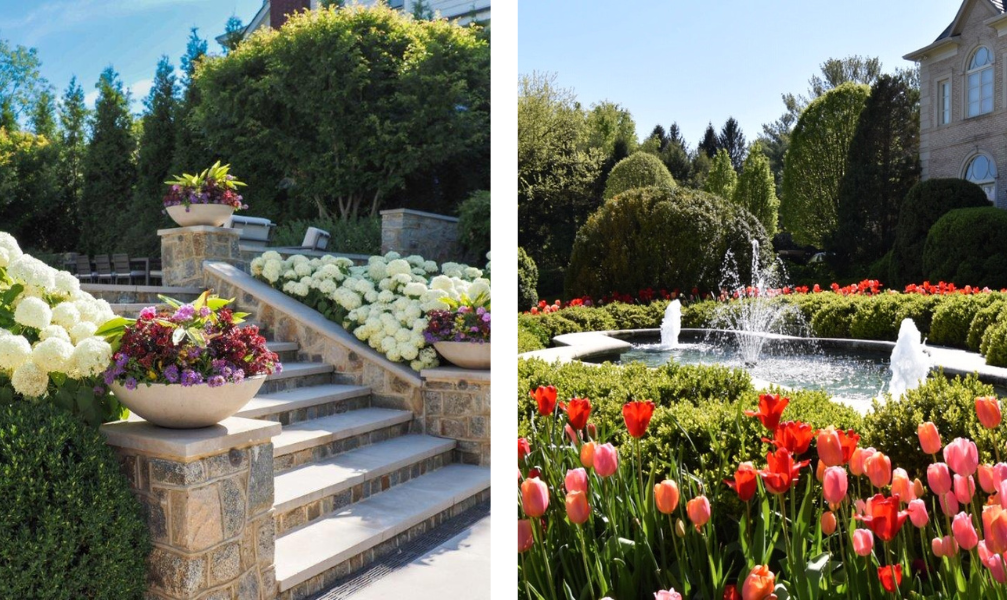
Picture this: a neglected backyard, overgrown with weeds, with nothing but concrete and dirt. Now imagine that same space transformed into a lush oasis filled with vibrant colors, interesting textures, and natural beauty. This isn’t just wishful thinking – it’s the power of Mchale’s approach to garden design. What makes this method so special? It’s not just about planting flowers or arranging stones. It’s about seeing potential where others see problems.
Gardening isn’t just about growing plants. It’s about creating spaces that make us feel alive, peaceful, and connected to nature. For many people, their outdoor space feels like a chore rather than a joy. They look at their yards and think ‘what a mess’ instead of ‘what a potential’. But there’s another way to view things entirely. Enter Mchale’s approach to garden design – a philosophy that sees every space as a canvas waiting to be painted with life and color. This method goes beyond simple landscaping. It’s about understanding how people interact with their environment and how we can shape that interaction to create something truly magical.
Understanding Mchale’s Design Philosophy
At its heart, Mchale’s approach is built on three core principles that separate it from traditional gardening methods. First, it focuses on the human experience within the garden space. Rather than just planting things, they consider how someone will move through the area, what they’ll see from different angles, and how the space will feel to them. Second, it emphasizes the importance of natural flow. Every element should lead naturally to the next, creating a journey through the garden rather than isolated spots. Third, it values sustainability and local adaptation. This means choosing plants that thrive in the specific climate and soil conditions, reducing maintenance while maximizing beauty.
Think about how you feel when walking through a well-designed garden versus a poorly planned one. The difference isn’t just about pretty flowers – it’s about the way your body responds to the space. When everything works together harmoniously, you notice how much better you feel. That’s what Mchale’s approach aims to achieve.
The Power of Layered Planting
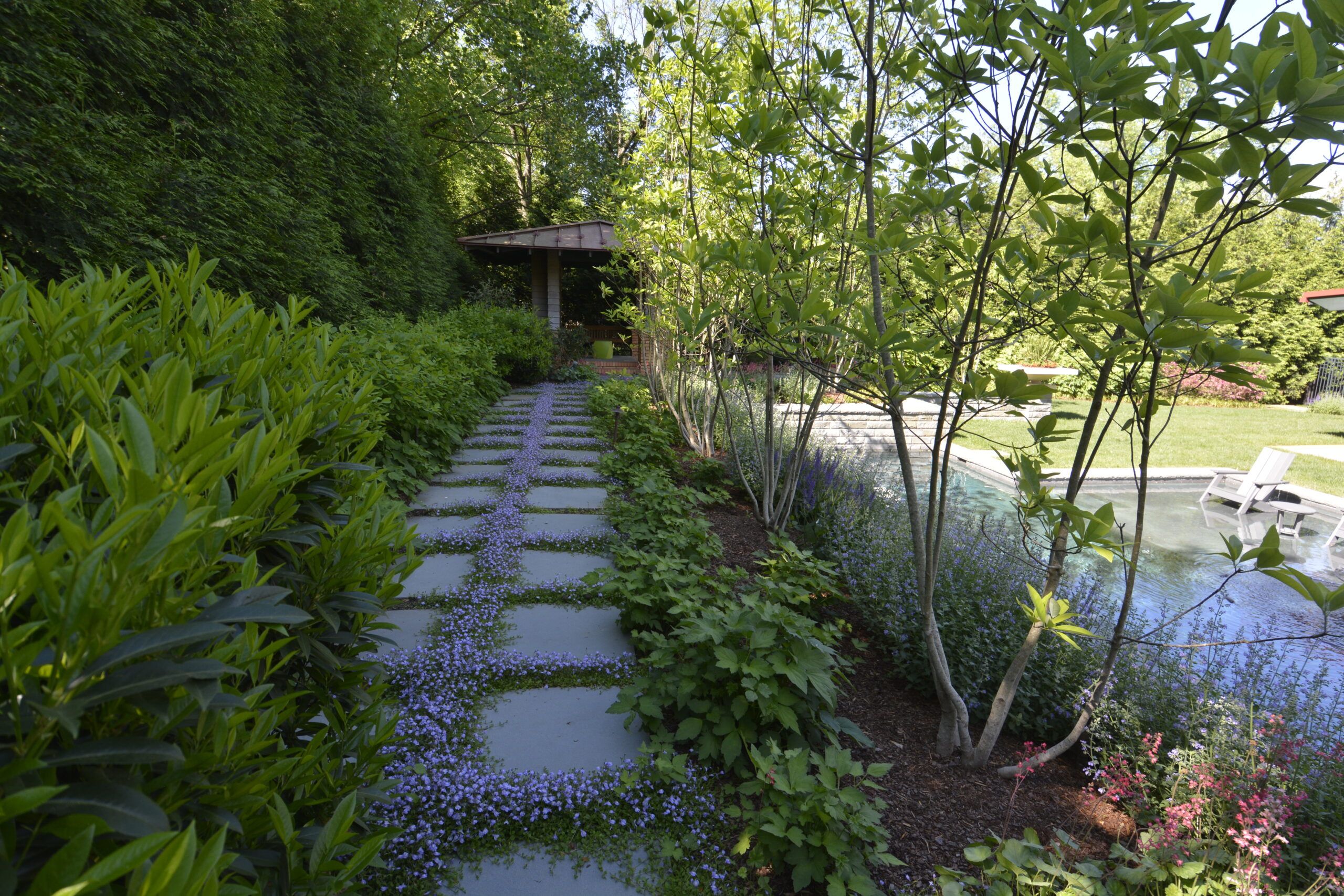
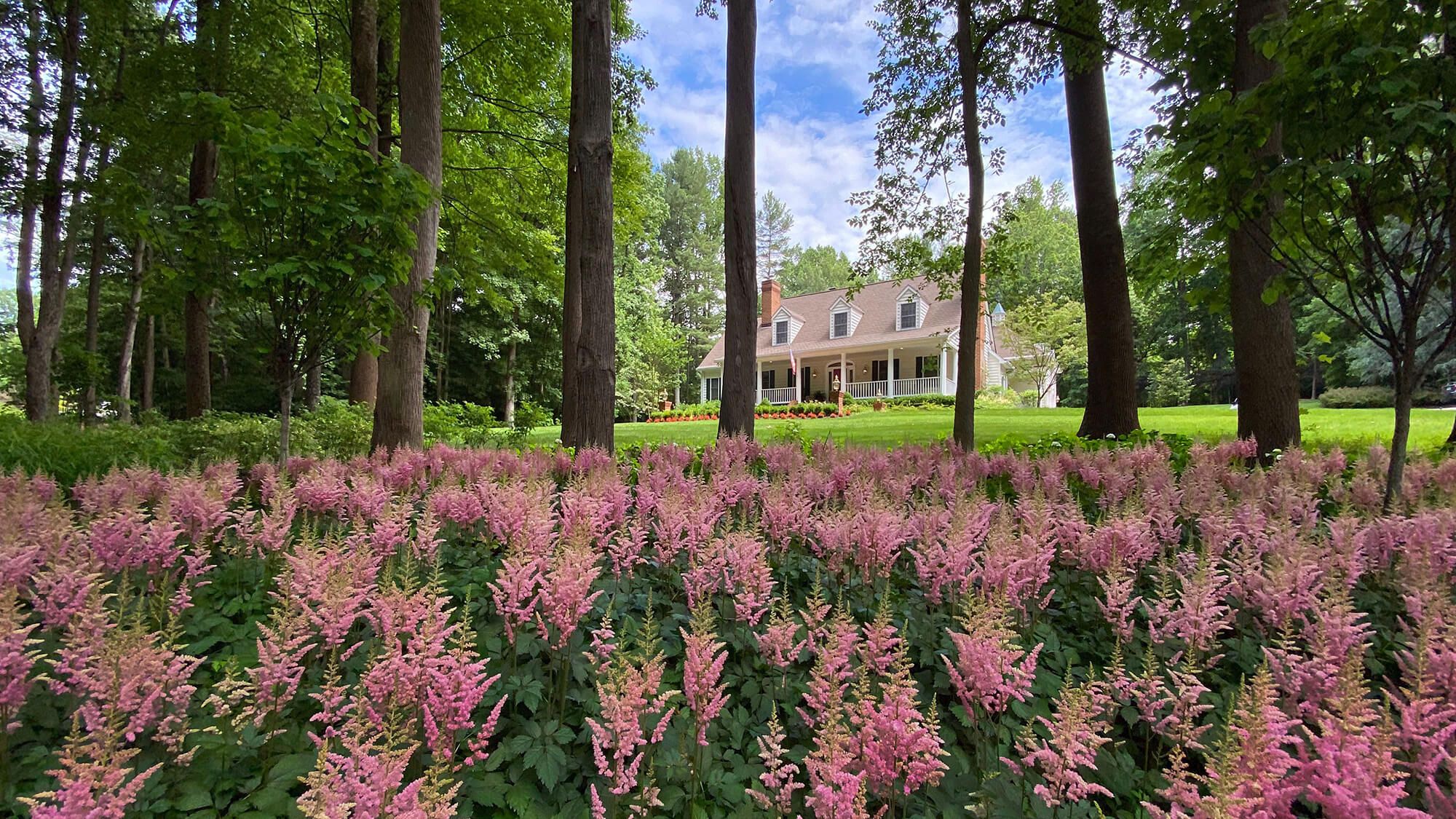
One of the most transformative aspects of Mchale’s method is the concept of layered planting. Instead of simply placing plants in random spots, they think in terms of vertical space and seasonal interest. Imagine looking at a garden from above – you want to see layers of green, from ground cover to shrubs to trees, each serving a purpose and creating depth.
This approach creates visual complexity that changes throughout the seasons. Spring brings fresh growth, summer offers full foliage, fall provides color changes, and winter shows structure and form. It’s like having a four-season concert happening right outside your door. The key is planning ahead for how each plant will contribute to the overall composition as it grows and changes.
Consider a small urban patio. Traditional thinking might suggest putting a few potted plants on the deck. Mchale’s approach would involve creating a layered system: tall plants for privacy, medium shrubs for texture, and trailing plants for visual interest. This creates a sense of depth and sophistication that makes even the smallest space feel grand.
Creating Flow Through Space Planning
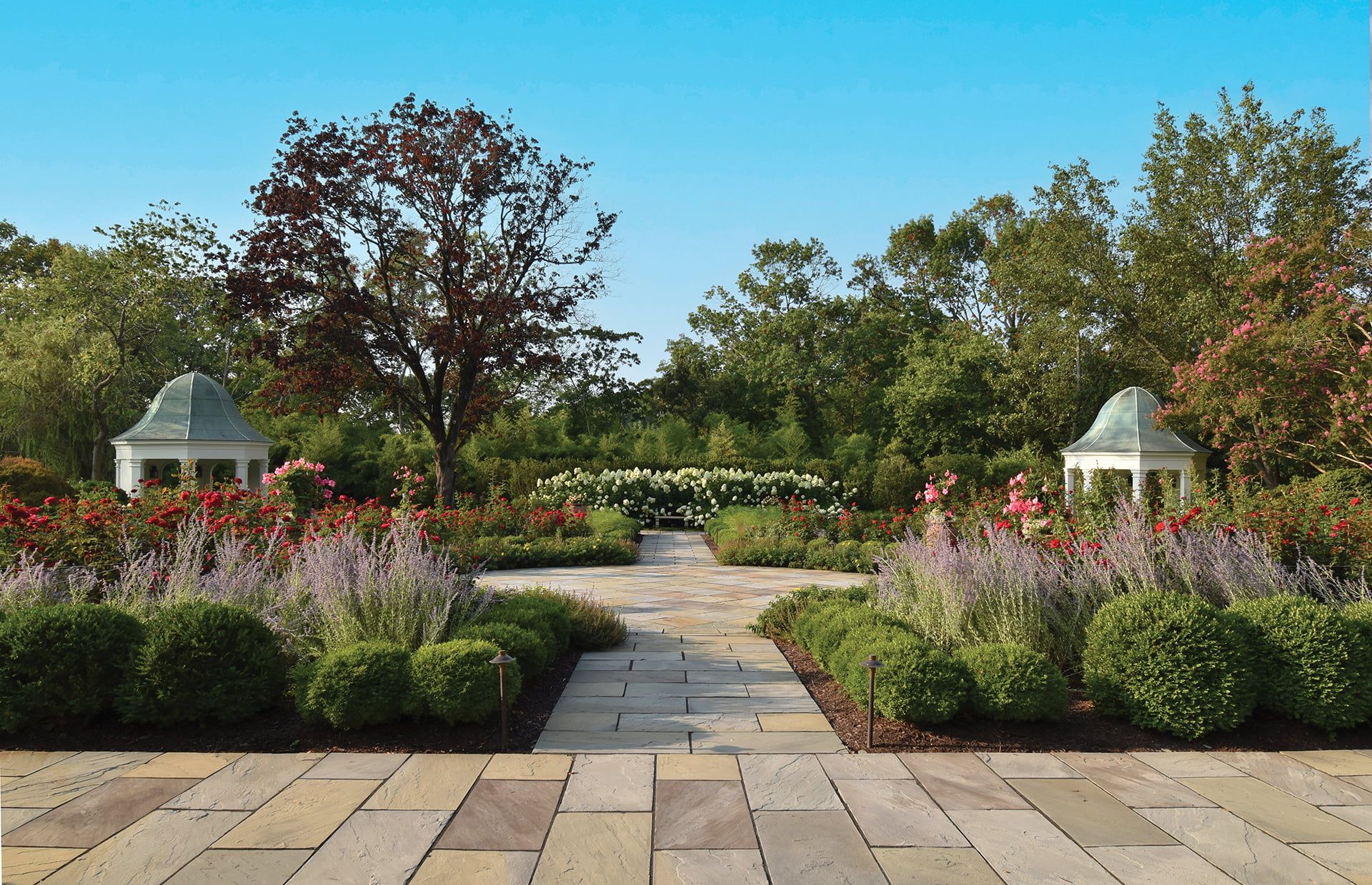
What makes a garden feel cohesive rather than chaotic? The answer lies in thoughtful space planning that guides visitors naturally through the area. Mchale’s approach starts with understanding how people move through outdoor spaces and then designs accordingly.
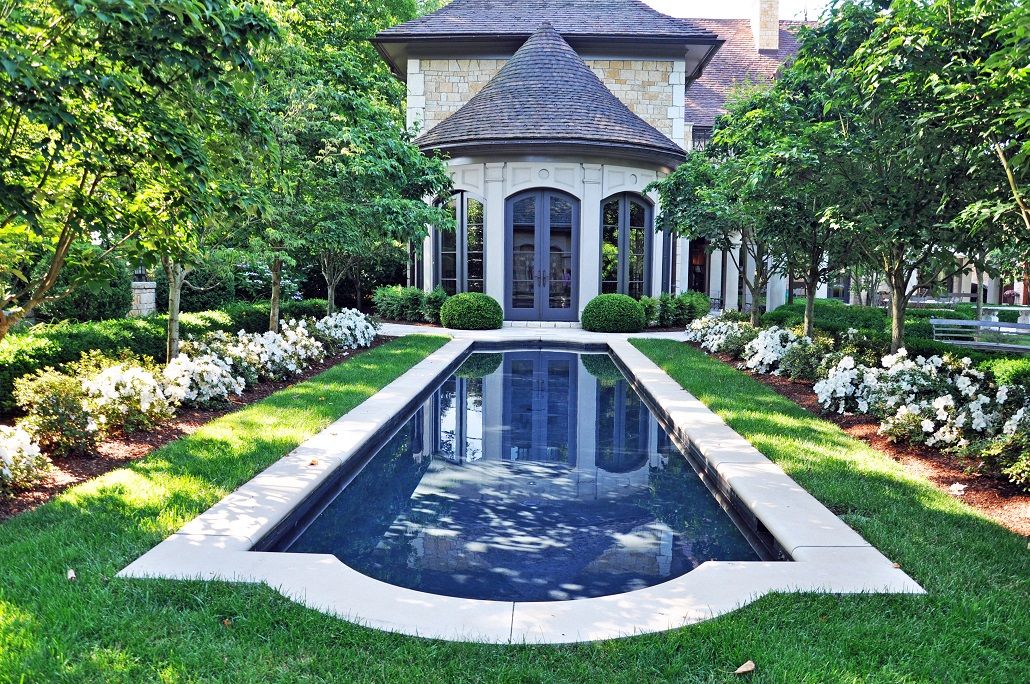
This means considering pathways, viewing angles, and focal points. A winding path encourages exploration, while a clear sight line can highlight a beautiful tree or water feature. The goal is to create a sense of discovery and ease all at once. You don’t want people feeling lost or overwhelmed.
Take a typical suburban backyard. Most people just throw some plants around and hope for the best. Mchale’s method would first map out how the family uses the space – where they gather, where they relax, where children play. Then it would strategically place elements to support those activities while creating visual interest throughout.
The result is a garden that feels intentional and lived-in rather than forced or artificial. It’s designed for real people doing real things, not for perfect photos.
Embracing Natural Materials and Textures
Mchale’s approach places great emphasis on using natural materials that complement the garden’s character. This doesn’t mean expensive stone or fancy decking – it means choosing materials that feel right for the space and age appropriately with time.
Think about how different textures affect our perception of a space. Smooth stones create a calm, meditative quality, while rough bark adds energy and movement. Plants with different leaf shapes, sizes, and colors create a rich tapestry of sensory experiences. The interplay between hard and soft elements, smooth and rough surfaces, creates visual excitement.
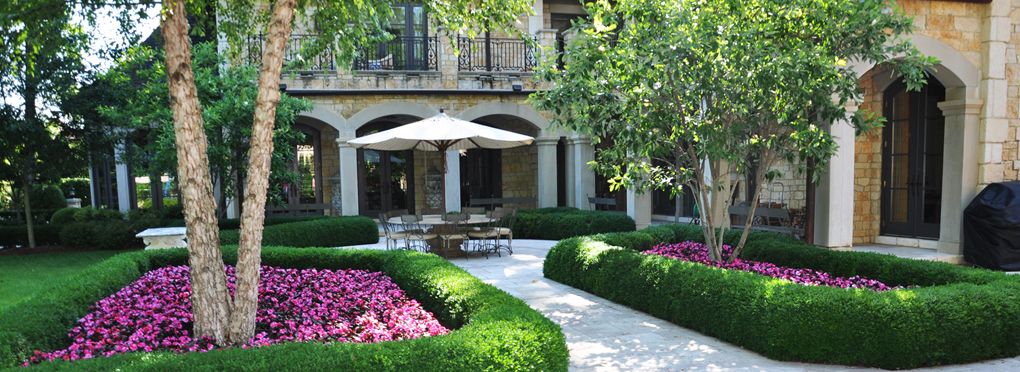
A successful garden often features a mix of materials that work together without competing. A wooden deck might be paired with stone pathways, and native plants with decorative containers. The key is balance. Too many different textures can be overwhelming, but too few can make a space feel flat and boring.
Natural materials also age gracefully. Unlike synthetic alternatives, they develop character over time, becoming part of the garden’s story rather than standing apart from it.
Sustainable Practices for Long-term Beauty
Perhaps most importantly, Mchale’s approach integrates sustainable practices that ensure gardens remain beautiful and functional for years to come. This means selecting plants that require minimal water, fertilizer, or pest control once established. It also involves designing systems that work with natural processes rather than against them.
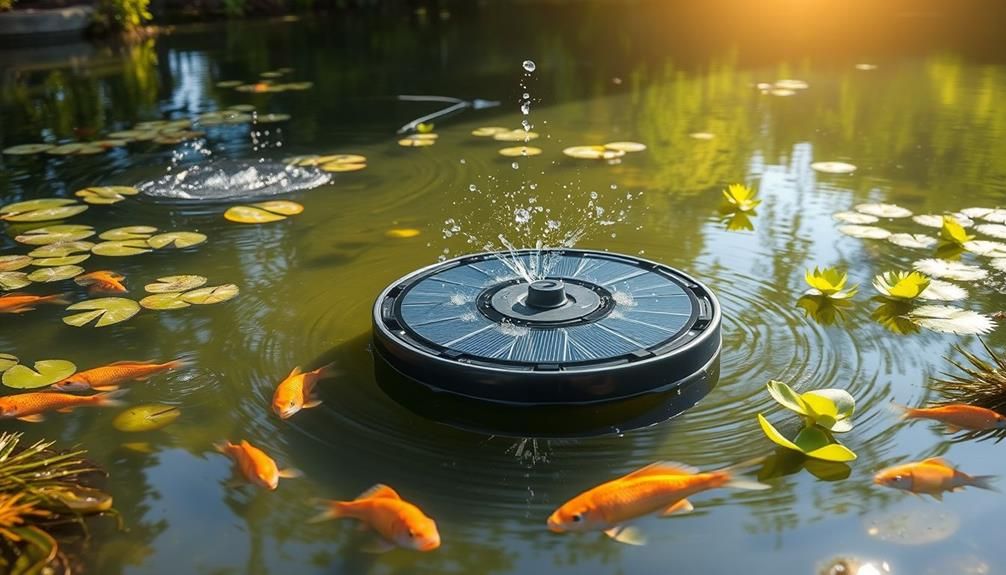
Water management becomes crucial here. Instead of fighting nature with drainage systems, Mchale’s method looks for ways to work with rainfall and natural water flow. Rain gardens, swales, and drought-tolerant plants all serve multiple purposes – they’re beautiful, functional, and environmentally responsible.
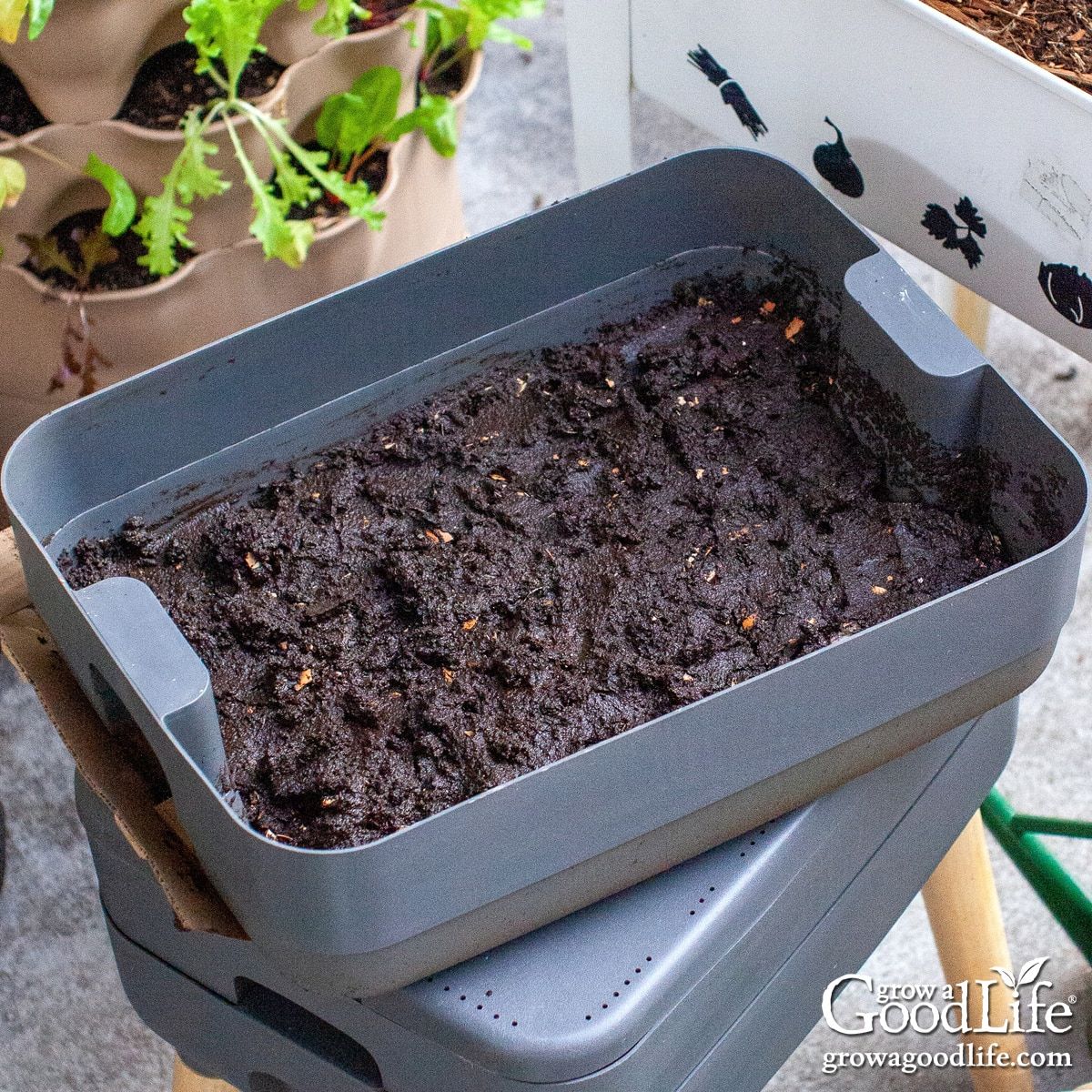
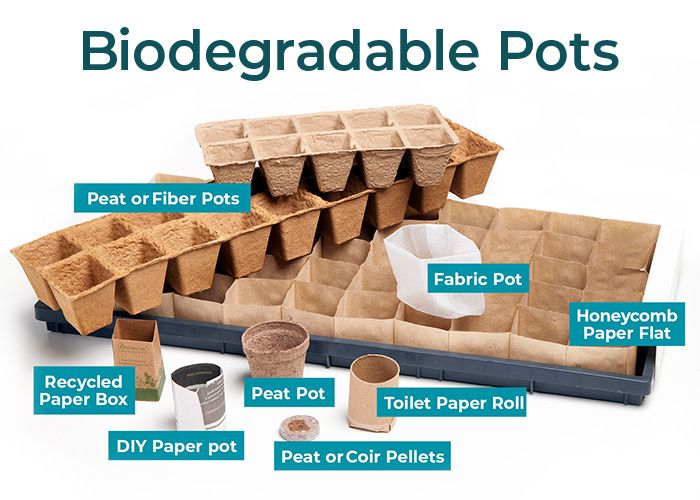
Composting and organic matter improve soil health naturally, reducing the need for chemical fertilizers. This approach also supports beneficial insects and wildlife, creating a balanced ecosystem that helps maintain the garden’s health.
The beauty of this method is that it reduces stress for gardeners. When plants are well-suited to their environment, they grow stronger and require less attention. It’s a win-win situation for both the gardener and the environment.
Transforming Small Spaces into Grand Experiences
One of the most impressive aspects of Mchale’s approach is how effectively it can transform tiny spaces into extraordinary experiences. A narrow urban balcony, a tiny courtyard, or even a small front porch can become a destination with careful planning.
The secret lies in maximizing vertical space and creating multiple zones within limited areas. A small space might have a seating area, a growing area, and a decorative element, each clearly defined but connected visually. The key is making every inch count.
A client once had a 10-foot-by-15-foot space that was mostly concrete and weeds. Using Mchale’s approach, they created a garden that felt like a miniature paradise. They used vertical planters to add height, selected plants that thrived in small spaces, and incorporated a small water feature to create a focal point. The result was a space that made people want to spend time there, not just pass through.
Small spaces don’t have to feel cramped or insignificant. With the right design principles, even the tiniest areas can become peaceful retreats that provide joy and relaxation.
Mchale’s approach to garden design isn’t just about making pretty pictures – it’s about creating living spaces that enhance our daily lives. Whether you have acres of land or just a windowsill, this philosophy offers practical solutions for transforming any space into something beautiful and meaningful. The real magic happens when you stop seeing your garden as a chore and start viewing it as a relationship with nature. When you apply these principles consistently, you’ll find that your outdoor space begins to reflect not just your aesthetic preferences, but your personality and lifestyle too. It’s not just about plants anymore – it’s about creating places where we want to be, where we can breathe, and where we can connect with the natural world around us. The transformation isn’t just visual; it’s emotional and spiritual. That’s what makes Mchale’s approach truly extraordinary.