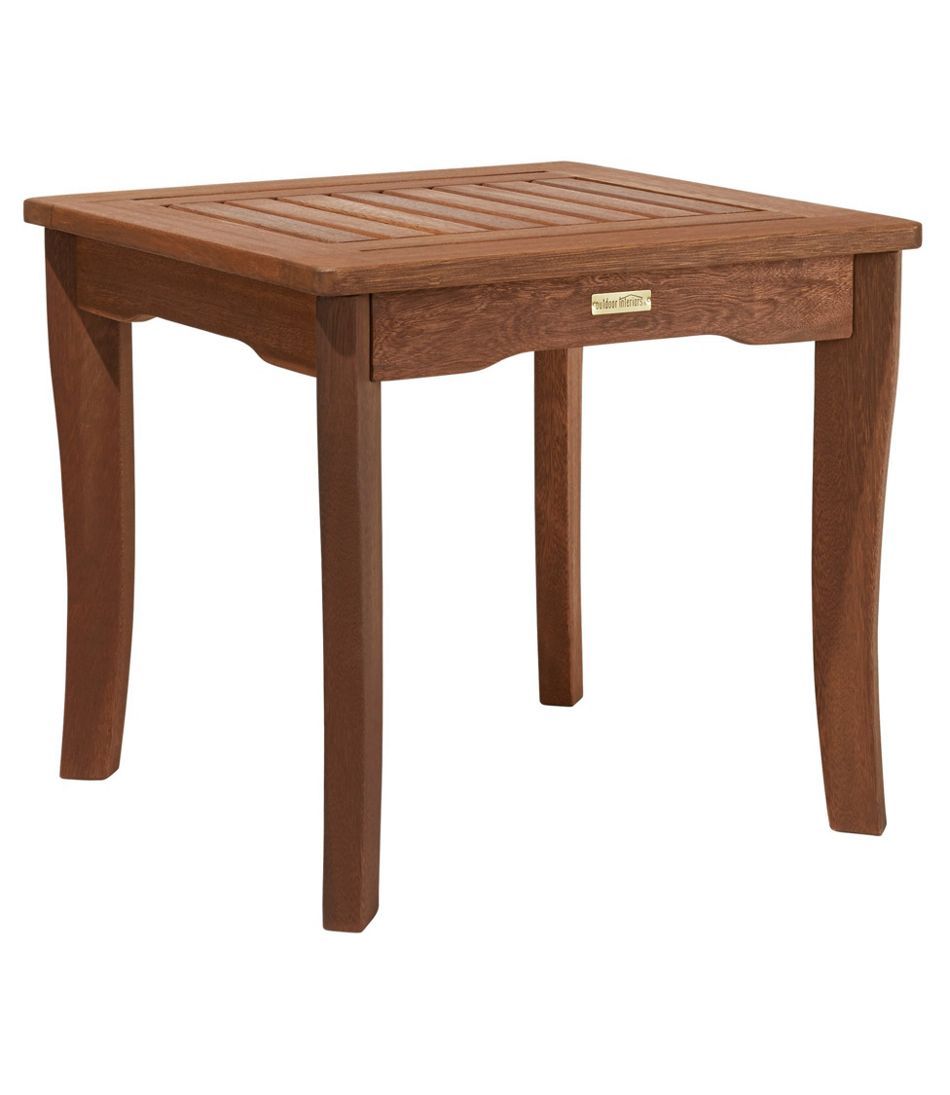
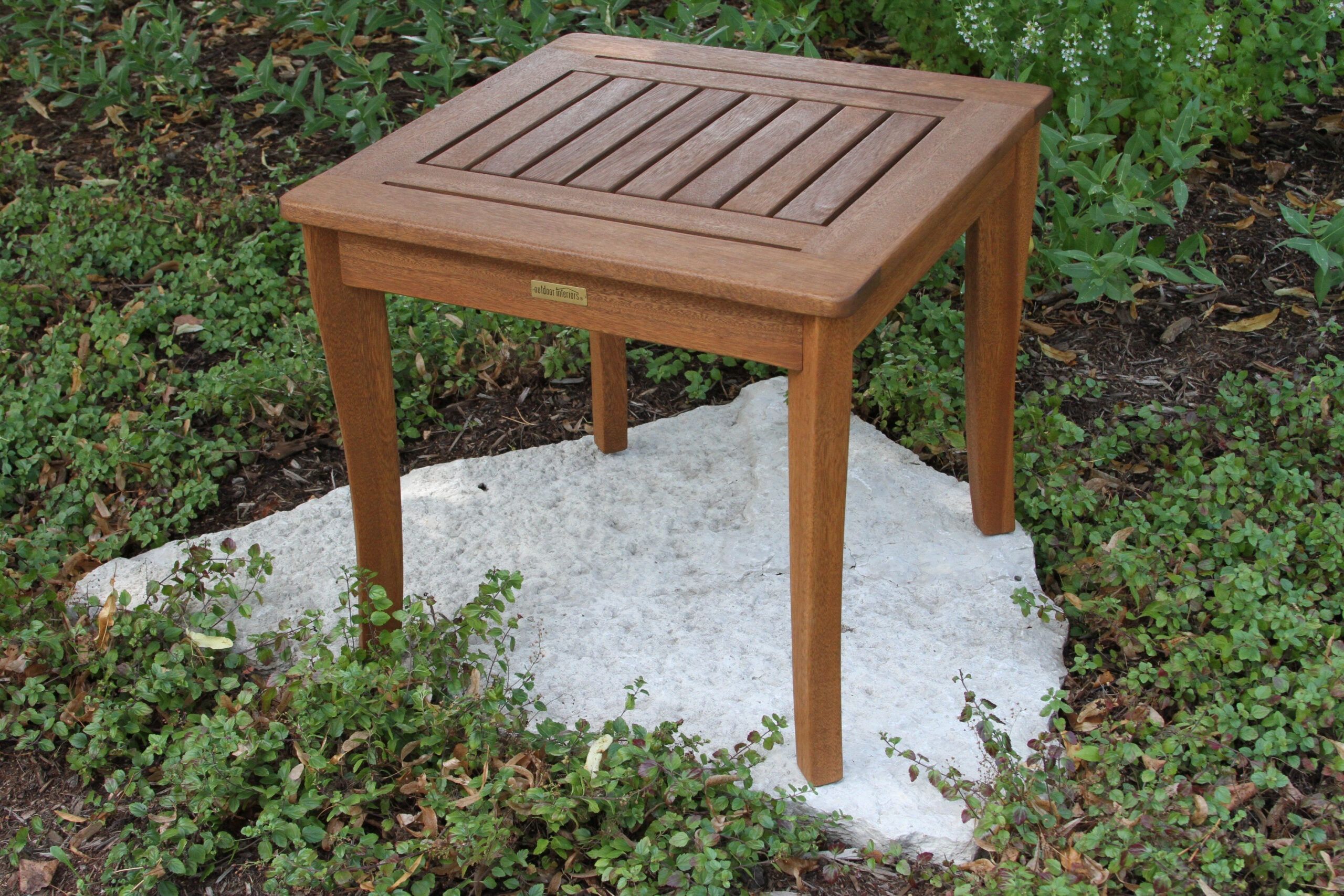
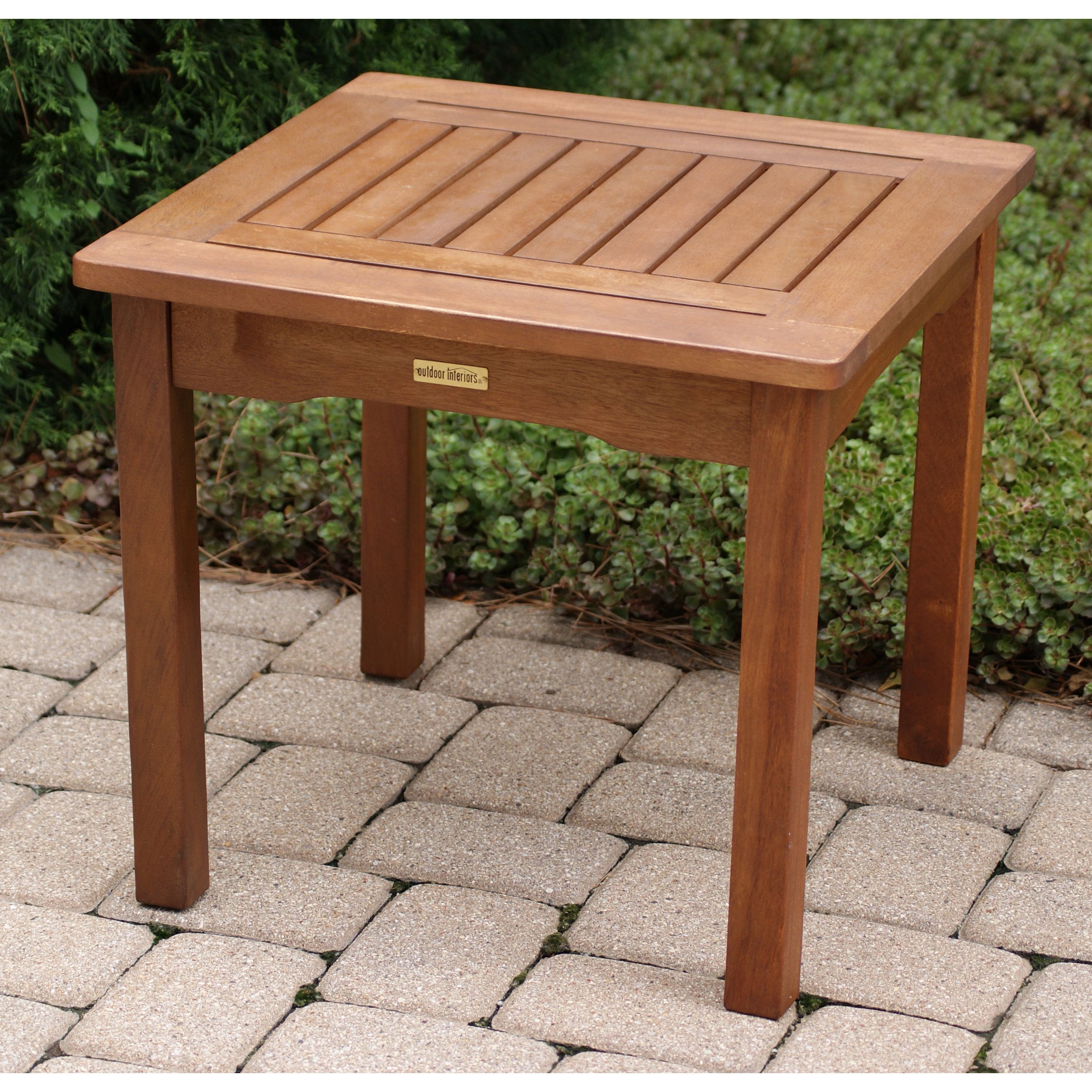
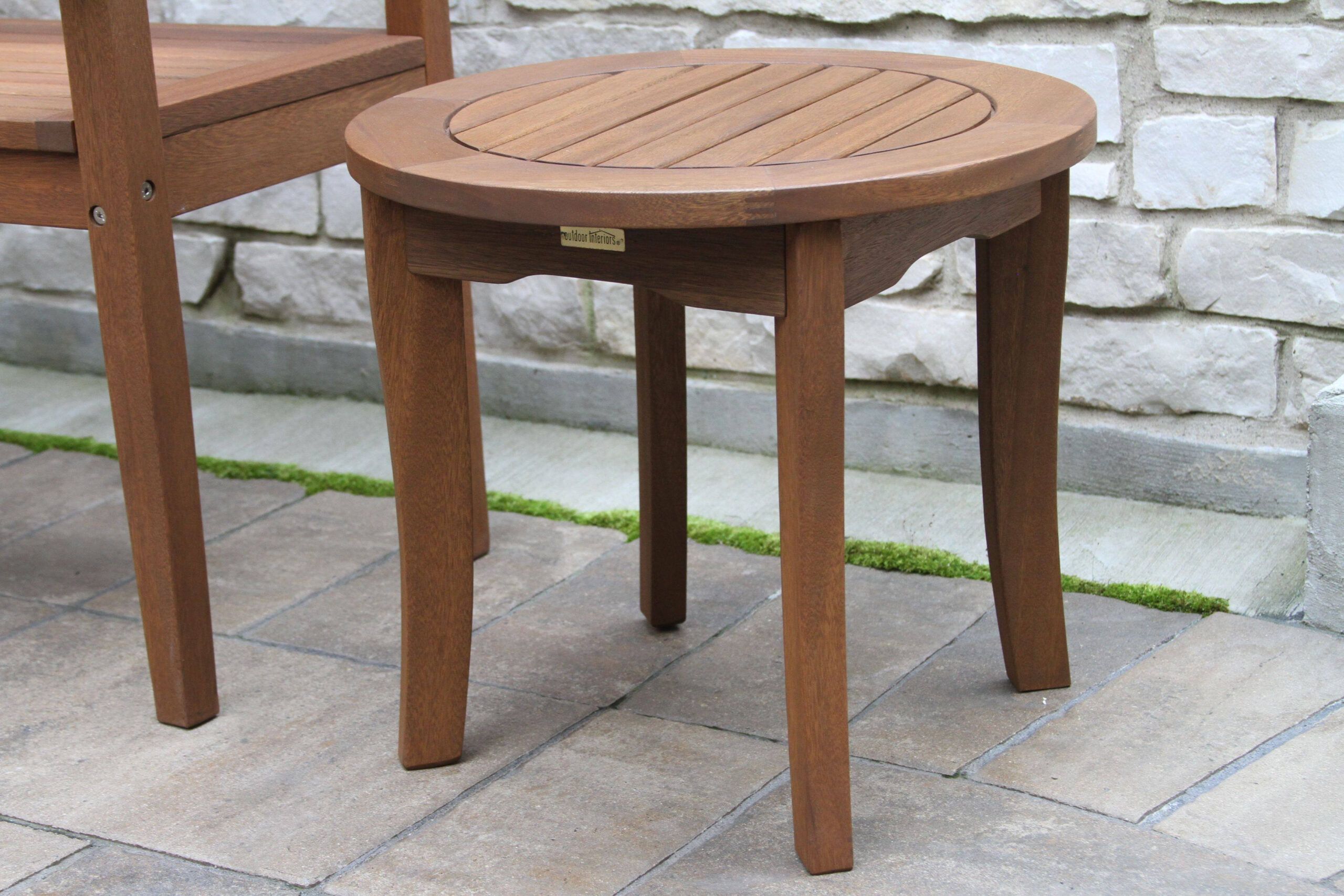
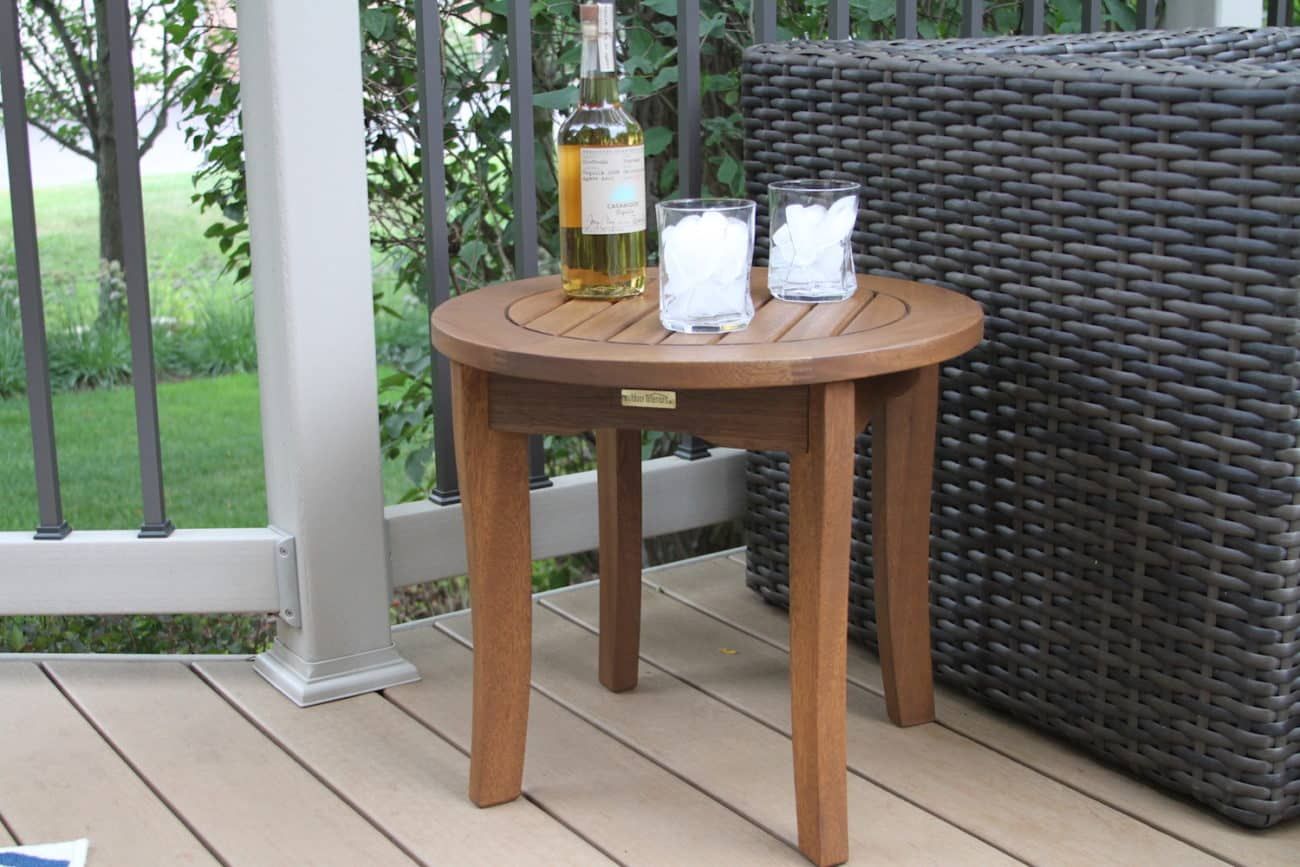
Hello, design enthusiasts. I’m thrilled to delve into the world of eucalyptus end tables today. They’re more than just furniture; they’re little workhorses that bring both beauty and practicality to our homes. But, how do you truly unlock their potential? It’s all about the placement. Finding the sweet spot for your end table is key to optimizing your space’s functionality and amplifying its style. This guide is here to help you, so buckle up, and let’s get started.
Eucalyptus end tables, with their warm tones and natural grain, have become a favorite for many. They are useful, adding surface space for drinks, lamps, and decor, and they’re stylish, contributing to the overall aesthetic of a room. However, simply plunking one down willy-nilly won’t do. The secret to a truly successful integration lies in mindful placement. This article will take you through the most important things to think about when placing your eucalyptus end tables, ensuring you get the best of both worlds: practicality and visual appeal. We’ll explore different room layouts, common mistakes to avoid, and some creative ideas to inspire you. Are you ready to transform your living area?
Considering Your Room’s Layout and Needs
Before you start moving furniture, take a moment to assess your room. What is the primary function of the area? Is it a cozy living room, a reading nook, or a place for entertaining? The purpose of the space will heavily influence where your end tables should go.
- Living Room Setup: In a living room, end tables usually flank the sofa, offering easy access to drinks, snacks, and remotes. Make sure they’re within arm’s reach of seating areas.
- Bedroom Arrangement: In a bedroom, end tables are often found on either side of the bed, providing a spot for lamps, books, and alarm clocks. The height of the table should ideally be level with or slightly lower than the top of your mattress.
- Small Spaces: For smaller areas, think about using a single end table to save space, or consider a narrow table that can fit neatly next to a chair or sofa. This is where creativity and smart thinking come in.
The Importance of Scale and Proportion
Scale and proportion are essential elements of good design. The size of your end table should be in harmony with the other furniture in the room. A massive, oversized table will overwhelm a small space, while a tiny table might get lost in a larger room.
- Height Matters: The height of the end table is crucial. It should be roughly the same height as the arms of your sofa or chair. This creates a balanced, visually appealing look and makes the table easily accessible.
- Width and Depth: The width and depth should be proportional to the size of the seating. A table that is too narrow might look flimsy, while one that is too wide could restrict movement. Consider the table’s surface area; do you want space for a lamp, a drink, and a book, or is a smaller table sufficient?
- A Real-World Example: Imagine a large sectional sofa. In this case, you might need two larger end tables or a single, longer table to provide ample surface area and prevent it from looking off-balance.
Creating a Functional and Practical Setup
Functionality is key. Your end table should serve a purpose beyond just looking pretty. Think about how you’ll actually use the table when deciding its position.
- Accessibility: Ensure the table is easily accessible from your main seating areas. You don’t want to have to stretch or lean awkwardly to reach it.
- Traffic Flow: Don’t block walkways or create bottlenecks. Make sure there’s enough space to move around the table comfortably.
- Electrical Outlets: Consider the location of electrical outlets. Place the table near an outlet if you plan to use a lamp or charge devices.
- Example: If you’re a book lover, place the table near a comfortable reading chair, creating a cozy reading nook with a lamp and space for your current read. This simple act vastly improves the functionality of both the table and the chair.
Styling Your Eucalyptus End Table
Once you’ve got the practicalities sorted, it’s time for the fun part: styling. Your eucalyptus end table is a blank canvas, ready to be transformed into a stylish focal point.
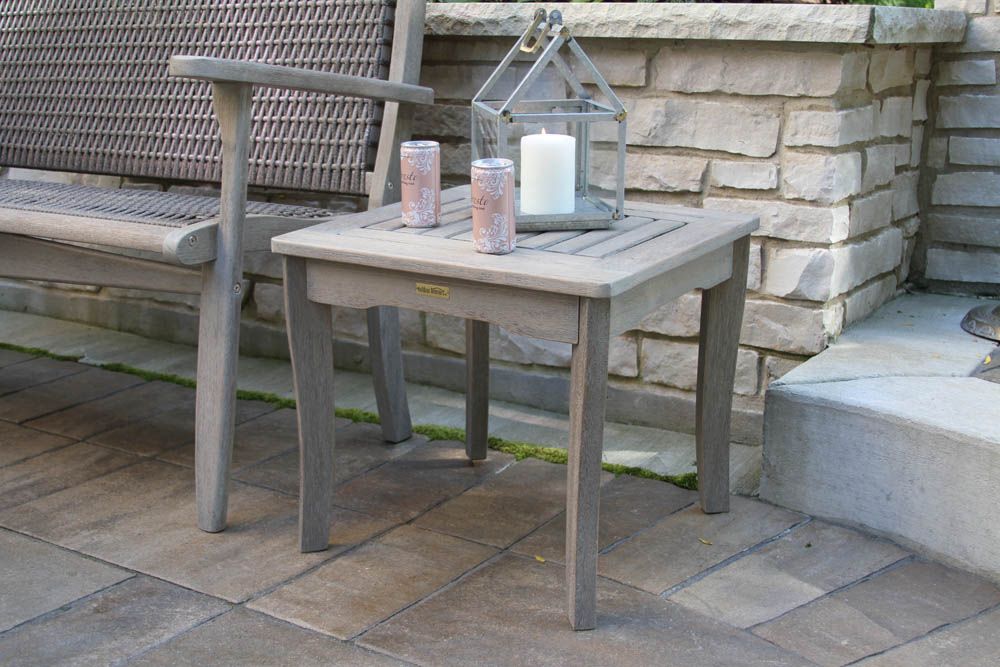
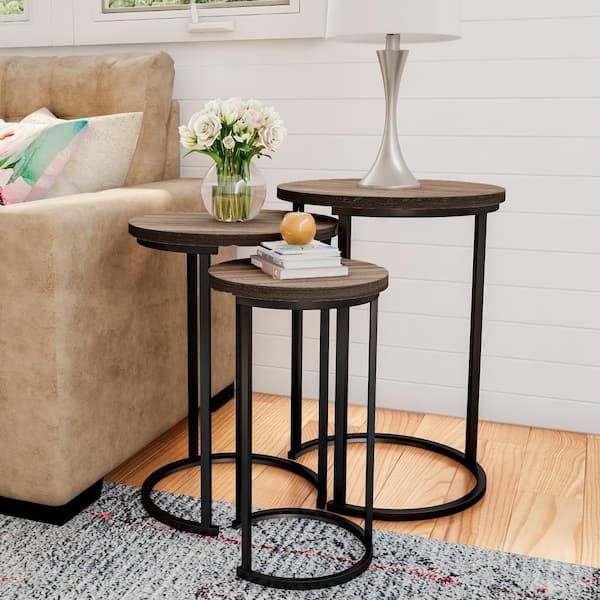
- Lamps: A lamp is a must-have. It provides ambient lighting and adds a touch of elegance. Choose a lamp that complements the table’s style and the room’s overall aesthetic.
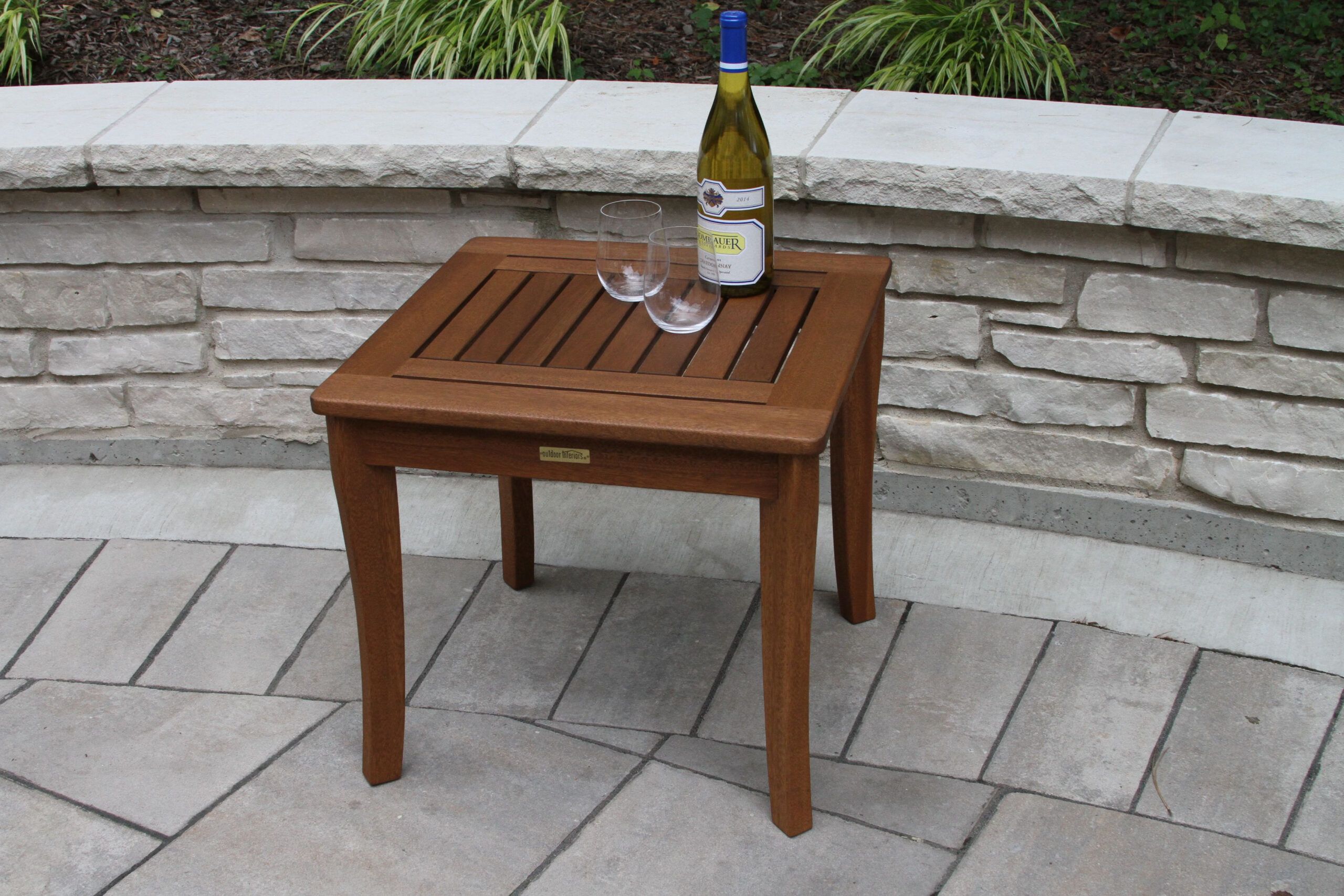
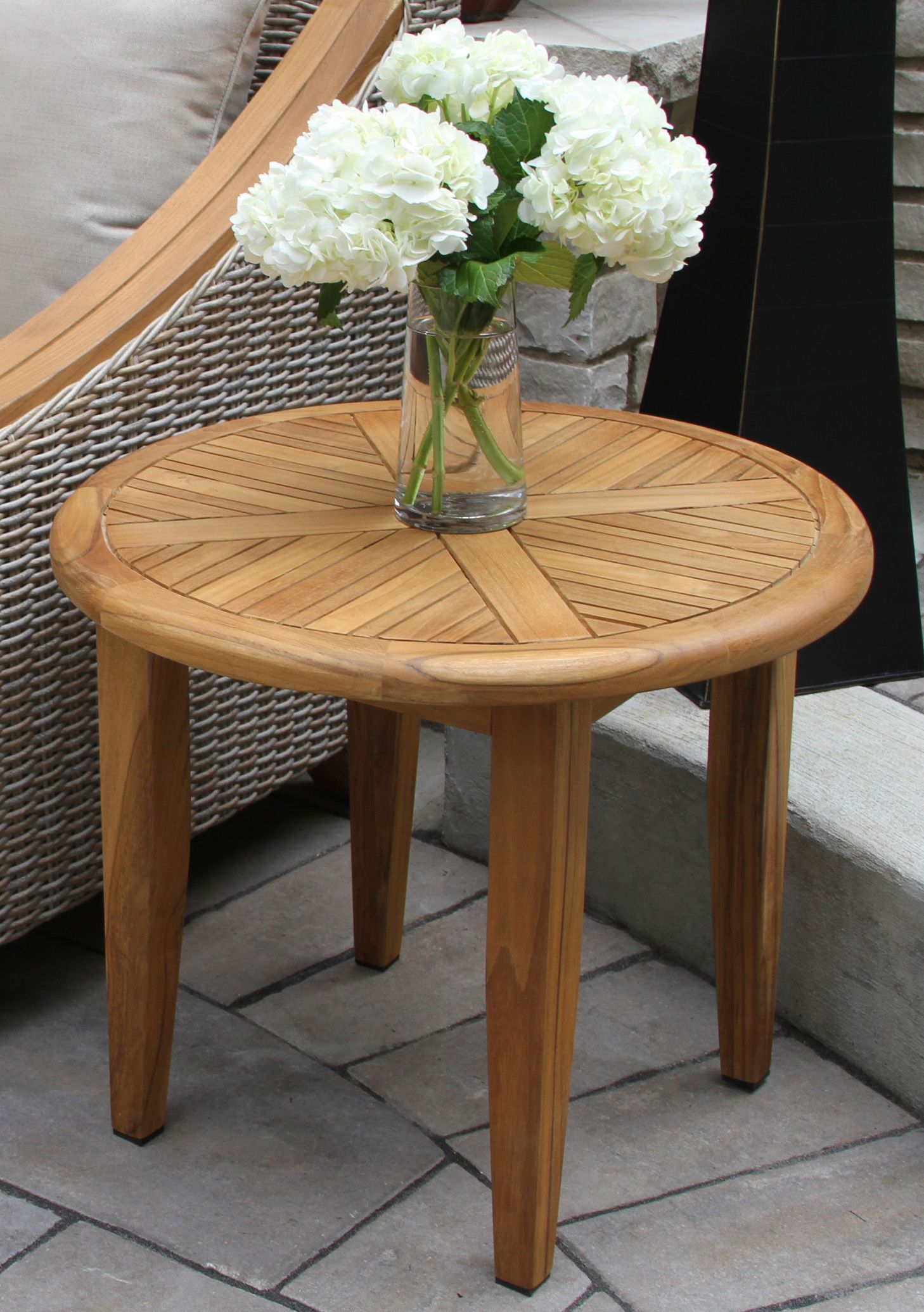
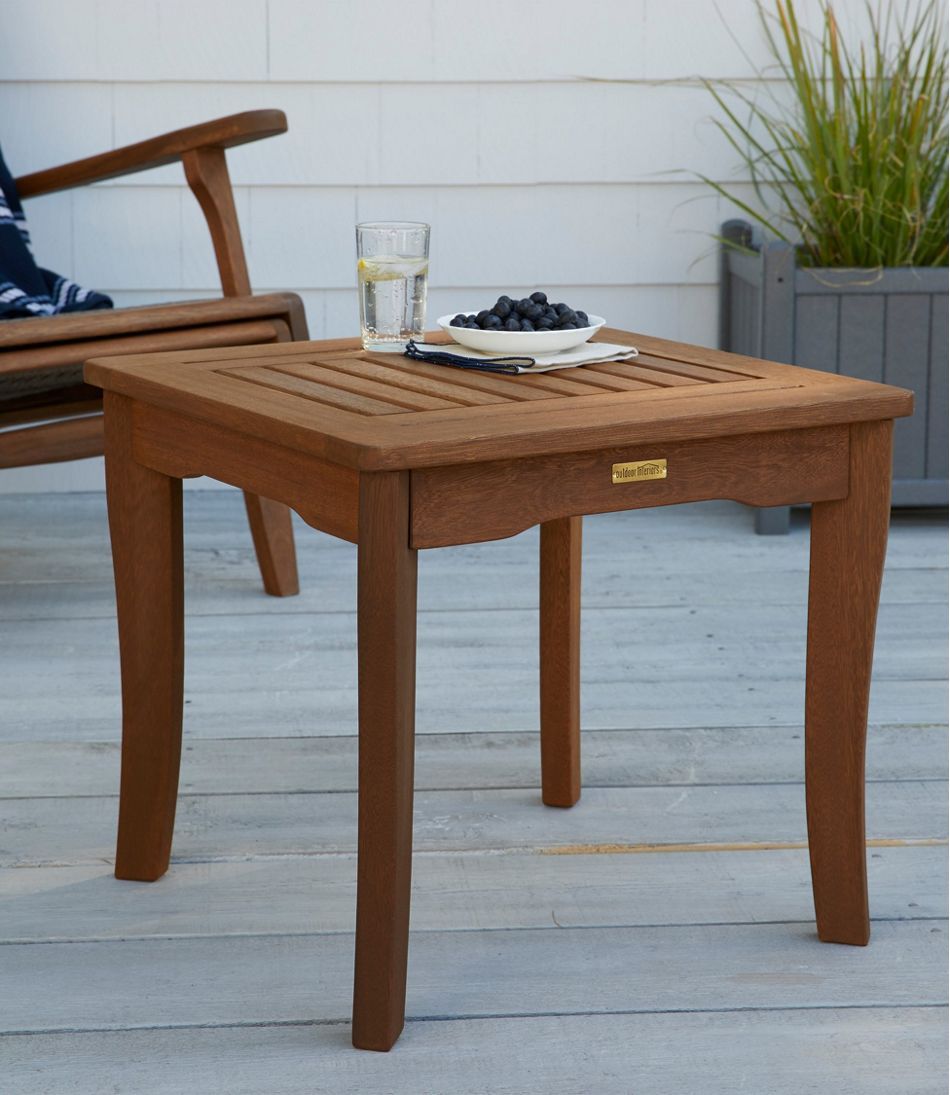
- Decor: Add a few decorative items, such as a small vase with flowers, a stack of coffee table books, or a decorative tray. Don’t overcrowd the surface; aim for a balanced, curated look.
- Personal Touches: Incorporate personal items, such as family photos or a small piece of art. This will make the space feel more inviting and reflect your personality.
- Less is More: Avoid the urge to over-decorate. Sometimes, a single, well-chosen item is more effective than a clutter of accessories.
Common Mistakes to Avoid
Even experienced decorators can make mistakes. Here are some common pitfalls to avoid when placing your eucalyptus end tables:
- Ignoring the Room’s Layout: Failing to consider the layout and functionality of the room is a big no-no. Always plan the placement based on how you use the space.
- Choosing the Wrong Size: Selecting an end table that is out of proportion with the other furniture will throw off the balance of the room. Measure carefully and visualize how the table will fit.
- Blocking Traffic Flow: Avoid placing end tables where they obstruct walkways or create a cramped feeling.
- Forgetting the Purpose: Remember that end tables are meant to be functional, so don’t sacrifice accessibility for aesthetics.
- Ignoring the style: Be sure to match the end table with the overall style, and don’t be afraid to try new things.
Thinking Outside the Box: Creative Placement Ideas
Ready to think beyond the conventional? Here are a few creative ideas for placing your eucalyptus end tables:
- Asymmetrical Placement: Instead of placing end tables symmetrically on either side of the sofa, try an asymmetrical arrangement. This can add visual interest and a more relaxed vibe to the room.
- Double Duty: Use an end table as a bedside table in a guest room or a small home office. It’s a versatile piece that can adapt to various spaces.
- The Floating Look: If you have a small space, consider a wall-mounted end table or a table that tucks under the sofa. This creates the illusion of more space and keeps things neat.
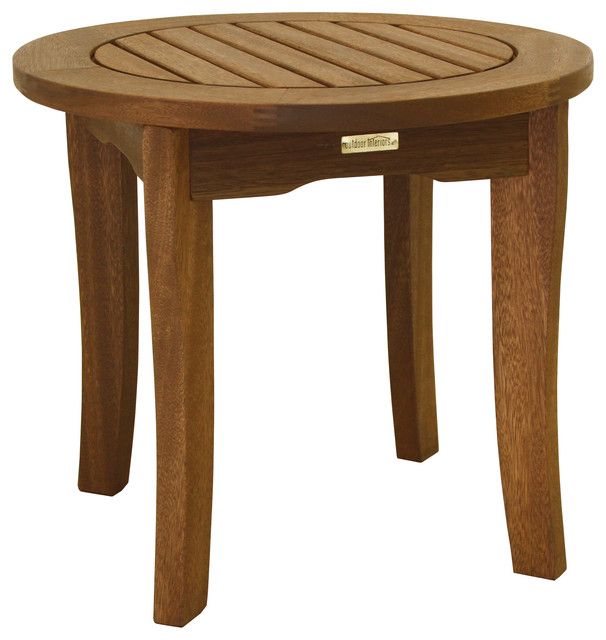
- Play with Shapes and Sizes: Don’t be afraid to mix and match different shapes and sizes of end tables. This can add depth and character to your room. For example, a round end table next to a square sofa can provide a pleasing contrast.
So, there you have it: your comprehensive guide to eucalyptus end table placement. By considering your room’s layout, scale, functionality, and style, you can transform your space into a haven of both beauty and practicality. Remember to avoid common mistakes and get creative with your arrangements. With a little planning and these simple tips, you can ensure that your eucalyptus end tables not only look great but also enhance your daily living experience. Now go forth, experiment, and enjoy the process of creating a stylish and functional space you’ll love. Happy decorating, and thanks for tuning in.