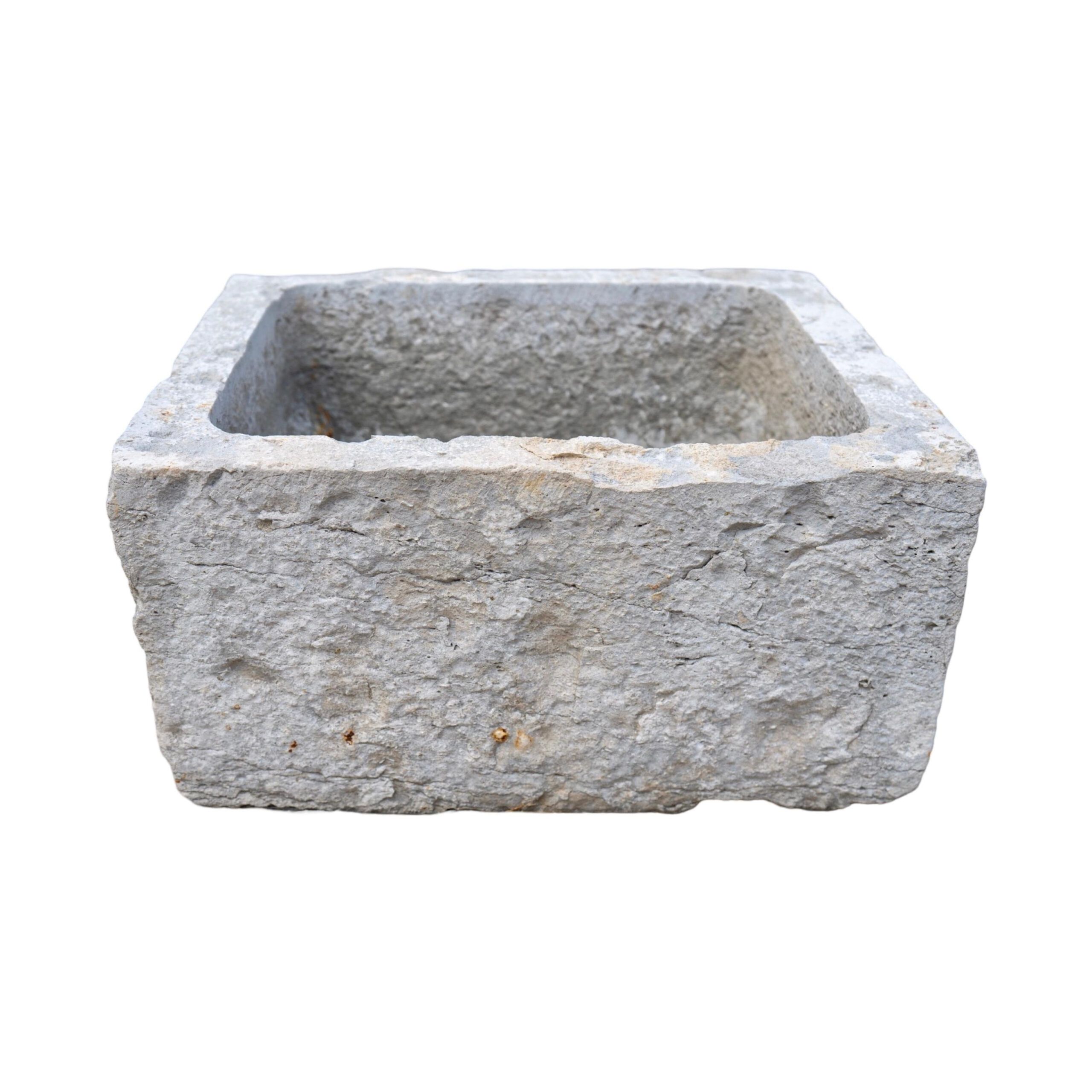
There’s something magical about a well-crafted French garden sink. It doesn’t just serve a purpose – it tells a story. These elegant fixtures have been gracing gardens, patios, and outdoor spaces for decades, and their popularity shows no signs of fading. What is it about these classic designs that continues to draw homeowners and designers alike? Let’s explore the secrets behind their lasting appeal.
French garden sinks aren’t just functional pieces in your outdoor space – they’re conversation starters, focal points, and symbols of refined taste. Whether you’re restoring a historic property or designing a new garden oasis, understanding the essence of these timeless fixtures can transform your outdoor area from ordinary to extraordinary. These beautiful pieces combine practicality with aesthetic elegance in ways that modern alternatives often struggle to match. The question isn’t whether you’ll want one, but how you’ll incorporate this classic element into your own outdoor sanctuary.
Historical Roots and Cultural Significance
The story of French garden sinks begins in the 18th century when French landscaping reached its peak. These fixtures weren’t merely decorative elements – they were integral parts of the formal French garden design philosophy. The concept emerged from the desire to create seamless transitions between indoor and outdoor living spaces. Think about it – in those days, people didn’t just have gardens; they had entire landscapes designed to be enjoyed year-round. The sink served multiple purposes beyond simple water access. It was a gathering place, a decorative accent, and a symbol of prosperity and good taste.
The French approach to garden design emphasized symmetry and balance. Every element, including water features, had to contribute to the overall harmony. Garden sinks were positioned strategically to complement pathways, seating areas, and plantings. They often featured ornate details like carved handles, decorative spouts, and elaborate basins that showcased the craftsmanship of their makers. Many of these original pieces still exist today, testament to their durability and beauty. When you see one of these sinks in a restored garden, you’re witnessing centuries of design tradition continuing to thrive.
Design Elements That Define the Classic Look
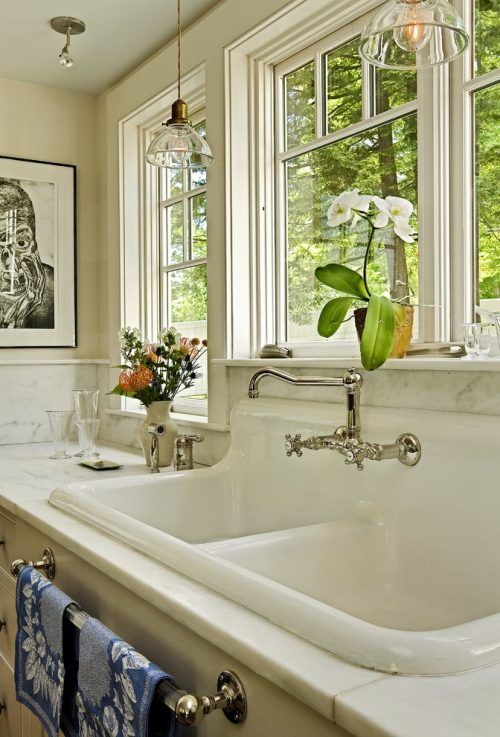
What makes a French garden sink truly classic? It’s not just about the material – though stone and ceramic are traditional choices. It’s about the proportions, the curves, and the attention to detail that goes into every aspect of the design. The basin typically features a wide, shallow shape that invites both practical use and visual appreciation. The edges are usually rounded rather than sharp, creating a sense of gentleness and approachability.
Let’s talk about some key characteristics:
• Deep, curved basins that encourage water flow and provide ample space for washing
• Decorative overflow features that add visual interest
• Ornamental spouts that can be simple or elaborately carved
• Stone or ceramic materials that age gracefully over time
• Balanced proportions that work well in various garden settings
The beauty lies in how these elements come together. A well-designed sink doesn’t scream for attention but rather invites you to appreciate its quiet sophistication. You might notice how the water flows off the edge in a gentle cascade, or how the surface texture catches light differently throughout the day. These subtle details make all the difference between a utilitarian fixture and a true work of art.
Materials and Construction Techniques
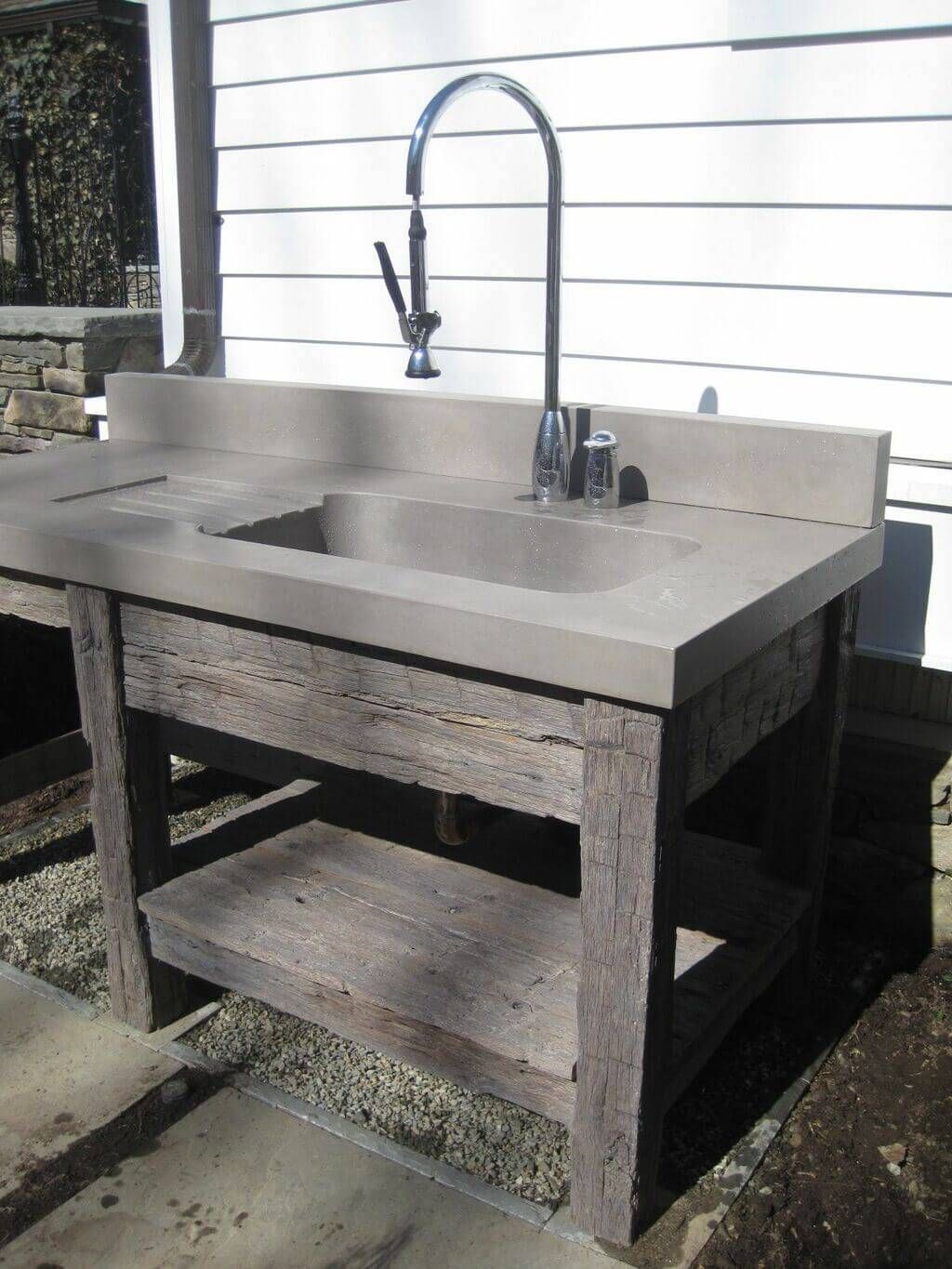
Traditional French garden sinks are crafted using methods and materials that speak to quality and permanence. The most common materials include natural stone such as limestone, granite, or marble, along with ceramic and porcelain. Each material brings its own unique characteristics to the finished piece. Stone sinks offer incredible durability and a natural beauty that develops with age. They can handle extreme weather conditions and resist staining better than many alternatives.
Ceramic and porcelain versions provide more design flexibility. They can be molded into intricate shapes and decorated with hand-painted details. The glazing process adds both protection and visual appeal. These materials allow for more elaborate patterns and colors that complement different garden aesthetics. Some artisans even use traditional techniques passed down through generations to create their pieces.
Construction methods play a crucial role too. Many classic sinks feature thick, solid walls that provide structural integrity while maintaining an elegant appearance. The joining techniques are often hidden, creating clean lines that enhance the overall look. The bottom of the basin is typically flat and stable, ensuring the sink sits securely in its intended location. These construction details might seem small, but they’re what separate a temporary fix from a lasting investment.
Practical Applications and Placement Considerations
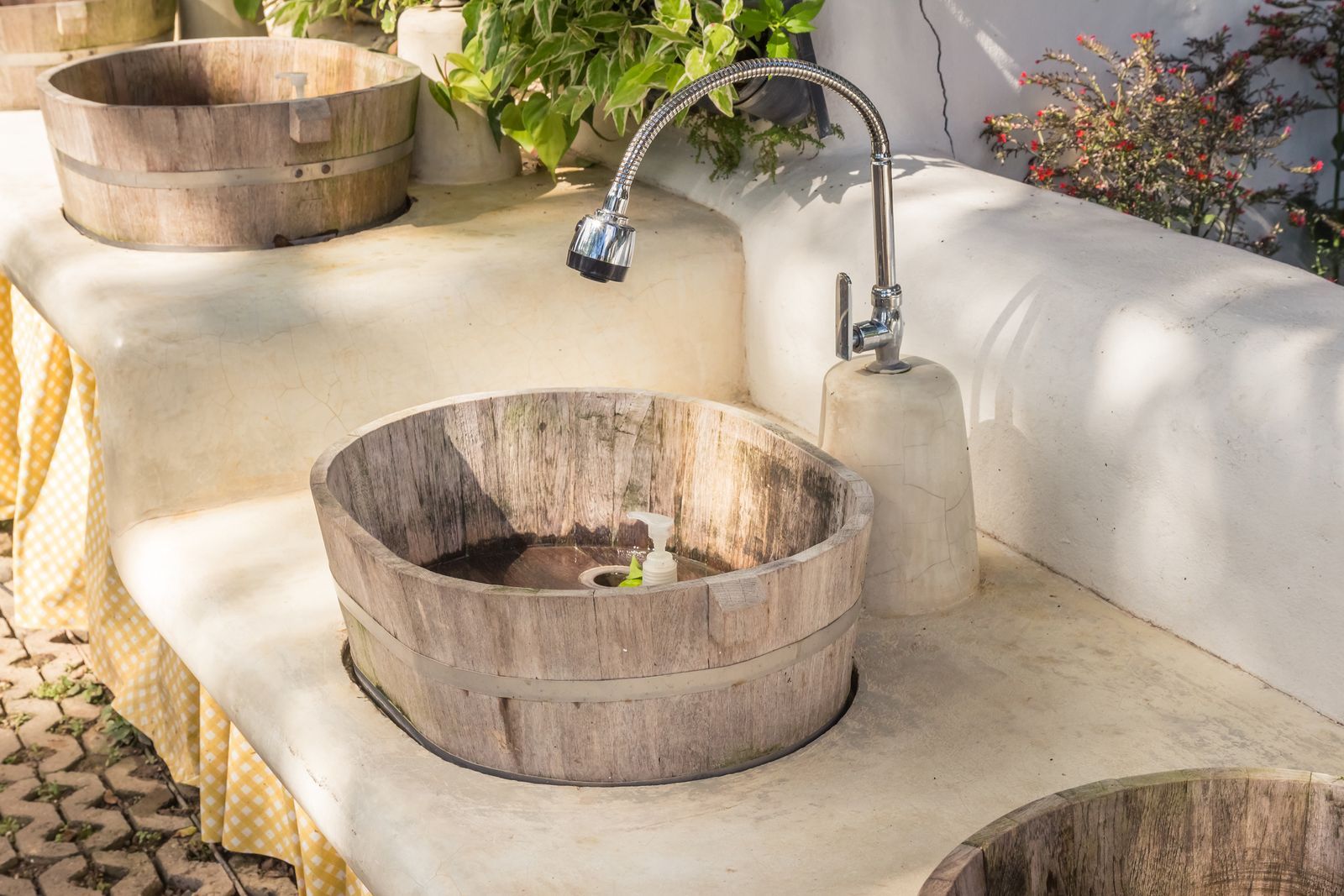
While these sinks are undeniably beautiful, they’re also highly functional. Their placement in a garden or outdoor space requires careful consideration, but the results are worth the effort. You’ll find them positioned near dining areas, kitchenettes, or anywhere there’s a need for convenient water access. They’re particularly popular in areas where people gather for meals or socializing.
Consider these placement scenarios:
• Near a dining table or outdoor kitchen setup
• Along a garden path where visitors might need water
• Next to a water feature or fountain
• In a designated laundry or cleaning area
• As a focal point in a small garden alcove
The key is matching the sink’s scale and style to its surroundings. A large, ornate sink might overwhelm a small garden, while a modest piece could get lost in a spacious setting. Think about how the sink will function in your specific environment. Will it be used daily? For special occasions? How much maintenance will it require?
Some gardeners prefer to position their sinks where they can catch morning light or provide a pleasant contrast against surrounding plants. Others use them as natural barriers between different garden zones. The possibilities are as varied as the people who install them.
Maintenance and Longevity Benefits
One of the most appealing aspects of classic French garden sinks is their remarkable longevity. When properly maintained, these pieces can last for generations. This durability comes from both the quality of materials and the construction methods used. Stone sinks, for example, can withstand freeze-thaw cycles, UV exposure, and temperature fluctuations that might damage other outdoor fixtures.
Regular maintenance keeps these sinks looking their best. Simple tasks like cleaning with mild soap and water, checking for cracks or damage, and protecting surfaces during harsh weather can extend their lifespan significantly. Many owners find that their sinks actually improve with age, developing a patina that enhances their character rather than detracting from it. The natural stone may develop subtle color variations that add to its uniqueness.
Some gardeners treat their sinks like fine art pieces, taking pride in their upkeep. They might apply protective sealants periodically or clean them with specialized products recommended by manufacturers. The investment pays off not just in functionality but in the satisfaction of owning something that will continue to bring joy for years to come. These aren’t items you replace every few years – they’re pieces you treasure and care for.
Modern Relevance and Contemporary Adaptations
While classic designs remain popular, modern interpretations of French garden sinks continue to evolve. Designers today are finding ways to incorporate traditional elements into contemporary settings. You might see sleeker profiles, updated materials, or innovative combinations that honor the original aesthetic while meeting modern needs.
Contemporary adaptations include:
• Smaller, more compact versions for urban gardens
• Mixed material constructions combining stone with metal accents
• Updated finishes that complement modern outdoor furniture
• Integrated lighting features for evening use
• Smart features like automatic fill systems
These innovations don’t diminish the classic appeal – they enhance it. They show that timeless design principles can adapt to current lifestyles and preferences. Many homeowners appreciate how a modern version can fit seamlessly into their existing outdoor setup while still providing that familiar sense of elegance and craftsmanship. The core elements remain the same: graceful lines, thoughtful proportions, and attention to detail that creates a sense of place and occasion.
Classic French garden sinks represent more than just functional outdoor fixtures – they embody a philosophy of design that values beauty, durability, and timeless appeal. Whether you’re drawn to their historical significance, their elegant simplicity, or their practical benefits, these pieces offer something special that modern alternatives often cannot match. Their enduring popularity speaks to something fundamental about our relationship with the outdoors and our desire for spaces that feel both comfortable and sophisticated. The next time you’re planning an outdoor renovation or simply admiring a garden, take a moment to appreciate how these classic elements can transform a simple space into something truly memorable. They’re not just sinks – they’re statements about taste, craftsmanship, and the joy of creating beautiful outdoor environments that stand the test of time.