There’s something deeply satisfying about watching seeds transform into vibrant blooms, vegetables that taste like sunshine, or herbs that fill your kitchen with aroma. The journey from planning to harvest isn’t just about following rules – it’s about understanding the dance between science and artistry that makes gardens come alive.
Gardens are more than just patches of green; they’re expressions of our connection to the earth, reflections of our personal style, and sanctuaries that bring joy to countless moments. Whether you’re starting with a tiny windowsill container or a sprawling backyard, creating a beautiful garden involves both careful planning and creative intuition. It’s not enough to simply plant things and hope for the best. You need to understand how plants behave, what they need, and how to nurture them while allowing room for surprises and discoveries. This isn’t just about following instructions – it’s about developing a relationship with the living things around you.
Understanding Your Garden’s Unique Character
Every garden has its own personality shaped by soil type, sun exposure, climate, and even the way water flows through the space. Before planting anything, spend time observing how your garden behaves throughout the day and seasons. Notice where morning light hits and where shadows fall. Check if certain areas collect water after rain or stay dry all summer. These observations will guide your choices later on. Some plants love full sun, while others prefer dappled shade. Some thrive in clay soil, while others need sandy conditions. Understanding these preferences helps you avoid common mistakes that can make gardening feel frustrating rather than fulfilling. Think of your garden as a conversation partner – it will tell you what it needs if you take time to listen carefully.
Planning With Purpose and Passion
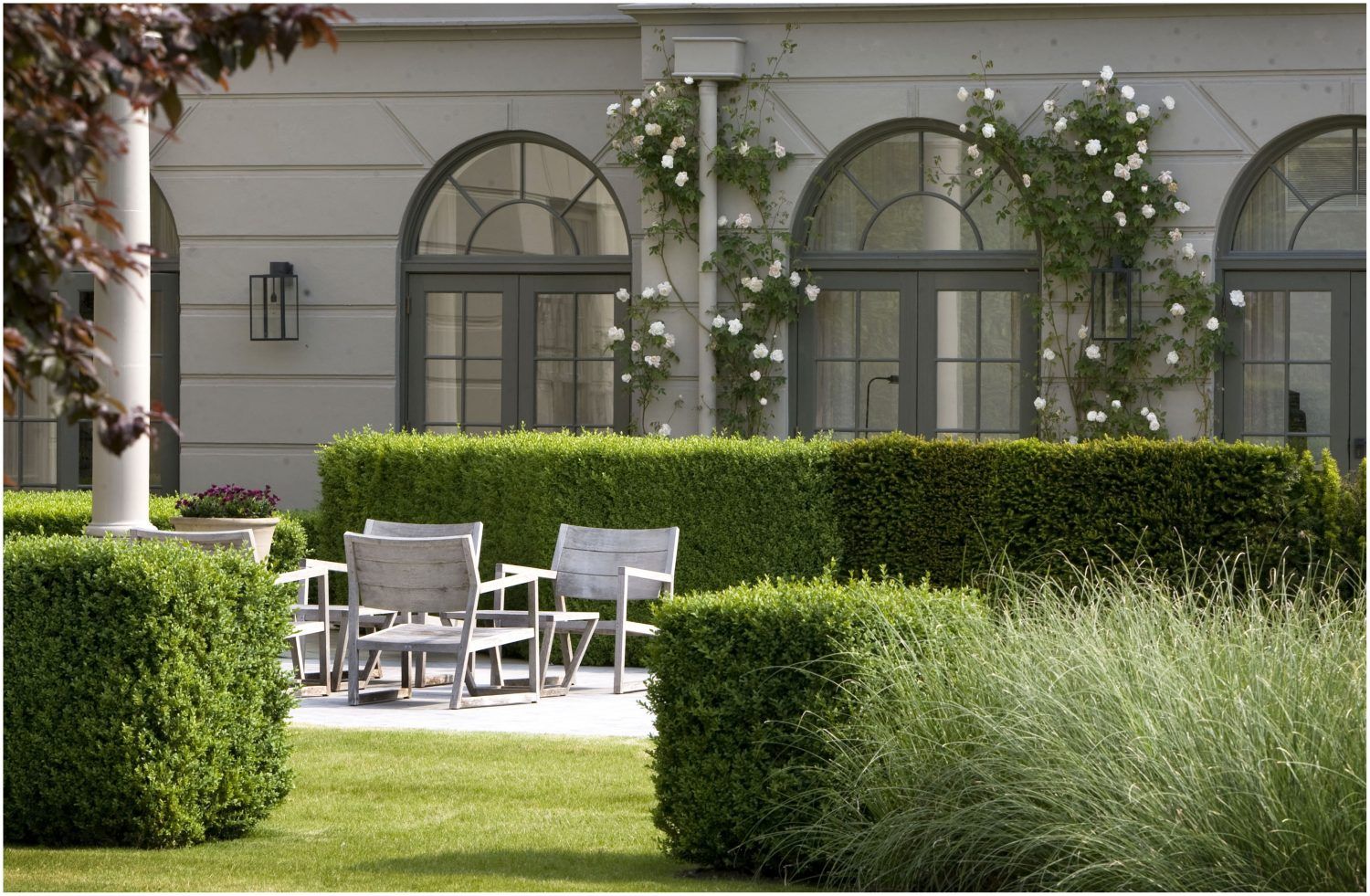
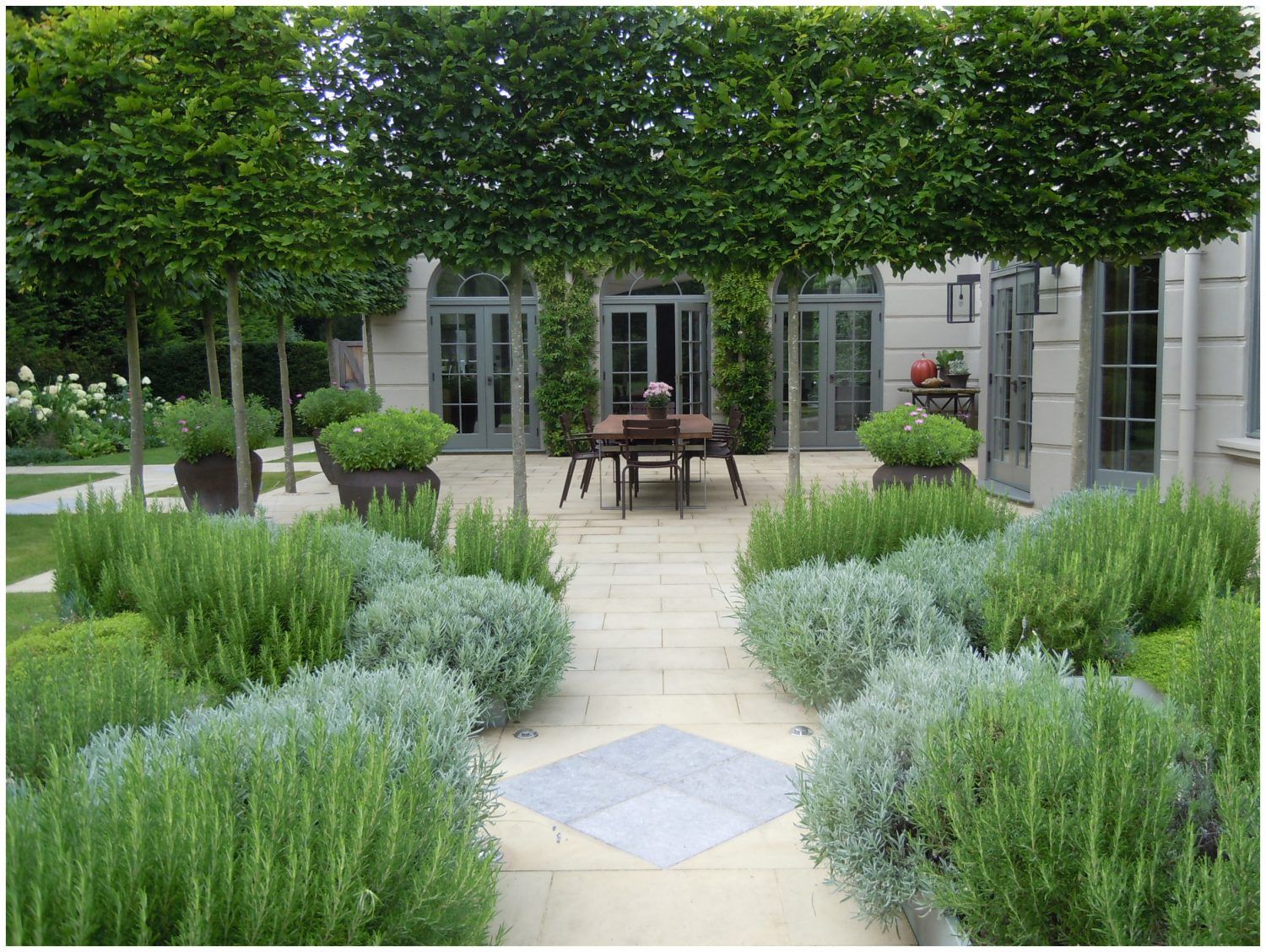
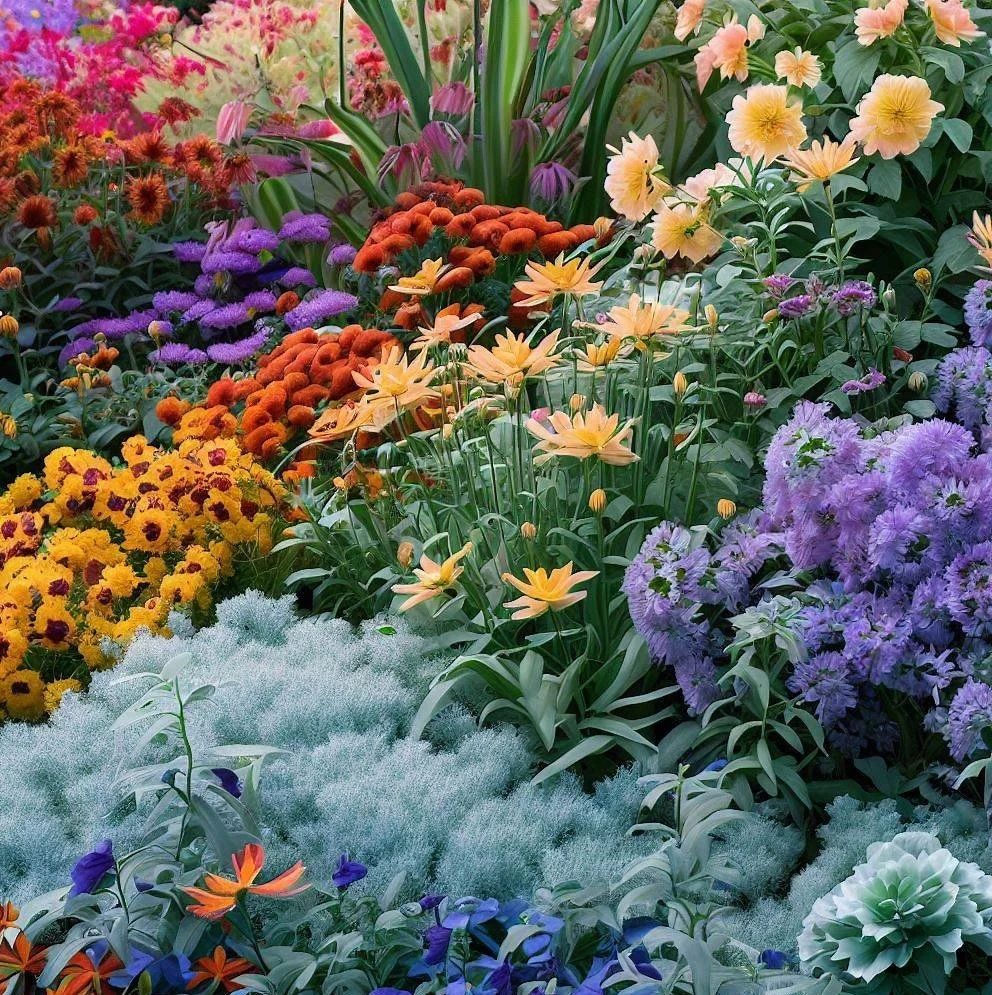
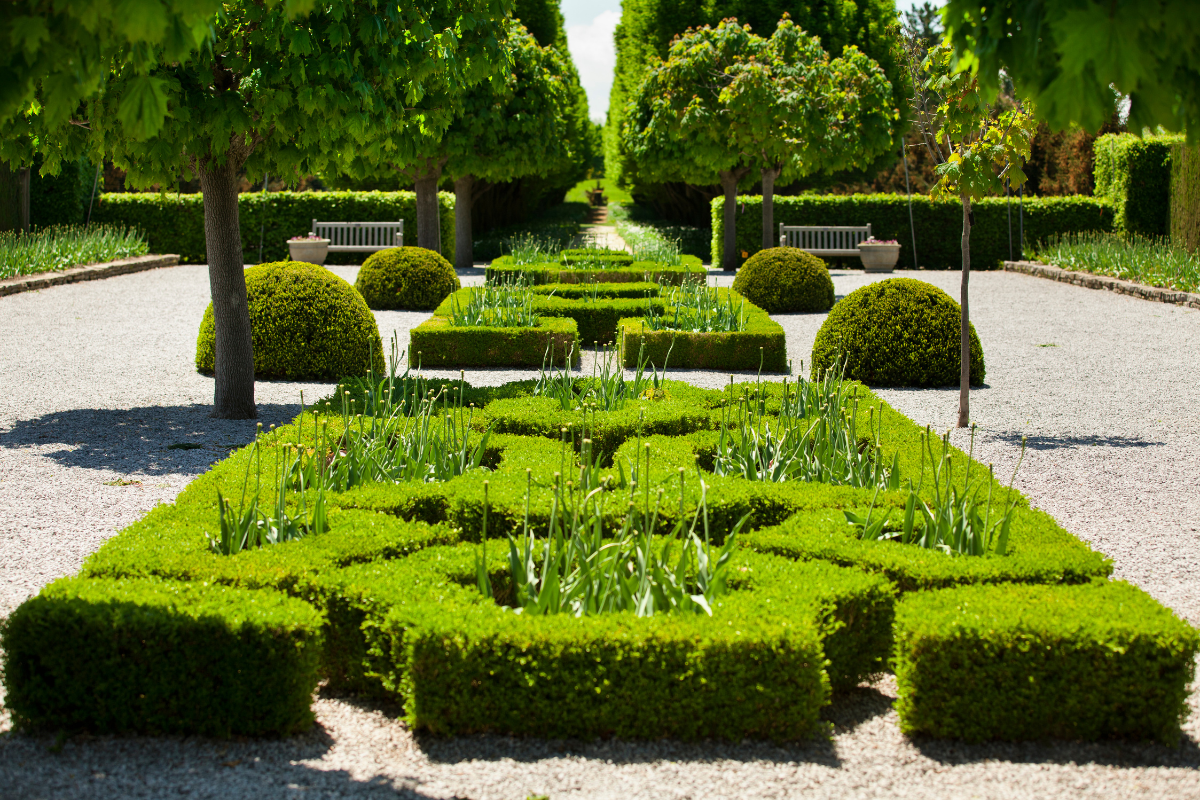
Good garden design starts with knowing what you want to achieve. Are you looking for food, beauty, wildlife habitat, or a peaceful retreat? Do you want to grow vegetables, flowers, or both? Your answers shape everything from plant selection to layout decisions. Consider the height, color, texture, and bloom time of different plants. Plan layers – tall trees providing structure, medium shrubs offering mid-level interest, and groundcovers filling in gaps. This approach creates visual harmony that changes throughout the growing season. Don’t forget to account for maintenance needs too. A stunning garden requires ongoing care, so choose plants that fit your lifestyle and available time. Sometimes less is more – a few well-chosen specimens often create better results than trying to cram everything in one space.
Soil: The Foundation of Everything
Think of soil as the foundation of your garden’s health. Healthy soil supports strong root systems, proper drainage, and nutrient availability. Most gardeners neglect this crucial element until problems arise. Testing your soil pH and nutrient levels gives you baseline information to work with. Many gardeners discover their soil needs amendments before planting begins. Adding compost improves structure and adds beneficial microorganisms. Organic matter helps retain moisture during hot weather and drains excess water when it’s needed. Different plants have varying soil requirements – some love acidic conditions, others prefer alkaline environments. Understanding your soil’s characteristics allows you to select appropriate plants and make necessary adjustments. Remember that soil improvement is an ongoing process, not a one-time fix. Building healthy soil takes patience and consistent effort over several seasons.
Watering Wisdom: Finding Balance
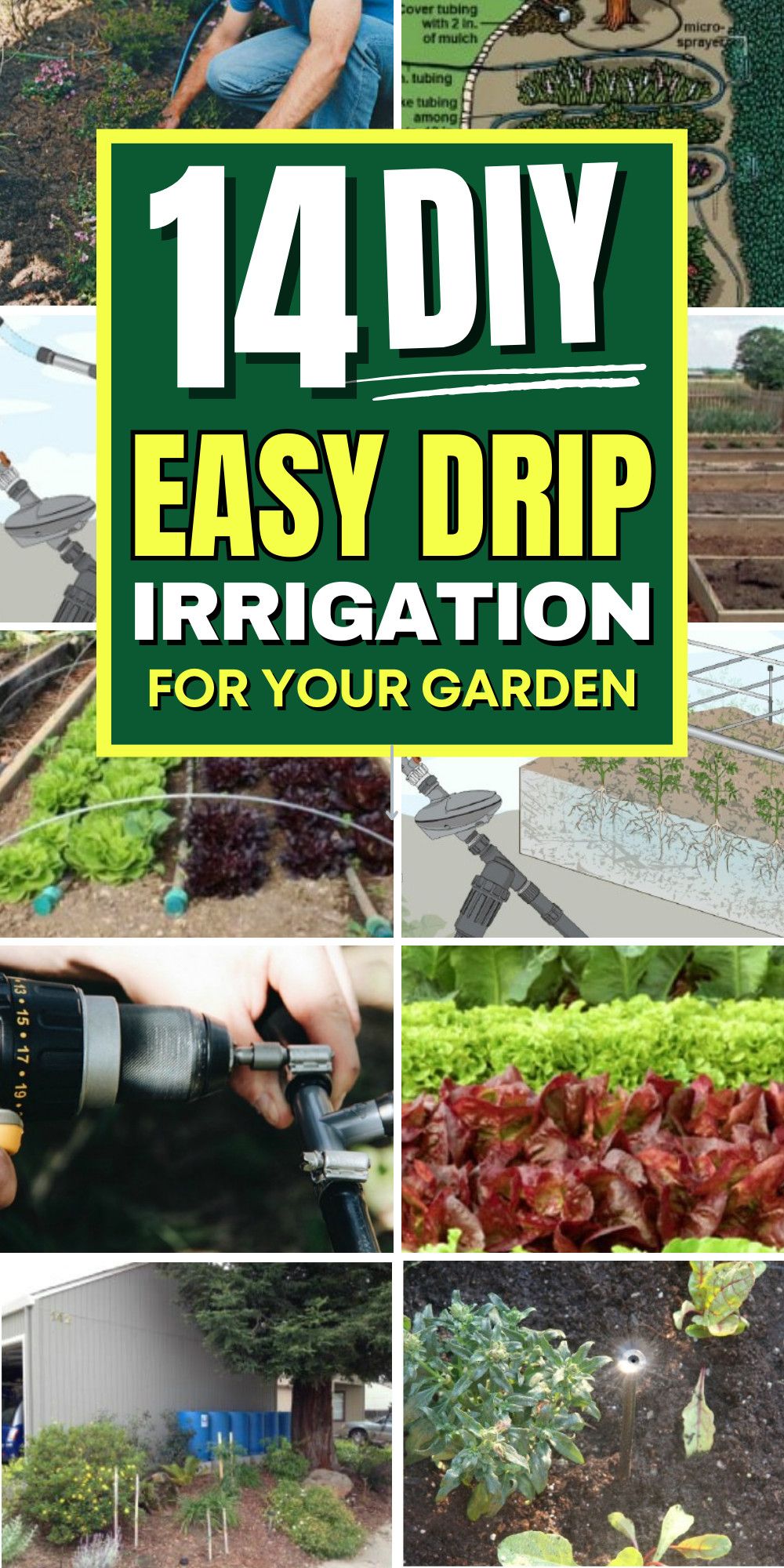
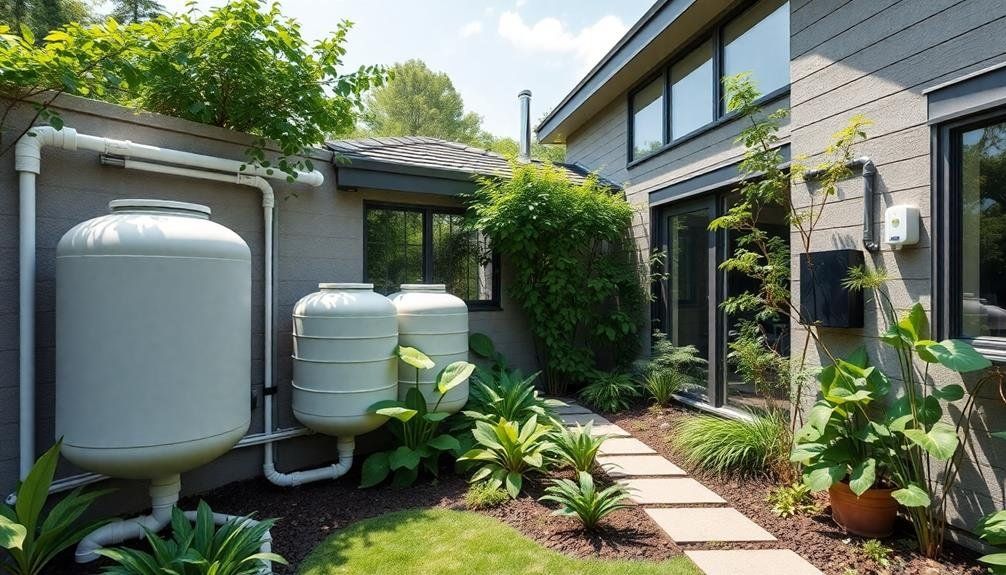
Watering is both an art and a science. Too much water leads to root rot and fungal diseases, while too little causes stress and poor growth. The key lies in understanding each plant’s specific needs and your local climate conditions. Deep, infrequent watering encourages strong root development compared to shallow daily sprinkling. Morning watering reduces evaporation and prevents disease issues. Drip irrigation systems deliver water directly to root zones efficiently. Rain barrels collect runoff water for use during dry periods. Mulching helps conserve moisture and regulate soil temperature. Observing your plants’ responses tells you whether you’re providing adequate hydration. Wilting leaves might indicate underwatering, while yellowing foliage could suggest overwatering. Pay attention to seasonal changes – plants typically need more water during hot summer months and less during cooler winter periods.
Plant Selection: Choosing What Belongs Where
Selecting plants involves balancing aesthetics with practical considerations. Consider mature size, growth rate, and hardiness zone compatibility before purchasing. Native plants often perform better because they’ve adapted to local conditions over thousands of years. They also support local wildlife, including pollinators and beneficial insects. Research companion planting relationships – some plants benefit each other when grown nearby. For example, basil helps repel pests from tomatoes, while marigolds can deter nematodes. Seasonal bloom times create continuous visual interest throughout the year. Mix textures, colors, and forms to add dimension to your garden space. Don’t overlook edibles in ornamental settings – herbs and vegetables can provide both beauty and utility. Start with reliable varieties that have proven performance records in your area. Take time to research before buying, especially for new or unusual plants.
Maintenance: Keeping Gardens Thriving Long-Term
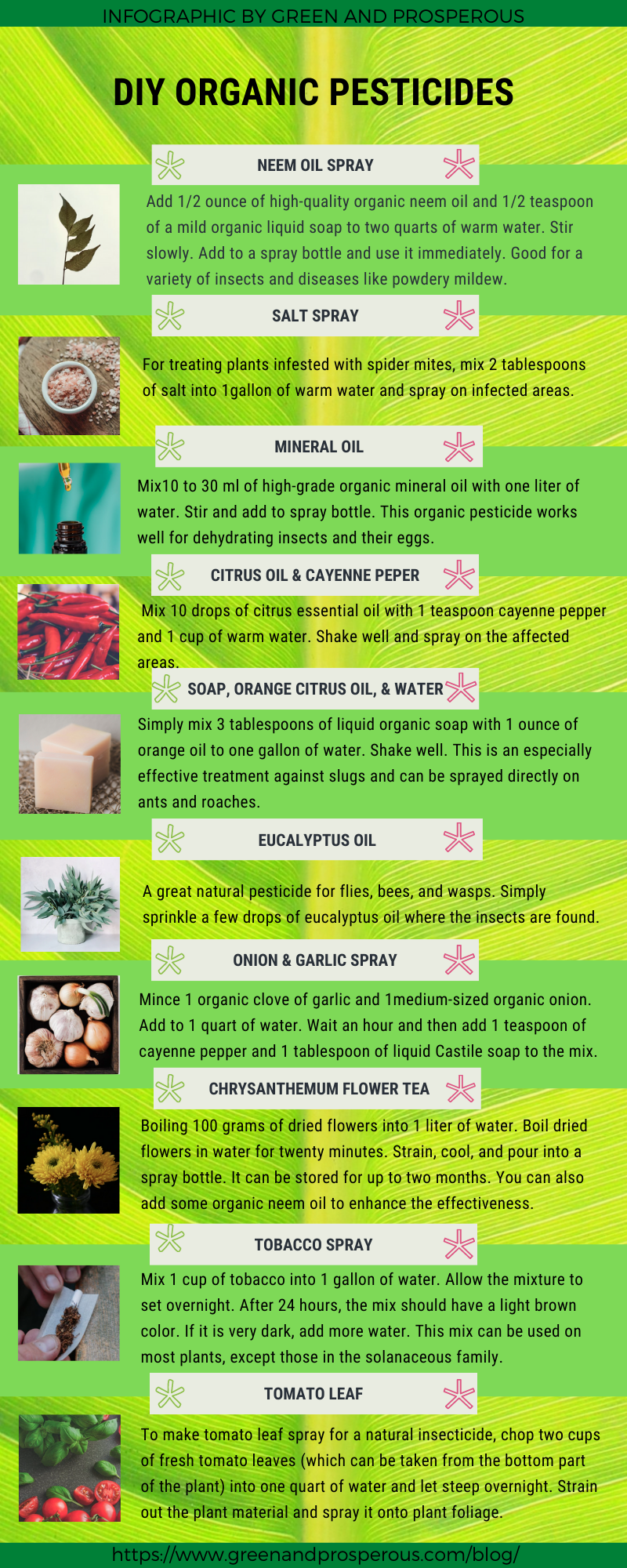
Gardens require regular attention to remain beautiful and productive. Regular weeding prevents competition for nutrients and water. Pruning maintains plant health and encourages better flowering or fruiting. Deadheading spent blooms extends flowering periods and keeps plants looking neat. Fertilizing provides essential nutrients that may be lacking in your soil. Pest monitoring helps catch problems early before they become serious threats. Proper timing for these tasks matters – spring cleanup prepares for new growth, while fall cleanups protect against winter damage. Keeping detailed notes about what works well in your garden helps refine future plans. Record successful plant combinations, effective pest management strategies, and seasonal observations. Gardening becomes more intuitive with experience, but even beginners can learn to recognize signs of healthy versus stressed plants. Consistency in care routines pays dividends over time.
Creating a beautiful garden is ultimately about finding joy in the process of nurturing life. It’s about learning from each season’s lessons and celebrating small victories along the way. Whether your garden features exotic tropical plants or simple annual flowers, the most important ingredient remains the same – caring attention and patient observation. Your garden will teach you about resilience, patience, and the remarkable ability of living things to adapt and flourish. The beauty emerges not just from the final result, but from the daily interactions between you and the plants you grow. Every garden tells a story of its creator’s dedication, creativity, and love for the natural world. So grab your gloves, embrace the dirt, and start building the garden that speaks to your heart.