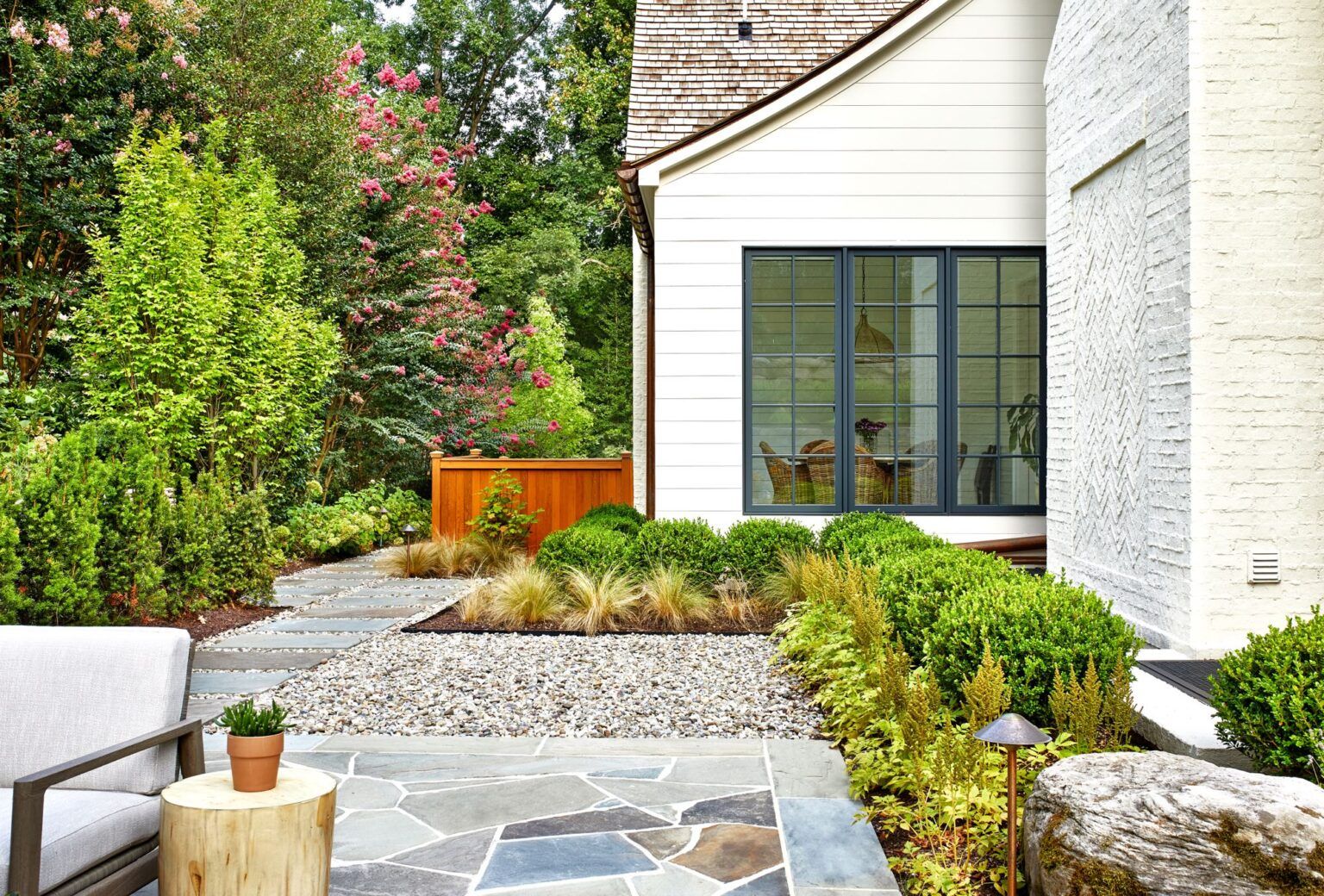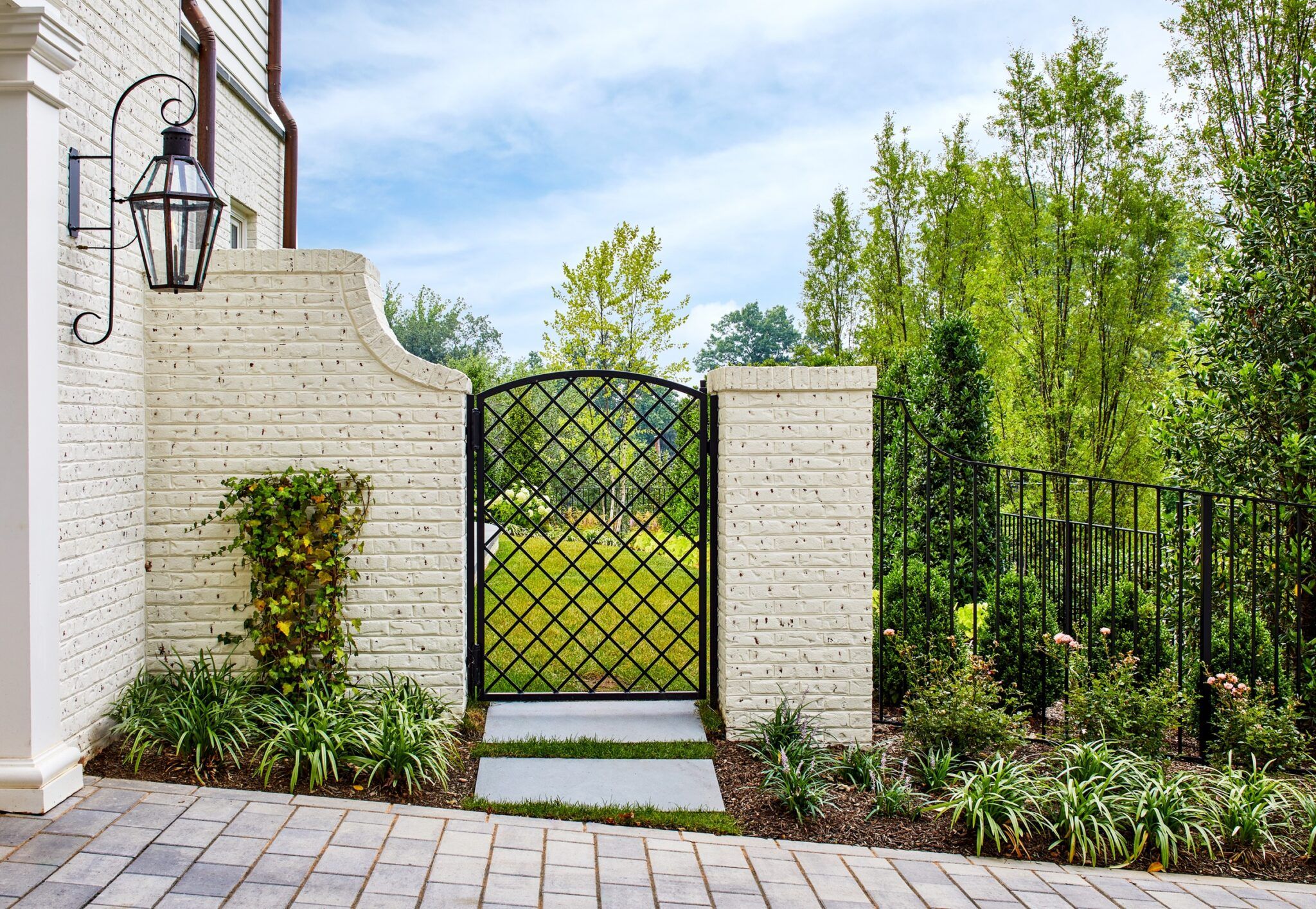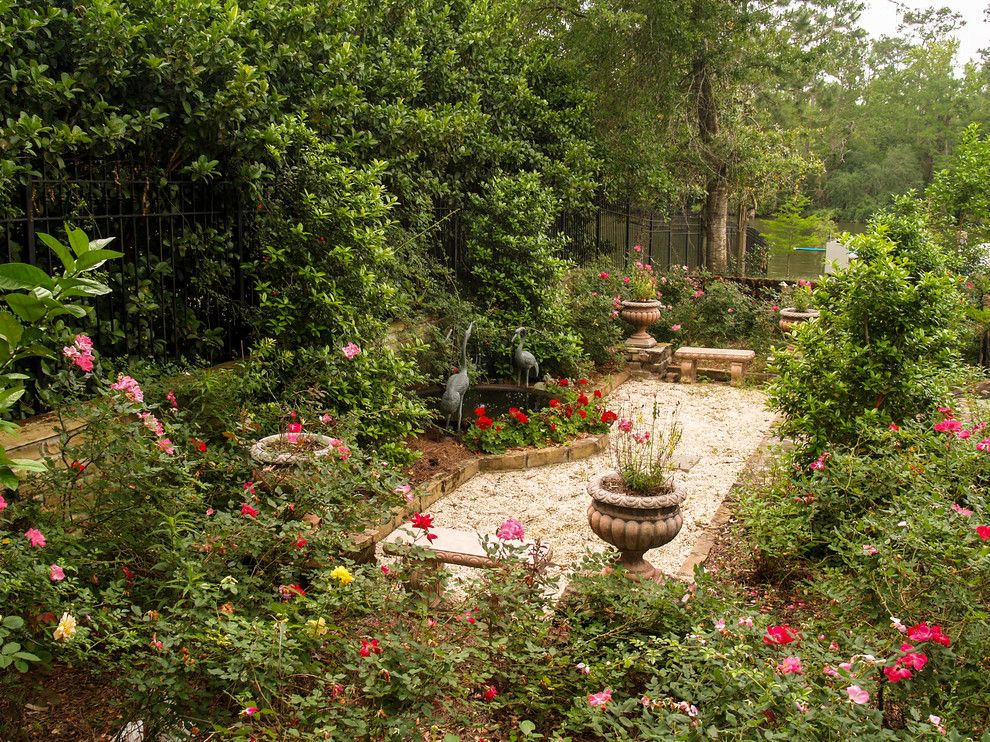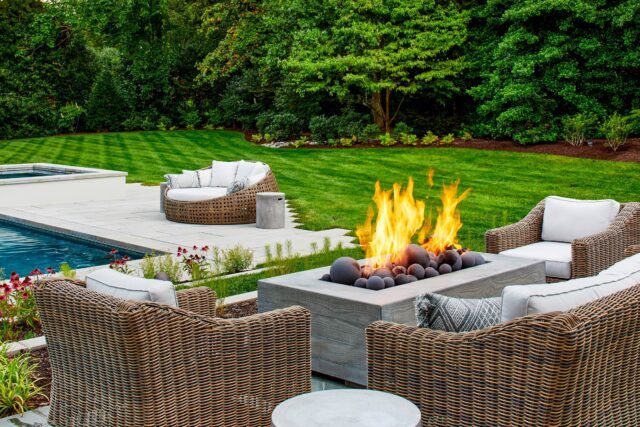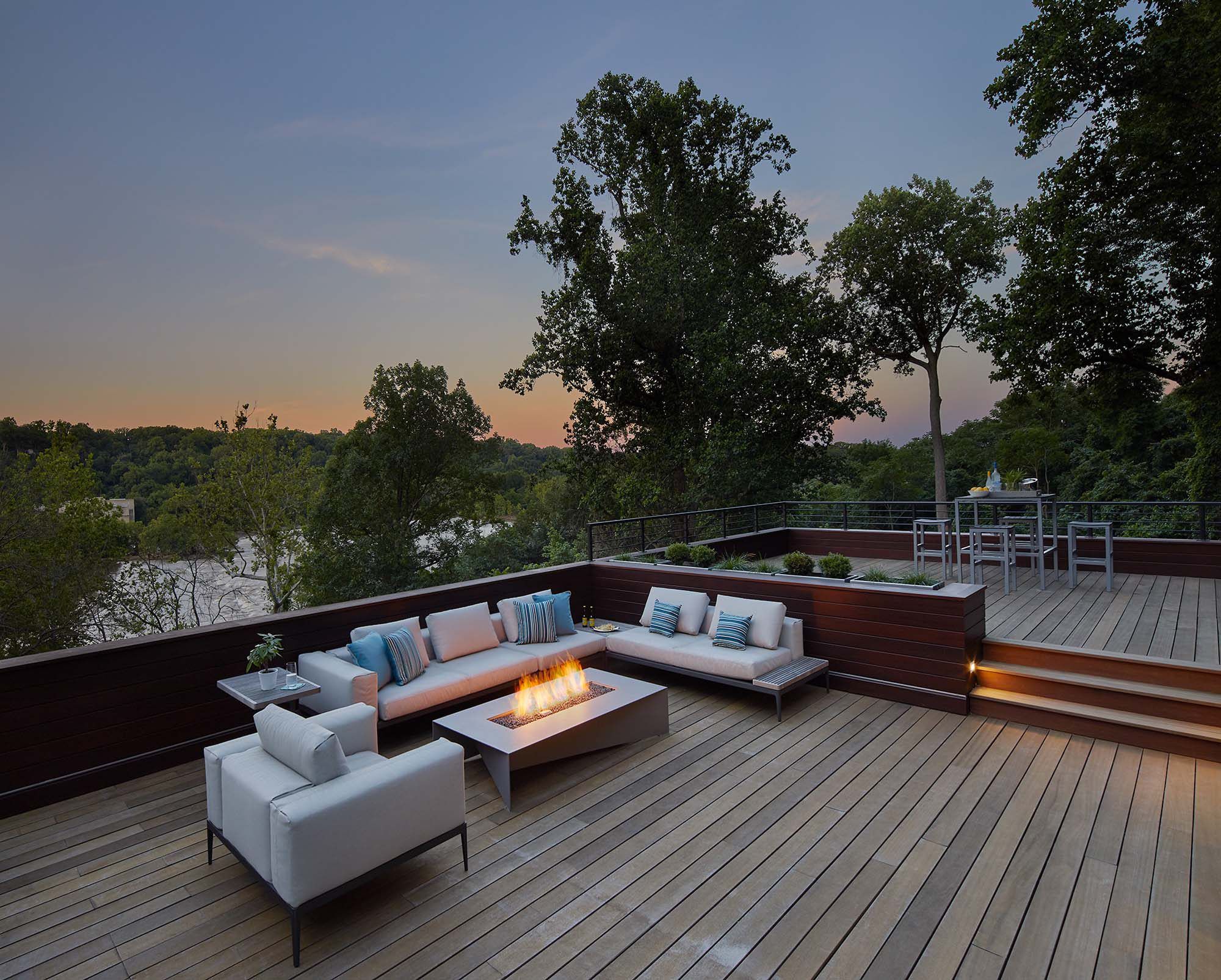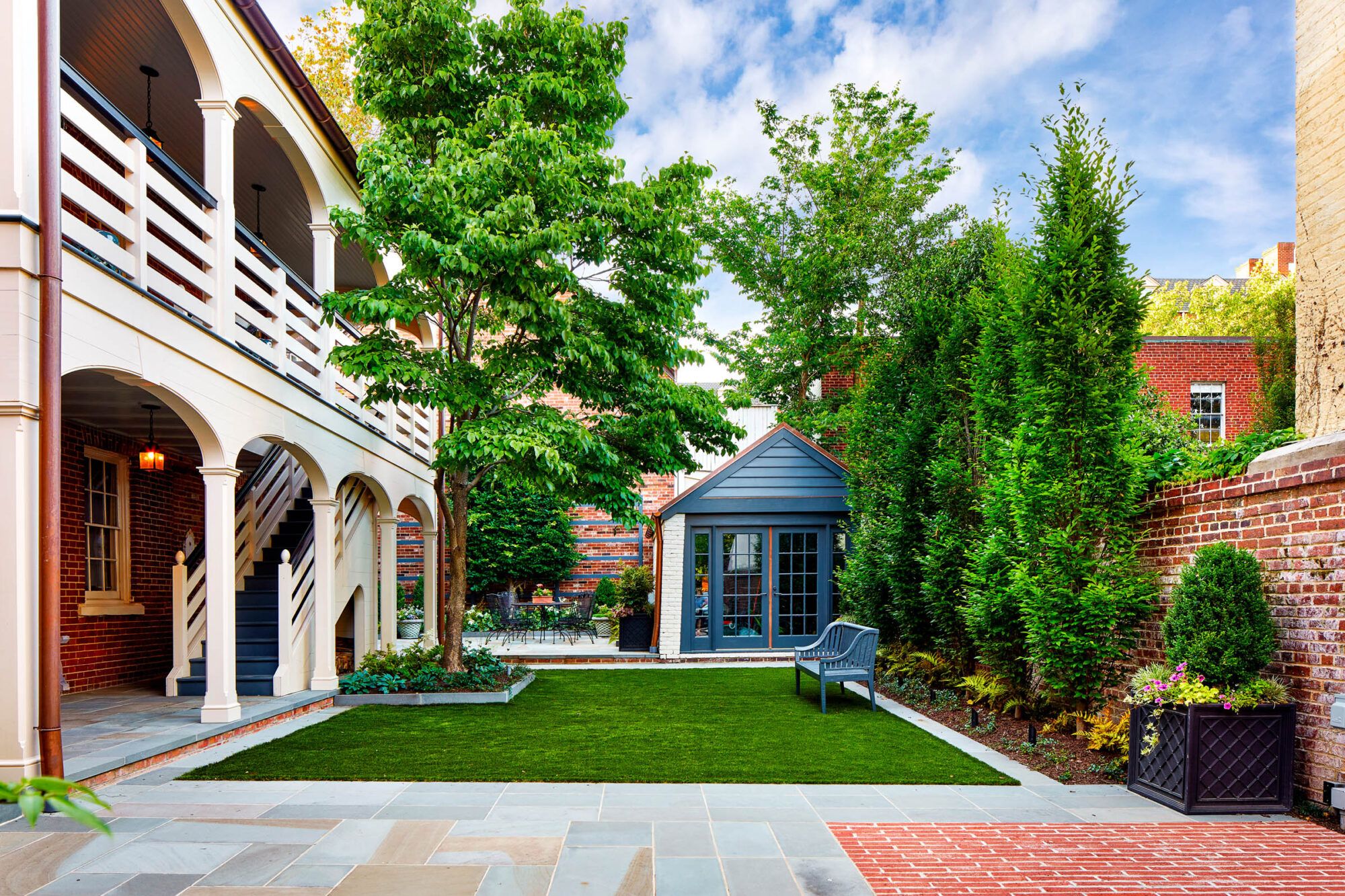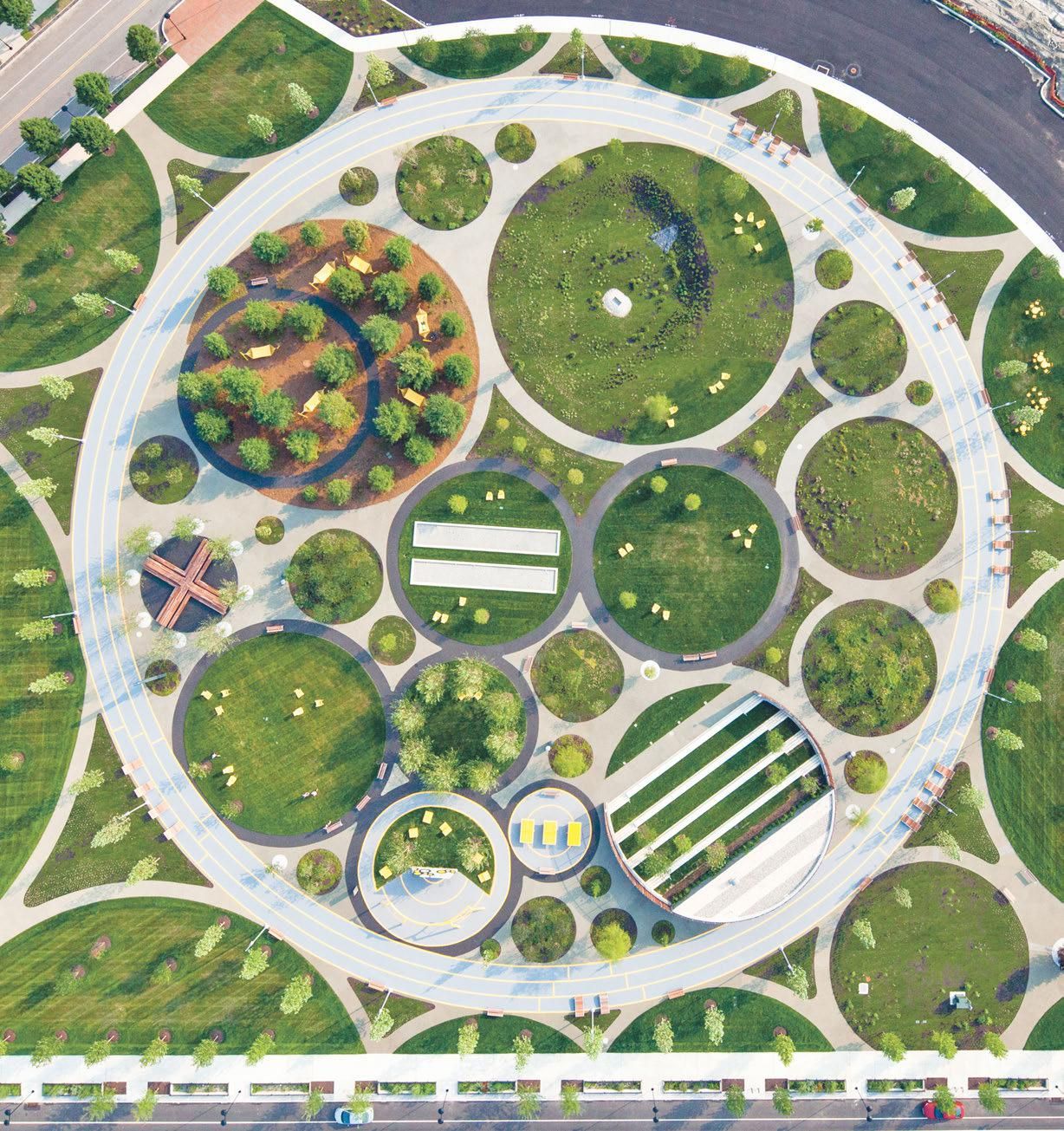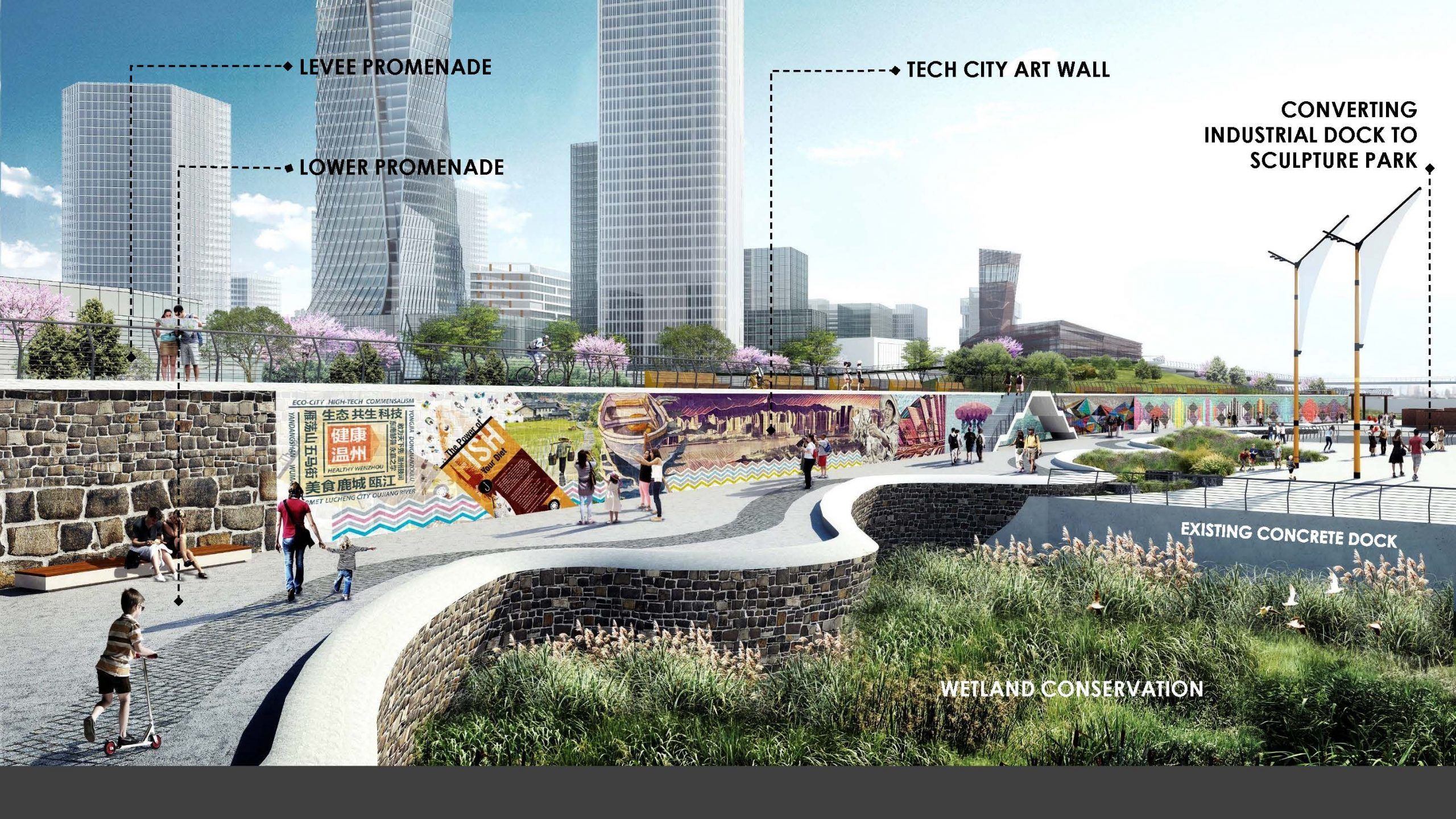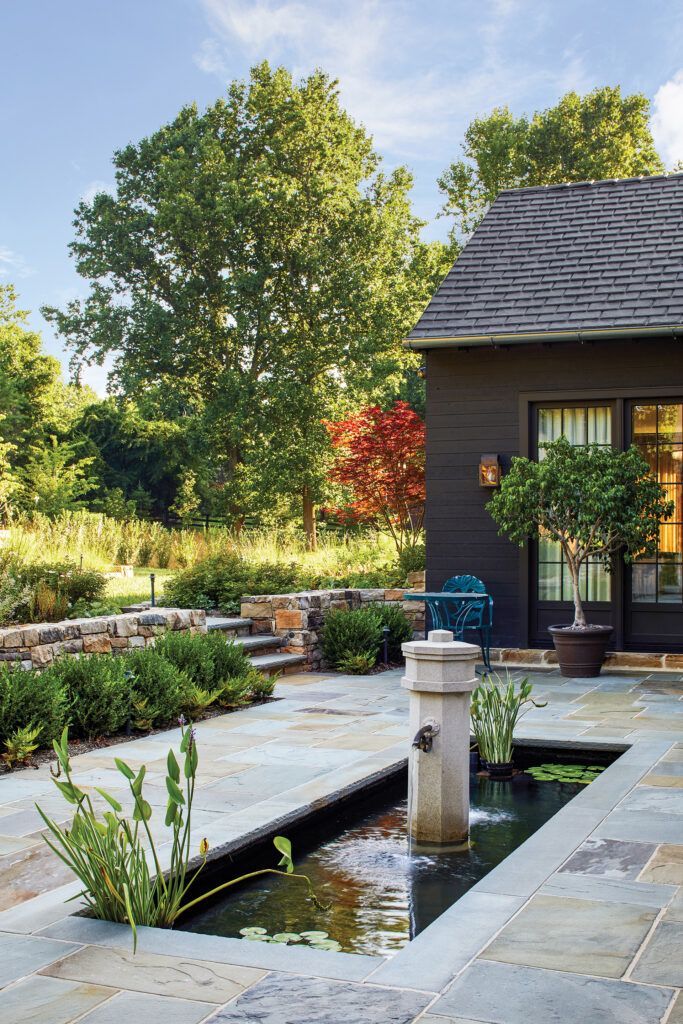
Joseph Richardson’s landscape designs don’t just beautify spaces – they tell stories. Each project begins with a deep understanding of the client’s needs and the environment around them. His process is both methodical and intuitive, blending technical knowledge with artistic flair. What makes his work truly special isn’t just the final result, but how he brings ideas to life through careful planning and creative problem-solving.
When you walk through a landscape designed by Joseph Richardson, you don’t just see plants and pathways – you experience a carefully crafted story. His award-winning work spans residential gardens, public spaces, and commercial properties across the country. But what really sets his designs apart isn’t just their visual appeal – it’s the thoughtful integration of function, beauty, and environmental consciousness. Every project starts with a conversation, a vision, and a commitment to creating spaces that enhance lives. The creative process behind his award-winning landscapes is as much about understanding people as it is about understanding plants and terrain. It’s a blend of traditional design principles and modern innovation that results in outdoor environments that feel both timeless and contemporary.
Initial Conceptualization and Client Connection
Richardson’s process begins long before any sketches hit paper. He believes that every successful design starts with understanding the person who will inhabit the space. During initial consultations, he asks questions that might seem simple but reveal profound insights about lifestyle, preferences, and dreams. ‘What does a perfect day look like in this space?’ he often asks clients. This question opens doors to understanding not just what they want, but why they want it. For one residential project, a family requested a space for children to play safely while maintaining privacy from neighbors. Rather than simply installing a fence, Richardson proposed a living wall that would serve as both boundary and garden feature. The result was a stunning solution that met all requirements while creating an unexpected focal point. His approach to client relationships involves active listening and genuine curiosity about each person’s unique circumstances and aspirations.
Site Analysis and Environmental Integration
Before any design pencil touches paper, Richardson conducts thorough site analysis. This involves studying soil conditions, drainage patterns, sun exposure, existing vegetation, and even local wildlife habitats. He treats each location as a unique ecosystem with its own personality and challenges. One memorable project involved designing a garden for a property with heavy clay soil and poor drainage. Instead of fighting against nature, Richardson embraced the conditions and created a water-wise garden that thrived despite the difficult soil. His philosophy centers on working with rather than against natural elements. He pays particular attention to microclimates within a space, recognizing that different areas may have varying temperature, moisture, and light conditions. This detailed observation allows him to select appropriate plants and arrange elements strategically. For instance, he might place drought-tolerant species in areas that receive afternoon sun while positioning moisture-loving plants in shaded, well-drained spots. His designs never feel forced or artificial because they respect the fundamental characteristics of the land itself.
Design Development and Creative Problem-Solving
Once the foundation is laid, Richardson moves into the creative phase where his artistic vision takes shape. He often works with multiple design iterations, exploring various possibilities and combinations. What makes his approach distinctive is his willingness to experiment and take calculated risks. In one project, he proposed using a bold geometric pattern in a traditionally formal garden setting. The client was hesitant initially, but after seeing how the design created visual interest and movement, they embraced the unconventional approach. His design process involves balancing multiple considerations simultaneously: aesthetic appeal, practical functionality, seasonal interest, maintenance requirements, and budget constraints. Richardson often creates detailed mood boards that combine plant selections, material choices, and spatial arrangements. These visual references help translate abstract concepts into tangible realities. He also considers how the space will evolve over time, ensuring that his designs remain beautiful and functional throughout different seasons and stages of growth. His ability to visualize long-term outcomes helps clients understand the investment they’re making in their outdoor spaces.
Material Selection and Sustainable Practices
Sustainability isn’t just a buzzword for Richardson – it’s a core principle woven throughout every project. He carefully selects materials based on durability, environmental impact, and compatibility with the overall design theme. Natural stone, reclaimed wood, and locally-sourced materials are his go-to choices whenever possible. His commitment to sustainable practices extends beyond materials to include water conservation strategies, native plant integration, and habitat creation for beneficial insects and birds. In a recent commercial project, he incorporated rain gardens and permeable surfaces to manage stormwater runoff naturally. This not only solved a practical drainage issue but also enhanced the site’s ecological value. He frequently partners with local nurseries and suppliers to source plants that are well-suited to the regional climate and soil conditions. This approach reduces maintenance needs and supports local ecosystems. Richardson’s material choices reflect his belief that good design should benefit both people and the planet. He also considers the lifecycle of each element, ensuring that his selections won’t require frequent replacement or cause environmental harm.
Implementation and Collaborative Execution
The transition from design to reality requires careful coordination and collaboration with various specialists. Richardson works closely with contractors, horticulturists, and sometimes even engineers to ensure his vision translates accurately into physical space. His hands-on approach during installation phases helps maintain quality and consistency. He understands that even the best plans can face unexpected challenges during execution. One particularly challenging project involved installing a complex irrigation system in a space with rocky soil and limited access. Rather than abandoning the original plan, Richardson worked with the contractor to develop an innovative solution that achieved the desired results while staying within budget. His collaborative style involves regular communication and site visits throughout the construction process. He believes that successful implementation requires flexibility and adaptability. When problems arise, he approaches them as opportunities to improve rather than obstacles to overcome. His reputation for clear communication and realistic expectations helps build strong working relationships with all team members. The final result always reflects both his artistic vision and the practical realities of the construction process.
Post-Project Reflection and Long-Term Impact
Richardson’s relationship with his projects doesn’t end when construction finishes. He maintains ongoing connections with clients to understand how their spaces continue to serve them over time. This feedback loop helps refine his future work and ensures his designs continue meeting evolving needs. He keeps detailed records of plant performance, seasonal changes, and client satisfaction levels. For example, after completing a large residential garden, he followed up regularly to see how the plants were adapting and whether the space was being used as intended. This follow-up approach allows him to learn from each project and improve his techniques. He also documents successful solutions and innovative approaches for future reference. Some of his most memorable designs emerged from lessons learned during earlier projects. His portfolio includes case studies of how specific challenges were overcome and what made certain design elements particularly effective. This continuous learning process contributes significantly to his award recognition and industry standing. The long-term perspective he brings to each project helps ensure that his landscapes remain vibrant and relevant for years to come.
Joseph Richardson’s award-winning landscape designs represent more than just beautiful outdoor spaces – they embody a holistic approach to design that considers people, environment, and creativity. His process demonstrates how thoughtful planning, deep site understanding, and collaborative execution can transform ordinary spaces into extraordinary experiences. What makes his work truly exceptional is his ability to balance artistic vision with practical realities. Each project becomes a testament to the power of landscape architecture to enhance human life while respecting natural systems. His commitment to sustainability, client satisfaction, and continuous improvement sets a high standard for the profession. Whether designing a small urban courtyard or a large estate garden, Richardson consistently delivers work that exceeds expectations and creates lasting positive impacts. His success proves that great design emerges not just from talent, but from dedication to understanding, innovation, and genuine care for both clients and the environment. The creative process behind his award-winning landscapes offers valuable insights for anyone interested in transforming outdoor spaces into meaningful places that enrich lives.