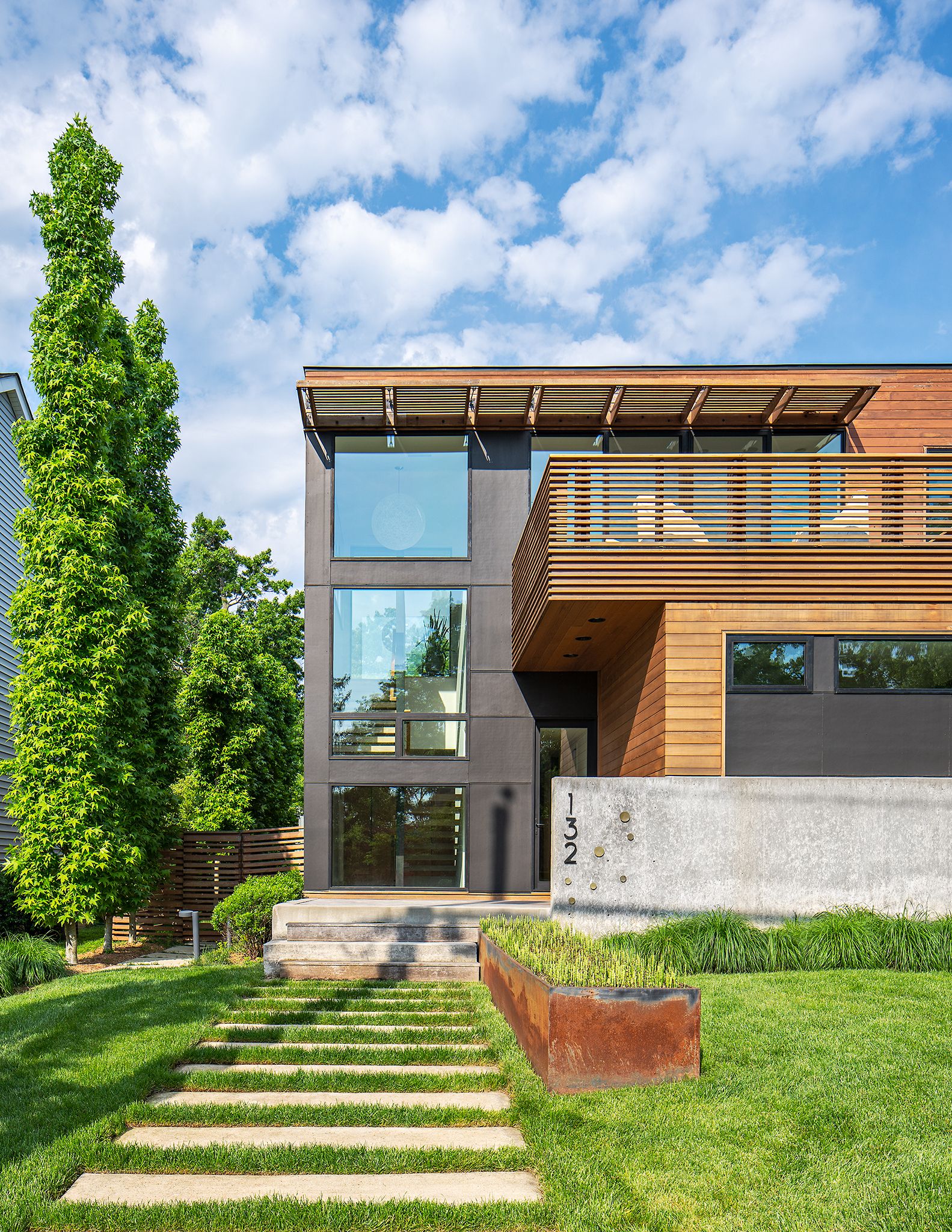
Cities aren’t just collections of buildings and roads. They’re living, breathing entities that shape our daily experiences. What if we could transform our urban environments through thoughtful design? Meet Moody Graham, whose work shows us exactly how that’s possible.
Urban landscapes have always been more than just concrete and steel. They tell stories of communities, cultures, and human connections. But too often, cities grow without considering the people who live within them. That’s where Moody Graham enters the story. His approach isn’t just about creating beautiful spaces—it’s about building environments that truly serve their inhabitants. From small neighborhood parks to major public plazas, his designs show us what happens when architecture meets intentionality.
The Philosophy Behind Thoughtful Urban Design
Moody Graham believes that good urban design starts with understanding the people who will use the space. It’s not enough to make something look pretty; it must feel right. His philosophy centers around three core principles:
• Accessibility for everyone, regardless of age or ability
• Integration with existing community life
• Sustainability and longevity in design choices
Think about your favorite public spaces. What makes them special? Often, it’s not the grandeur but the subtle details that make them feel welcoming. Graham’s work captures that essence. He asks himself: ‘What would make someone want to stay longer? What would make this place feel like home?’
His projects don’t just add beauty—they add humanity to urban environments.
Case Study: The Riverside Commons Transformation
Consider the Riverside Commons project in Portland, Oregon. Before Graham’s intervention, this area was a forgotten stretch of land with limited amenities. The site had little connection to the surrounding neighborhoods.
Graham approached the space differently. Instead of building another generic structure, he focused on creating a hub that connected multiple communities. The result was a multi-functional space that serves different needs throughout the day:
• Morning yoga sessions for local residents
• Afternoon farmers markets
• Evening performances for families
• Quiet corners for reading and reflection
What’s remarkable about this transformation is how it changed the entire neighborhood. People started walking more, gathering more, and investing more in their community. The space became a catalyst for broader urban renewal efforts.
This project demonstrates how thoughtful design can spark larger positive changes in urban areas.
Community-Centered Planning Process
Graham’s process begins long before any blueprints are drawn. He spends months talking to residents, business owners, and local leaders. This might seem time-consuming, but it’s crucial for creating spaces that actually work.
Here’s how his typical community engagement process works:
• Initial listening sessions to understand current challenges
• Workshops where people can sketch their ideas
• Iterative feedback loops with prototypes
• Final presentations that incorporate community input
One memorable example involved a small town in Vermont where residents were concerned about safety and lack of gathering spaces. Rather than imposing a solution, Graham helped them identify their own priorities. The result was a series of interconnected pathways that led to a new community garden, a covered seating area, and improved lighting—all designed by the community itself.
This collaborative approach ensures that every design decision reflects genuine community needs rather than outside assumptions.
Sustainable Design Elements in Urban Spaces
Modern urban design must consider environmental impact as much as human experience. Graham integrates sustainable practices into almost every project he undertakes.
Key sustainability features in his work include:
• Green infrastructure that manages stormwater naturally
• Materials chosen for durability and low maintenance
• Energy-efficient lighting systems
• Native plant landscaping that supports local wildlife
• Spaces designed to accommodate changing needs over time
Take his recent work in Seattle, where he transformed a former industrial site into a thriving urban park. The design incorporated permeable surfaces that reduce runoff, solar panels that power lighting and facilities, and a rain garden that handles water naturally. The result was a space that not only serves people but also helps improve the local ecosystem.
These elements show that sustainability and beauty don’t have to be competing interests—they can work together to create better urban environments.
Addressing Accessibility and Inclusivity
One of Graham’s strongest commitments is ensuring that all urban spaces are accessible to everyone. This means thinking beyond physical barriers to consider social and economic inclusivity as well.
His approach includes:
• Universal design principles that work for all ages and abilities
• Affordable access to community amenities
• Cultural sensitivity in design choices
• Flexible spaces that can adapt to diverse uses
In one particularly impactful project, Graham worked with a school district to redesign playgrounds across multiple campuses. Rather than creating standard equipment, he designed modular play areas that could be reconfigured based on different age groups and activities. The result was more versatile play spaces that served children with varying abilities and interests.
Accessibility isn’t just about ramps and wide doorways. It’s about creating spaces where everyone feels welcome and valued. When designers consider inclusion from the beginning, they often discover creative solutions that benefit everyone.
The Ripple Effect of Thoughtful Urban Design
Graham’s work extends far beyond individual projects. When he creates a successful urban space, it often triggers positive changes in surrounding areas. These ripple effects can be surprising and powerful.
Some common ripple effects include:
• Increased property values in nearby areas
• Growth of local businesses and services
• Enhanced sense of community pride
• Improved mental health outcomes for residents
• Greater civic engagement
A study conducted after Graham’s redesign of a downtown plaza in Austin showed measurable improvements in foot traffic, local business revenue, and resident satisfaction scores. More importantly, the project inspired similar transformations in neighboring districts.
These cascading benefits demonstrate why thoughtful urban design deserves serious attention from city planners, developers, and policymakers. Every well-designed space becomes a model for future development.
Moody Graham’s approach to urban design proves that thoughtful planning can completely transform how we experience our cities. His work reminds us that great design isn’t just about aesthetics—it’s about creating environments that support human connection, sustainability, and community growth. As cities continue to evolve, his philosophy offers a roadmap for building better urban futures. Whether you’re a city planner, a homeowner, or simply someone who cares about where you live, Graham’s methods show us what’s possible when we prioritize people over profit, beauty over brute force, and community over convenience. The question isn’t whether we can afford to think more carefully about our urban spaces—it’s whether we can afford not to.